

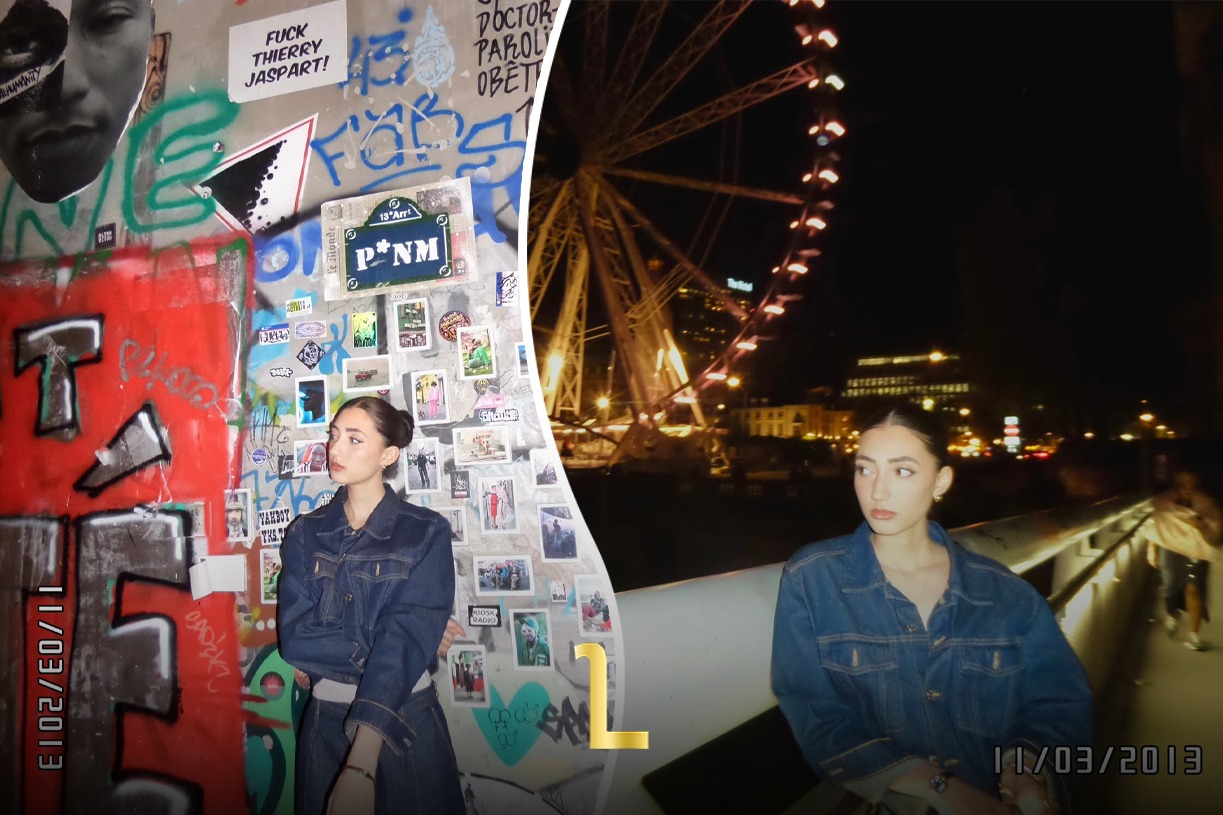
Casablanca – Some artists build their identity around a particular genre. Others would rather keep exploring than settle into one sound. For Moroccan singer Nadine Errazaki, choosing between musical styles has never felt necessary. She wants to make music that reflects what she feels, without worrying about where it fits.
“I felt like people around me were constantly trying to put me in a box, telling me which genre suited me best or encouraging me to make more commercial music because that was supposedly the right direction,” Errazaki told Lifestyle Magazine.
Born in the Netherlands and raised partly in Morocco, the 23-year-old independent artist later moved to Belgium to pursue her studies. Growing up across different cultural environments also shaped the sounds and experiences she brings into her music. Her relationship with it started early, long before she began sharing covers and original songs online in 2016.
A personal artistic chapter
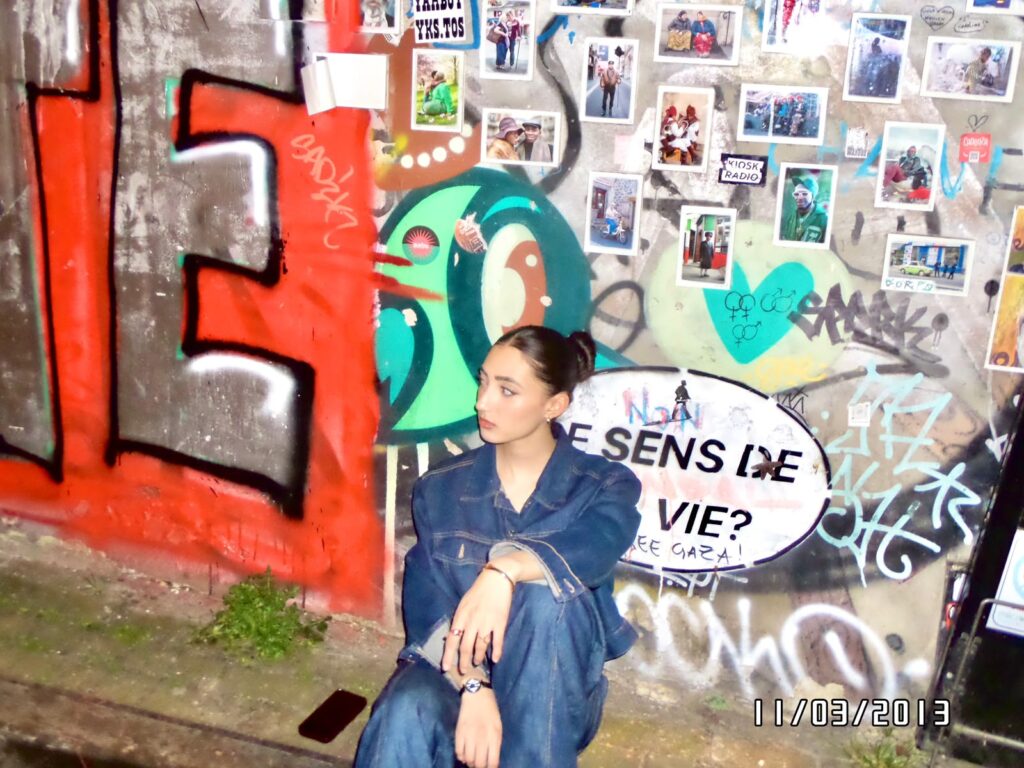
Her latest EP, “METANOIA,” marks a particularly personal chapter in that journey. Created alongside Natas, the project came at a time when both artists were questioning their identities and how they wanted to express themselves.
“Musically, I was at a point where I hadn’t quite figured out who I was as an artist. I didn’t know which genre suited me, what direction I wanted to take, or whether I even needed to settle on one particular sound,” she recalled.
Rather than force herself into a category, Errazaki began questioning why she needed one in the first place. She saw the same pressure in everyday life, where people often grow up with expectations about “who we should be, how we should behave, and where we should fit in.”
That became the heart of “METANOIA”: a process of moving away from the version of yourself that tries to please everyone and getting closer to the person you actually want to be.
Exploring new sounds without losing herself
Of course, giving yourself the freedom to experiment does not mean every new sound comes naturally. For Errazaki, “METANOIA” pushed her into musical territory she had never imagined exploring herself.
While she listens to a wide range of styles, from sexy drill and new jazz to new wave, she realized that enjoying a genre as a listener is one thing. Creating music within it is another.
“What surprised me most was that I could explore those genres without feeling like I was losing my identity as an artist,” she said.
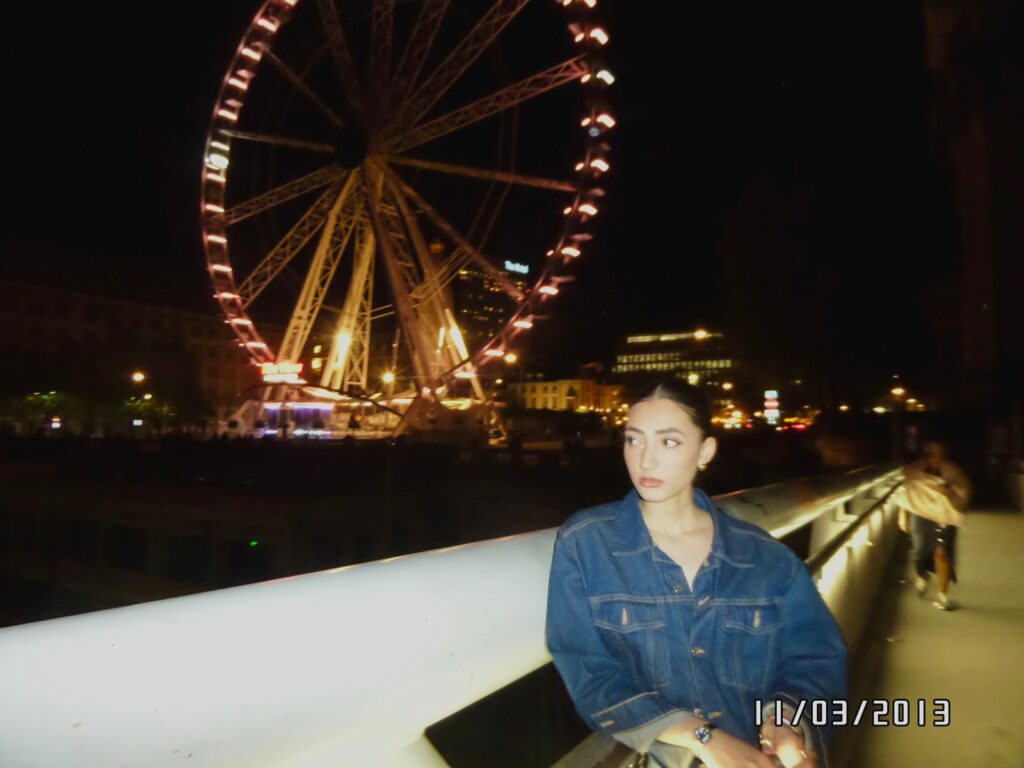
The challenge was to experiment without borrowing someone else’s artistic signature. Errazaki wanted to understand what each sound could bring to her music without turning herself into a copy of artists who had already made those genres their own.
And that freedom also changed the way she approaches songwriting. Rather than starting with a story or a particular emotion, she usually lets the sound lead the way.
“For me, it usually starts with the sound. I think I need to connect with a beat before I can really know what I want to express through it,” she explained.
A beat can take her somewhere unexpected, shape an emotion, or even introduce her to a side of herself she had not explored before. That is also why she believes beatmakers deserve more investment and support. A great producer, she said, can open up musical directions an artist might never have discovered alone.
The experience has left her curious about what else she can do. She hopes to experiment further with rap, classical influences, and softer sounds, even if those directions did not all find their way onto “METANOIA.”
Getting to know the artist behind the music
For anyone discovering Errazaki’s music for the first time, she recommends starting with “Golden Honey.” She considers it a good introduction to her artistry, particularly because she put so much care into getting every aspect of the song right while still making it relatable.
But there is another track she would choose for listeners who want to get a little closer to the person behind the music.
“Locked In” came from a particularly raw and personal place. Errazaki remembers feeling overwhelmed by the emotions behind it, and she still returns to the song whenever she feels discouraged or loses her sense of direction. It reminds her to stay focused on what she wants to build.
That determination says a lot about an artist whose journey has not always felt easy. Behind the finished songs, Errazaki says, lies a long series of doubts and moments when she considered leaving music behind altogether.
“I’ve tried to quit music many times,” she admitted, explaining that pressure from society and people around her sometimes made a more conventional career path seem like the easier choice.
Still, the support she received from those close to her, alongside her own respect for what she had built, kept pulling her back to music.
Perhaps that persistence is another part of her artistic identity that listeners cannot immediately hear. Errazaki may still have plenty of sounds to explore, but one thing seems clear: she does not intend to give herself a musical label just to meet other people’s expectations or follow a direction she never chose for herself.
Read Also: Malika La Bendita Breaks the Cycle With ‘Rompe El Ciclo’