

Fez — Can you feel nostalgic for a summer you never experienced? Can a family photograph preserve a memory even when the faces have faded? And what happens when a stranger’s recollection feels strangely familiar?
These questions shape “Summer Remains,” a group exhibition curated by Yasmin Sarnefors at OFF Record in Marrakech’s Sidi Ghanem district.
Running from October 29 to November 29, the exhibition brings together seven artists: Houda Terjuman, Idries Karnachi, Margaux Derhy, Zineb Bouchra, Sofia Chaoui, Mohamed Mouhieddine, and Yasmine Laraqui.
Through painting, photography, sculpture, embroidery, cyanotype, and collage, they explore what remains of the past and how memories change with time.
For Sarnefors, who has lived between Morocco, France, and Brazil, the subject is deeply personal.
“Having grown up between different cultures and lived in different countries, I sometimes feel like I’ve lived several lives in one,” she told Lifestyle Magazine in an exclusive statement.
“Each place, each person I’ve met, each chapter of my life has left something with me. And the way I remember those moments continues to change as I do.”
The summers we remember
Some of the exhibition’s works revisit the familiar atmosphere of summer through photographs and domestic scenes.
Born in Agadir in 2001 and trained at the National Institute of Fine Arts in Tetouan, Zineb Bouchra presents two series exploring the season from different perspectives.
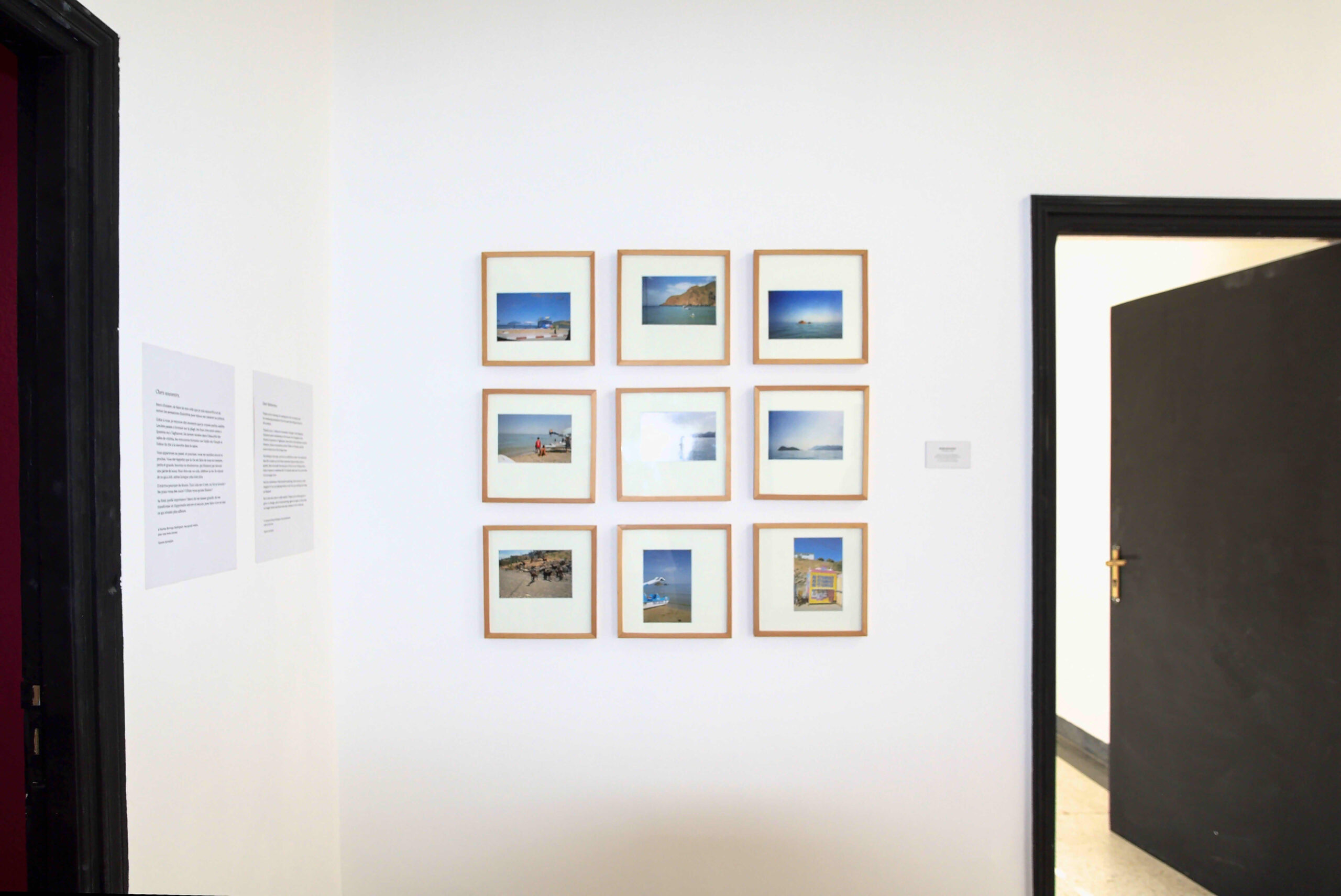
The first features photographs taken with a disposable camera during her most recent trip, presented as postcards.
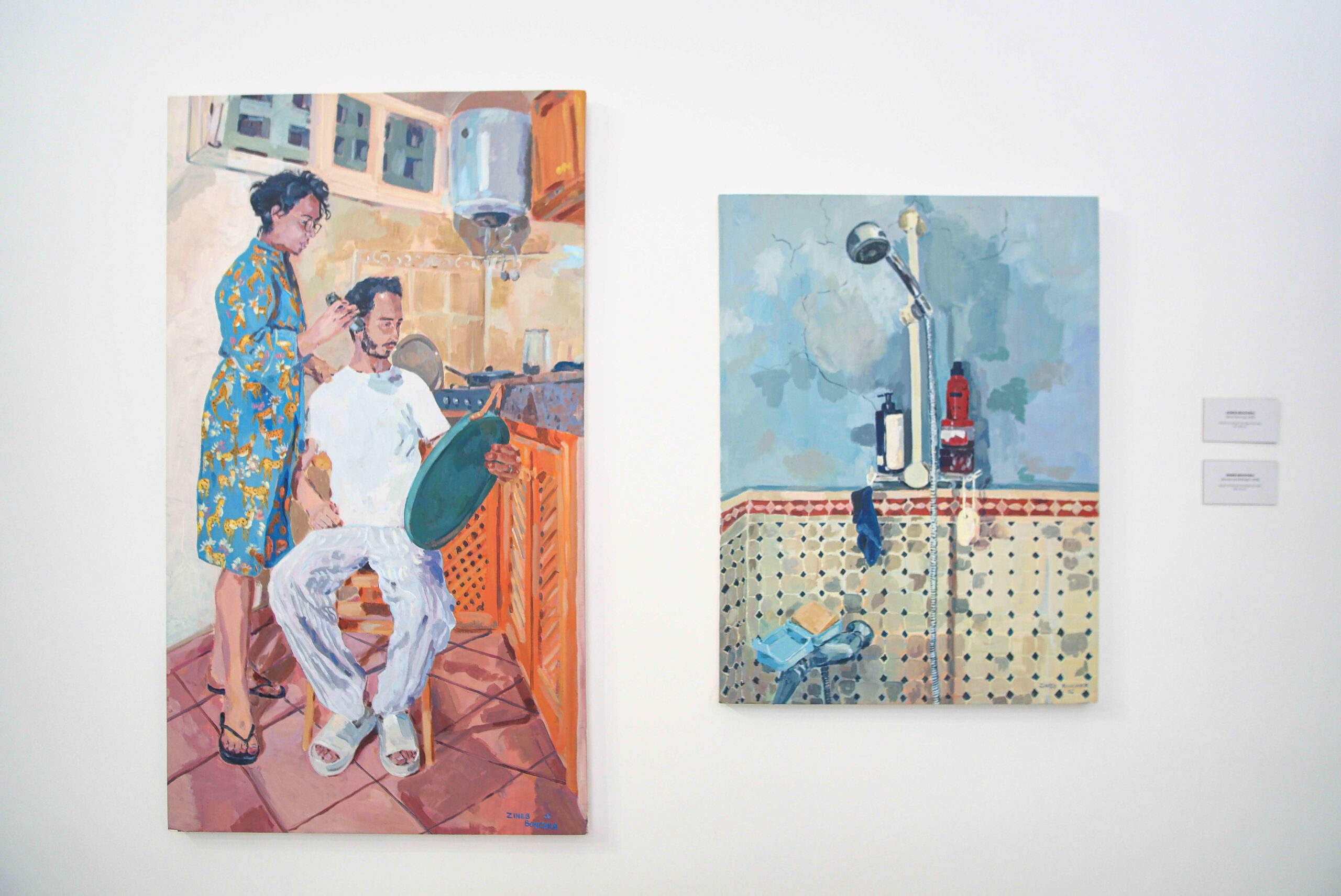
The second captures everyday domestic moments through painting: long afternoons, familiar gestures, and rooms where time appears to stand still.
Her painting “Kitchen by Midnight” (2026) reflects this interest in ordinary scenes that acquire meaning through memory.
For Sofia Chaoui, a self-taught French artist of Moroccan and Chilean descent based in Marrakech, memory takes shape through experimental photographic techniques.
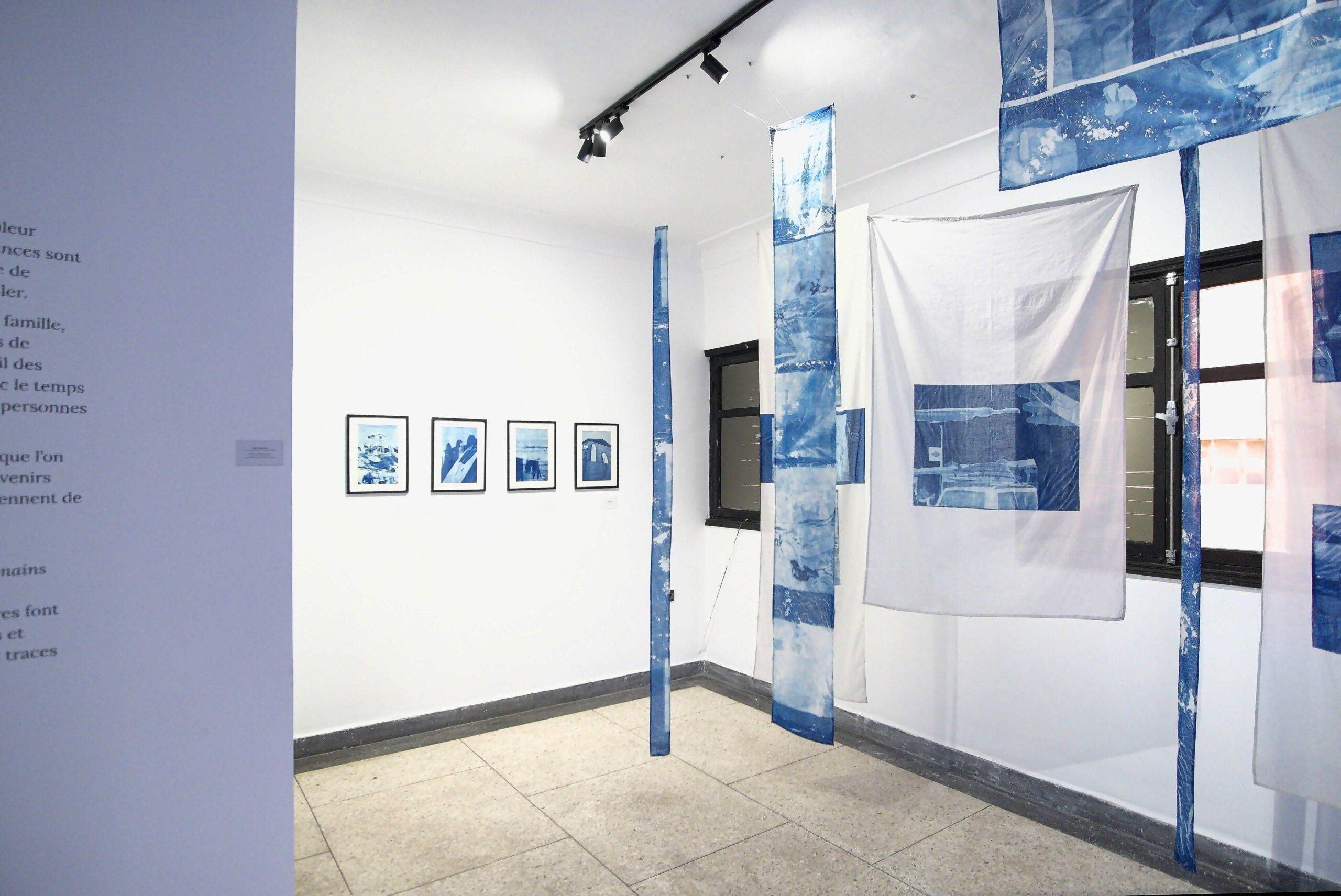
Her practice includes cyanotype and anthotype, processes in which light, time, and chance influence the final image.
For “Summer Remains,” she presents cyanotypes and a textile installation, exploring the unpredictable relationship between an image and the process that produces it.
Yasmine Laraqui, meanwhile, turns to her family’s analog photographs.
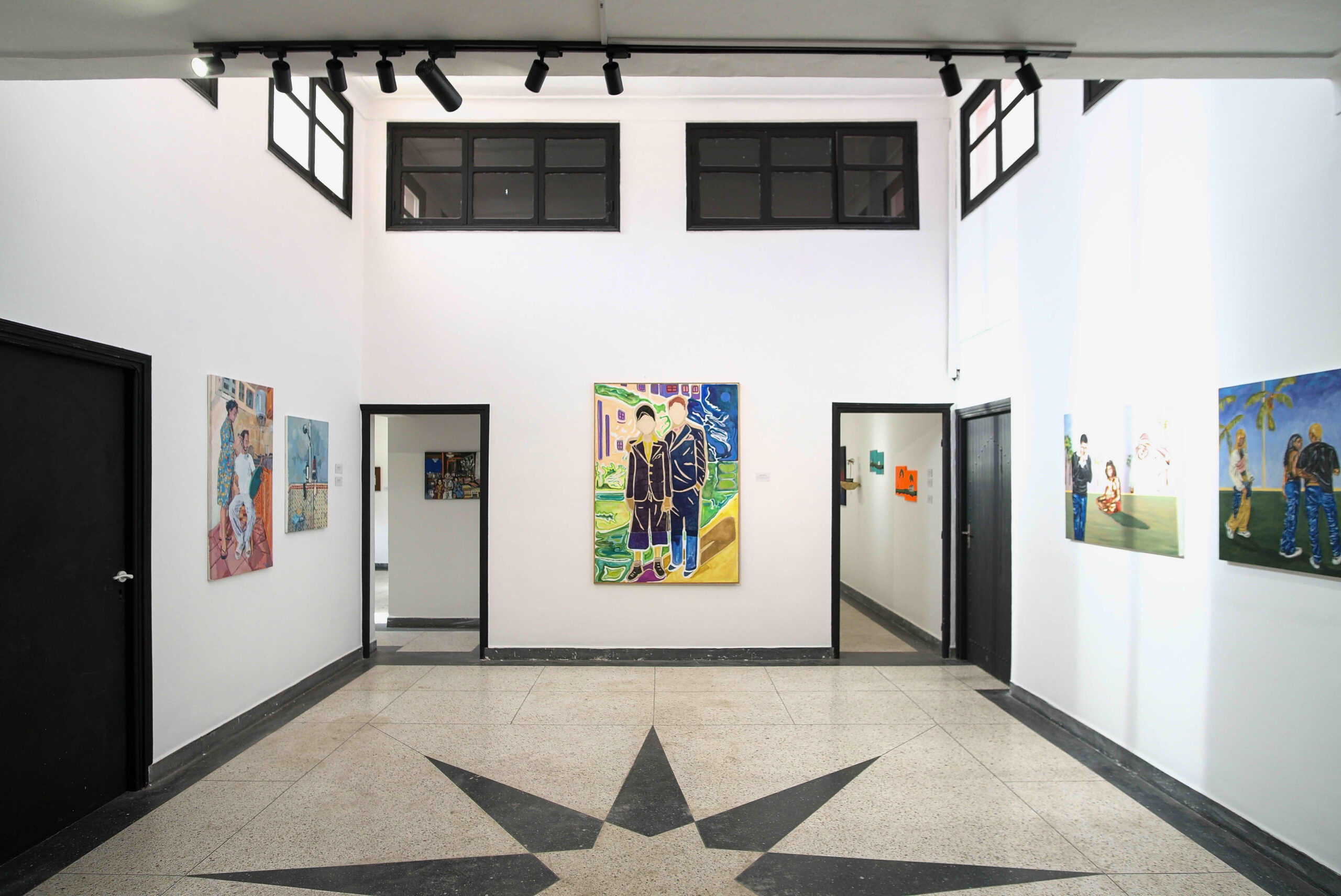
Her source images capture swimming pools, beach gatherings, and evenings spent together. In her paintings, she preserves their compositions while blurring faces and dissolving outlines.
Colors remain vivid even as personal details become difficult to distinguish.
The result raises a question at the heart of the exhibition: how much of the past do photographs actually preserve?
Family archives, displacement, and belonging
For other participating artists, memory is closely connected to migration and inherited family histories.
Margaux Derhy, who divides her time between Paris and Massa in southern Morocco, draws on photographs from her father’s family, who left Morocco in 1967.
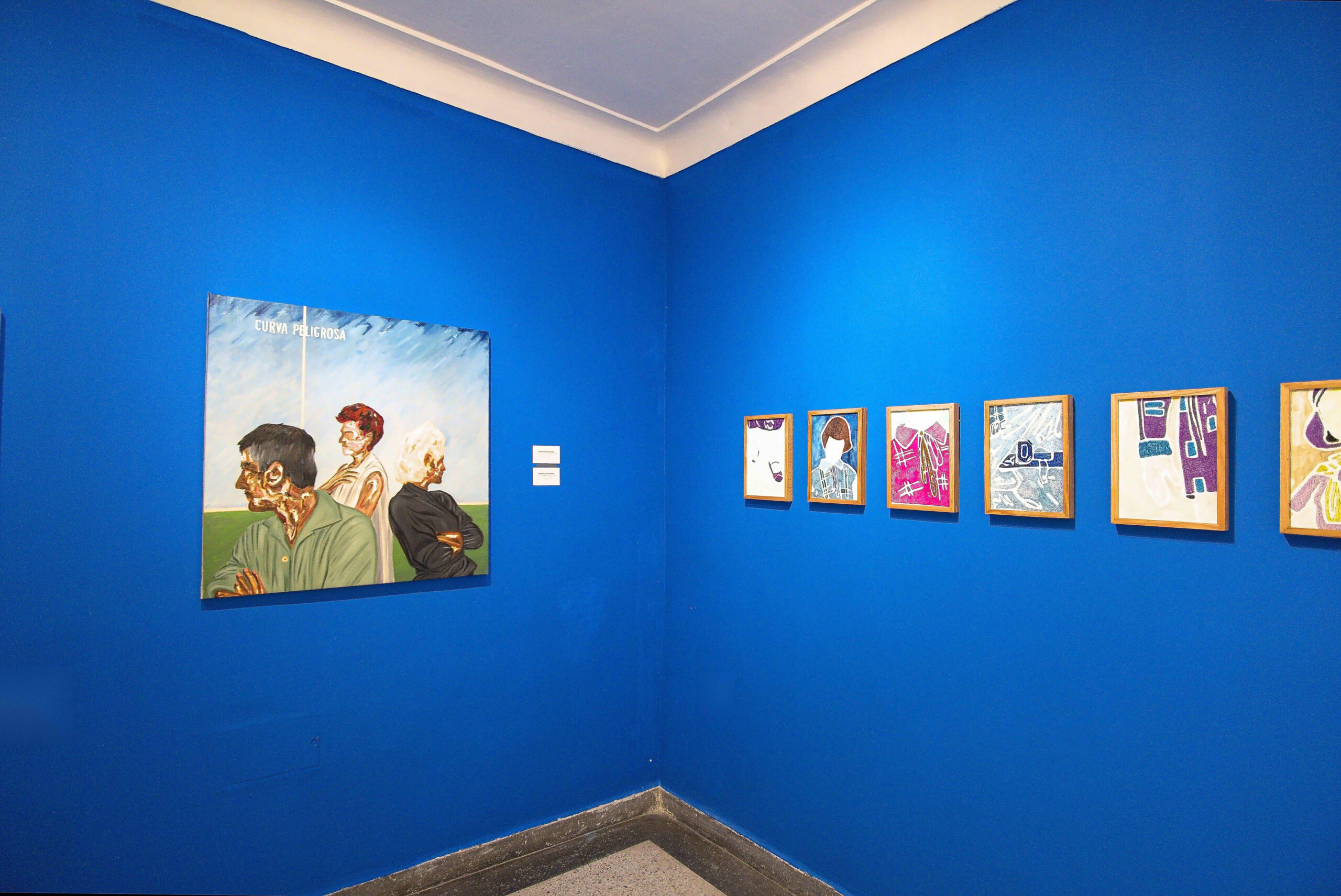
Combining painting and embroidery, she revisits these archives to explore what displacement and the passage of time have obscured.
Her work “Deux garçons en costume” (Two Boys in Suits, 2025) brings watercolor and hand embroidery together, transforming a family image into a contemporary artwork.
Houda Terjuman approaches belonging from another perspective.
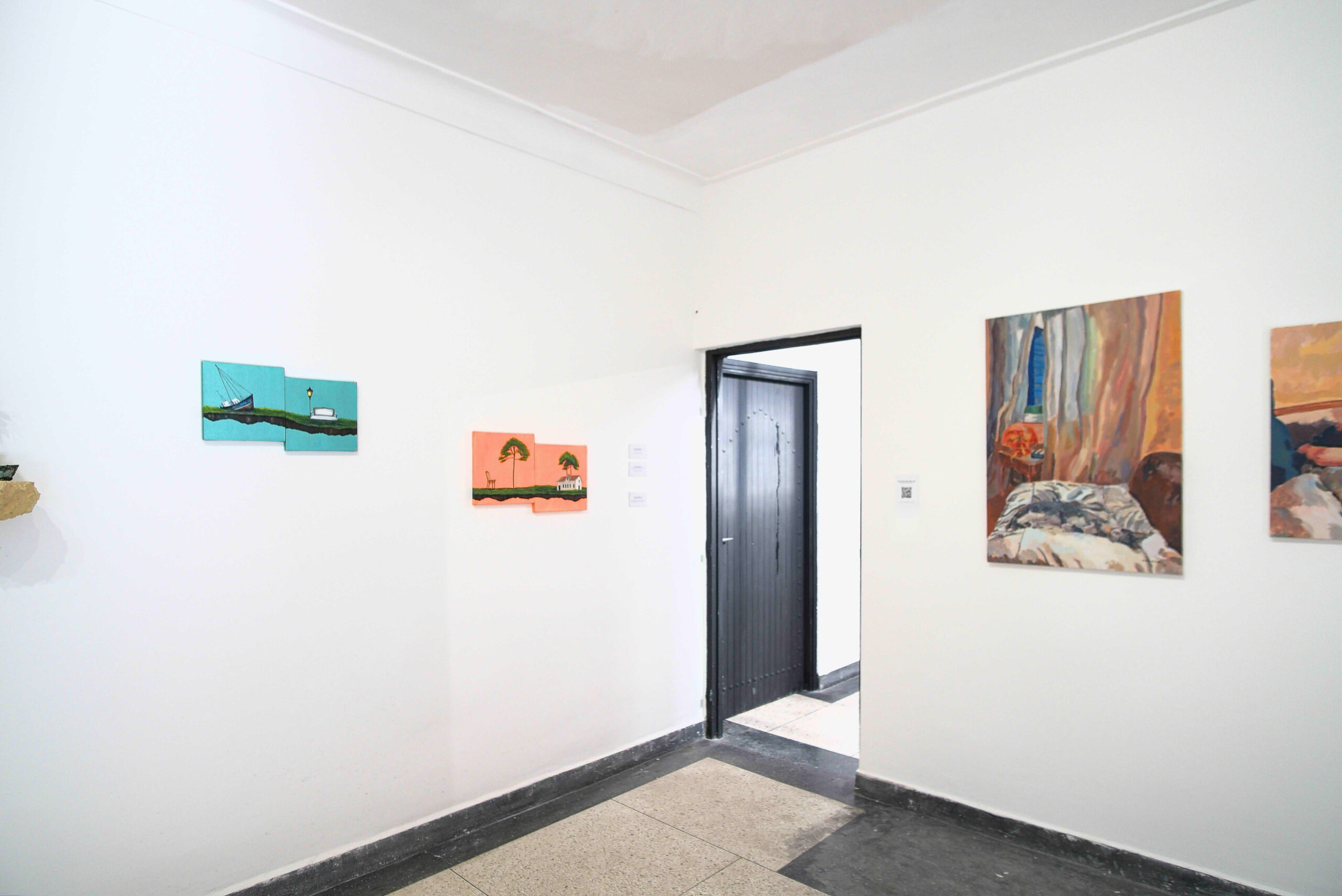
Born in Tangier to a Syrian father and Swiss mother, she draws on an identity shaped by multiple cultural connections.
Her paintings and sculptures frequently depict familiar objects resting on small, isolated pieces of land.
An empty chair can represent what someone has left behind, while a solitary boat suggests the possibility of hope.
These objects become symbols of distance, remembrance, and the enduring connection to one’s origins.
Mohamed Mouhieddine, born in Casablanca in 1991 and living between Marrakech and Canada, explores the emotional consequences of displacement.
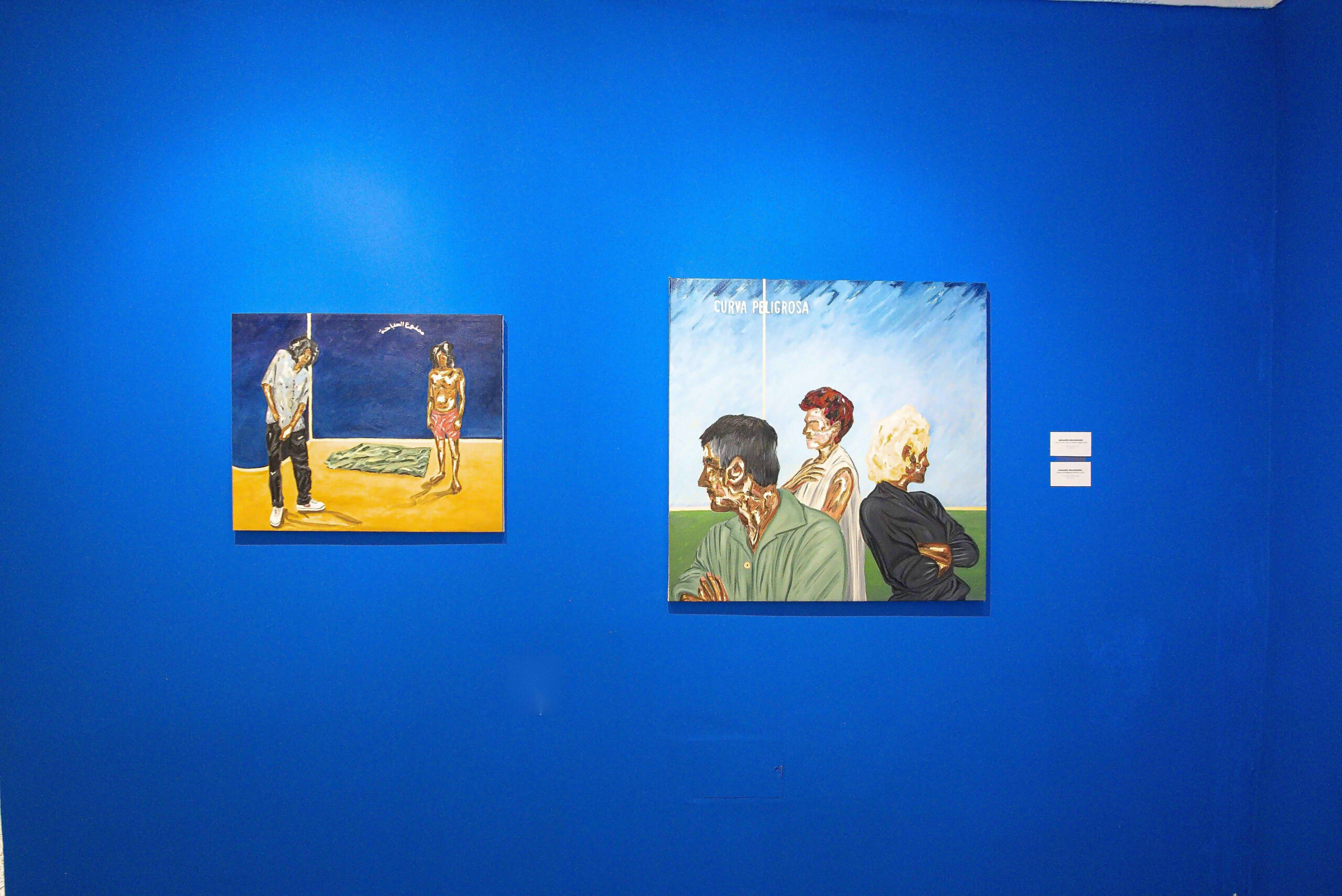
His paintings place faceless figures within carefully constructed spaces, suggesting a shared experience of solitude.
Rather than depicting migration itself, Mouhieddine concentrates on what follows: unresolved memories, emotional tensions, and the continuing effort to rebuild a sense of belonging.
Memories of a journey that never happened
Perhaps the exhibition’s most playful challenge to the idea of memory comes from Idries Karnachi.
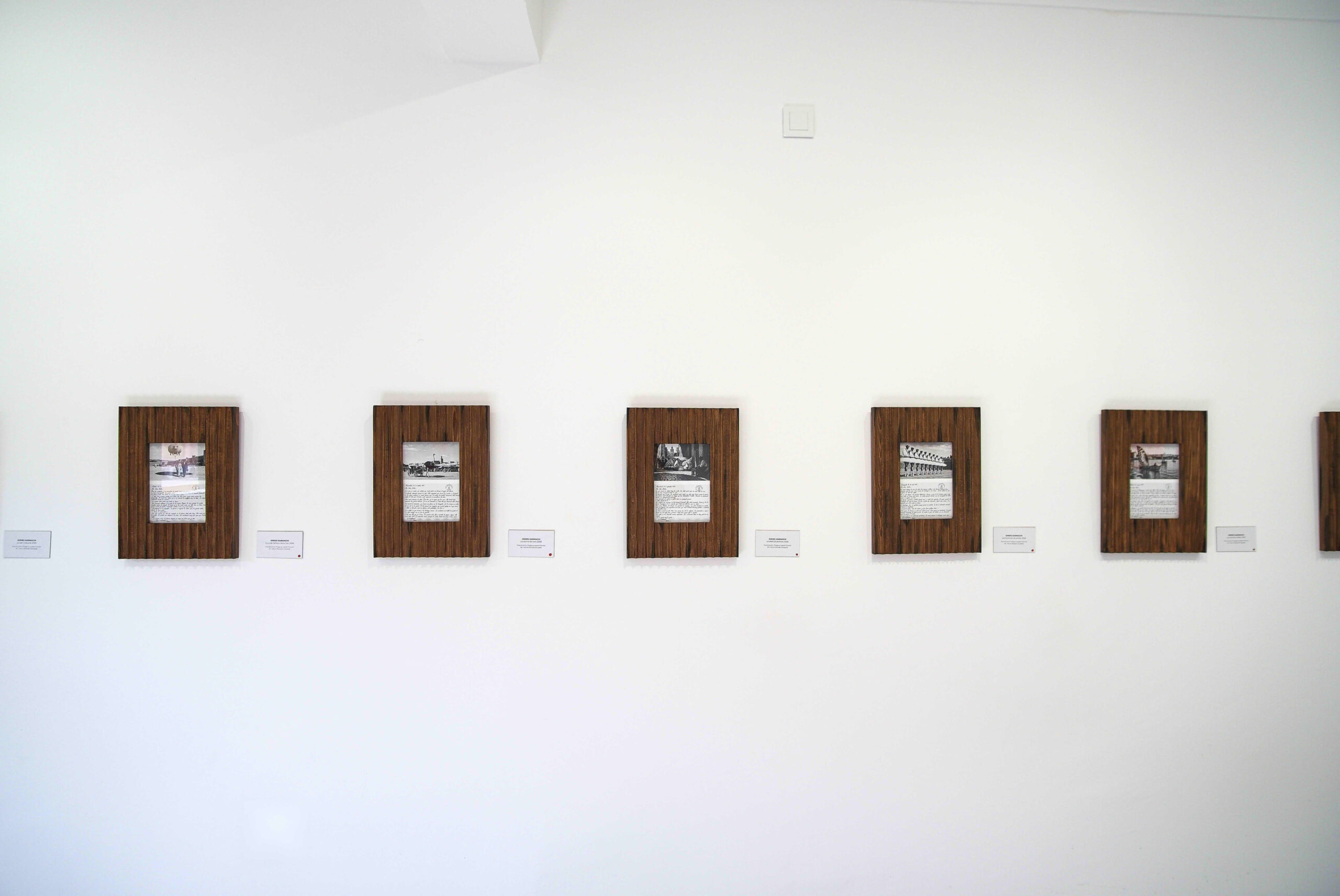
In his series “Des souvenirs que je n’ai pas vécus” (“Memories I Never Lived”), Karnachi invents traces of a journey that never occurred.
He places impossible events within recognizable Moroccan settings, including Oualidia’s lagoon, Essaouira’s ramparts, and a café in Tangier.
Each collage is accompanied by a handwritten postcard addressed to someone named Aïcha and dated 1933.
The combination of familiar locations, fictional events, and historical presentation creates the impression of memories recovered from another lifetime.
His work asks whether nostalgia requires a real experience, or whether imagination can produce an equally powerful attachment to the past.
For Sarnefors, this uncertainty is central to the exhibition.
“With Summer Remains, I wanted to explore that space between what we’ve lived, what we remember, and what we imagine,” she explained.
When someone else’s memory becomes your own
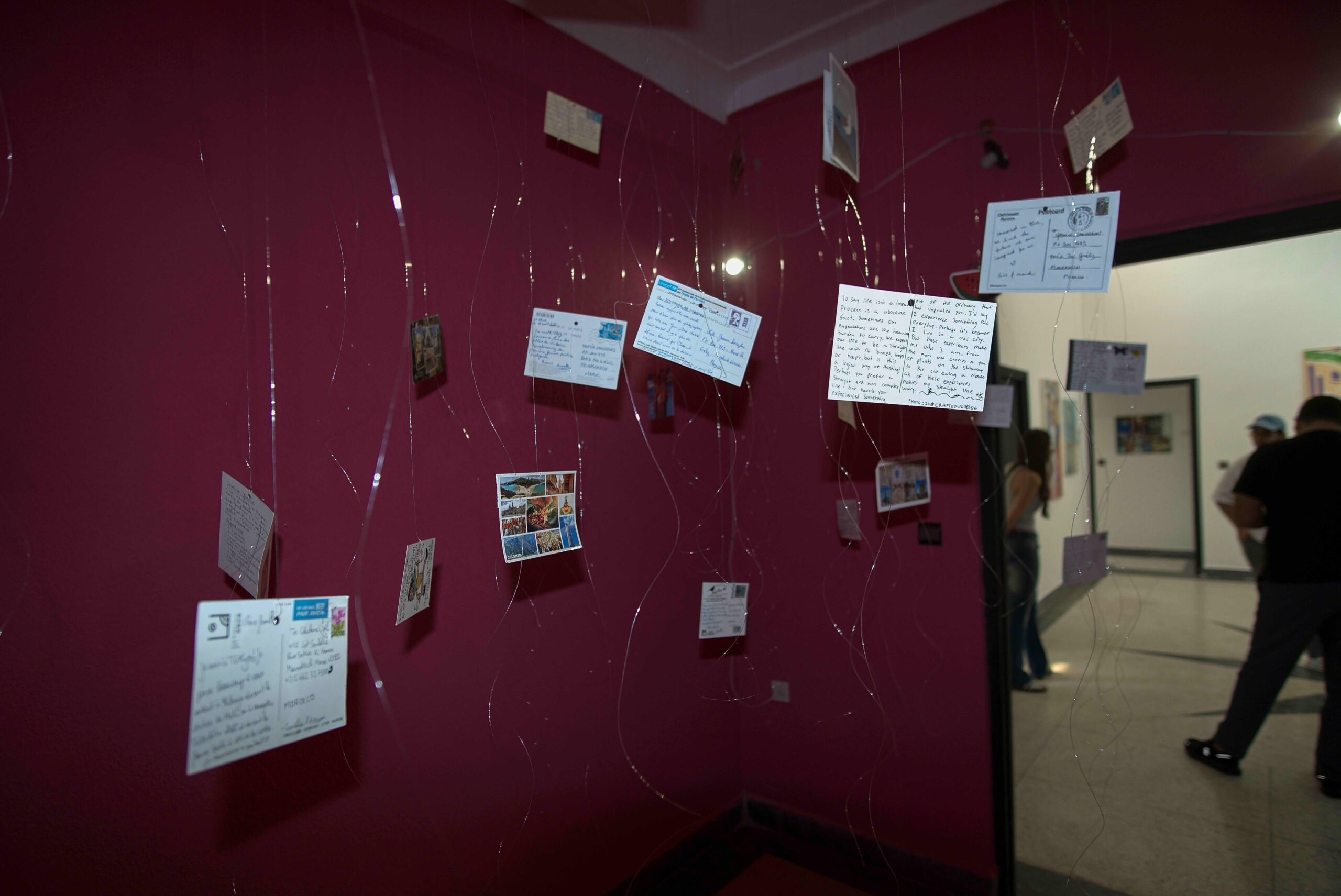
Beyond the seven artists’ works, Sarnefors contributes a participatory installation titled “Wish you were here.”
Through an open call, people from different parts of the world were invited to share a summer memory in the form of a postcard.
The collected postcards hang from transparent nylon threads, forming a suspended constellation of individual experiences.
Each carries a personal story, but together they create something larger: a collective archive connecting people who may never have met.
“What interests me is how something deeply personal can speak to someone who has lived a completely different life,” Sarnefors said. “Sometimes, a memory that belongs to someone else can feel like your own.”
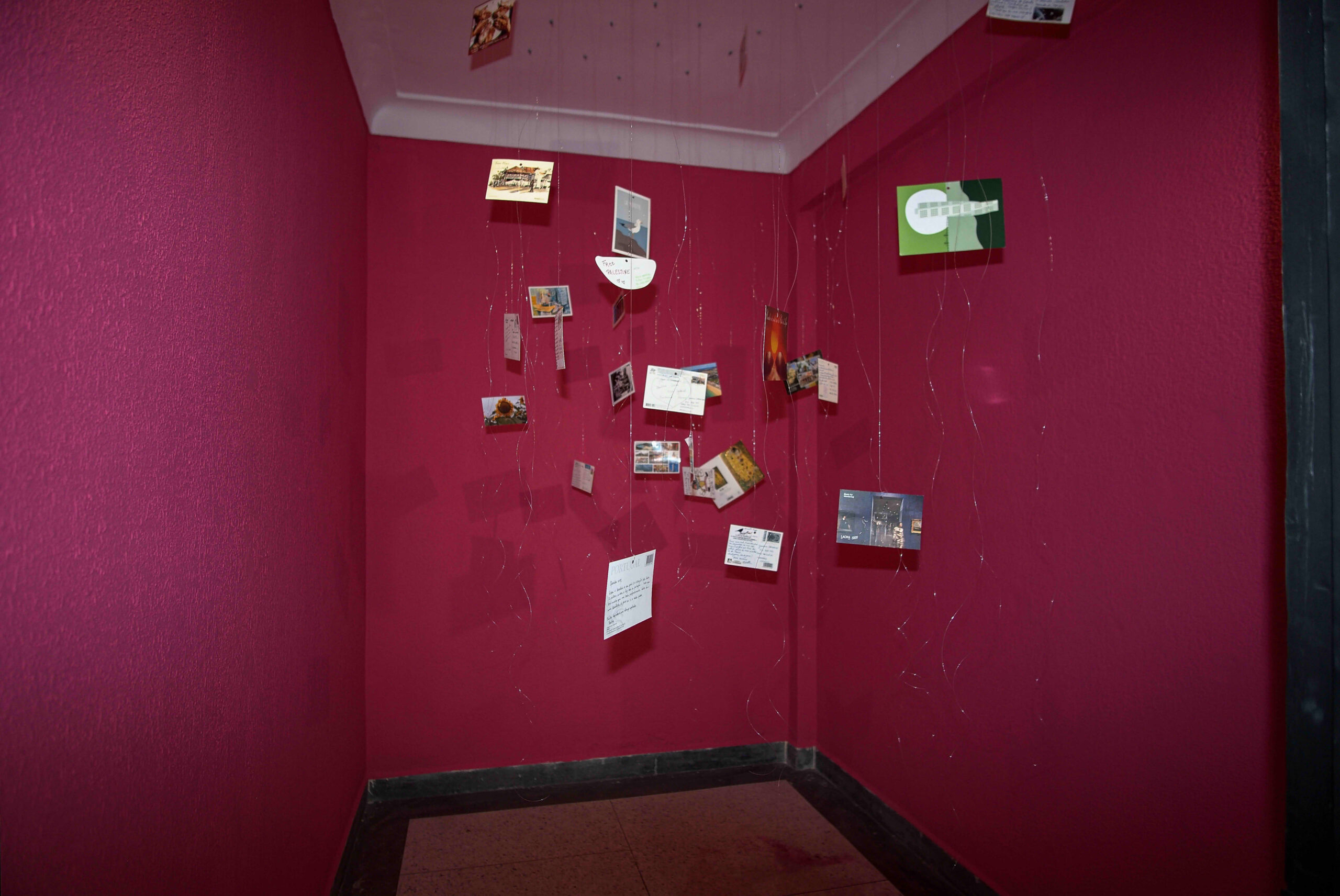
The installation transforms a familiar object of travel correspondence into a space for encounters between different lives, places, and generations.
It also reflects the approach of OFF Record, the curatorial and art consultancy initiative founded by Sarnefors, which transforms unconventional spaces into settings for artistic encounters and experimentation.
Nostalgia as a celebration of life
Despite its exploration of absence, separation, and the passage of time, “Summer Remains” does not treat nostalgia exclusively as a form of sadness.
For Sarnefors, remembering can also be an opportunity to appreciate experiences without wishing to relive them.
“I’ve never seen nostalgia as something purely sad,” she said. “There’s joy in looking back and realizing how much we’ve lived.”
That perspective connects the exhibition’s diverse practices.
Whether through embroidered family photographs, invented postcards, blurred summer portraits, or symbolic landscapes, the artists reveal how the past remains active in the present.
“Ultimately, I wanted Summer Remains to be a celebration of life, of everything we’ve experienced, everyone we’ve met, and all the different versions of ourselves we’ve been along the way,” Sarnefors said.
Visitors can discover “Summer Remains” at OFF Record, 498 Sidi Ghanem, Marrakech, through November 29.