

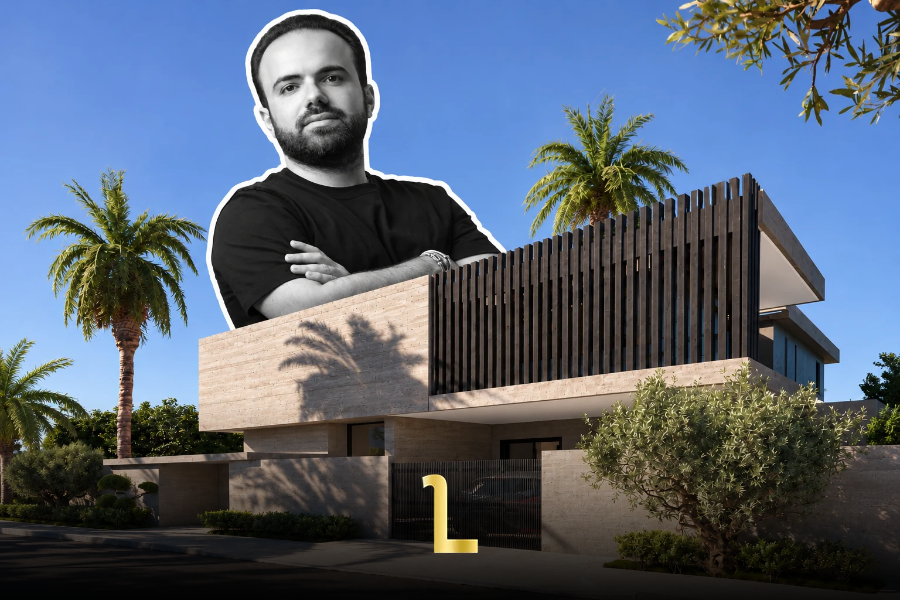
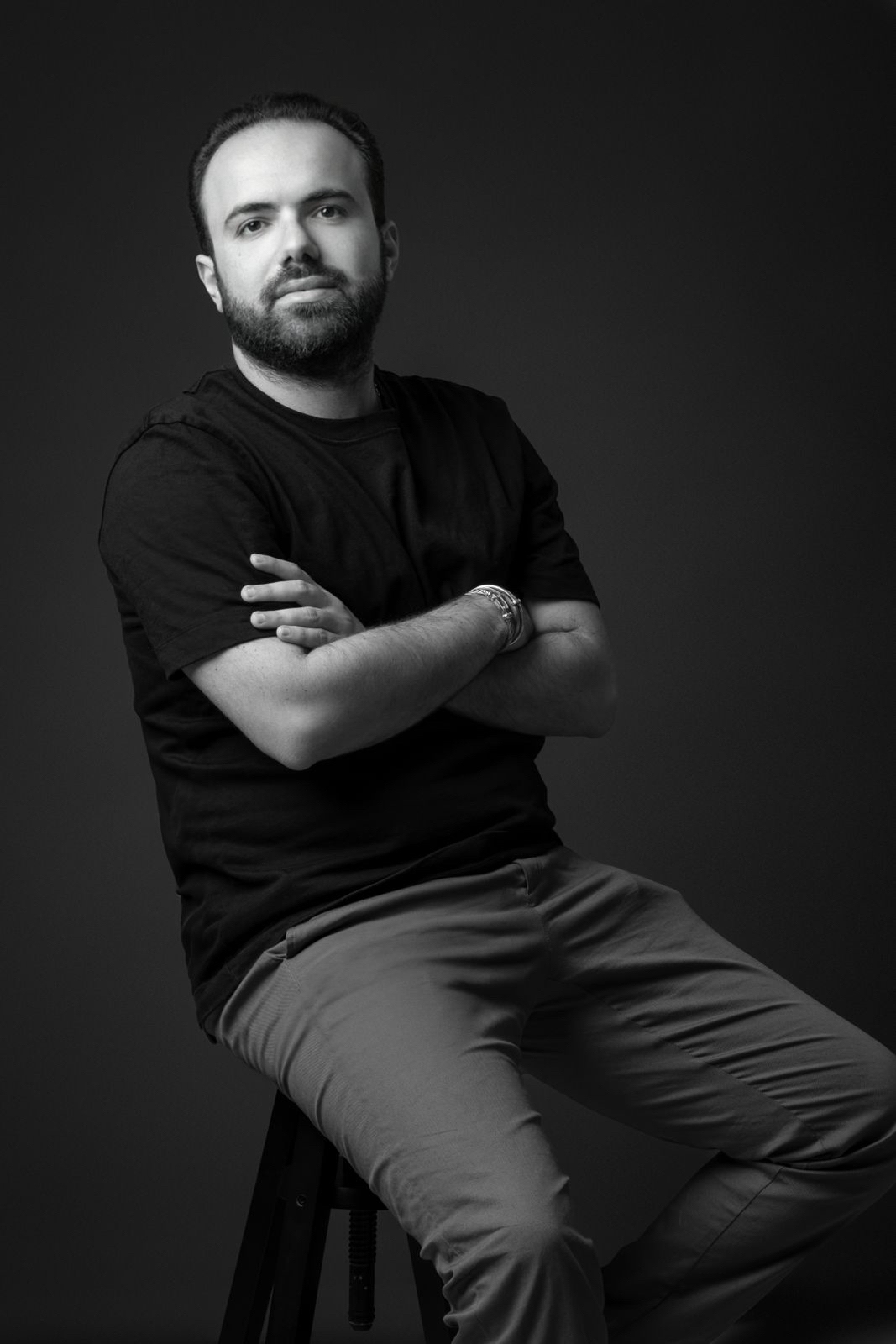
Fez — For Moroccan architect Soufiane Doukkali, there is something extraordinary about watching an empty plot of land become a place where people will eventually live, work, and create memories.
It is a transformation he has always found fascinating, as it brings together imagination, technical precision, and human relationships.
“I’ve always loved the world of construction sites, that magic of starting with bare land and gradually seeing a place, an atmosphere, come to life,” Doukkali told Lifestyle Magazine in an interview.
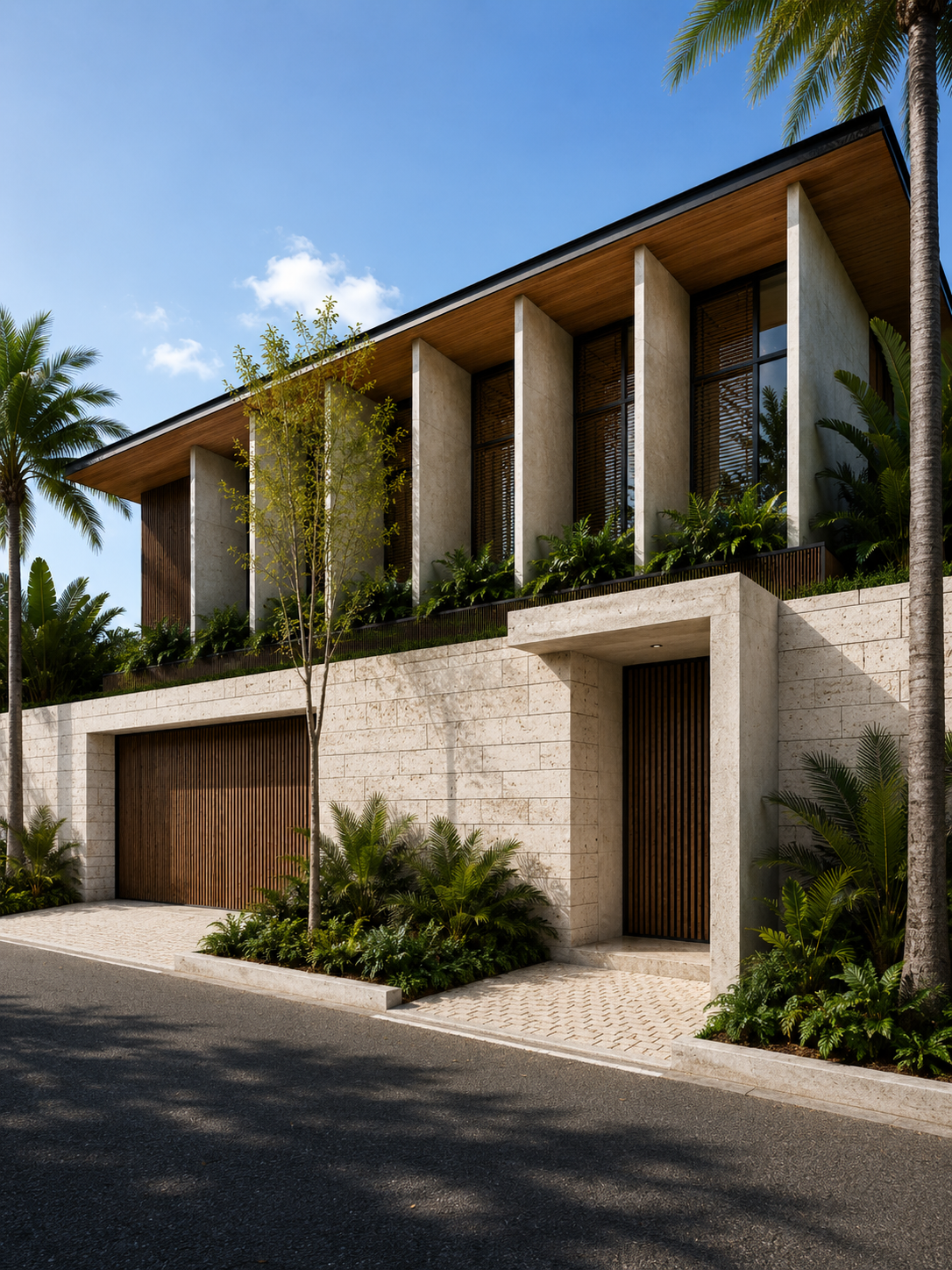
That fascination has shaped his career and the philosophy behind “Studio SD,” the architecture and interior design practice he established in Rabat in 2019.
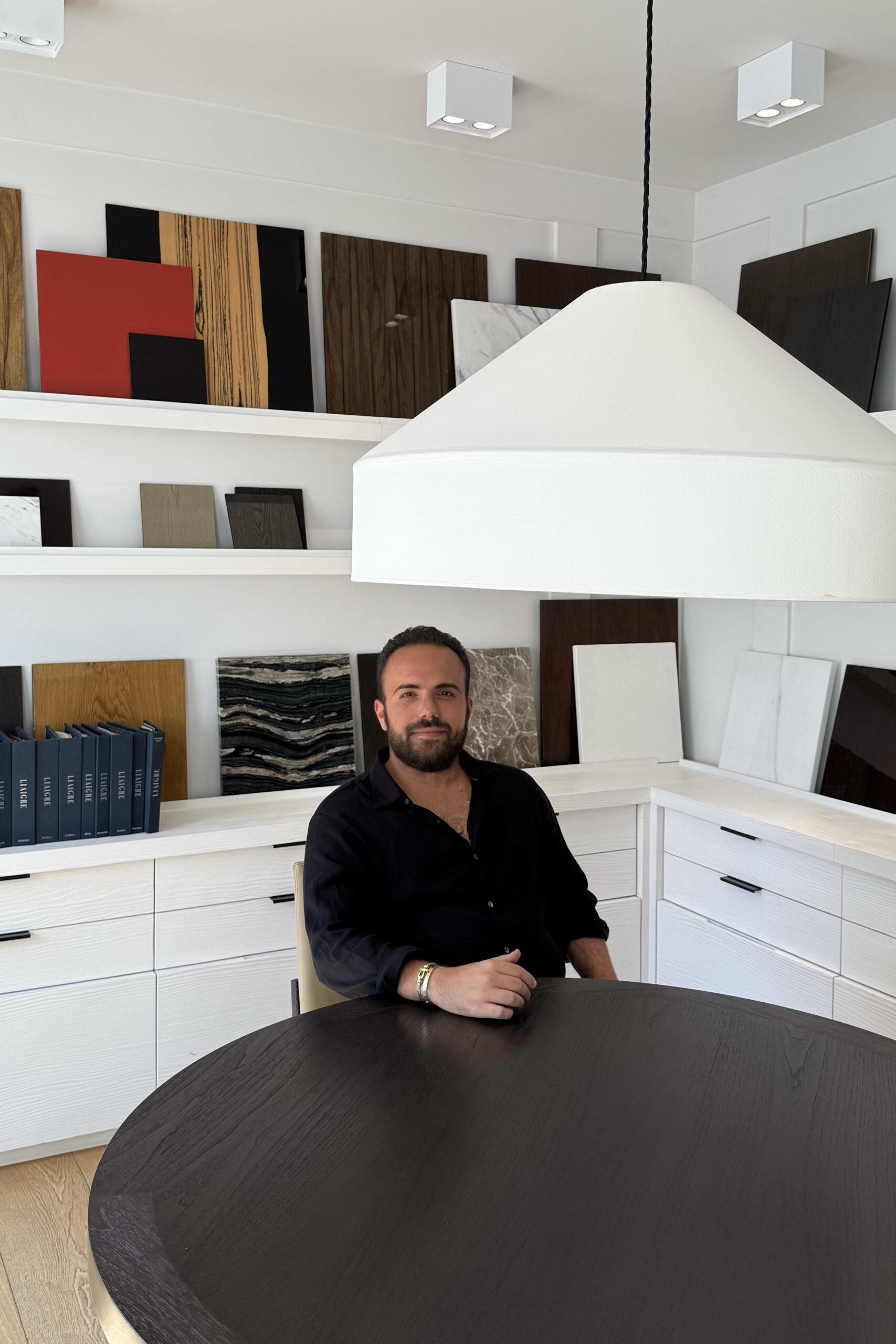
Operating between Morocco and Paris, the studio approaches architecture, interior design, and contemporary art as interconnected disciplines.
Its projects range from private residences to commercial spaces, with an emphasis on the relationship between buildings, their surroundings, and the people who inhabit them.
Architecture that frames the landscape
For Doukkali, a successful building does more than occupy a beautiful location. It should transform the experience of being there.
He is particularly drawn to villas offering panoramic views, where the surrounding landscape is an integral part of the architectural composition.
“I love designing villas that highlight exceptional views, where architecture enters into a dialogue with the landscape,” he explained. “For me, every opening should offer a unique perspective and enrich the experience of the space.”
This attention to perspective reflects Doukkali’s admiration for two influential twentieth-century architects: Richard Neutra and Ricardo Legorreta.
Both challenged the architectural conventions of their time, developing distinctive approaches to form, light, and spatial experience.
“They created a genuine break with the codes of their era,” Doukkali said. “What inspires me in my projects in Morocco is that creative freedom and their ability to challenge conventions.”
His relationship with architectural history also extends into cinema.
In an earlier interview, Doukkali had recalled discovering Neutra’s celebrated Lovell House in Los Angeles through the film “L.A. Confidential.” The building subsequently inspired a villa he designed in Rabat.
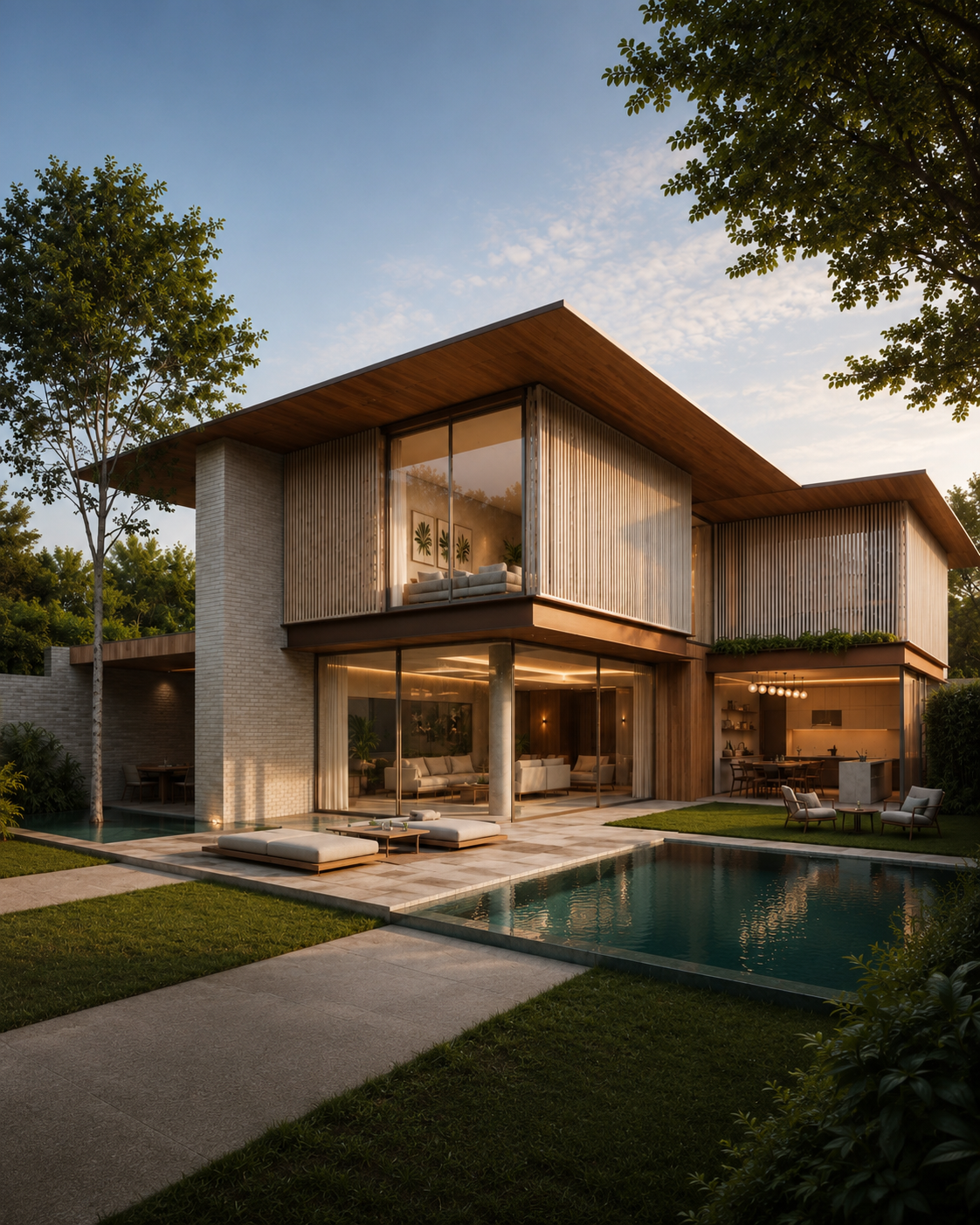
The experience illustrates how influences can travel between different artistic worlds before finding expression in architecture.
Giving Moroccan traditions a contemporary form
Although Doukkali admires international modernism, his work increasingly explores elements rooted in Morocco’s architectural heritage.
One of his studio’s emerging signatures is the use of largely closed exterior facades, combined with contemporary interpretations of the moucharabieh.
Traditionally, these decorative architectural screens provide privacy while allowing light and air to circulate.
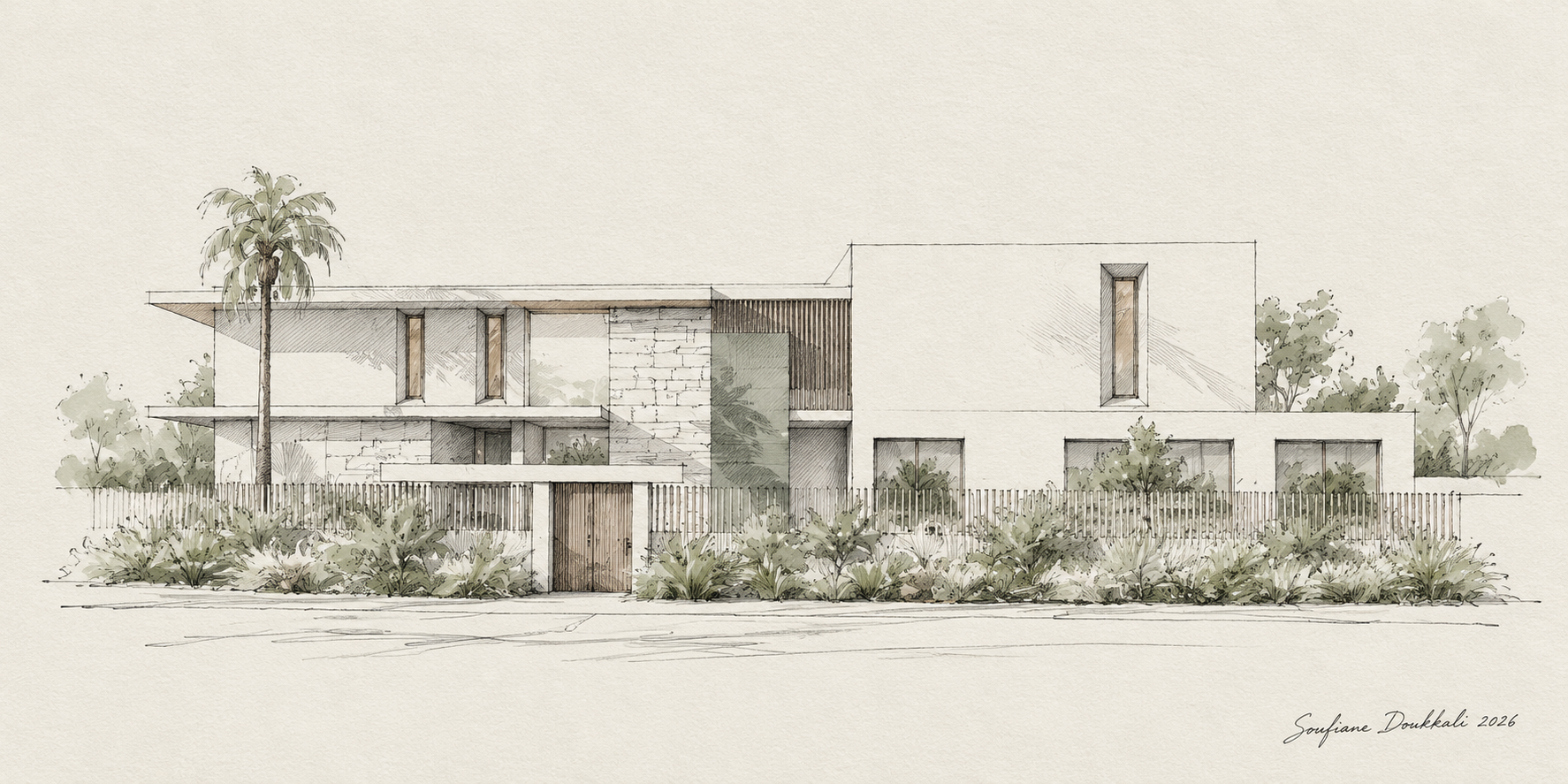
Doukkali sees opportunities to reinterpret their geometry and craftsmanship within modern buildings.
“We are exploring the moucharabieh in different forms, seeking to create a dialogue between tradition and modernity,” he explained.
For him, the objective is not simply to incorporate recognizable Moroccan details into contemporary designs.
It is to preserve the sensitivity, proportions, and attention to craftsmanship that gave these elements their original character.
This approach also creates an interesting contrast within his residential work.
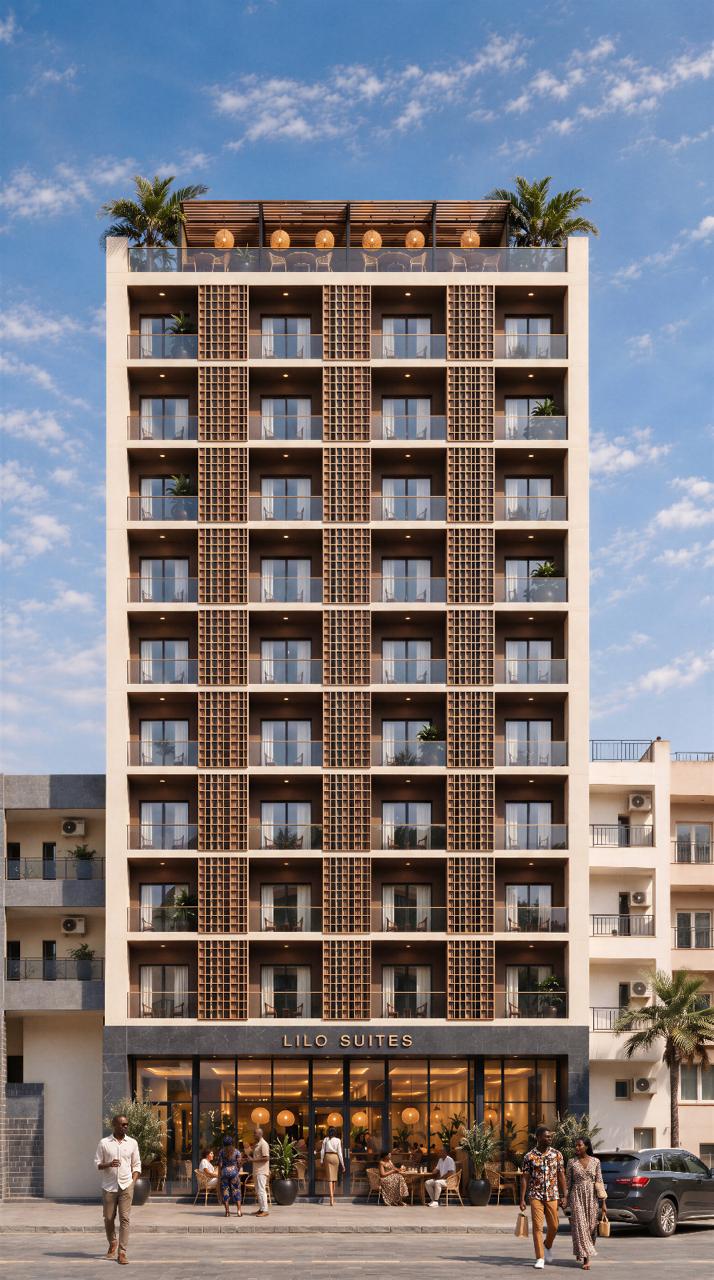
While some facades emphasize privacy and enclosure, interior spaces can open toward carefully selected views.
The relationship between what a building reveals and what it conceals becomes part of the architectural experience.
Designing around the people who use a space
Despite his interest in visual expression, Doukkali insists that the creative process begins with understanding the context of each project.
His team studies the location, the client’s expectations, and the lifestyle a building must accommodate before developing its design.
For commercial projects, another consideration becomes essential: how to create places that attract people and encourage them to spend time there.
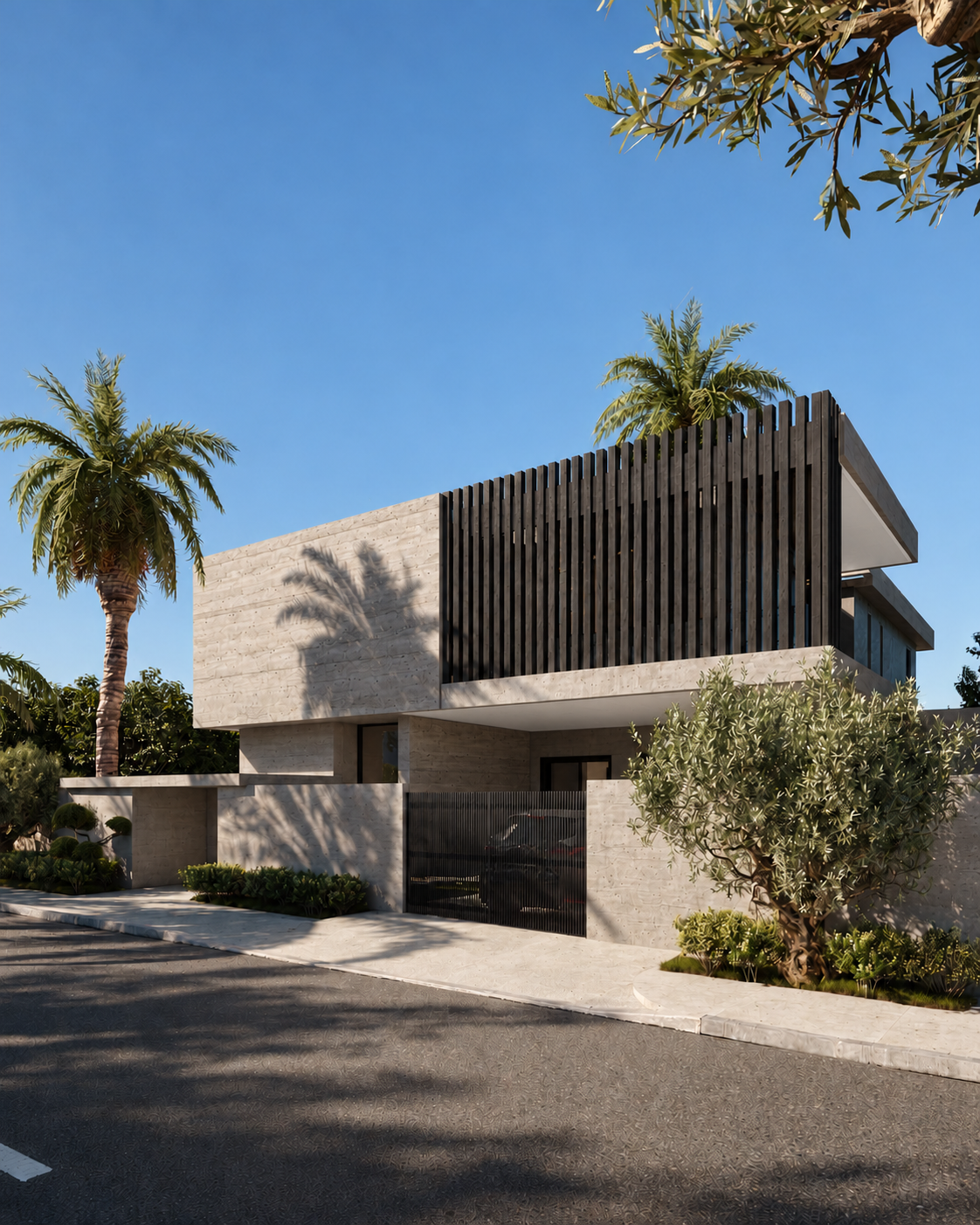
“Our objective is to create attractive spaces that people enjoy, that draw them in, and that help bring the place to life,” he said.
This philosophy connects the studio’s residential and commercial work through a shared concern for how architecture is experienced rather than merely observed.
It also provides a foundation for Doukkali’s next professional chapter.
A new ambition for hospitality in Africa
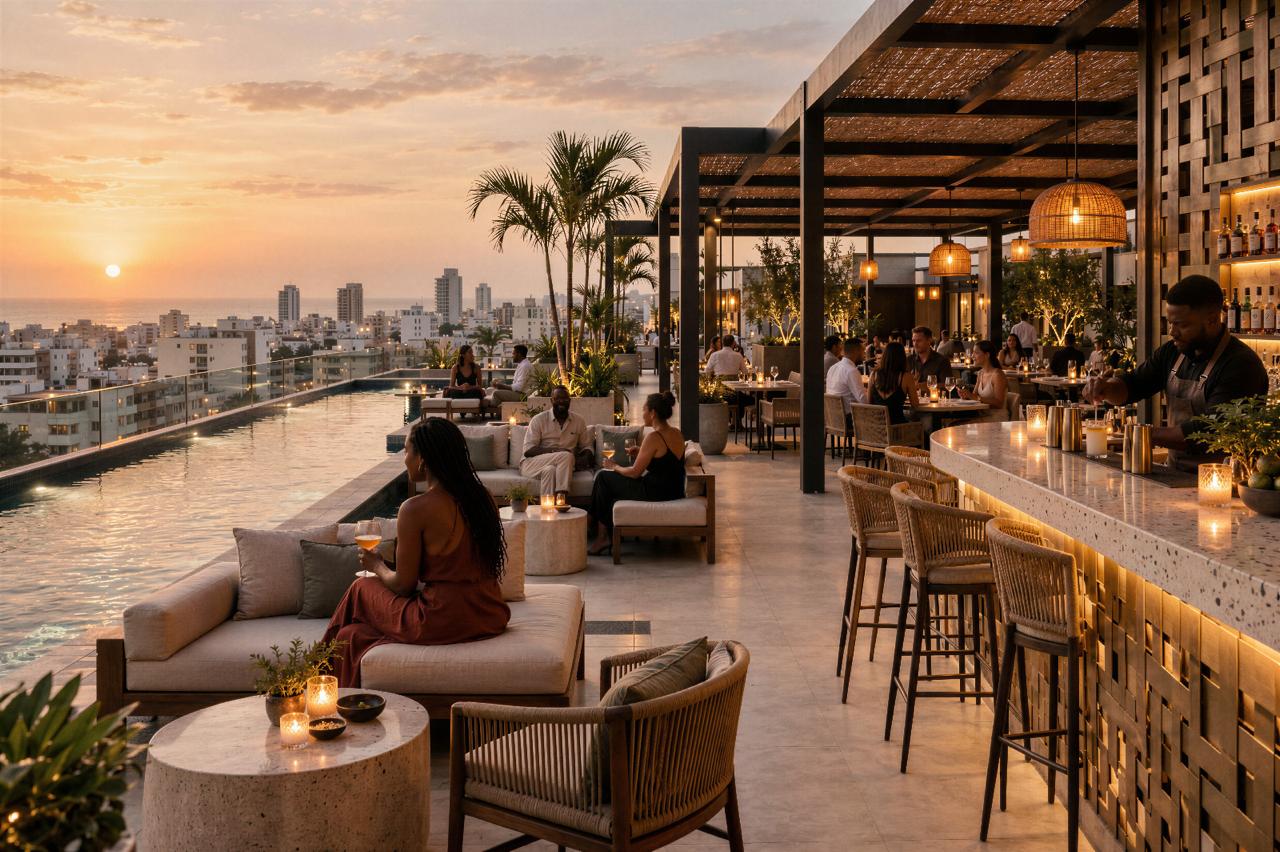
Alongside his work at “Studio SD,” Doukkali has joined “Aksis Hospitality Development,” a venture bringing together Moroccan and international expertise to develop hospitality projects.
He is the group’s architect and a member of its advisory board.
The collaboration aims to support ambitious hotel developments in Morocco and elsewhere in Africa, combining architectural design with wider hospitality expertise.
For Doukkali, the opportunity represents a natural extension of the principles he has developed since founding his practice.
It also connects his architectural ambitions with Morocco’s preparations for 2030, when the country will co-host the FIFA World Cup.
His involvement reflects a desire to contribute to the visibility of Moroccan architecture while participating in the development of the continent’s hospitality sector.
Yet as his professional responsibilities expand, the fascination that first drew him to architecture remains remarkably simple.
From a panoramic window framing the landscape to a moucharabieh filtering sunlight, every design decision contributes to the atmosphere of a place.
And for Doukkali, architecture finds its purpose not simply in creating impressive buildings, but also — and perhaps most importantly — in shaping the way people experience the spaces around them.