

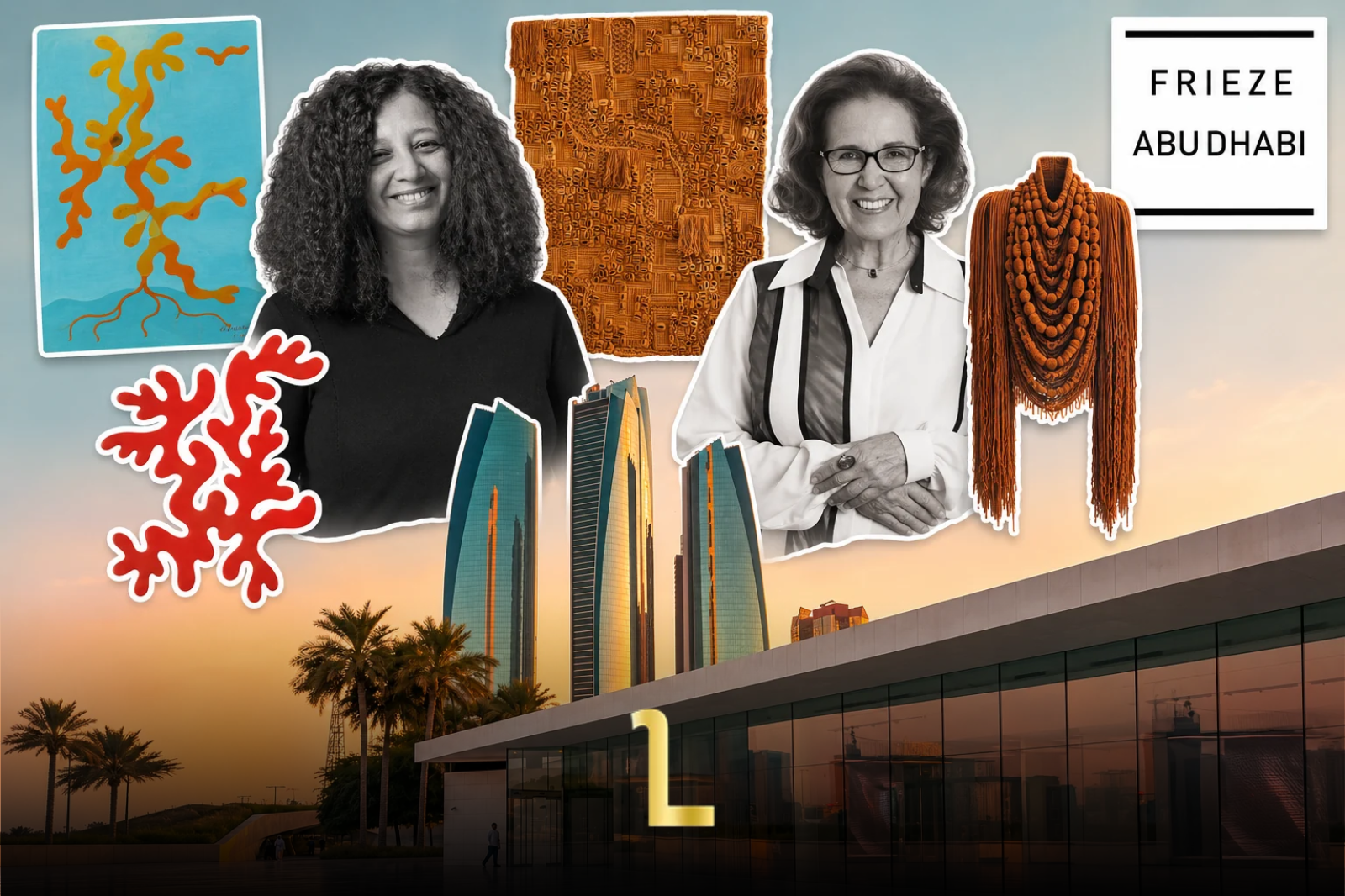
Fez — What happens when two generations of Moroccan artists, a mother and daughter, bring their distinct creative visions into the same space?
That’s the question at the heart of “Transmission,” an exhibition bringing together Moroccan artists Malika Agueznay and her daughter Amina Agueznay at the inaugural Frieze Abu Dhabi art fair.
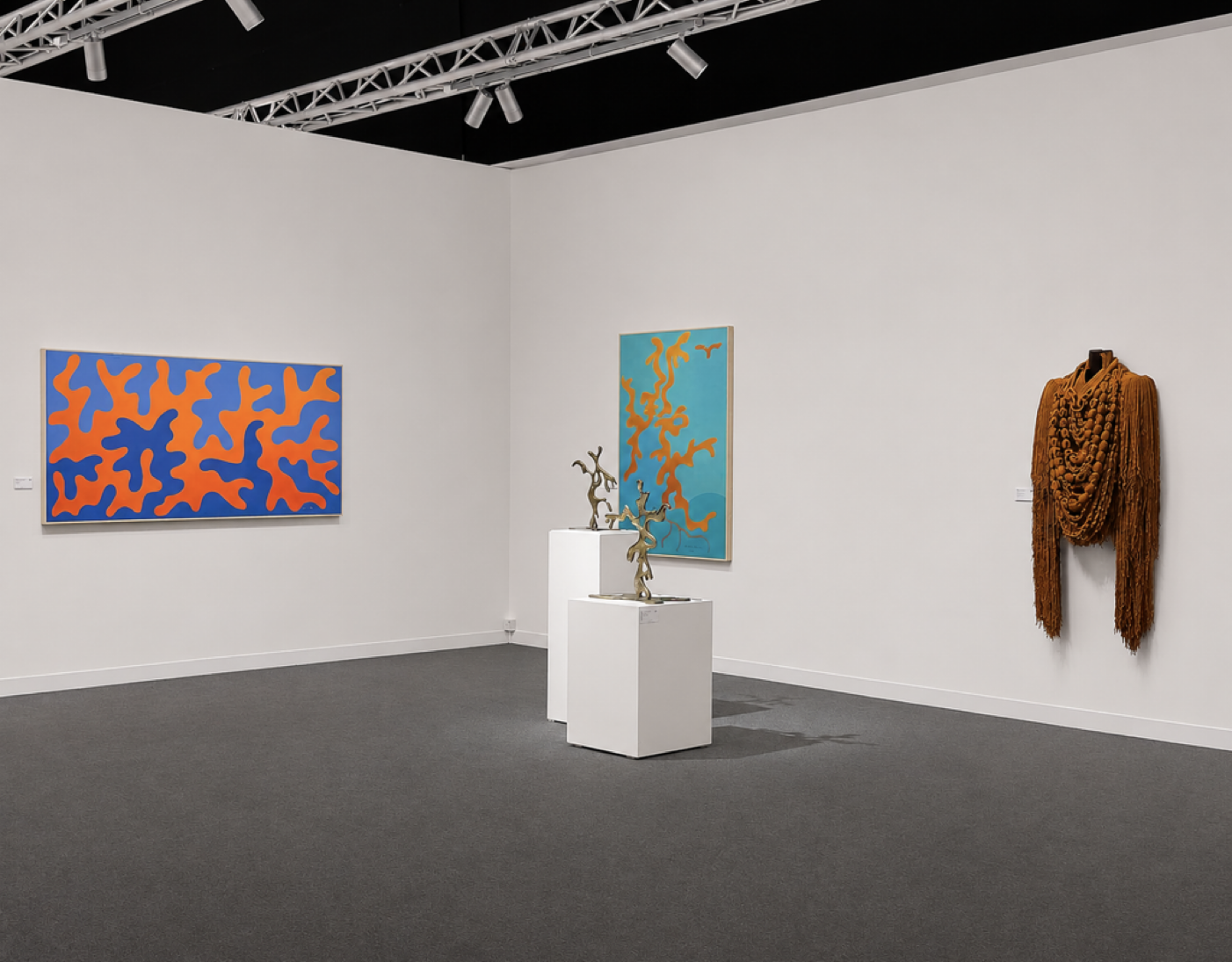
Presented by Morocco’s Loft Art Gallery, the exhibition runs from November 19 to 22 at Manarat Al Saadiyat, featuring seven artworks that explore the relationship between artistic heritage, craftsmanship, and contemporary expression.
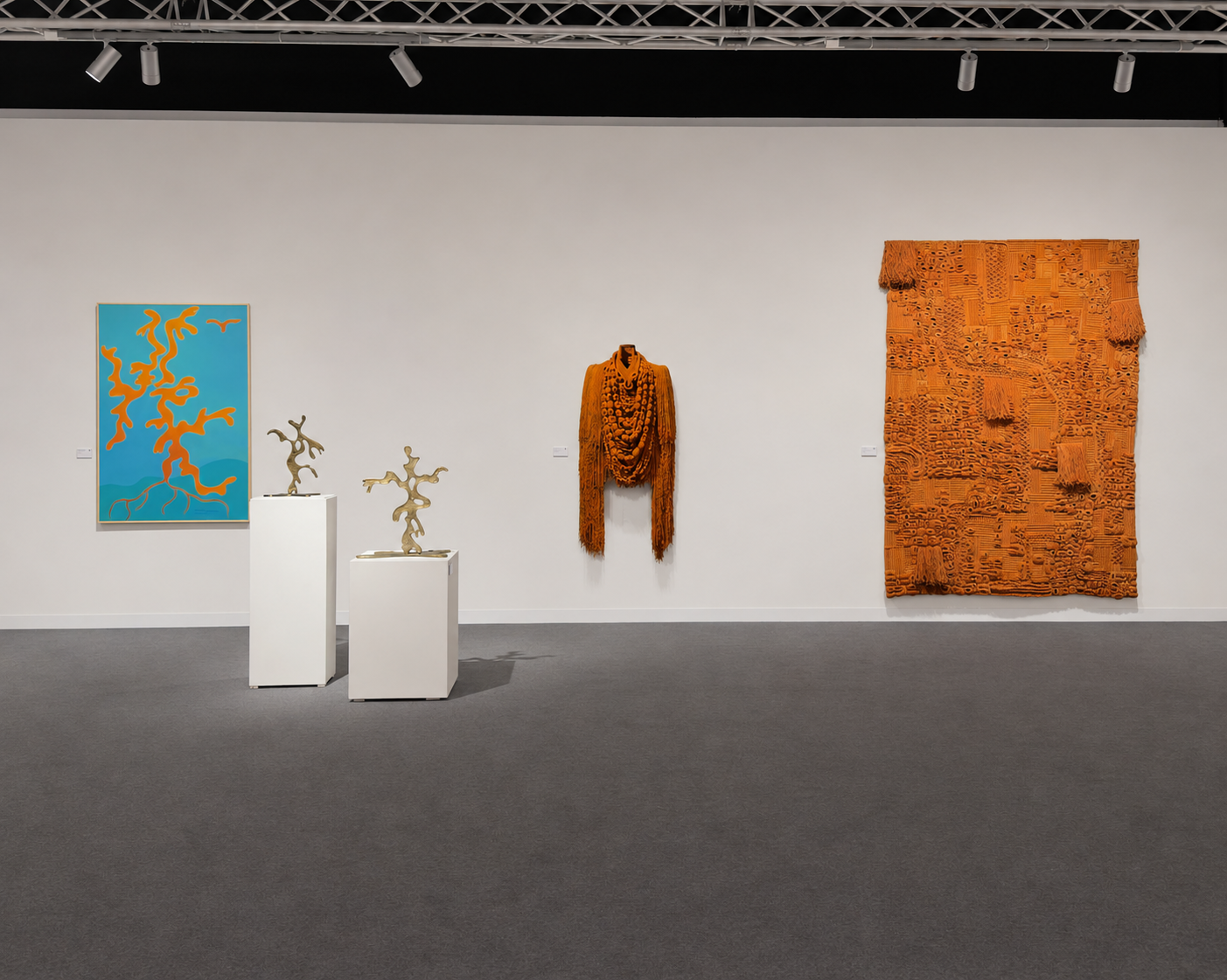
The gallery presents five works by Malika, including two sculptures, alongside two textile pieces by Amina.
Although their practices emerged decades apart, both artists share an interest in Moroccan cultural traditions and the possibilities of transforming familiar materials into new artistic forms.
A mother, a daughter, and two artistic languages
For Yasmine Berrada, co-founder of Loft Art Gallery, the exhibition offers an opportunity to examine how artistic knowledge passes between generations without necessarily producing similar work.
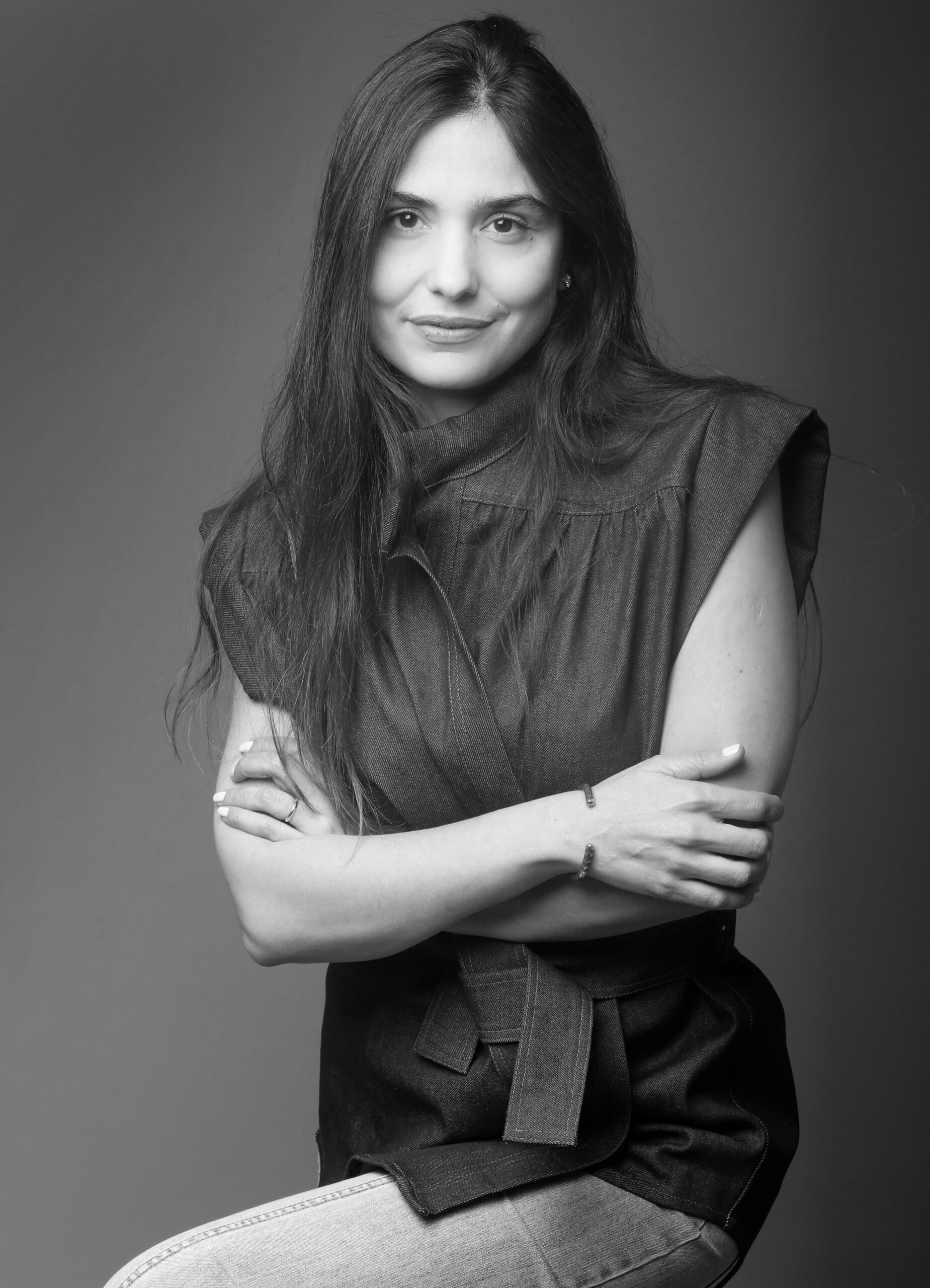
“What makes this dialogue particularly compelling is the way both artists share a sensitivity to material, form and Moroccan cultural heritage, while expressing it through very different artistic languages,” Berrada told Lifestyle Magazine.
Born in 1944, Malika Agueznay belongs to the pioneering generation of Moroccan modernists associated with the Casablanca Art School.
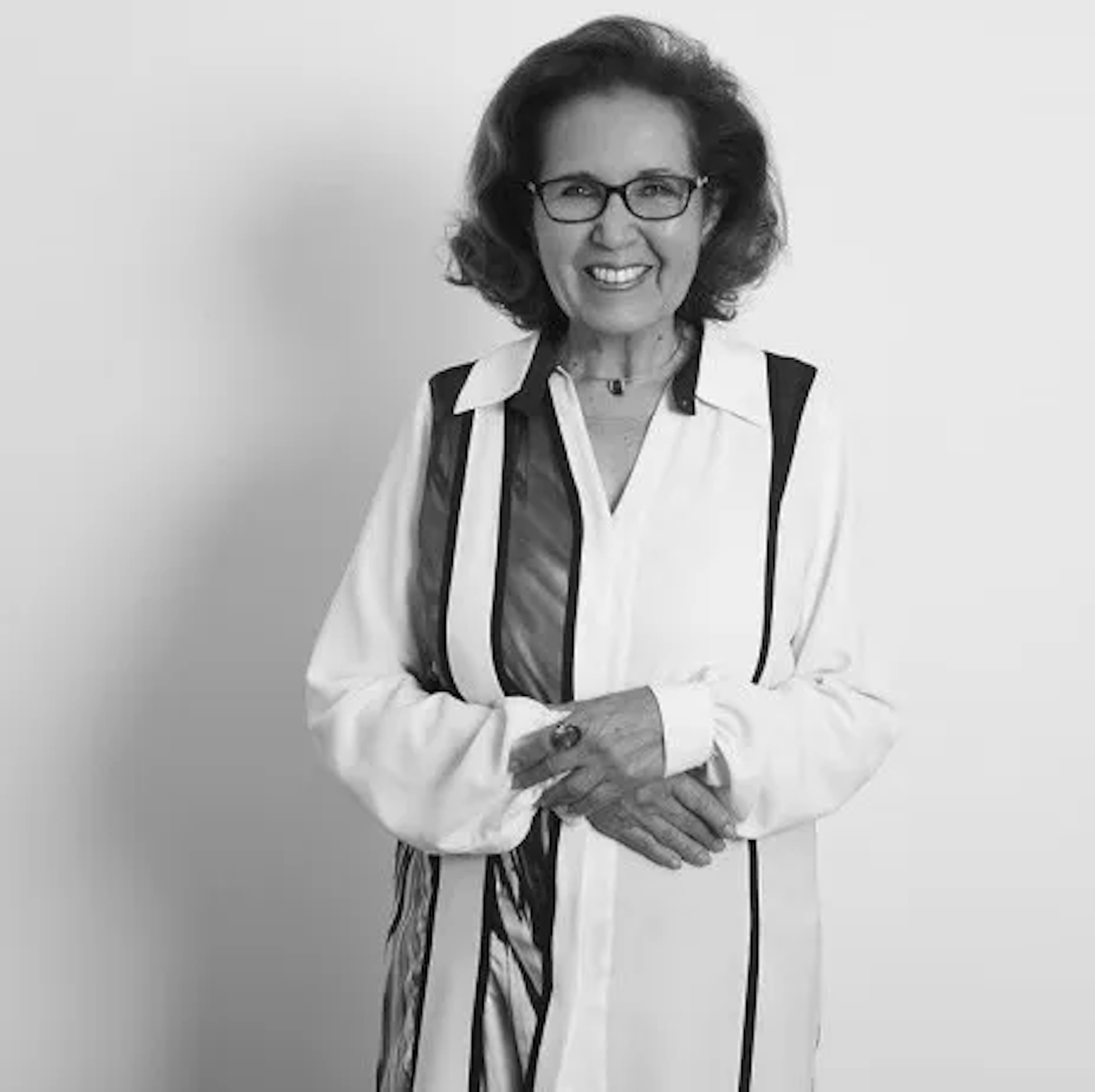
Her artistic career emerged during the late 1960s, when Moroccan artists began developing new visual languages inspired by local traditions, cultural memory, and experimentation.
Over more than five decades, she has explored abstraction through organic forms, rhythmic compositions, and references to nature.
Her daughter Amina, born in Casablanca in 1963, followed a different artistic path.
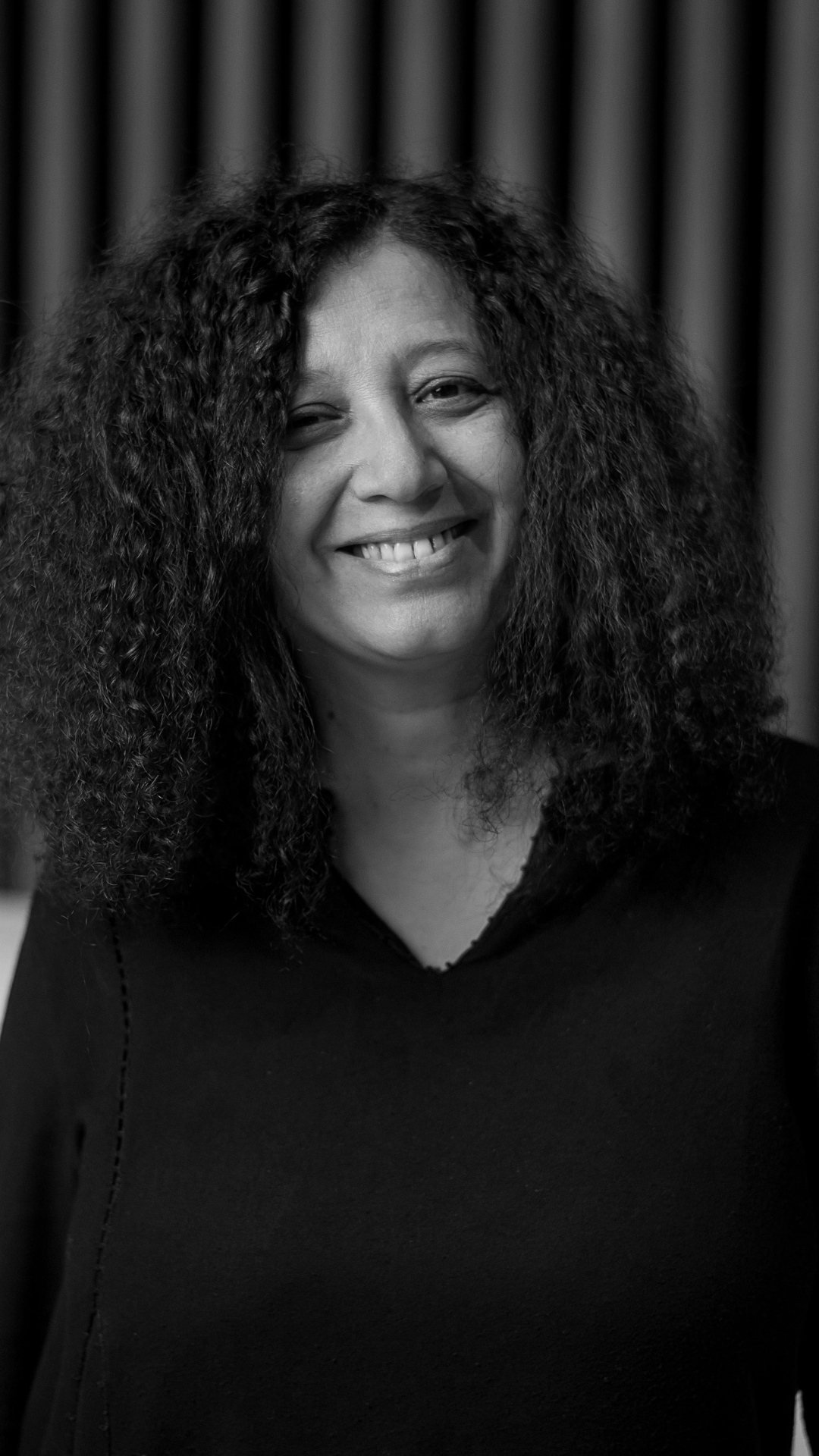
After studying architecture in the United States and practicing for a decade, she returned to Morocco and began researching traditional crafts, working closely with artisans across the country.
Her practice now combines textiles, sculpture, and installations that explore the relationship between inherited techniques and contemporary artistic expression.
“Presenting their work together allows us to explore transmission not simply as inheritance, but as a process of transformation,” Berrada explained.
“There is a continuity between their practices, but also a strong sense of individuality. This is precisely what we wanted to highlight at Frieze Abu Dhabi.”
From Moroccan traditions to contemporary craftsmanship
Although both artists draw inspiration from Moroccan heritage, their methods reveal different approaches to preserving and reinventing it.
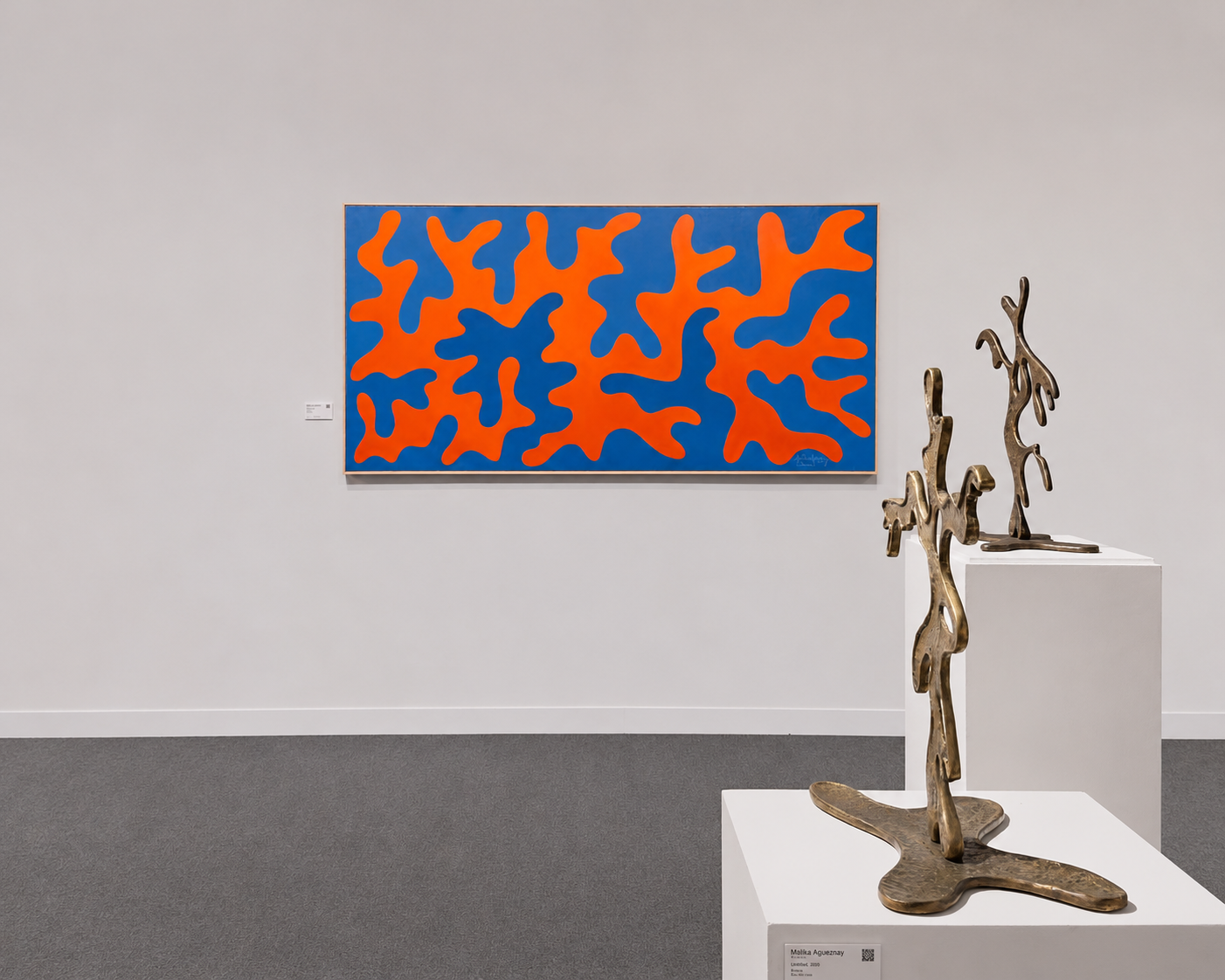
Malika’s generation sought to redefine modern art through Morocco’s own cultural references rather than simply following established Western artistic models.
Her daughter, meanwhile, places collaboration with artisans at the center of the creative process.
Amina’s work frequently emerges from exchanges with master craftspeople, particularly in the Atlas Mountains, where traditional knowledge becomes part of the artwork’s development.
According to Berrada, this distinction reflects a broader evolution in Moroccan artistic practice.
“Malika belongs to a generation of artists who sought to redefine modernism by drawing on Morocco’s own visual traditions, rather than simply adopting Western artistic models,” she said.
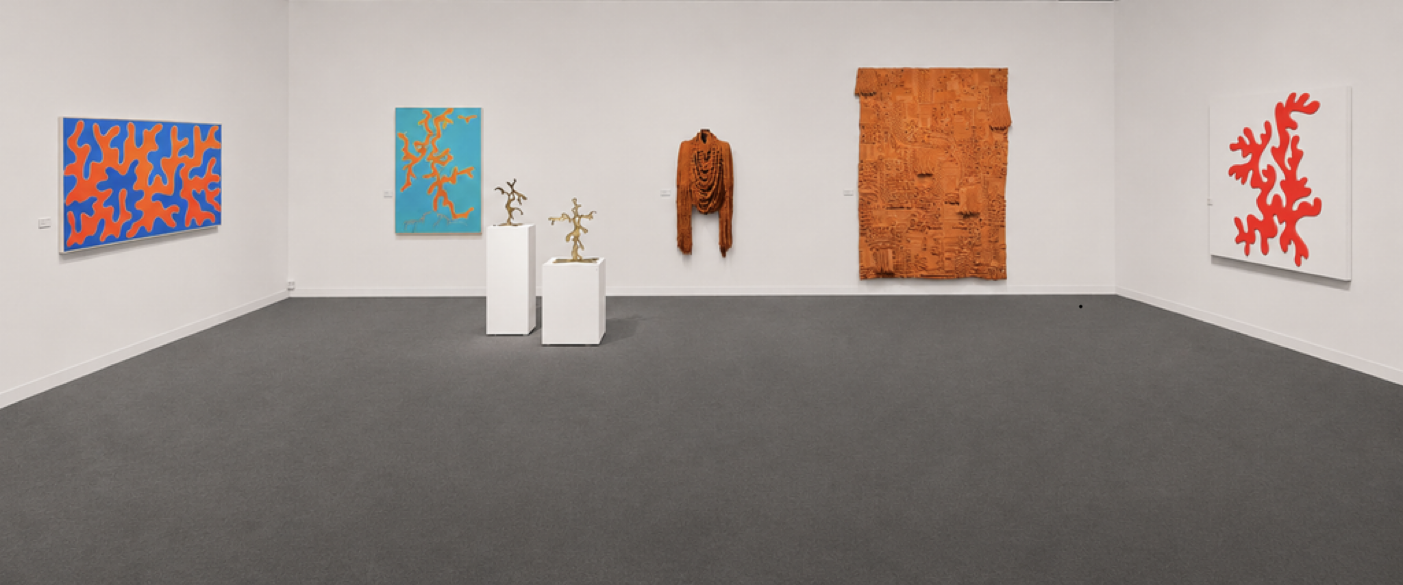
Amina, by contrast, approaches craftsmanship through collective participation, allowing inherited techniques to evolve through experimentation.
“Both demonstrate that tradition is not something static, but a living source of artistic innovation,” Berrada added.
The exhibition therefore explores transmission beyond the family relationship, examining connections between artists and artisans, established techniques and new materials, and historical knowledge and contemporary creation.
Moroccan women artists on the international stage
The presentation comes during a significant period of international exposure for both artists.
Amina is currently representing Morocco at its first national pavilion at the 61st Venice Biennale, where her monumental installation “Asǝṭṭa” explores weaving, memory, and collective knowledge.
The Venice Biennale confirms that her installation remains on view at the Arsenale until November 22.
Both mother and daughter also participated in the 36th São Paulo Biennial, held from September 2025 to January 2026, as the event’s official artist list shows.
Berrada sees these international presentations as opportunities to introduce audiences to different chapters of Moroccan art history.
“It is an important moment for Moroccan art, and particularly meaningful to see two generations of women artists receiving this international visibility,” she told Lifestyle Magazine.
She also acknowledged that earlier generations of Moroccan modernists have not always received recognition proportionate to their contributions.
“Morocco has a rich artistic history, with pioneering figures who made significant contributions to modernism but whose work has not always received the international recognition it deserves,” Berrada said.
Founded in 2009 and operating in Casablanca and Marrakech, Loft Art Gallery has focused on connecting Moroccan modern and contemporary artists with audiences across Africa, the Arab world, and beyond.
Through “Transmission,” the gallery brings together a mother who helped establish a distinctive language of Moroccan modernism and a daughter who continues to reinterpret that heritage through collective craftsmanship.
Their presentation at Frieze Abu Dhabi offers a reminder that artistic traditions do not simply pass unchanged from one generation to another. They endure through the people who preserve them, question them, and give them new forms.