Fez – Chuck Palahniuk’s “Fight Club” and David Fincher’s film adaptation remain two of the most talked-about works of the past three decades.
Both explore alienation, identity, and rebellion, and both continue to divide audiences over their meaning.
While Palahniuk’s novel gained a cult following in the underground literary scene, Fincher’s movie brought the story to a much wider audience, sparking debates that continue to this day.
The different interpretations of the ending, in particular, have been a subject of much discussion among fans and critics alike, highlighting the complex themes at play.
The story on the page
Palahniuk’s book follows an unnamed narrator who feels trapped in his corporate job and his consumer lifestyle. He meets Tyler Durden, a charming and rebellious man who lives by his own rules. Together, they start fight clubs, secret gatherings where men release frustration through bare-knuckle fights.
The writing style is short and repetitive, almost like a series of punches. The story moves from simple rebellion to a larger plan called Project Mayhem. This group targets banks, credit card companies, and other parts of modern society. As the story goes on, the narrator’s mind begins to break, and he learns that Tyler is not another person but a part of himself.
The book mixes dark humor with social criticism. It asks what people will do when they feel their lives have no meaning, and how far they might go to find a sense of control.
The story on the screen
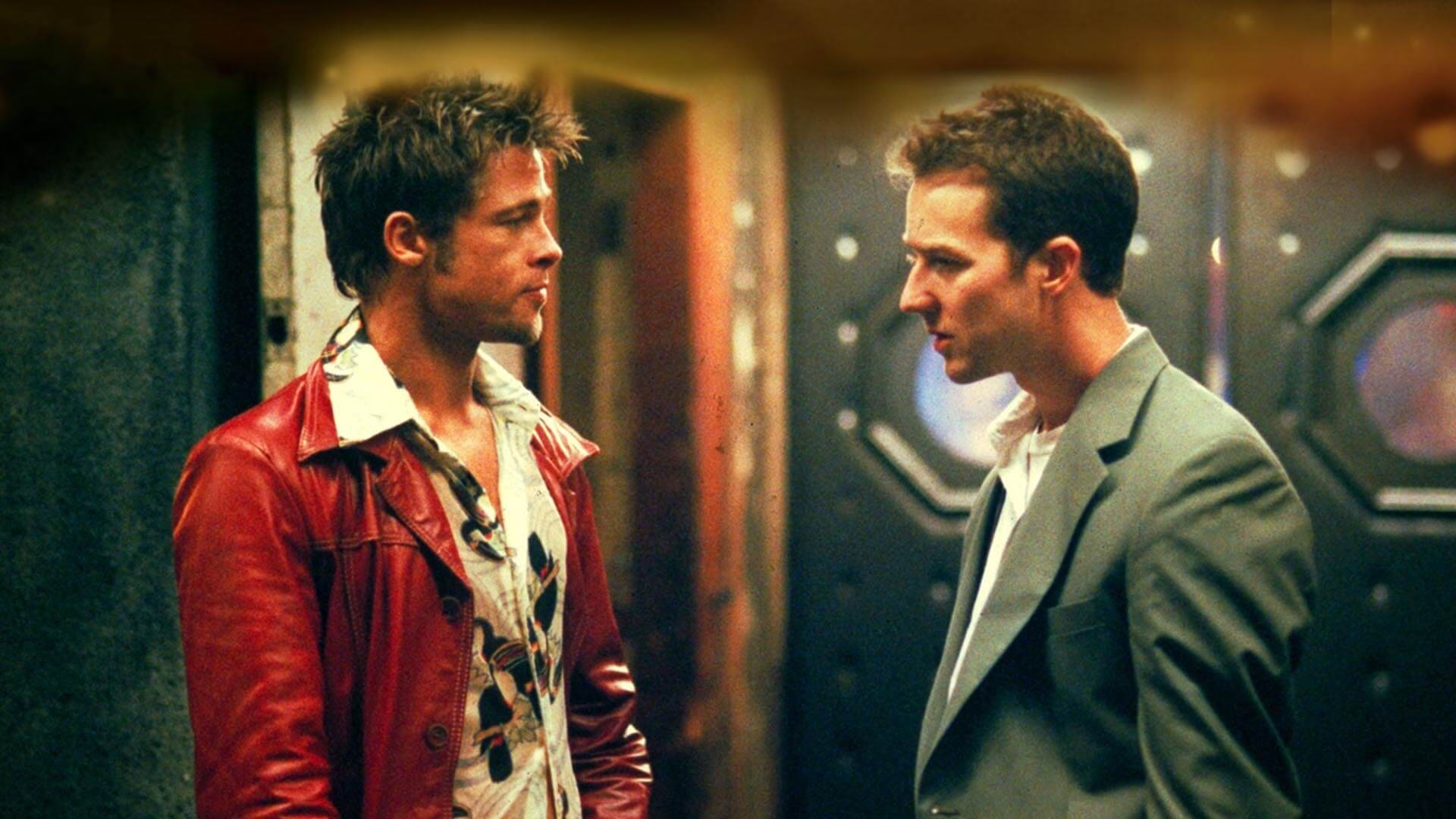
David Fincher’s film version kept the main plot but gave it a fast, visual style. Edward Norton plays the narrator and Brad Pitt plays Tyler. Helena Bonham Carter plays Marla Singer, a troubled woman who becomes caught between the two men.
The film adds quick cuts, gritty visuals, and a sarcastic voice-over that matches the book’s tone. It also strengthens the twist ending, where the narrator realises that Tyler has been a creation of his own mind.
When it was first released, the movie did not earn much at the box office. But it found a second life through DVD sales and online discussions. Lines like “The first rule of Fight Club is: you do not talk about Fight Club” became part of popular culture.
Similar messages, different feelings
Both the book and the film criticise the emptiness of consumer culture and the pressure to live a certain way. The book focuses more on satire and shows Tyler’s ideas as extreme and dangerous. The film, while still critical, also gives energy and style to Tyler’s speeches and actions. This sometimes makes him seem like a hero to some viewers.
This is one reason “Fight Club” has divided audiences. Supporters see it as a warning about toxic masculinity and the loss of identity in modern society. Critics say it can be misunderstood and may inspire the kind of violent thinking it warns against.
The impact on culture
Over the years, “Fight Club” has influenced fashion, advertising, and even political speech. Ironically, parts of the story that mock consumerism have been used to sell products. Online, Tyler Durden has become a symbol for some groups who admire his rebellious nature without noticing the story’s criticism of him.
The book is now taught in literature and film courses. Students discuss how audiences can take very different meanings from the same story. Palahniuk has continued the world of “Fight Club” in a graphic novel sequel called “Fight Club 2”.
Why people still talk about it
The lasting power of “Fight Club” comes from its look at how people search for meaning. Both the narrator and Tyler are trying to find a more real and intense life. The story shows how that search can lead to both self-discovery and self-destruction.
In the book’s ending, the narrator ends up in a mental hospital, not sure if Tyler is truly gone. In the film, he rejects Tyler and watches buildings collapse around him. Both endings leave questions open for the audience.
A reflection of our times
More than 25 years after it appeared, “Fight Club” still makes people ask whether we should admire Tyler or fear him. The answer may be both. The story reflects the loneliness and frustration many feel in a world built on brands and routines.
We may not talk about Fight Club, as the famous rule says, but clearly the conversation never stopped. And as long as people search for identity and purpose, “Fight Club” will remain part of that discussion.