Fez – Between long lectures, late-night study sessions, and trips to the gym, eating well can be a challenge for students.
Grabbing fast food may seem convenient, but meal prepping—planning and preparing meals in advance—offers a way to stay on track with both academics and fitness.
Save time, reduce stress
Meal prepping eliminates the daily question of “What should I eat?” By cooking in batches on weekends or evenings, students can save hours during the week. Pre-packed meals also mean fewer last-minute food runs, leaving more time for study and rest.
Balance for energy and recovery
Students who train regularly at the gym need meals that fuel both mind and body.Their meals must serve a dual purpose: providing the mental clarity needed for academic pursuits and the physical energy required for intense training sessions.
This means prioritizing nutrient-dense foods that offer sustained energy, aid in muscle recovery, and support overall well-being.
Instead of skipping breakfast, students can prep harcha (semolina bread) or baghrir (Moroccan pancakes) in batches and pair them with boiled eggs and a glass of milk for protein. Overnight oats can also be made Moroccan-style with dates, almonds, and a drizzle of honey.
Lunch should be both satisfying and energizing. Classic chicken and vegetable tagine can be portioned into containers with whole-wheat bread or brown rice on the side. For students short on time, a tuna zaalouk sandwich (eggplant spread with tuna) makes a quick and nutrient-rich option.
Moroccan staples like handfuls of almonds, walnuts, and dried figs are excellent pre- or post-gym snacks. Students can also carry small portions of briouates filled with chicken or vegetables, baked instead of fried, for a healthier choice.
For dinner, students can prepare whole-wheat pasta with kefta meatballs in a spiced tomato sauce.
Portion and pack smartly
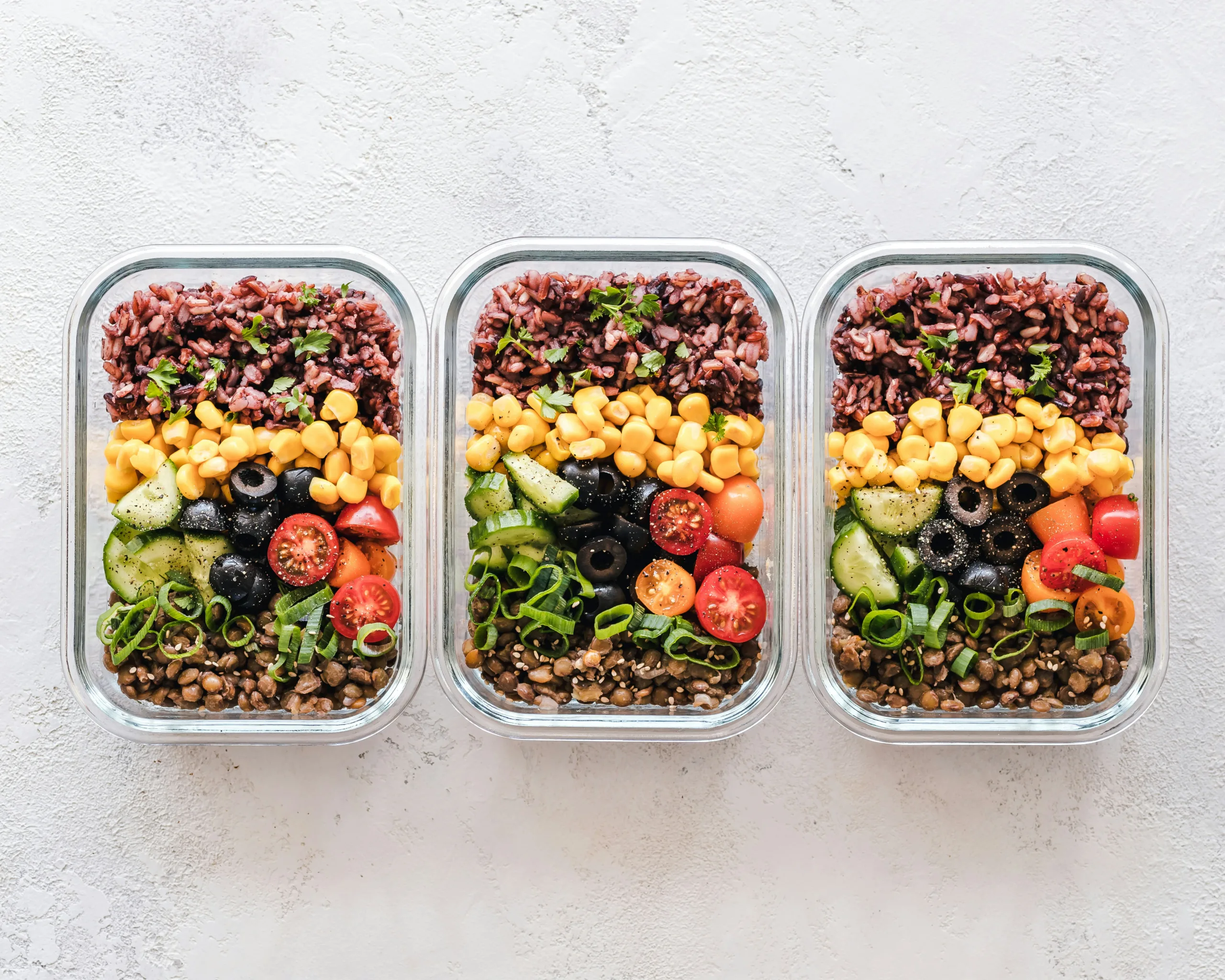
Investing in reusable containers makes it easy to portion meals and carry them to campus. Color-coding or labeling containers by day can help students stay organized, ensuring they don’t skip meals during busy weeks.
Budget-friendly for students
Meal prep also helps stretch student budgets. Buying ingredients in bulk and cooking in advance reduces food waste and lowers costs compared to eating out daily.
Meal prep as a lifestyle habit
Ultimately, meal prepping is not just about convenience—it is about building a routine that supports both academic success and fitness progress. By preparing meals in advance, students can save time, reduce stress, and stay fueled for long days on campus and in the gym.
As Morocco’s students settle into the back-to-school season, embracing meal prep could be the key to achieving balance, both in the classroom and at the gym.
Read Also: Back to School: How Students Can Balance Gym Training and Studies