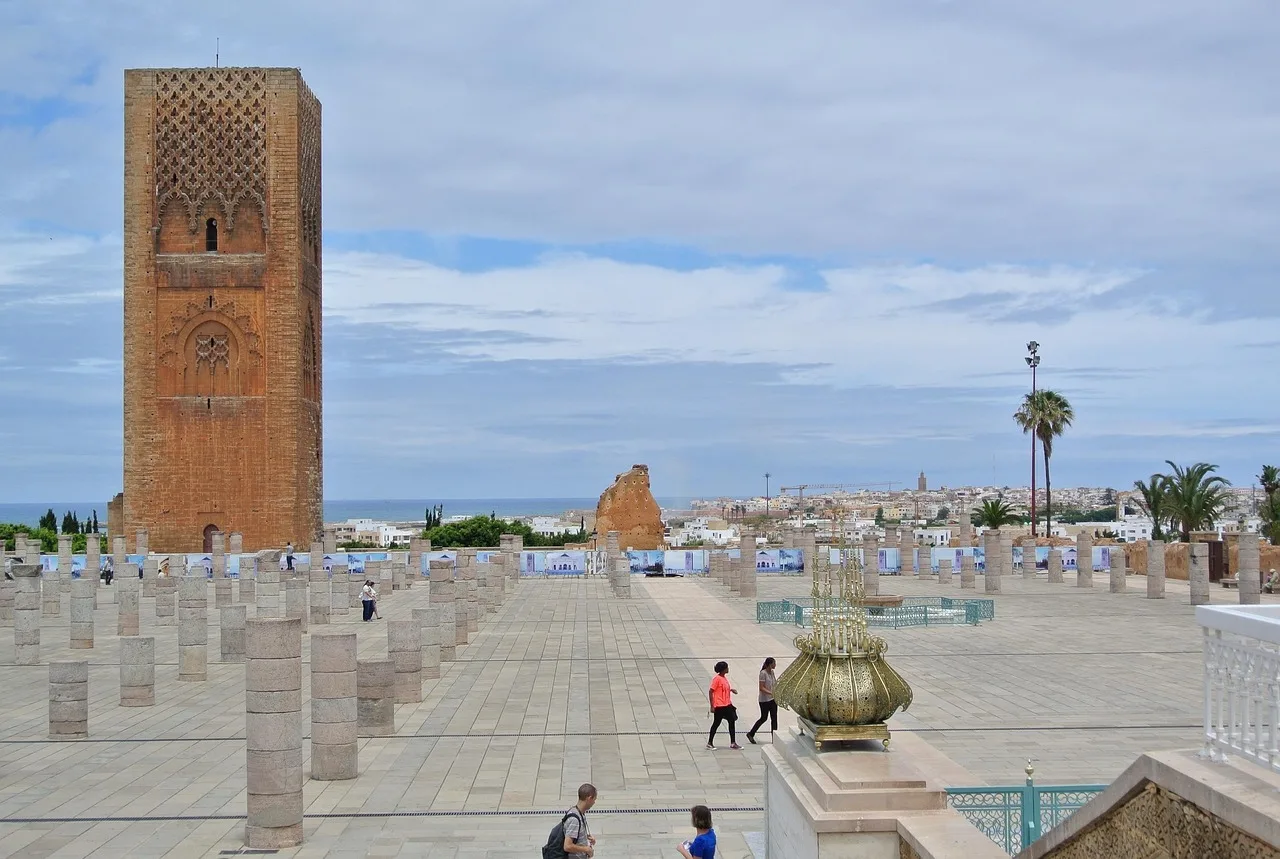
Fez — The African Union has endorsed Rabat as the headquarters of the Committee of African Capitals of Culture, a step that places Morocco at the center of a continent-wide cultural coordination effort.
The continental body made the decision following a specialized technical meeting on youth, culture, and sport held in Bujumbura, Burundi, from December 8 to 13.
This confirmation strengthens Morocco’s bid to position culture as a pillar of South-South cooperation, while turning Rabat into a permanent administrative hub for a program meant to elevate African creativity, cultural exchange, and city-to-city collaboration across the continent.
A unanimous decision
Converging reports suggest the decision was endorsed on December 12 during the fifth session of the African Union’s Specialized Technical Committee on Youth, Culture, and Sport in Bujumbura, with member states voting unanimously to validate Rabat as the seat.
The same reporting indicated that the move was framed as aligning with the African Union’s Agenda 2063 vision, which places culture among the tools for integration and shared development across Africa.
The 2024 Rabat agreement that set the stage
The groundwork was laid in September 2024, when Morocco’s Minister of Youth, Culture, and Communication, Mohamed Mehdi Bensaid, signed an agreement in Rabat with Michel Saba, the committee’s representative and a UNESCO culture and arts expert. This established Morocco as host country for the committee’s headquarters.
According to the ministry, the agreement followed an African Union Executive Council decision taken in July 2023 in Nairobi, based on the recommendations of the AU’s technical structure responsible for youth, culture, and sport.
The committee’s mission
The African Union’s ministerial report from its youth, culture, and sport technical process notes Morocco’s offer to host the committee’s head office and calls for the committee to finalize a program that would designate an African city as an “African Capital of Culture” on a three-year cycle.
Beyond selecting host cities, the ministry has described the committee as a continental mechanism to promote creativity, encourage cultural exchange, strengthen cultural cooperation, and elevate arts and culture in major African cities through events and coordinated programming.
Rabat’s symbolic weight in the ‘African Capital of Culture’
Rabat has already served as a flagship city for the initiative, with celebrations branded around “Rabat, African Capital of Culture” running from June 2022 to May 2023, according to the program’s organizers.
The wider “African Capitals of Culture” initiative, promoted through city networks, has been presented as a long-term development program aimed at structuring and networking cultural and creative actors across Africa, while helping cities build sustainable cultural ecosystems.
A broader reflection on what hosting could mean
With the headquarters in Rabat, Morocco is likely to gain a stronger convening role in how African cultural projects are coordinated, funded, and showcased internationally—especially as cities compete for visibility through continent-wide labels and major cultural seasons.
At the same time, the credibility of the initiative will depend on whether the committee can move from symbolic announcements to practical delivery. Ultimately, the committee will have to deliver stable financing models and support systems that benefit not just host capitals but also creators, institutions, and cultural workers across Africa’s regions.