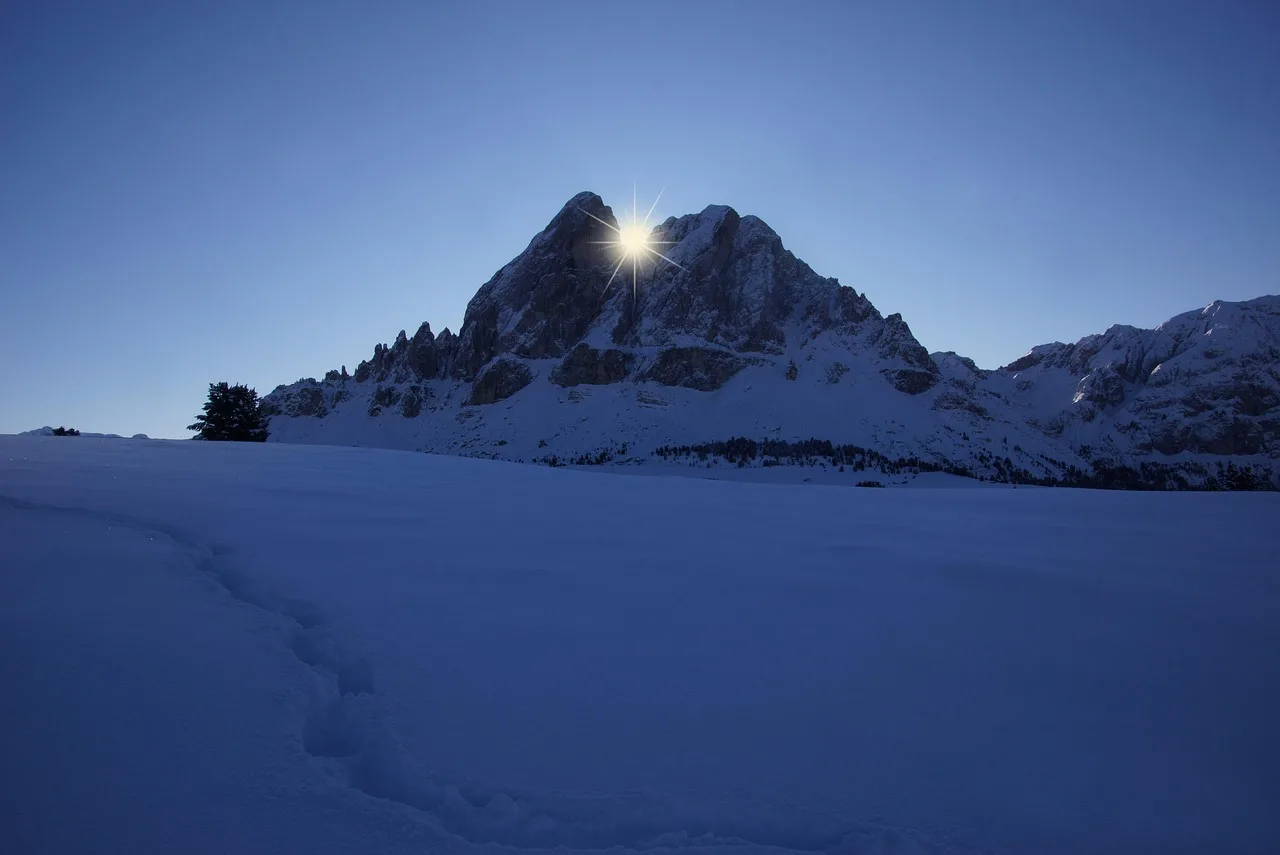
Fez — Moroccans stepped into the longest night of the year as the winter solstice ushers in the official start of astronomical winter in the Northern Hemisphere.
The December solstice occurred on Sunday, December 21 at 16:03 local time, marking the point when the sun reached its lowest arc in the sky and daylight hit its yearly minimum.
While the chill of winter may linger for weeks, the solstice is a turning point: from now on, daylight will begin to slowly return, gaining minutes over time even if the change is barely noticeable at first.
What makes this night the longest
The solstice happens because Earth is tilted on its axis. Around this date, the Northern Hemisphere is angled farthest away from the sun, which shortens the sun’s path across the sky and stretches the hours of darkness. At the solstice moment, the sun is positioned overhead at the Tropic of Capricorn, emphasizing the season’s extreme shift in sunlight between hemispheres.
That’s why the night around the solstice is known as the longest of the year: it follows the shortest day, when the sun spends the least amount of time above the horizon.
Why it matters beyond astronomy
The longest night has long carried cultural weight across civilizations, often linked to reflection, renewal, and the idea that light returns after darkness. Today, the meaning is more practical for many people: shorter winter days can affect mood, energy, and sleep patterns, making daylight exposure more important during the season.
A common winter surprise
Many people assume the solstice also brings the earliest sunset, but that is not always true. Because of how Earth’s orbit and tilt affect solar time, the earliest sunset and latest sunrise can fall on different days than the solstice itself.