Fez — The international film landscape in 2025 reflected an industry in transition, balancing creative risk with commercial pressure. Major studios leaned on established directors and recognizable properties, while independent and international filmmakers continued to dominate critical rankings and festival circuits.
Across Cannes, Venice, Toronto, and wide theatrical releases, a clear pattern emerged: audiences and critics responded most strongly to films that combined strong authorial vision with emotional or thematic weight. Genre experimentation, political undertones, and intimate character studies shaped much of the year’s most discussed work.
What follows is a curated list of the 10 standout films released in 2025. Rather than rankings, the selection reflects critical consensus, cultural impact, and craft, with each title earning its place through sustained attention and acclaim.
‘Marty Supreme’
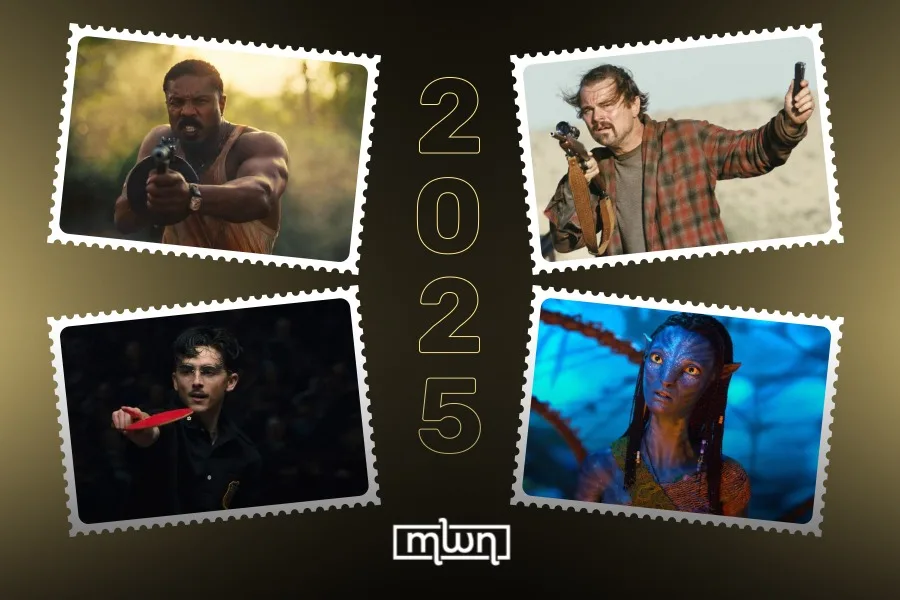
The Safdie brothers’ return leaned fully into their signature kinetic style, following a fictional ping-pong prodigy navigating fame, pressure, and self-destruction. Anchored by Timothée Chalamet’s physical and emotionally raw performance, the film combined relentless pacing with unexpected vulnerability, becoming one of the year’s most talked-about releases.
‘One Battle After Another’
Paul Thomas Anderson delivered a sprawling, politically charged thriller that blurred the line between personal obsession and collective resistance. Dense, restless, and formally daring, the film challenged audiences while reaffirming Anderson’s place as one of contemporary cinema’s most ambitious storytellers.
‘Sinners’
Ryan Coogler’s genre-blending project fused historical drama with supernatural horror, using spectacle to explore guilt, faith, and inherited violence. The film stood out for balancing commercial appeal with layered social commentary, earning both box office success and critical respect.
‘Wake Up Dead Man: A Knives Out Mystery’
Rian Johnson expanded his mystery universe with sharper satire and darker undertones. The ensemble-driven narrative leaned into class critique and misdirection, keeping the franchise fresh while maintaining its crowd-pleasing momentum.
‘Avatar: Fire and Ash’
James Cameron’s latest return to Pandora once again prioritized world-building and visual innovation. While reactions to the story were mixed, the film’s technical ambition and immersive scale dominated global box offices and reaffirmed Cameron’s singular approach to blockbuster cinema.
‘Blue Moon’
Richard Linklater’s intimate biographical drama about lyricist Lorenz Hart unfolded with quiet restraint. Focused more on interior life than spectacle, the film drew praise for its performances and its refusal to romanticize artistic struggle.
‘Sentimental Value’
Joachim Trier’s Norwegian family drama explored memory, inheritance, and emotional distance with measured precision. The film resonated strongly on the festival circuit, solidifying Trier’s reputation for deeply human storytelling.
‘The Secret Agent’
Brazilian filmmaker Kleber Mendonça Filho delivered a tense political thriller rooted in historical unease. Atmospheric and methodical, the film examined surveillance, power, and resistance without sacrificing narrative momentum.
‘It Was Just an Accident’
Jafar Panahi’s latest work continued his tradition of restrained defiance, using a deceptively simple premise to explore moral responsibility and social control. The film drew strong international response for its clarity and quiet courage.
‘Train Dreams’
This lyrical adaptation of Denis Johnson’s novella offered a meditative look at early 20th-century American life. Prioritizing mood and visual poetry over conventional plot, the film closed the year’s standout releases on a reflective note.
Together, these films illustrate how 2025’s cinema bridged spectacle and introspection, proving that ambitious storytelling remains central to the medium’s global relevance.