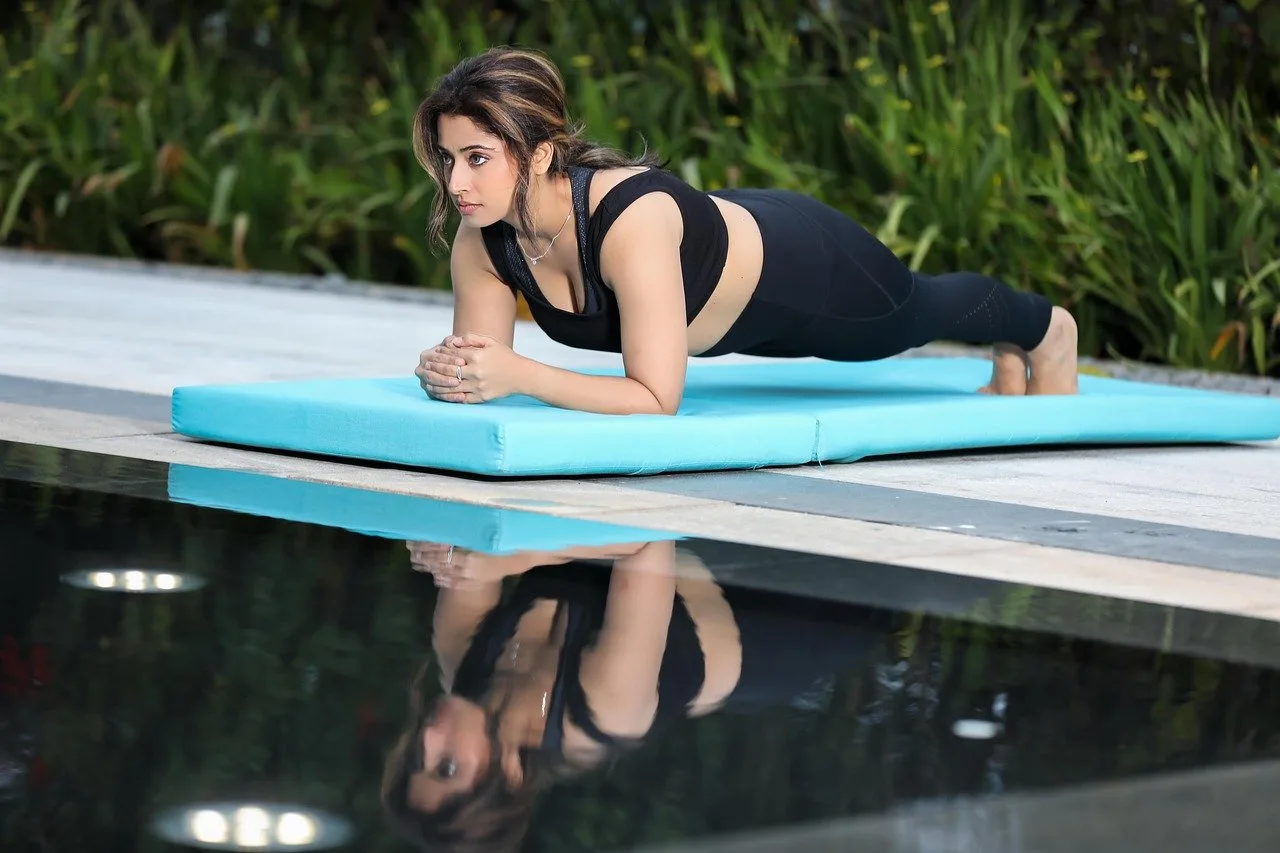
Fez — Fitness trends come and go, but planks have quietly secured their place as one of the most effective bodyweight exercises.
Often underestimated because of their simplicity, planks activate multiple muscle groups at once, improve posture, and build functional strength that supports everyday movement.
Unlike crunches or sit-ups that isolate specific muscles, planks rely on isometric contraction. This means muscles engage without changing length, creating sustained tension across the body.
When done properly, a plank is not just an abdominal exercise but a full-body challenge that rewards precision and consistency.
Strengthening the core and beyond
The most recognized benefit of planks is core strength. The exercise targets the deep abdominal muscles, including the transverse abdominis, which plays a key role in spinal stability. A stronger core helps reduce lower back strain and supports better balance.
However, planks also activate the shoulders, chest, arms, glutes, and legs. Holding the position requires engagement from the entire kinetic chain, making planks especially valuable for people seeking efficient workouts without gym equipment.
Over time, this full-body engagement can translate into improved posture, better athletic performance, and reduced risk of injury during daily activities.
Supporting back health and posture
Unlike some abdominal exercises that place repeated stress on the spine, planks keep the back in a neutral position. When performed correctly, they strengthen muscles that support the spine rather than compress it.
For people who sit for long hours, planks can help counteract poor posture by reinforcing alignment and strengthening weakened muscles around the hips and lower back.
The correct way to perform a plank
Proper form is essential. Begin by placing forearms on the ground, elbows directly under the shoulders. Extend the legs behind you, resting on the toes. The body should form a straight line from head to heels.
Engage the core by gently drawing the belly button inward. Squeeze the glutes, keep the neck neutral, and avoid letting the hips sag or rise too high. Breathing should remain steady throughout the hold.
Beginners can start with 20 to 30 seconds and gradually increase duration as strength improves. Quality matters more than time.
Variations for progression
Once the basic plank becomes manageable, variations such as side planks, plank shoulder taps, or forearm-to-hand transitions can add challenge. These variations increase muscle activation and prevent routine stagnation.
Pro tip: Planks do not require long sessions to be effective. Even short, focused sets performed regularly can deliver noticeable results.