Fez — “A Knight of the Seven Kingdoms” officially premiered this week on HBO, marking the latest expansion of the “Game of Thrones” universe and a notable shift in how the franchise tells its stories.
The series debuted with its first episode on Sunday, January 18, releasing simultaneously on HBO’s linear channel and its streaming platform. Unlike binge-style releases, the show is following a traditional weekly rollout, with new episodes scheduled to drop every Sunday.
According to the network’s release plan, the first season will consist of six episodes and will run through late February if the weekly schedule remains unchanged. The next episode is set to air on January 25, continuing the steady cadence that has become standard for HBO’s prestige dramas.
A smaller story in a vast world
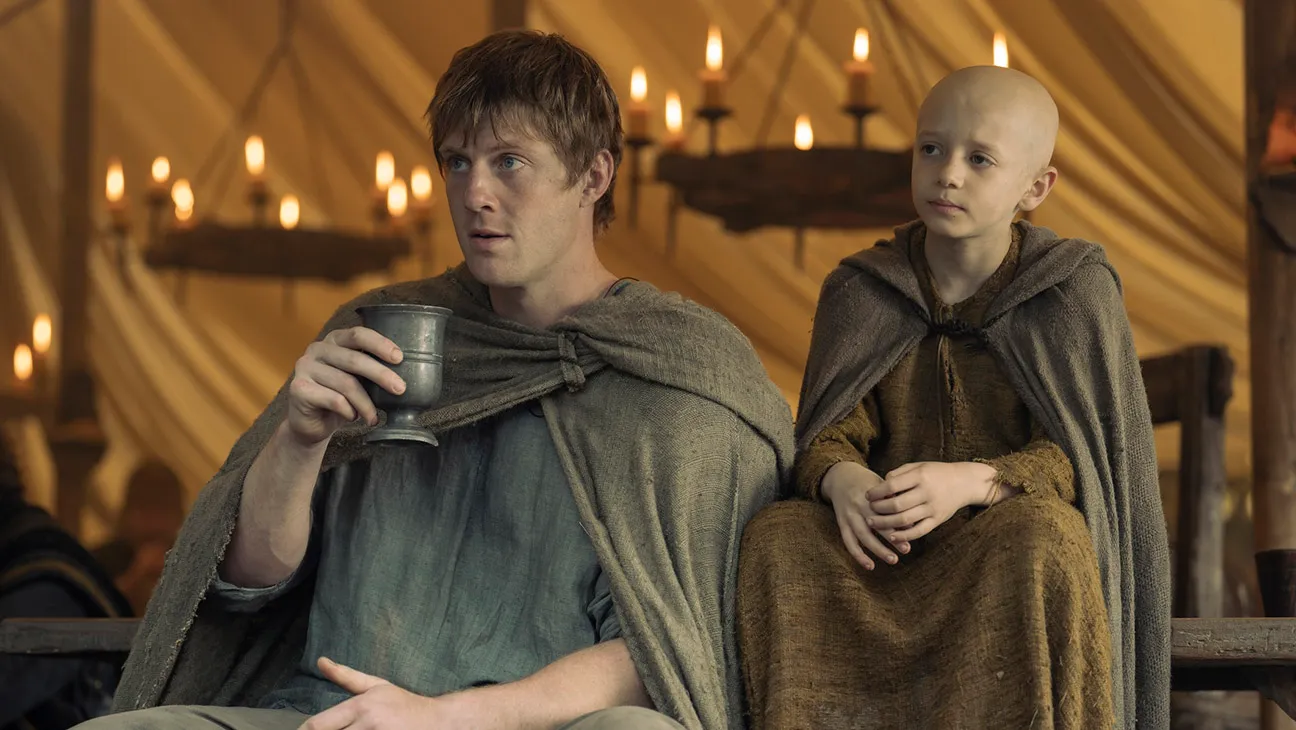
Set roughly 90 years before the events of “Game of Thrones,” the new series adapts George R.R. Martin’s “Tales of Dunk and Egg.” It follows Ser Duncan the Tall, a hedge knight of humble origins, and his young squire Egg as they travel across the Seven Kingdoms.
Unlike earlier entries in the franchise, the show deliberately avoids sprawling political conspiracies and continent-shaping wars. Instead, it focuses on personal honor, class divides, and the everyday realities of Westeros beyond royal courts. Tournaments, roadside encounters, and moral dilemmas replace dragons and mass battles.
What makes the show worth watching
What sets “A Knight of the Seven Kingdoms” apart is its restraint. The series leans on character development and dialogue rather than spectacle, offering a grounded perspective on a world usually seen from the top of power. Dunk is not a chosen hero or master strategist, but an ordinary man trying to live up to the ideals of knighthood in an unforgiving system.
That approach gives the show an almost reflective tone, appealing both to longtime fans and viewers who may have felt overwhelmed by the scale and density of previous seasons across the franchise.
The franchise context
After the cultural dominance — and divisive ending — of “Game of Thrones,” HBO doubled down on the world of Westeros with prequels rather than sequels. “House of the Dragon” explored dynastic conflict at its most brutal. “A Knight of the Seven Kingdoms” now occupies the opposite end of the spectrum, proving the franchise can survive without constantly raising the stakes.
By returning to smaller stories and clearer moral questions, the series reinforces the idea that Westeros works best when it feels lived-in, not just legendary.
As weekly episodes continue to drop, “A Knight of the Seven Kingdoms” positions itself as both a refreshing change of pace and a reminder of why the franchise captured global attention in the first place — not just through power and violence, but through people trying to find their place in a harsh world.