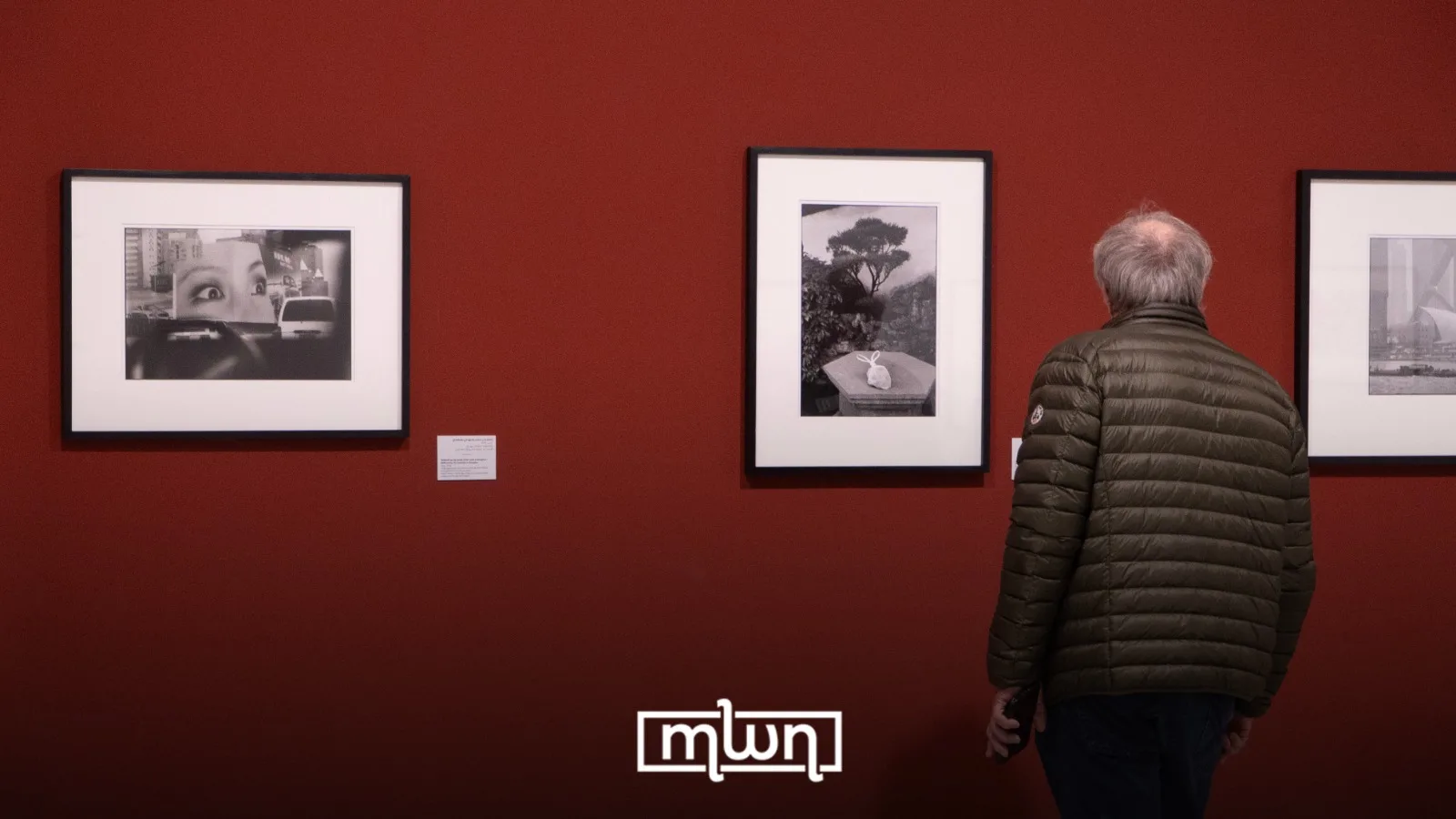
Fez — The Mohammed VI Museum of Modern and Contemporary Art in Rabat hosted the closing of the exhibition “Marc Riboud & Bruno Barbey: Crossed Views” on Monday, marking the close of a widely attended photographic project dedicated to two major figures of twentieth-century photography.
Organized by the National Museums Foundation, in partnership with the Les Amis de Marc Riboud Association and Caroline Thiénot Barbey, the exhibition was presented for the first time in Morocco after its initial showing in July 2025. The project was realized with the exceptional participation of the Guimet Museum.
A closing moment of dialogue and reflection
The closing program included a presentation of the exhibition catalogue, followed by a discussion moderated by Jaâfar Akil, and a guided walk-through led by the curators. The evening was conceived as a moment of collective reflection on the artistic journey shared by Marc Riboud and Bruno Barbey.

“This exhibition brings together the works of Marc Riboud and Bruno Barbey, both photographers from the Magnum agency, who traveled extensively and produced reports all over the world,” said Lorène Durret, director of the Les Amis de Marc Riboud Association and co-curator of the exhibition.
She stressed that Morocco sits at the heart of the project. “One of them, Bruno Barbey, was born in Morocco and returned there many times throughout his life. Marc Riboud also traveled frequently to Morocco, particularly to Fez, mainly during the 1970s,” she noted.
Mehdi Qotbi attends in his institutional role
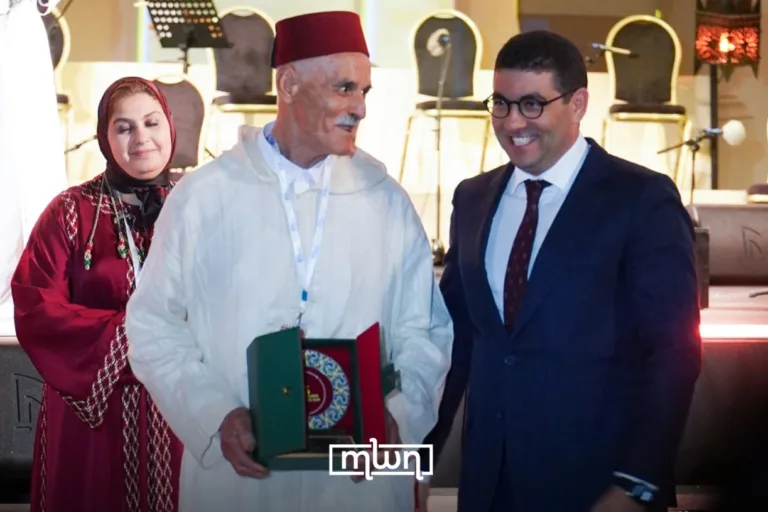
Mehdi Qotbi, president of the National Museums Foundation, who oversees Morocco’s national museum network, made an appearance at the event.

Responsible for shaping the country’s cultural and exhibition strategy, his presence was a key indicator of the institutional importance of the exhibition within Morocco’s contemporary museum landscape.

Under Qotbi’s leadership, the Foundation has expanded international collaborations and positioned Moroccan museums as active platforms for global artistic dialogue, a vision reflected in hosting an exhibition of this scale.
Two visions, one shared humanism
The exhibition explored the complementary approaches of Riboud and Barbey through a humanist lens. Riboud’s work is marked by quiet observation and subtle emotional intensity, while Barbey, who was born in Morocco, developed a bold photographic language shaped by color and spontaneity, often returning to document his country of origin.

“The exhibition offers visitors a discovery of two distinct yet closely connected perspectives,” Durret said, emphasizing the lasting resonance of their work and the rare complicity that united the two photographers.

The finissage concluded an exhibition that drew strong public interest and reaffirmed Rabat’s role as a key cultural hub, where international photographic heritage can be revisited through a Moroccan perspective.