

Fez — NASA has begun a two-day practice countdown at Kennedy Space Center, marking a decisive step toward its first crewed mission, Artemis II, to the moon in more than half a century.
The rehearsal, which started Saturday, leads up to a full fueling test of NASA’s new heavy-lift rocket, a milestone that will help determine the final launch date for the upcoming lunar flyby mission. If successful, the test would clear the way for a launch attempt as early as February 8.
At the center of the mission is the towering Space Launch System, a 322-foot rocket that rolled out to the launch pad two weeks ago. Engineers will load its massive tanks with more than 700,000 gallons of super-cooled propellant, halting the countdown roughly 30 seconds before engine ignition.
Astronauts prepare from quarantine
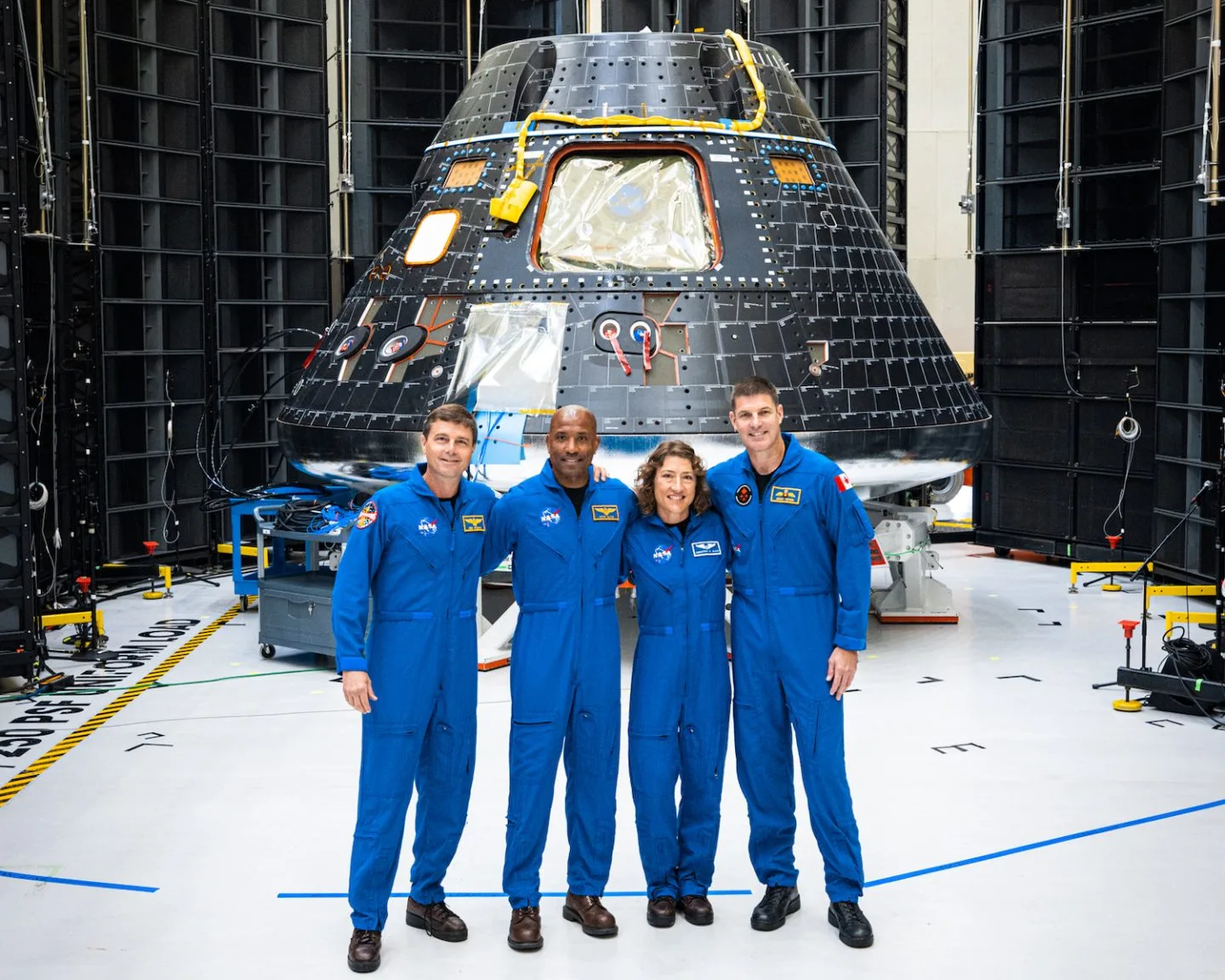
The four astronauts assigned to the mission are already in quarantine to minimize health risks ahead of launch. Commander Reid Wiseman and his crewmates will follow the rehearsal remotely from NASA’s Houston facilities before traveling to Florida once the rocket is certified for flight.
If the mission proceeds as planned, the crew will become the first humans to journey toward the moon since the end of the Apollo era in 1972. Their flight will not land on the lunar surface but instead loop around the moon, testing spacecraft systems and human performance in deep space.
Fueling test seen as a make-or-break moment
The countdown rehearsal is considered one of the most demanding prelaunch procedures. Teams must manage extreme temperatures, precise timing, and complex safety systems as liquid hydrogen and oxygen are pumped into the rocket.
NASA officials see this step as essential to reducing risk before committing astronauts to the mission. Any technical issues during the fueling test could force additional delays and adjustments to the launch schedule.
A recent cold snap already pushed back the rehearsal and launch window by two days, underscoring how sensitive the operation is to weather conditions.
Gateway to a new lunar era
The mission is part of NASA’s broader effort to return humans to the moon and establish a sustained presence there, laying groundwork for future journeys to Mars. While uncrewed test flights have already taken place, this launch would represent the first time astronauts ride the new system beyond Earth orbit.
All eyes are now on the fueling test at Kennedy Space Center. A smooth rehearsal would mark a major confidence boost for the program, bringing NASA closer to restoring human spaceflight beyond low Earth orbit.
More than a technical exercise, the countdown signals a symbolic moment: the revival of crewed lunar exploration after five decades, and a reminder that the path back to the moon begins not with liftoff, but with meticulous preparation on the ground.