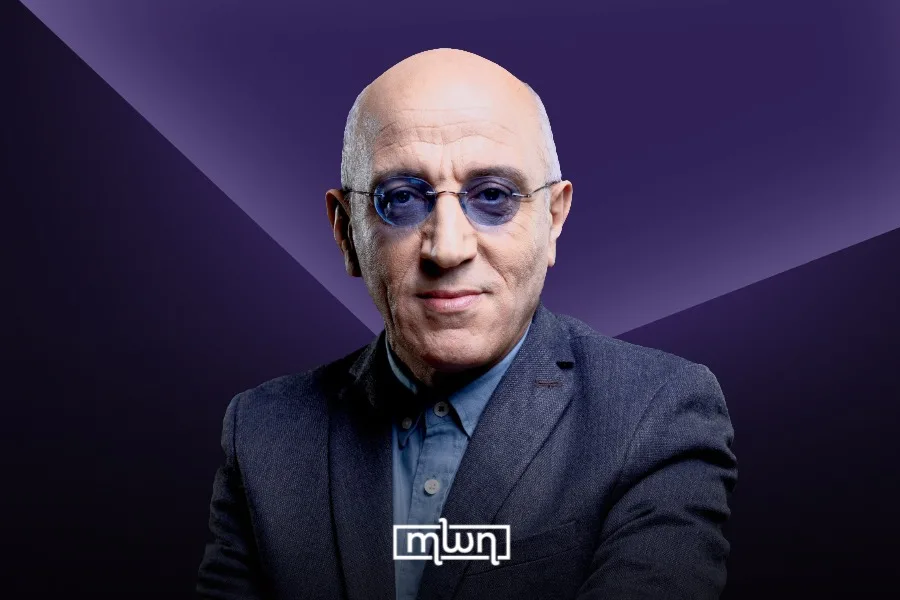
Fez — Hassan El Fad is widely regarded as one of Morocco’s most influential comedians, a creative force whose humor has shaped generations of entertainment.
Born on November 24, 1962 in Casablanca’s Ain Sebaa neighborhood, El Fad’s journey from theater stages to television screens and one-man shows has made him a household name in Moroccan comedy.
Growing up in a large, culturally curious family, El Fad was exposed early to arts, music and performance.
His studies included theater and music at the Conservatory in Casablanca, where he developed his stage presence, and later interior architecture and visual arts, which informed the depth and creativity of his characters. His musical talent — particularly the saxophone — also reflects his artistic range.
The early spark and rise to fame
El Fad’s breakthrough came in 1999, when he collaborated with Moroccan television during the Ramadan season with “Oujhi F’oujhek” (“My Face and Your Face”), a series of humorous sketches that quickly captured audiences nationwide. Building on this success, he refined a unique comedic voice marked by smart writing, clever social commentary, and vivid characters rooted in everyday Moroccan life — from Casablanca’s bustling streets to domestic family quirks.
His early one-man show “Ninja” revealed his talent for blending physical humor and witty observations, setting the stage for a string of memorable creations. He followed this with another iconic solo performance, “Docteur Escargot” (“Doctor Snail”) in 2005, and later pieces like “Hassan O Rbaâto” (“Hassan and His Quad”) and “Ain Sebaâ” drew on traditional motifs with inventive twists.
El Fad also brought his iconic comedic style to cinema through “Moi, ma mère et Bétina” (“Me, My Mother, and Bettina”) in 2003, a comedy-drama centered on migration, family duty, and moral dilemma. The story follows a young Moroccan living and working in Spain with his mother, who asks to be buried in Morocco after her death. When she passes away, he is confronted with a painful reality: he does not have the financial means to repatriate her body. Balancing humor with emotional weight, the film reflects El Fad’s ability to address serious social issues — such as exile, obligation, and dignity — through restrained, human-centered comedy rather than farce.
Television and the birth of beloved characters
Beyond theatre, El Fad’s influence is inseparable from Moroccan TV. His catalog includes sitcoms and sketch series such as “Chaîne Ci BiBi,” “Canal 36,” “Chanily TV,” “Fad TV,“ and “Bayn Show,” each showcasing distinctive styles and formats that broadened the reach of modern Moroccan comedy.
Perhaps his most beloved television role is Kabbour, from the series “L’Couple”, a Ramadan staple that humorously portrays the ups and downs of a Moroccan couple’s daily life. With millions tuning in, the show became a cultural phenomenon.
What made “L’Couple” and its subsequent spinoffs endure was not only its humor but its precision. Kabbour was not a caricature; he was a mirror. Through him, El Fad explored male insecurity, passive aggression, and the quiet absurdities of domestic life. The show’s success cemented El Fad as a fixture of Moroccan popular culture and proved comedy could thrive without vulgarity or easy jokes.
Crafting humour with depth
What sets Hassan El Fad apart is not only his ability to make audiences laugh but the layers within his comedy — a blend of satire, character work and social reflection. His work has been the subject of academic interest, such as a recent seminar at Cadi Ayyad University that examined his comedy through linguistic and cultural lenses, reflecting its role in expressing and shaping Moroccan social narratives.
Through decades of performances — on stage, on TV, and online — El Fad has also nurtured new talent, collaborating with young actors and creatives, and embracing changing platforms like YouTube to reach fresh audiences.
Legacy of laughter
Over the course of his career, Hassan El Fad has received a series of honors that reflect his stature as more than a popular entertainer, positioning him as a central figure in Morocco’s contemporary cultural history.
Today, Hassan El Fad remains a pillar of Moroccan entertainment, beloved for his inventive humor, genuine humanity, and cultural resonance. From classic sketches to modern sitcom hits, his work has not just entertained but connected deeply with everyday life in Morocco, earning him a well-deserved reputation as the country’s funniest man and one of its most treasured artistic voices.
Reflective of Morocco’s evolving cultural landscape, El Fad’s humor continues to celebrate the ordinary, remind us of shared experiences, and — above all — keep audiences laughing.