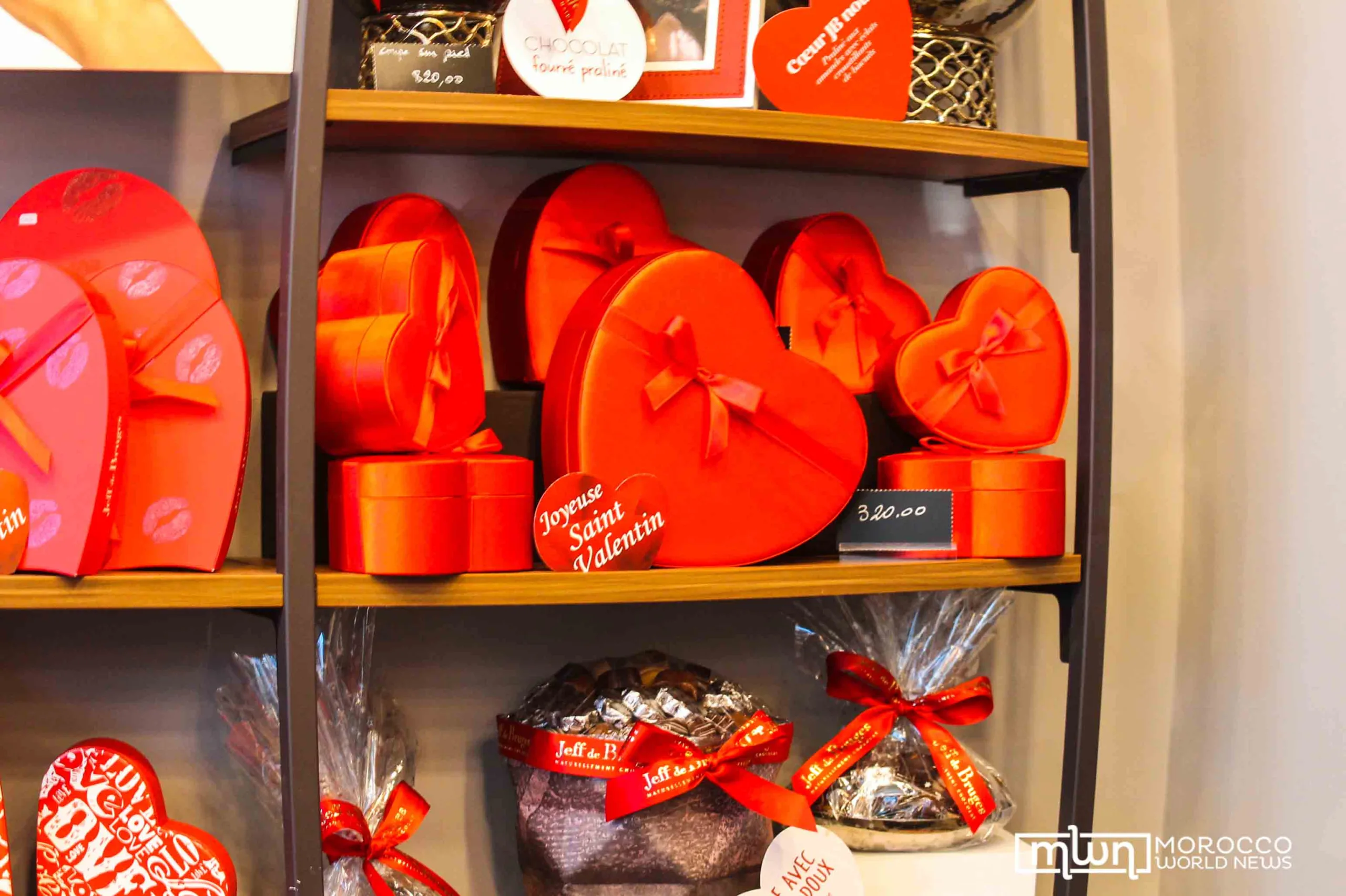
Rabat – Every year, as February rolls in like a soft whisper of spring, Morocco drapes itself in shades of red and pink, roses glowing like rubies in shop windows, chocolates nestled in heart‑shaped boxes, and decorations that make even the most skeptical passerby pause.
Valentine’s Day on February 14 has become a quiet, unmistakable presence across Moroccan cities, transforming streets and storefronts in a way that feels both familiar and surprisingly new.
Morocco’s relationship with Valentine’s Day isn’t a simple love story. On paper, this day of affection didn’t originate here.
Globally, the holiday traces back to ancient rites and centuries of tradition that eventually linked February 14 with romantic expression.
While its origins are rooted in Europe, the celebration has morphed into a modern symbol of love that travels far beyond its birthplace.
Yet Morocco’s version of Valentine’s Day has taken on its own rhythm.
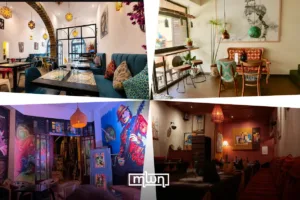
In major cities like Casablanca, Rabat, Tangier, and Marrakech, Valentine’s isn’t just a date on the calendar, it’s a commercial and cultural moment that pulse through flower shops, chocolate boutiques, bakeries and cafes.
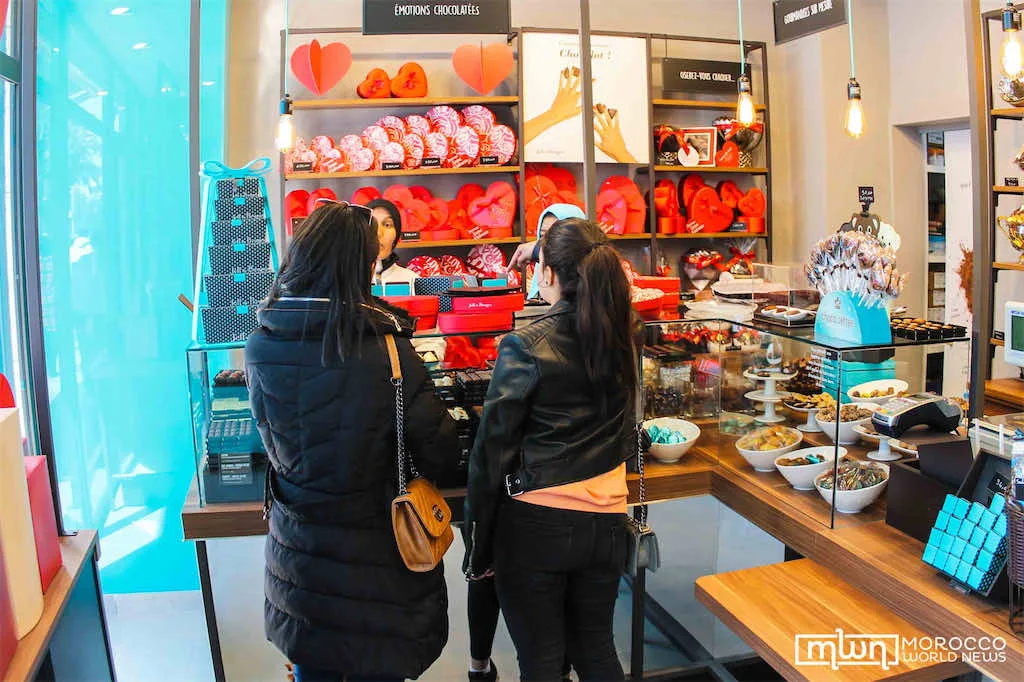
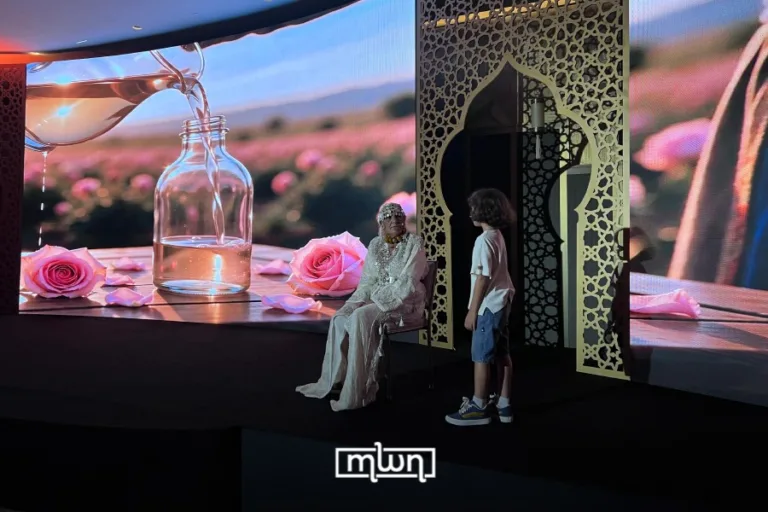
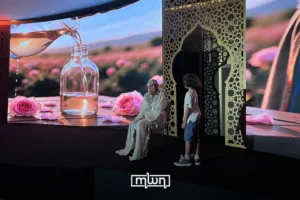
Red roses, a universal symbol of romance, are stocked in abundance. Florists prepare months in advance, ordering twice as many stems as they would during a typical month, waiting for that surge of demand that only February brings.
Chocolates, too, shed their everyday wrappers and appear in ornate boxes, often customized with sweet messages and elegant bows.
But it isn’t all glossy hearts and candlelit dinners. The holiday sparks debate across social gatherings, online forums, and marketplaces.
Some see Valentine’s Day as a playful excuse to make everyday love a little more festive, a chance to exchange flowers, share creative gifts, or indulge in special menus at restaurants offering themed dining experiences.

Others shrug it off as a commercial byproduct of global culture, a trend imported from abroad rather than a tradition rooted in Moroccan heritage.
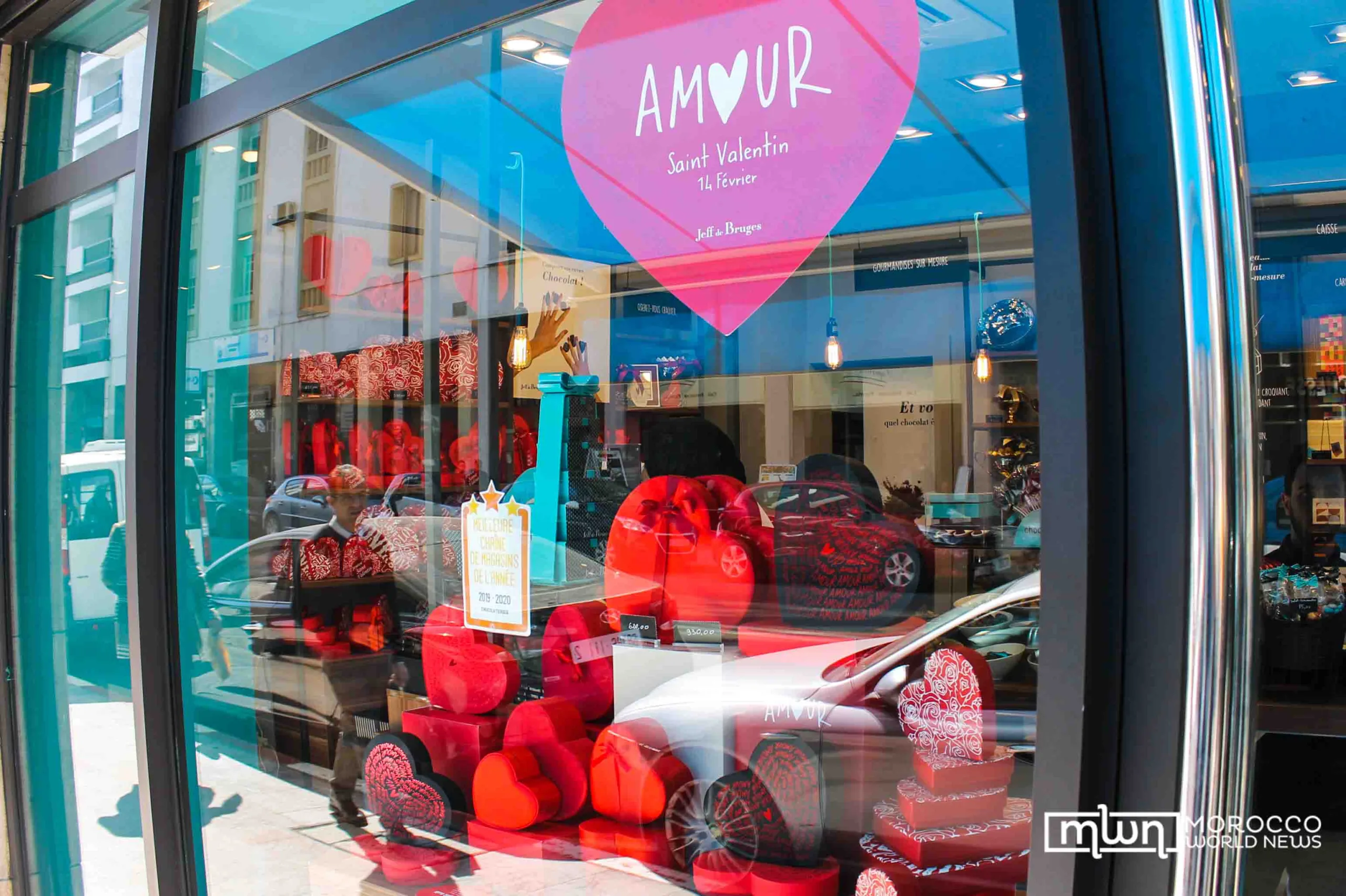
This duality is part of what makes Valentine’s Day in Morocco so fascinating. In downtown shopping centers and markets, merchants embrace the consumer moment, launching Valentine’s promotions and themed displays.
Outside of shops, red hearts and sweet treats compete for attention alongside traditional goods, blending global imagery with local flair.
What has truly changed over the years is not whether Valentine’s Day exists in Morocco, but how it is experienced.
In some circles, it remains a quiet, personal observance: a thoughtful note, a bouquet of roses, a box of handmade chocolates.
In others, it’s a full‑blown retail spectacle, seasonal decorations in shopping malls, special dessert menus, and Valentine‑themed gifts that range from artisan sweets to creative tokens crafted by local makers.
At its heart, Valentine’s Day in Morocco mirrors a larger cultural conversation: one where tradition, modernity, and global influence mingle like perfume in the air.