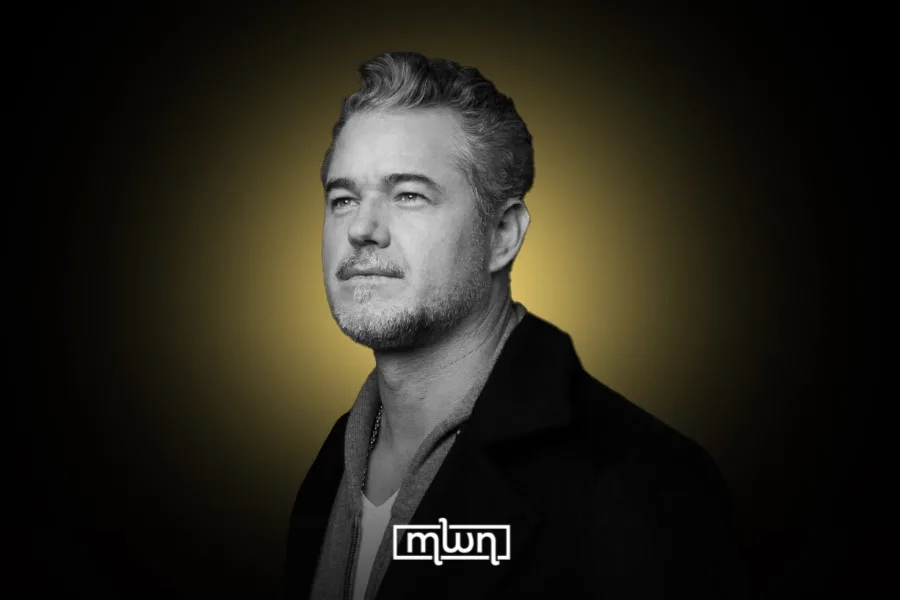
Rabat — American actor Eric Dane, best known for his roles in Grey’s Anatomy and Euphoria, died at the age of 53, less than a year after publicly revealing his diagnosis with amyotrophic lateral sclerosis (ALS).
His family confirmed that he died on Thursday evening following complications related to ALS, a rare and progressive neurodegenerative disease that affects nerve cells responsible for controlling voluntary muscle movement.
Dane first shared news of his diagnosis in April 2025, speaking candidly about the physical and emotional challenges he faced.
He also expressed a strong commitment to raising awareness about ALS and supporting scientific research efforts aimed at finding a cure.
His representatives said the actor spent his final days surrounded by close friends and family, including his wife, actress Rebecca Gayheart, and their two daughters, Billie and Georgia.
“Throughout his journey with ALS, Eric became a passionate advocate for awareness and research,” the statement read.
“He was determined to make a meaningful difference for others facing the same battle. He will be deeply missed and forever remembered.”
The family has requested privacy during this difficult time.
Iconic man, iconic shows
Eric Dane rose to international fame for his portrayal of Dr. Mark Sloan, nicknamed “McSteamy,” in Grey’s Anatomy, a role that made him a fan favorite and cemented his place in pop culture.
His performance brought charisma and emotional depth to one of the show’s most memorable characters.
He later earned critical attention for his role as Cal Jacobs in HBO’s Euphoria, where he showcased a darker, more complex range as a deeply flawed patriarch navigating identity and control.
Beyond these landmark performances, Dane built a diverse career across film and television, establishing himself as a versatile and enduring presence in Hollywood over the past two decades.
More than his on-screen achievements, the actor leaves behind a legacy marked by advocacy and compassion.
Following his diagnosis, he used his platform to speak openly about ALS, helping to shed light on a condition that remains under-researched and widely misunderstood.