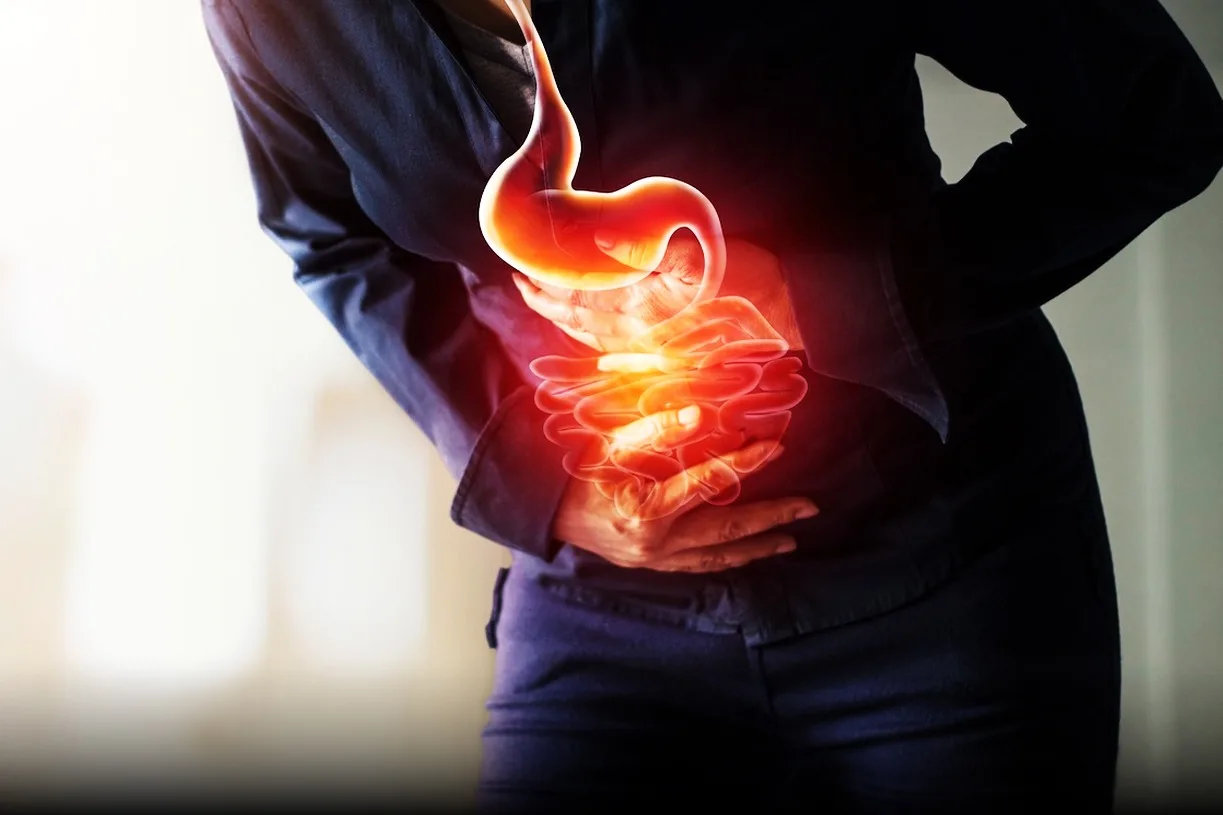
Fez — For many people, Ramadan brings spiritual clarity and discipline. For others, it also brings heartburn.
That burning sensation in the chest or throat, especially after ftour, is common during the holy month. The main reason is not fasting itself. It is how and what we eat when we break the fast.
Why heartburn increases during Ramadan
After long hours without food, the stomach produces acid in preparation for digestion. When ftour arrives, many people eat quickly and in large quantities. Heavy, fried, or spicy foods, combined with sugary drinks, can overwhelm the digestive system.
Lying down shortly after eating, drinking large amounts of juice at once, or consuming strong coffee immediately after ftour can also trigger acid reflux.
In simple terms, the stomach is empty all day. Then it suddenly receives a large, rich meal. The pressure increases, and acid can move upward into the esophagus, causing the familiar burning sensation.
Common triggers at ftour
- Fried foods like briouats and chebakia
- Tomato-based soups and sauces
- Spicy dishes
- Carbonated drinks
- Strong coffee on an empty stomach
- Overeating
How to reduce heartburn
Start ftour slowly. Break your fast with dates and water. Eat soup in moderate portions. Pause before moving to heavier dishes.
Avoid overeating in one sitting. Give your body time to adjust. Try to stay upright for at least one hour after eating. Limit fried and spicy foods, especially if you are prone to reflux.
Hydrate steadily between ftour and suhoor rather than drinking large amounts at once.
If symptoms persist frequently, medical advice may be necessary.
Ramadan is meant to bring balance and discipline. Applying that same moderation to meals can help ensure the month feels nourishing, not uncomfortable.