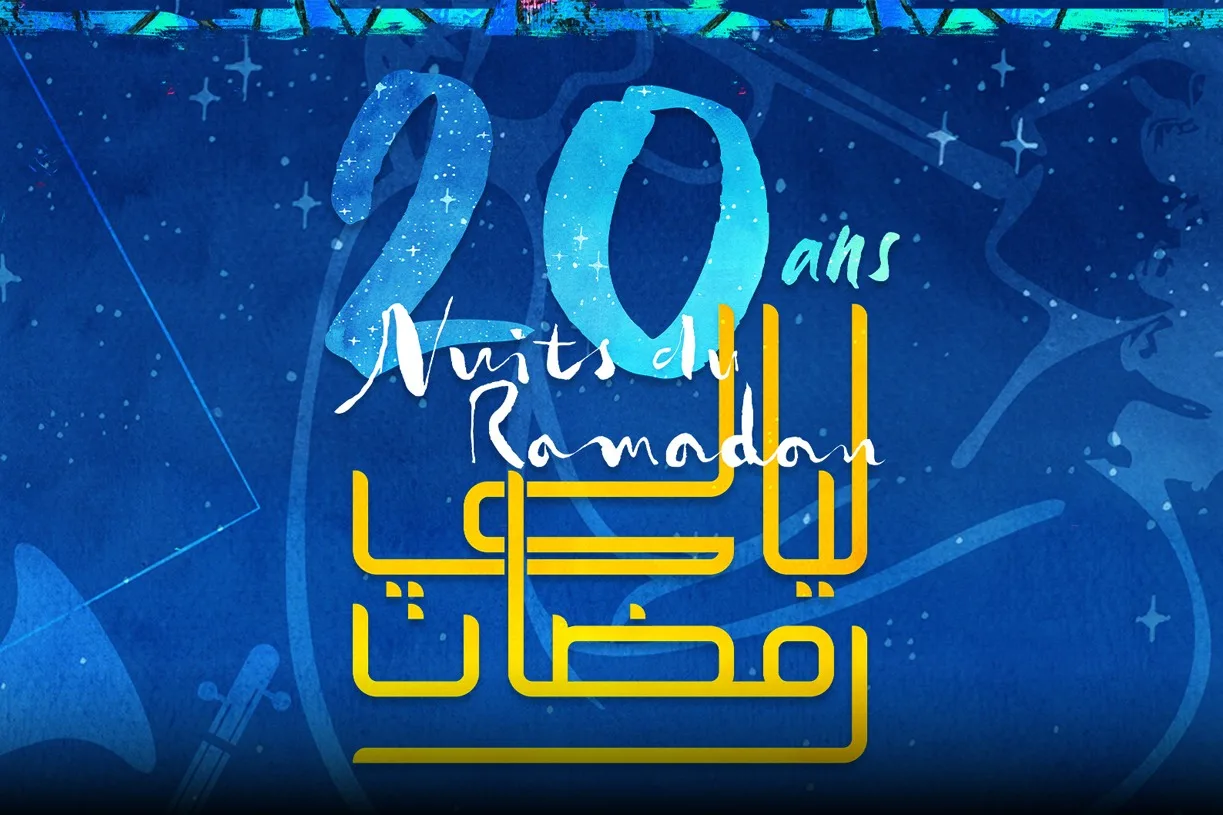
Fez — The Institut français du Maroc has launched the 20th edition of its “Ramadan Nights,” a nationwide cultural program running from February 20 to March 13 across 12 cities in Morocco.
Held under the theme “Échos du monde” (“Echoes of the World”), this anniversary edition reaffirms the event’s place in Morocco’s Ramadan cultural calendar. Over the past two decades, the initiative has grown into a multidisciplinary platform where music, dance, cinema, and contemporary performance meet, creating shared artistic spaces during the holy month.
This year’s program stretches from Tangier to Agadir, and from Oujda to Marrakech. Organizers describe the edition as a journey exploring the creative tensions between East and West, heritage and modernity, and tradition and innovation.
Dance and performance at the center
Dance and performance take a central role in the 2026 lineup. Among the highlights is “La Terre en transe,” choreographed by Taoufiq Izeddiou and staged from February 25 to March 7 in six cities, including Rabat, Casablanca, and Marrakech. The piece brings together nine dancers and three musicians in a ritual-inspired performance blending techno rhythms with traditional percussions, turning the body into a site of both expression and release.
Another major event is “Songe d’Orient,” presented between March 5 and 12 in Agadir, El Jadida, Oujda, and Tétouan. Directed by Raphaël Mas, the production unites nine musicians performing in twelve languages. The repertoire weaves together Arab-Andalusian, Gregorian, and contemporary influences, offering an intercultural dialogue that reflects the festival’s broader theme.
Cinema, music, and immersive creations
Cinema also features prominently in the 20th edition. French film historian Serge Bromberg will tour several cities between February 20 and March 4 with a ciné-concert dedicated to silent film. Through rare footage and live musical interpretation, the performances revisit the origins of cinema while offering audiences a renewed experience of early film art.
Meanwhile, “Ibantuta,” scheduled from March 3 to 6 in Essaouira, El Jadida, and Meknes, proposes an immersive cine-performance inspired by the Silk Roads. The project combines live music with visual projections, inviting spectators into a sensory and cross-cultural journey.
Alongside international and touring productions, the program highlights Moroccan talent in each host city. Performances include the Chorale Noujoum Souss in Agadir, the Chœur de Chambre du Maroc and Tambours Calices in Casablanca, Maâlam Nizar Al Jamali with the Qadiriyya Aïssaouia ensemble in El Jadida, Racines Fola in Fez, Bambra Echo in Kenitra, Ensemble Rhoum El Bakkali in Rabat, and Lila Derdeba in Tangier, among others.
By bringing together local artists and international creators, the “Nuits du Ramadan” continue to position cultural exchange at the heart of Ramadan evenings. As the festival marks its 20th year, it underscores the enduring vitality of Morocco’s artistic scene and the capacity of heritage to evolve through dialogue, turning the country into a stage where echoes of the world resonate throughout the holy month.