Fez — The Embassy of the Republic of Poland, in partnership with the Mohammed VI Museum of Modern and Contemporary Art (MMVI), has announced a special Ramadan film cycle celebrating Polish cinema in the Moroccan capital.

Titled the Ramadan Evenings of Polish Cinema, the program will run every Tuesday at 9 p.m. from February 24 to March 17 at the museum’s auditorium. The initiative aims to introduce Moroccan audiences to major works from the Polish Film School, combining screenings with in-depth discussions led by Moroccan film critic Mohammed Bakrim.
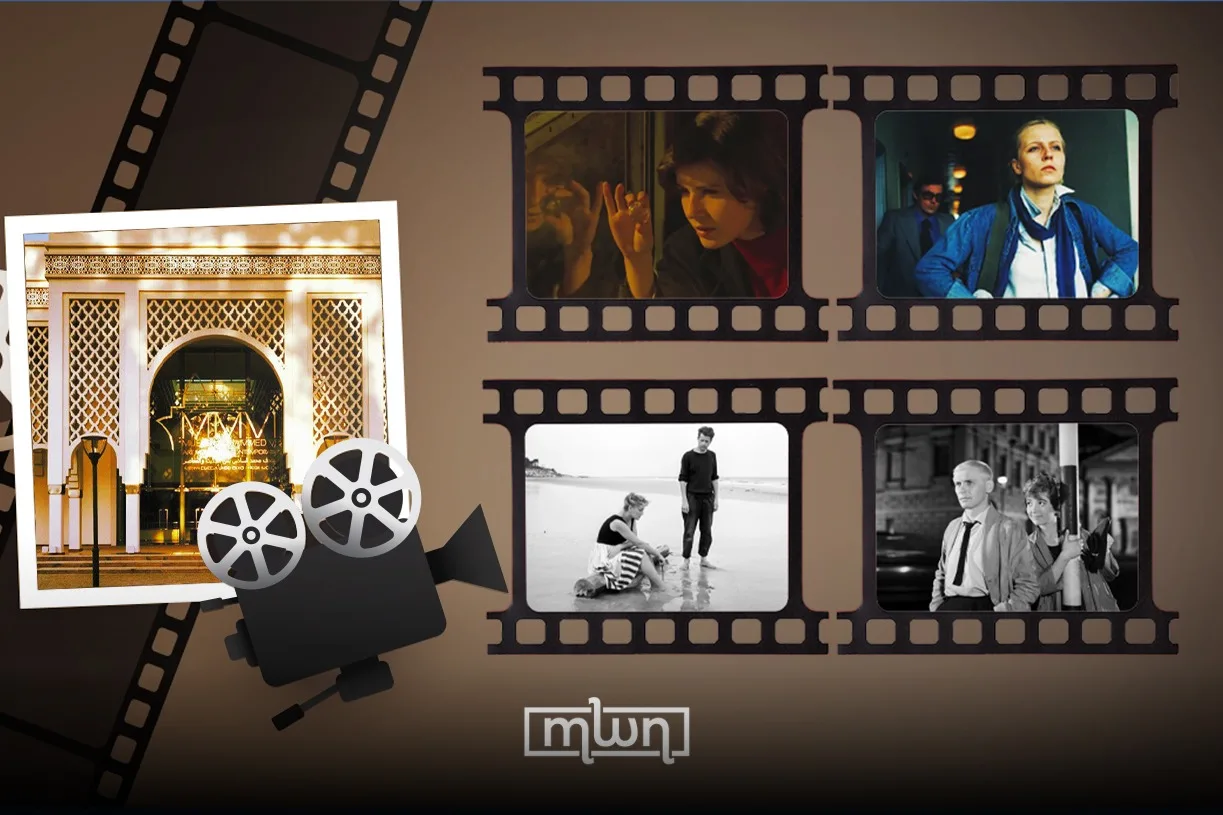
The curated selection features four landmark films by renowned Polish directors Tadeusz Konwicki, Andrzej Wajda, and Krzysztof Kieślowski. Organizers describe the series as a cine-club experience designed for film enthusiasts, students, and anyone interested in exploring European auteur cinema.
A journey through postwar introspection
The cycle opens on February 24 with “Ostatni dzień lata” (“The Last Day of Summer”), directed by Konwicki in 1958. Set on a deserted Baltic beach, the film follows a chance encounter between a man and a woman, both marked by the invisible scars of World War II. Through sparse dialogue and expressive silence, the story examines solitude, trauma, and the fragile possibility of connection in a society rebuilding itself after catastrophe.

A week later, on March 3, audiences will watch “Niewinni czarodzieje” (“Innocent Sorcerers”), Wajda’s 1960 portrait of youth in postwar Warsaw. Centered on a young doctor and a student who meet in a jazz club, the film captures a generation negotiating conformity and freedom, as conversations on love and identity unfold over the course of a single night.

Cinema as political memory and metaphysical reflection
Wajda’s 1977 masterpiece “Człowiek z marmuru” (“Man of Marble”) takes the screen on March 10. The film traces a young filmmaker’s investigation into the rise and fall of a once-celebrated socialist worker. Blending archival footage and fictional reconstruction, the narrative questions propaganda, myth-making, and the role of artists in confronting political power.

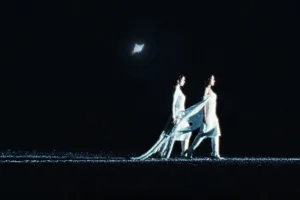
The program concludes on March 17 with “Podwójne życie Weroniki” (“The Double Life of Véronique”), released in 1991 by Kieślowski. The film follows two identical women living parallel lives in Poland and France, connected by an inexplicable bond. Through poetic storytelling and luminous cinematography, the work explores destiny, artistic sensibility, and the unseen threads that shape human existence.

By spotlighting these films, the Ramadan cycle offers Moroccan audiences a window into the moral depth and formal boldness that define the Polish Film School. Beyond simple screenings, the initiative creates space for dialogue and cultural exchange during a month traditionally associated with reflection and community.
As Rabat’s cultural calendar expands, such collaborations underscore the enduring power of cinema to bridge histories and geographies, turning the museum auditorium into a meeting ground for shared artistic discovery.