Fez — The “Festival du livre africain de Marrakech” (African Book Festival of Marrakech), widely known as FLAM, is set to return for its fourth edition from April 23 to 25 with organizers placing imagination at the heart of this year’s program.
On its official website, the festival presents this year’s edition under the title “Imaginer d’autres possibles” (“Imagining Other Possibilities”), signaling an ambition that goes beyond a conventional literary gathering.
Rather than framing books as a retreat from reality, FLAM 2026 is positioning literature as a way to confront the present and rethink the future.
The festival’s editorial line argues that imagination is not a luxury, but an essential force for understanding the world and transforming it. In that spirit, the event is being presented as a space where literature, poetry, and art can challenge resignation and reopen the field of what feels possible in African and diasporic thought.
Founded by Mahi Binebine, Fatimata Wane, Hanane Essaydi, and Younès Ajarraï, and carried by the association “We Art Africa//Ns,” FLAM has steadily built a reputation as one of the continent’s most visible literary platforms.
The festival’s official materials describe it as a meeting point for writers, thinkers, artists, and readers from Africa and its diasporas, with programming designed to encourage circulation between ideas, languages, and generations.
Literature beyond the page
One of FLAM’s distinguishing features is its deliberately transdisciplinary character.
Alongside book conversations, debates, and author dialogues, the festival also includes workshops, master classes, school and university outreach, and evening programs that bring literature into conversation with music, slam, dance, and live performance.
Organizers say more than 50 authors and artists from around 20 countries are expected this year, reflecting the event’s growing continental and international reach.
Youth programming also remains central to the festival’s identity.
The 2026 edition continues FLAM’s effort to create spaces where younger audiences can engage directly with writing, storytelling, and artistic expression, not simply as spectators but as participants in shaping their own imaginative worlds. That emphasis has helped the festival stand out in Morocco’s cultural calendar, especially at a time when literary events are increasingly expected to speak to broader social and educational concerns.
This year’s edition also carries added symbolic weight through the continued association of Jean-Marie Gustave Le Clézio, identified by the festival as its honorary president.
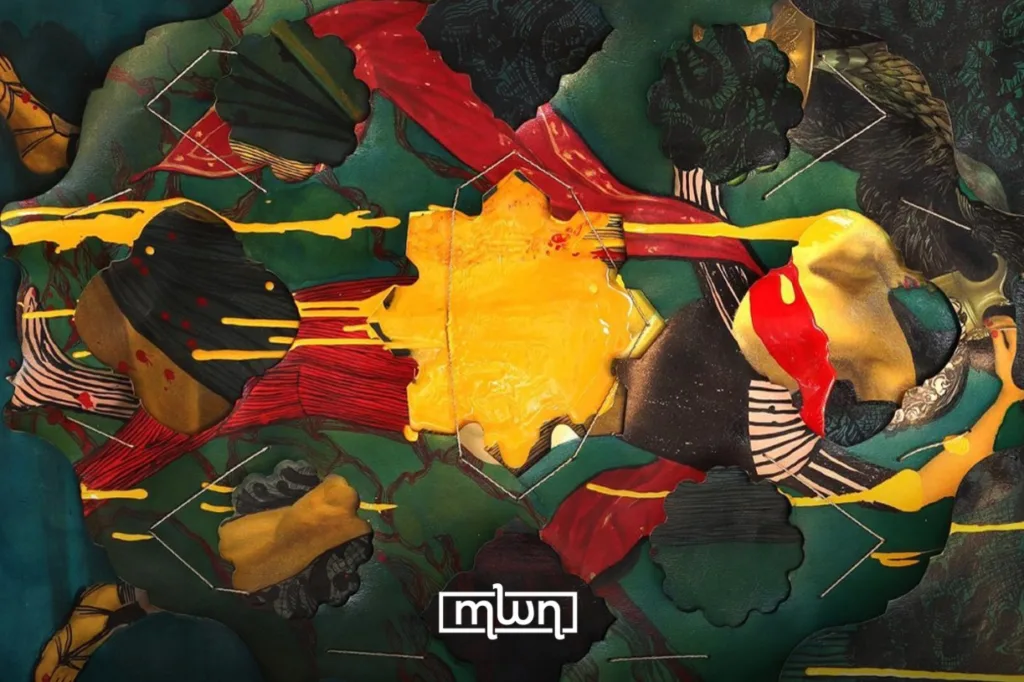
Official FLAM materials also highlight visual artist Zoulikha Bouabdellah in connection with the 2026 edition’s poster, extending the festival’s dialogue with the visual arts and questions of identity, memory, and cultural circulation.