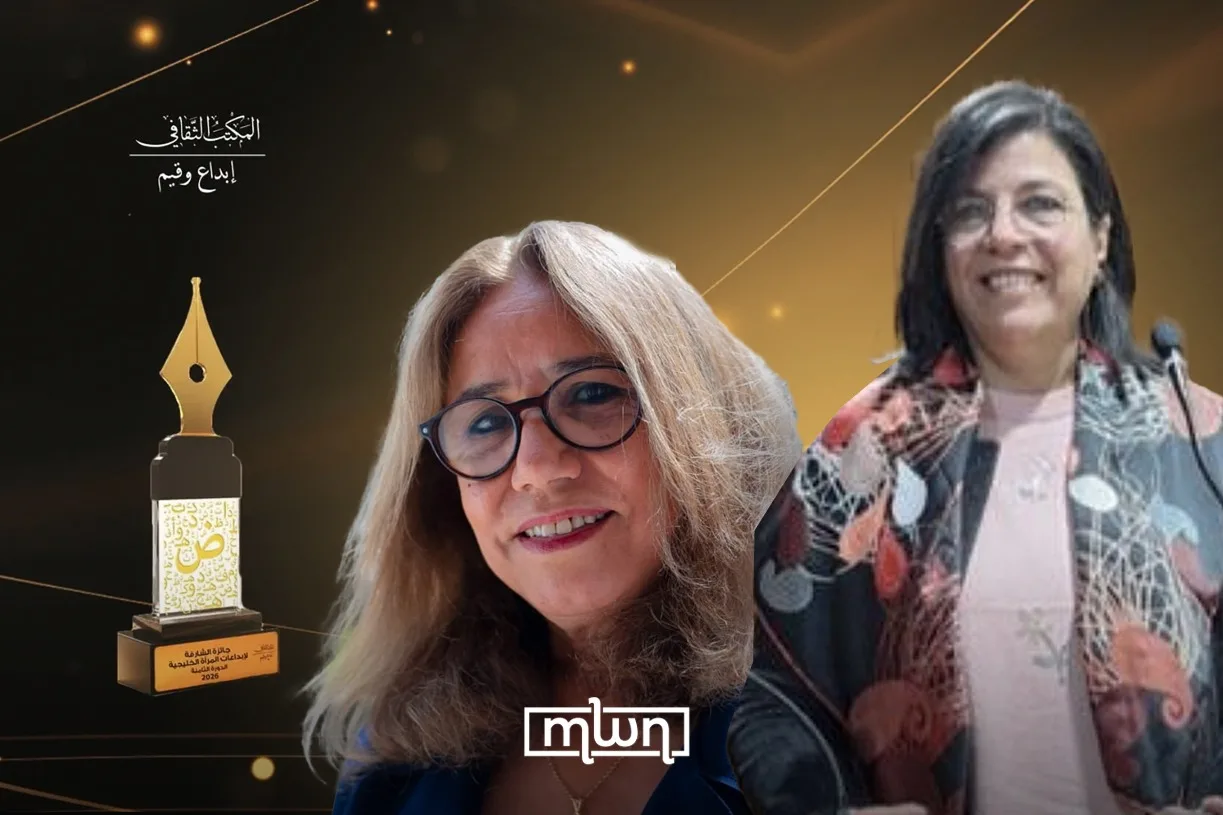
Fez — Two Moroccan academics have won honors at the eighth edition of the “Sharjah Award for Gulf Women’s Creativity,” after Morocco was selected as guest of honor for this year’s literary studies category.
The Cultural Office of the Sharjah Family and Community Council announced the winners on Thursday, April 30, with Moroccan scholars Salma Barahma and Zohour Karam appearing among the honorees from the guest country.
Barahma won for her critical study “Narration as Transgression and Questioning of Patriarchal Cultural Concepts in ‘Cinderellas of Muscat’ by Huda Hamad,” while Karam received the Jury Award for her study titled “The Arabic Novel and the Dialectic of Cultural Features and Structures.”
Morocco as guest of honor
The eighth edition chose Morocco as guest of honor, opening participation to Moroccan women researchers in the field of literary studies. The selection gave the competition a wider Arab dimension while keeping its central focus on women’s writing and criticism in the Gulf.
The award’s 2026 edition included three main categories: literary studies, narrative creativity through the short story, and poetry, specifically free verse.
Organizers said the edition crowned seven women creators from Gulf Cooperation Council countries, alongside the Moroccan guest-country recognitions.
Gulf winners across poetry and fiction
In poetry, Saudi writer Maha Al-Otaibi won for her collection “Dar Al-Ashiqeen.”
The short story award was shared by Kuwaiti writer Estabraq Ahmed for “A Drone Plane Lights Above My Head” and Omani writer Laila Abdullah for “Index of Kings.”
Emirati writer Fatima Al-Mazrouei won the Jury Award in narrative creativity for her story “Kohl Ithmid.”
In literary studies, Omani researcher Wafaa Salem Al-Shamsi won for her study “Cultural Features in the Modern Arabic Novel.”
Supporting women’s literary voices
The list reflects the award’s broad interest in both creative and critical writing, bringing together fiction, poetry, and academic analysis under one platform.
Saleha Ghabesh, cultural adviser at the council’s executive office, said during the event that the growing turnout of Gulf women writers reflects the increasingly visible role of women in the cultural field.
She added that dedicating the award to Gulf women’s voices does not prevent the program from hosting Arab participants, noting that serious cultural prizes help support human creativity and enrich Arabic literature across poetry, fiction, novels, and literary studies.