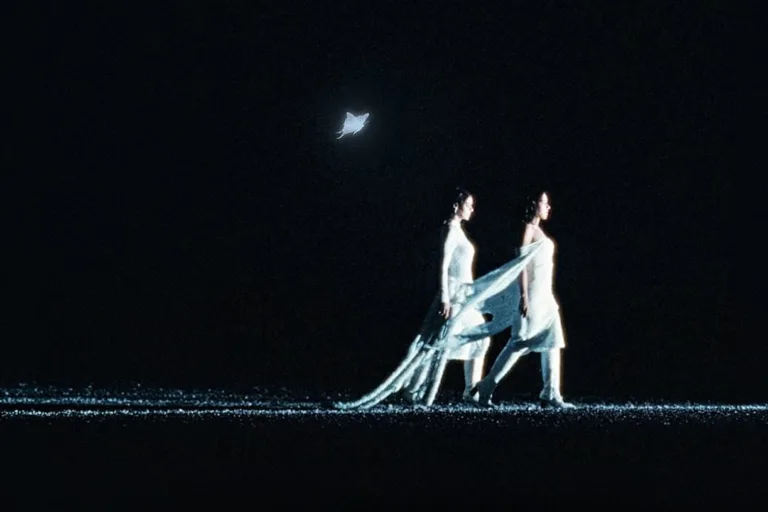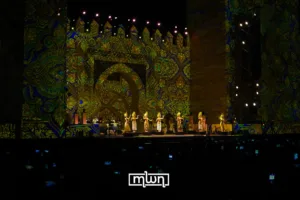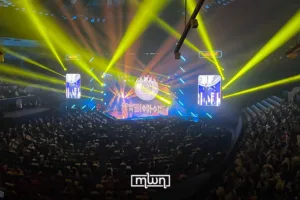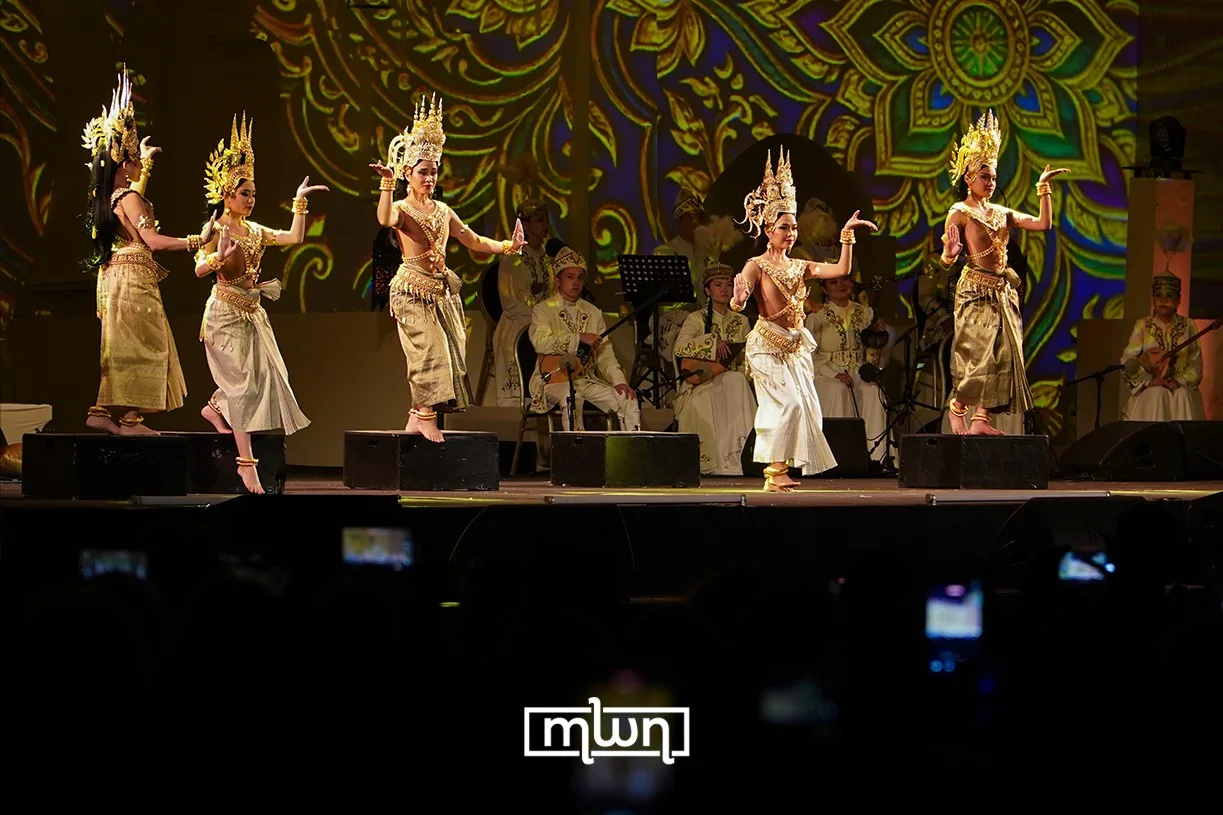
Fez– Beneath the illuminated walls of Bab Makina, this year’s Fez Festival of World Sacred Music opened Thursday evening with a sweeping artistic creation that transformed craftsmanship into spectacle, memory into performance, and heritage into a living narrative.
The opening production, conceived as a celebration of Fez’s artisan soul, invited audiences on a journey through the city’s centuries-old traditions, where the hand of the craftsman became both creator and storyteller.
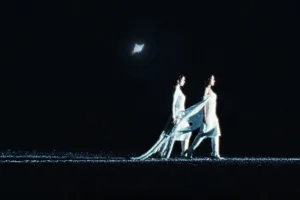
Guided by lantern light and animated by music, dance, projections and poetry, the performance explored the intimate bond between humanity and the four elements that have long shaped creation: earth, water, air and fire.
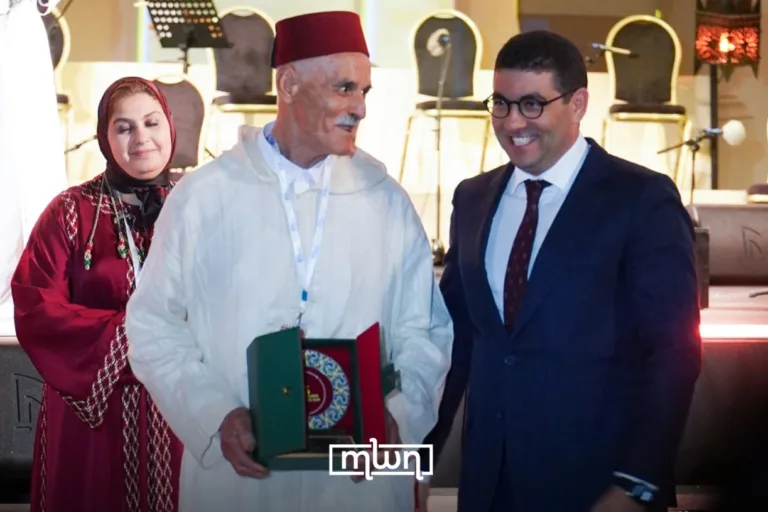
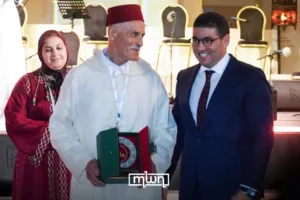
Addressing the significance of the event, Morocco’s Minister of Youth, Culture and Communication, Mehdi Bensaid, described the festival to MWN Lifestyle Magazine as “a window into Morocco, on the cultural front, but also a window to the world.”
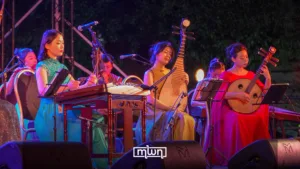
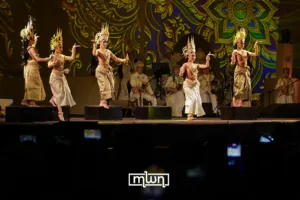
His remarks resonated throughout a production that brought together artists from Morocco, Central Asia, India, China, Cambodia and the Balkans, illustrating centuries of exchanges that helped shape the cultural identity of Fez and the wider Mediterranean world.
At the core of the spectacle was the artisan’s gesture itself: deliberate, timeless, and deeply symbolic.
More than a physical act, it emerged as a transmission of memory, identity, and knowledge across generations, reflecting the central role craftsmanship continues to play in the spiritual, cultural, and historical identity of Fez.
The narrative unfolded through the winding history of Fez, following the threads of the city’s weavers back to the Silk Road, retracing the routes that connected Morocco to Central Asia, India and China.
Ancient zellige patterns echoed the geometric visions of distant civilizations, while a blazing forge paid tribute to blacksmiths whose mastery of fire once inspired both admiration and awe.
Alain Weber, Artistic Director of the festival, emphasized that the opening night reflected a philosophy that has guided the event for nearly a decade: presenting heritage not as a static tradition, but as a living story.
“We try to really build a real story around them,” Weber explained to MWN Lifestyle magazine, describing how artists from different cultures and disciplines were brought together to create a shared narrative.
For him, traditional arts remain “a way for dreaming, expressing poetry and humanity,” capable of revealing the deep connections between the spiritual and material worlds.
That dialogue between cultures was also visible on stage through the participation of Turkey’s renowned Konya Sema Ensemble, whose whirling dervishes brought one of the Islamic world’s most enduring spiritual traditions to the festival’s opening ceremony.
The Sema ritual, which traces its roots to the teachings of Jalaluddin Rumi and the city of Konya, embodies a spiritual journey through movement.
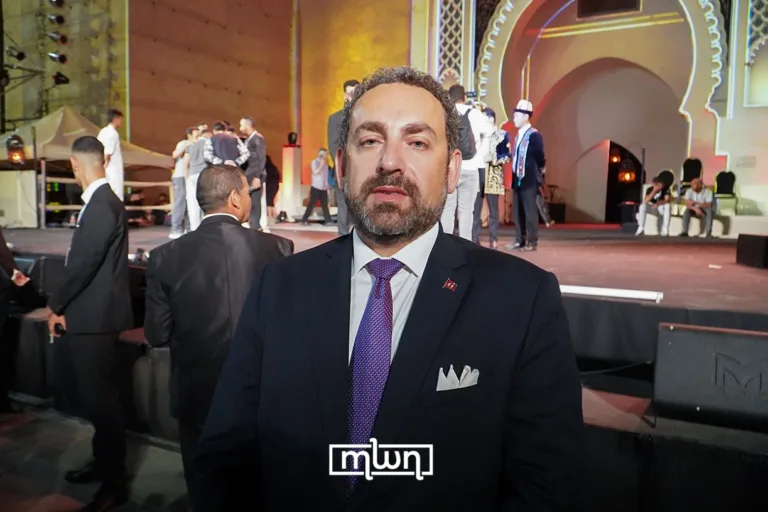
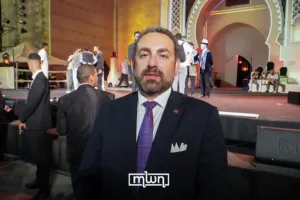
As Turkey’s Ambassador to Morocco, Mustafa İlker Kılıç, noted, the ceremony is ultimately centered on love and devotion.
“One hand takes from Allah and the other hand gives to the earth,” the ambassador said to MWN Lifestyle Magazine, reflecting on the symbolism of the dervishes’ movements.
He described the ritual as one of Turkey’s most cherished cultural traditions and expressed pride in seeing it featured prominently in Fez’s opening celebration.
The evening’s artistic vision extended beyond craftsmanship and spirituality to embrace the festival’s broader mission as a meeting place between cultures.
As music filled the historic esplanade and artisans’ traditions were reimagined through contemporary staging, the opening night offered more than a performance.
It served as a reminder that culture remains a bridge between peoples, generations and beliefs.
In a city built on knowledge, craftsmanship and spiritual exchange, the 2026 Fez Festival of World Sacred Music began by celebrating the creators whose hands have shaped that legacy for centuries, and whose stories continue to inspire the world today.