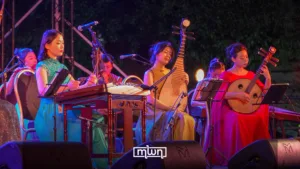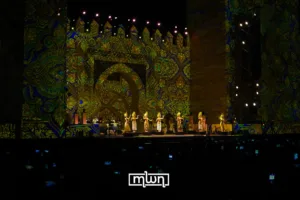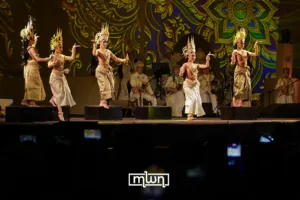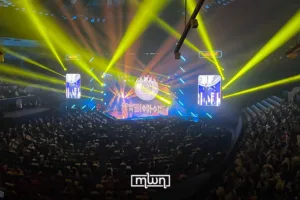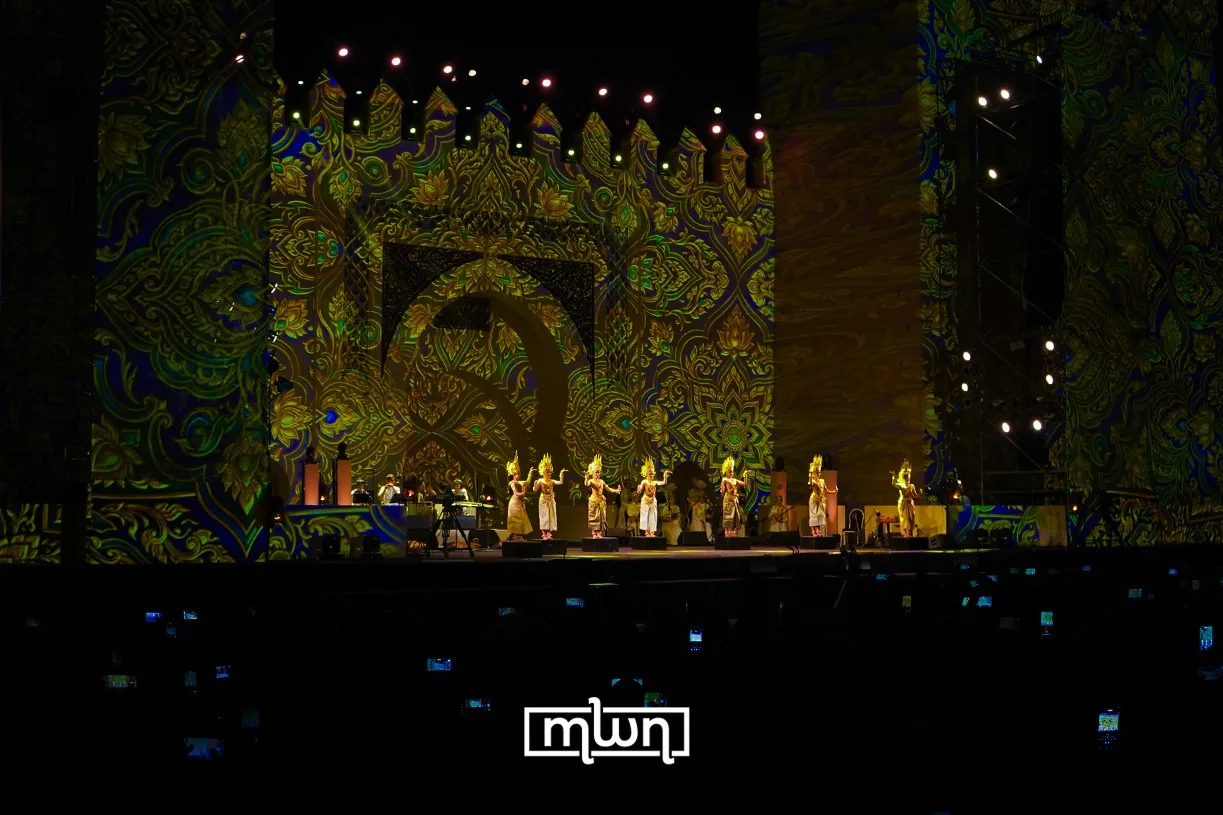
Fez — Bab Makina became a stage of fire, silk, metal, rhythm, and memory on Thursday night as the 29th edition of Fez Festival of World Sacred Music opened with “Anima Ex Materia – Du ciel à la terre” (Anima Ex Materia – From Heaven to Earth).
The opening creation launched this year’s edition, held under the theme “Fes et les Mâalemines, Gardiens du Geste et du Patrimoine” (Fez and the Master Artisans, Guardians of Gesture and Heritage).
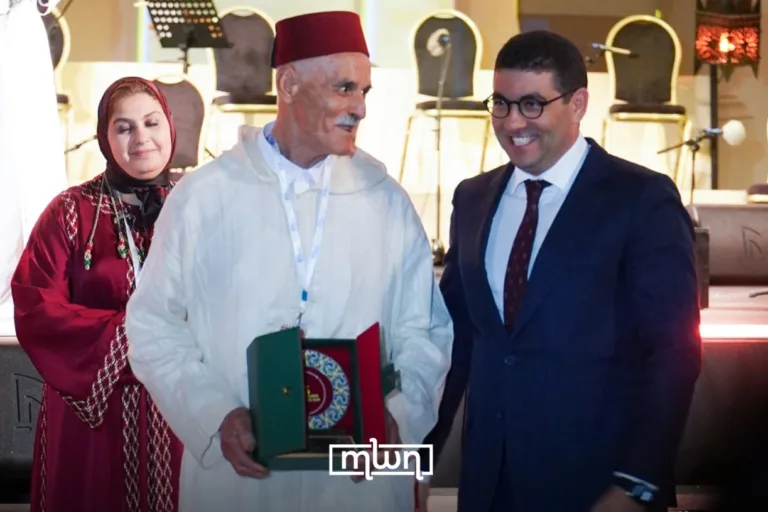
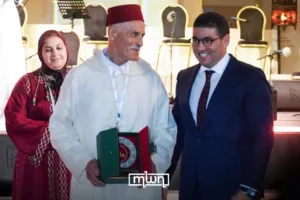
Morocco’s Minister of Youth, Culture and Communication Mohamed Mehdi Bensaid framed the festival as both a national showcase and an international meeting point. “It’s a window into Morocco, on the cultural front, but it’s also a window to the world,” he told MWN Lifestyle Magazine.

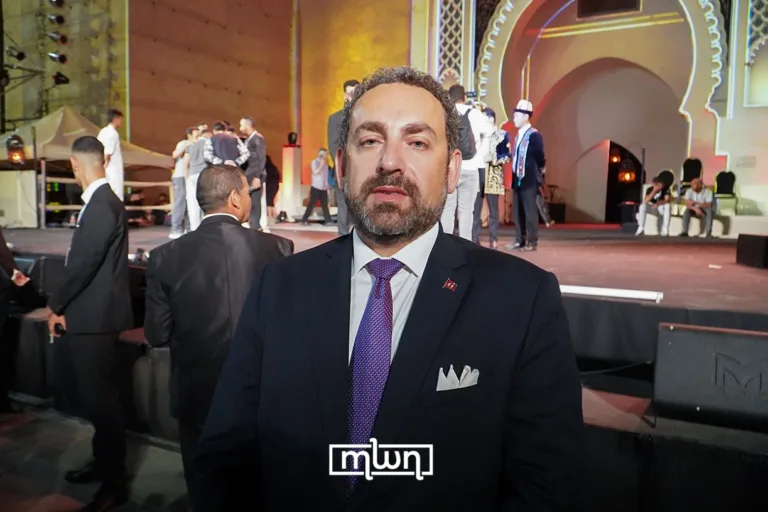
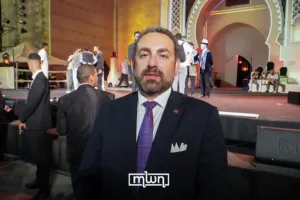
Turkey’s ambassador to Morocco, Mustafa Ilker Kılıç, also highlighted the spiritual dimension of the evening through the participation of the Konya Ensemble Sema.
“At the center of it is love, love of Allah,” he told MWN Lifestyle magazine, describing the centuries-old Sema ritual that connects divine love, circular movement, and earthly transmission.
A creation shaped by craft and movement
The strongest voice behind the night was artistic director Alain Weber, who built the opening as a full theatrical and musical journey rather than a concert.

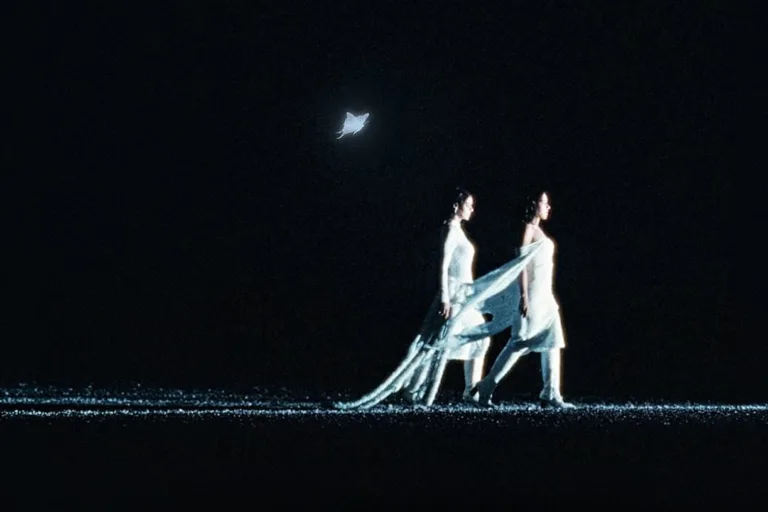
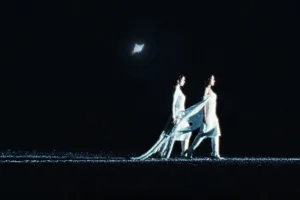
The performance moved through the four founding elements of water, earth, air, and fire, using mapping, choreography, traditional music, and visual storytelling to connect craft with spirituality.
“Traditional music is always a way for dreaming,” Weber said.
For Weber, the opening creation explored the place where the material world meets the spiritual world. Iron, silk, fire, tapestry, and movement became more than stage elements. They became signs of travel, memory, and human creation.
That vision also carried mythic weight. The performance evoked figures such as Hermes and Idriss as symbols of knowledge, transmission, and the link between celestial wisdom and earthly making.
The artisan was presented as a keeper of hidden knowledge, someone able to transform material into meaning through inherited gestures.
That idea gave the performance its emotional structure. Blacksmiths evoked power and fear through fire and iron. Silk opened another route, linking Fez to wider histories of exchange and craftsmanship. The stage became a moving archive of materials shaped by hands, roads, and civilizations.
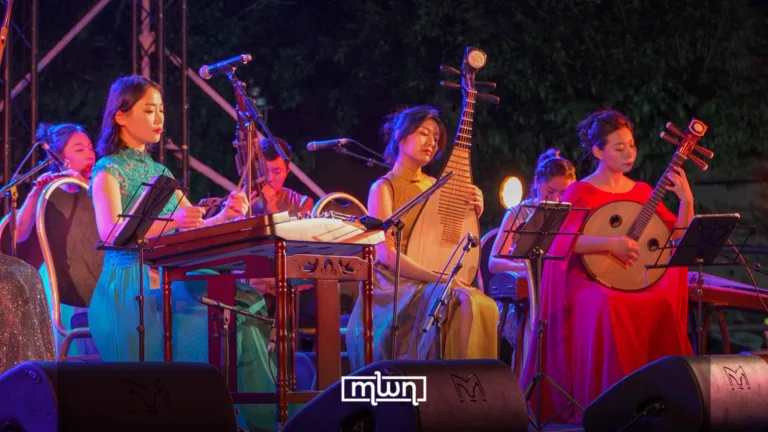
Mathias Lévy brought jazz violin and gypsy music into the performance, joining Indian percussion and dance in a collaboration shaped by improvisation.
“Gypsy music has very common roots with Indian music, so it was a good way to find something together,” Lévy told MWN Lifestyle.
Cécilka, a French Russo-Romanian dancer trained in Russian gypsy dance, embodied fire through movement and costume. Her traditional skirt, built with more than eight meters of fabric, expanded across the stage like flame, wing, and wave.

“I am often told that I look like a bird or a butterfly, but also like fire,” she said.
The venue strengthened the performance’s visual force. Bab Makina’s monumental walls gave the mapping room to breathe, while lantern-like light, shifting projections, percussion, and flowing costumes turned the historic space into an open-air ritual. The audience followed the changing scenes with quiet attention, then responded warmly as each sequence revealed a new craft, route, or spiritual tradition.

“Anima Ex Materia” worked because it treated heritage as movement; it went beyond nostalgia. It brought together artisans, dancers, musicians, and sacred traditions without flattening their differences, allowing Fez to appear not only as a historic city, but as a living workshop of culture.
The opening night set the tone for a festival built around encounters. In celebrating the mâalemines, the Fez Festival reminded its audience that heritage survives through gestures, and that every gesture carries a story beyond the hand that performs it.