Fez– The second evening of the Fez Festival of World Sacred Music placed Women’s voice at the heart of its programme, bringing together artists whose performances revealed singing as a vehicle for spirituality, memory and cultural transmission.
Across traditions separated by geography yet united by a shared devotion to vocal expression, the evening unfolded as a celebration of heritage constantly renewed through artistic creation.
The journey began with Lebanese singer Ghada Shbeir, whose profound interpretation of Aramaic chants enveloped the audience in an atmosphere of contemplation.
Sung in the language traditionally associated with Jesus of Nazareth, her repertoire carried a sense of serenity that transformed the stage into a space of reflection and inner peace.
Indian vocalist Kaushiki Chakrabarty then introduced audiences to another dimension of sacred and classical expression.
Appearing for the first time at the festival, the acclaimed artist displayed the remarkable virtuosity that has made her one of the leading voices of Hindustani classical music.
Her mastery of khayal, shaped by the Patiala Gharana tradition, combined technical precision with emotional depth, allowing centuries-old musical forms to resonate with striking immediacy.
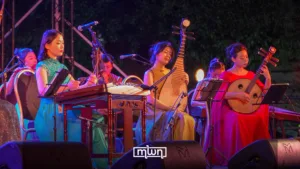
The spirit of cultural dialogue continued through Matrouz, the “embroidered song” tradition that intertwines Arabic and Hebrew poetry.
Rooted in the memory of Al-Andalus, the repertoire evoked a shared heritage where languages, faiths and artistic traditions coexist within the same musical fabric.
That dialogue between preservation and renewal has long been central to the artistic journey of Moroccan singer Nabyla Maan.
Performing in her native city of Fez, Maan brought her distinctive approach to Moroccan heritage, one that embraces tradition while seeking new ways to speak to contemporary audiences.
For the artist, the survival of traditional music depends precisely on this ability to evolve.
As she told MWN Lifestyle magazine on the sidelines of the festival, “the music that has endured over time is the music that we have been able to revisit and modernize.”
While preserving its original foundations, she said, artists must continue exploring new interpretations capable of reaching younger generations and encouraging them to reconnect with the richness of Morocco’s musical legacy.
The commitment is both artistic and personal.
Maan described working on traditional repertoires as a responsibility she carries as a Moroccan artist, but also as a source of genuine pleasure.
Researching ancestral musical forms and imagining new ways to reinterpret them has become a defining element of her creative work.
That connection to heritage is inseparable from her attachment to Fez itself.
“This entire city is part of me and I am part of this city,” she said, recalling how the spiritual and cultural atmosphere of the city shaped her artistic sensibility from an early age.
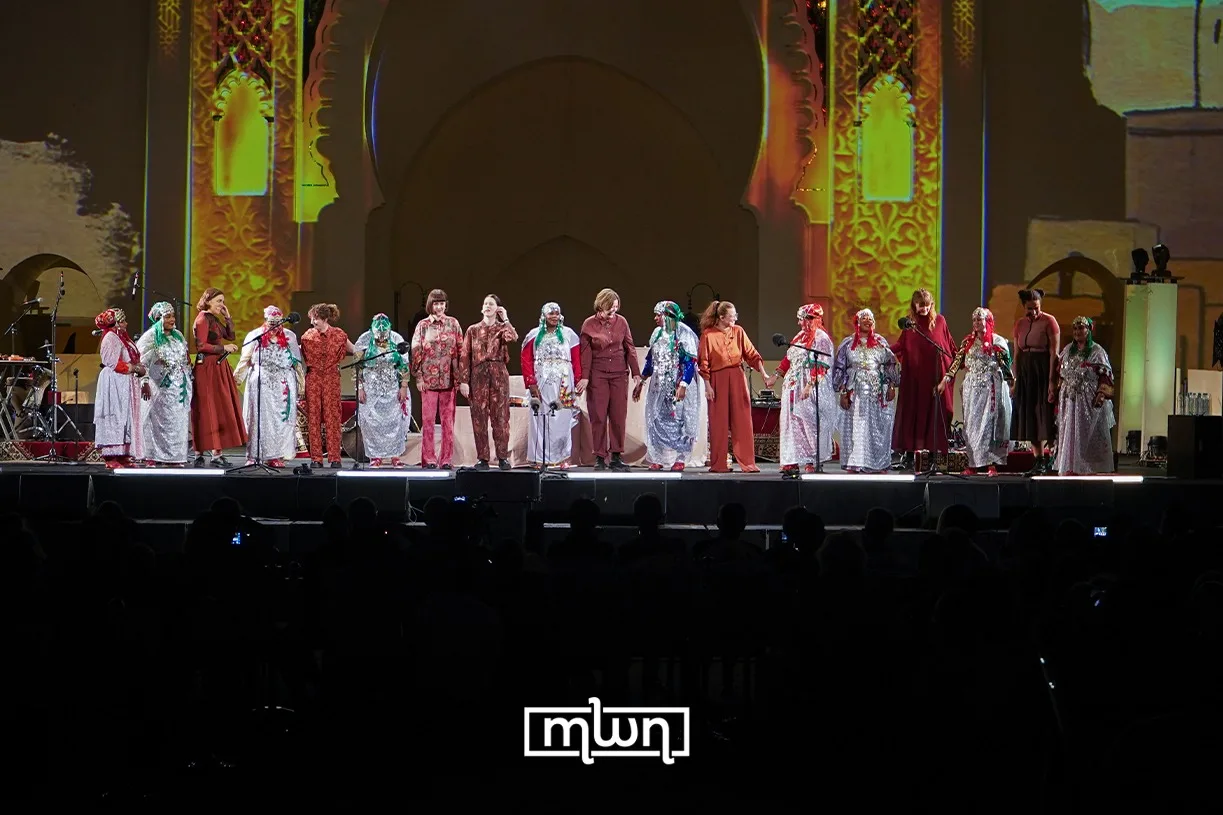
The evening’s exploration of the voice then entered a more contemporary register with B O D I E S Ensemble, the acclaimed vocal creation led by Australian singer, songwriter and composer Kat Frankie.
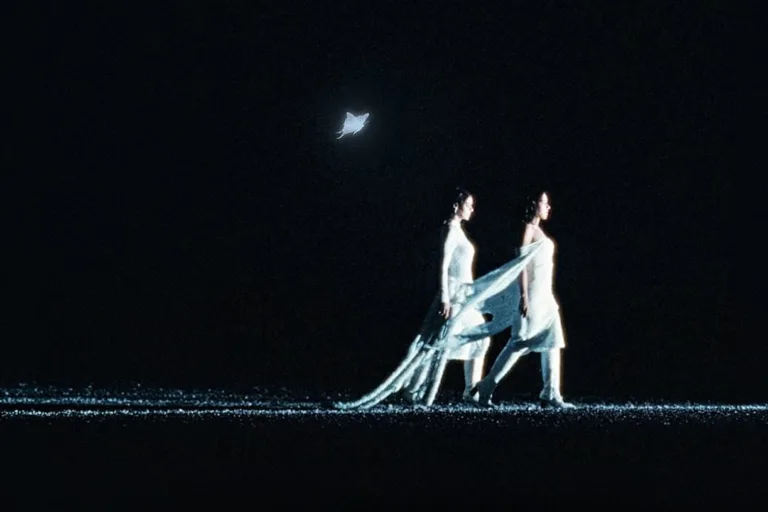
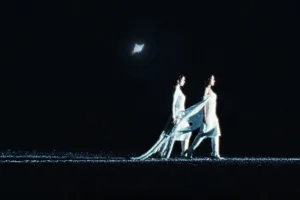
Accompanied by seven performers, Frankie transformed the stage into a living landscape of harmonies, rhythms and vocal textures produced almost entirely without instruments.
The project reimagines the possibilities of collective singing.
Voices overlap, respond and merge, creating an intricate sonic architecture where individual identities dissolve into a larger whole.
Drawing on original compositions while incorporating elements of pop and neo-classical music, B O D I E S challenges conventional approaches to vocal performance and opens new pathways for artistic expression.
In her artistic vision, Frankie views the voice not merely as an instrument but as a physical and emotional force capable of creating powerful connections between performers and audiences.
That philosophy was evident throughout the performance, where movement, breath and sound combined to produce an immersive experience built entirely around the human body.
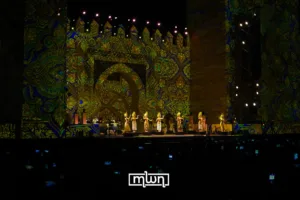
The programme brought a surprising moment with the women of Ahwach Isaffen from Morocco’s High Atlas, whose collective songs echoed many of the themes explored throughout the evening preforming with B O D I E S, to demonstrate how music transcend cultural, religious or language barriers.
Rooted in oral transmission and community life, their performances offered a reminder that the voice remains one of humanity’s oldest and most enduring forms of cultural memory.
Sacred chants, classical traditions, Andalusian legacies, contemporary creations and Amazigh expressions met on the same stage, the second night of the festival demonstrated how music continues to transcend borders while remaining deeply rooted in place.
In Fez, heritage was not presented as a relic of the past but as a living tradition, constantly reinterpreted by artists determined to carry it forward.