Marrakech — The second day of the Marrakech Short Film Festival moved between two sides of short filmmaking: building an industry around the form and giving audiences a place to encounter the finished work.
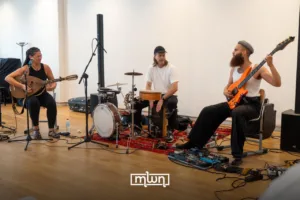
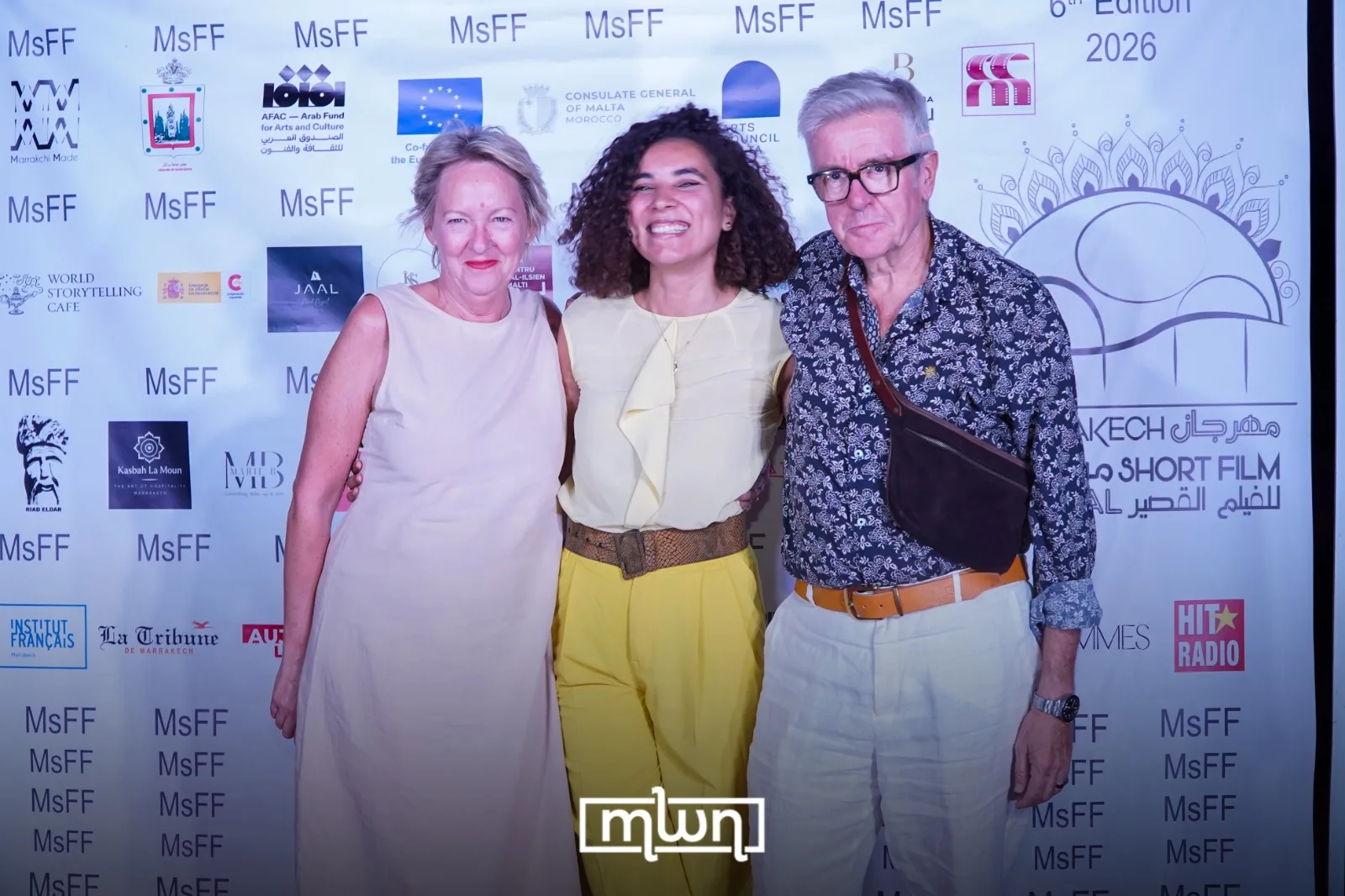
Before the evening screenings at Cyber Park, MARRAKECHsFF continued with the first of its AMANAR Industry Days at The Folk.
AMANAR, meaning “the guiding star” in Tamazight, is the festival’s professional platform for filmmakers, producers, and emerging industry professionals.
The September 26 program addressed developing and finishing African films, co-production across the Arab world, international short-film sales, and production partnerships with France. The Industry Days continue on September 27 as part of a wider program spanning project development, mentorship, financing, and international circulation.
By evening, the conversation shifted from how films are developed and circulated to the stories themselves.
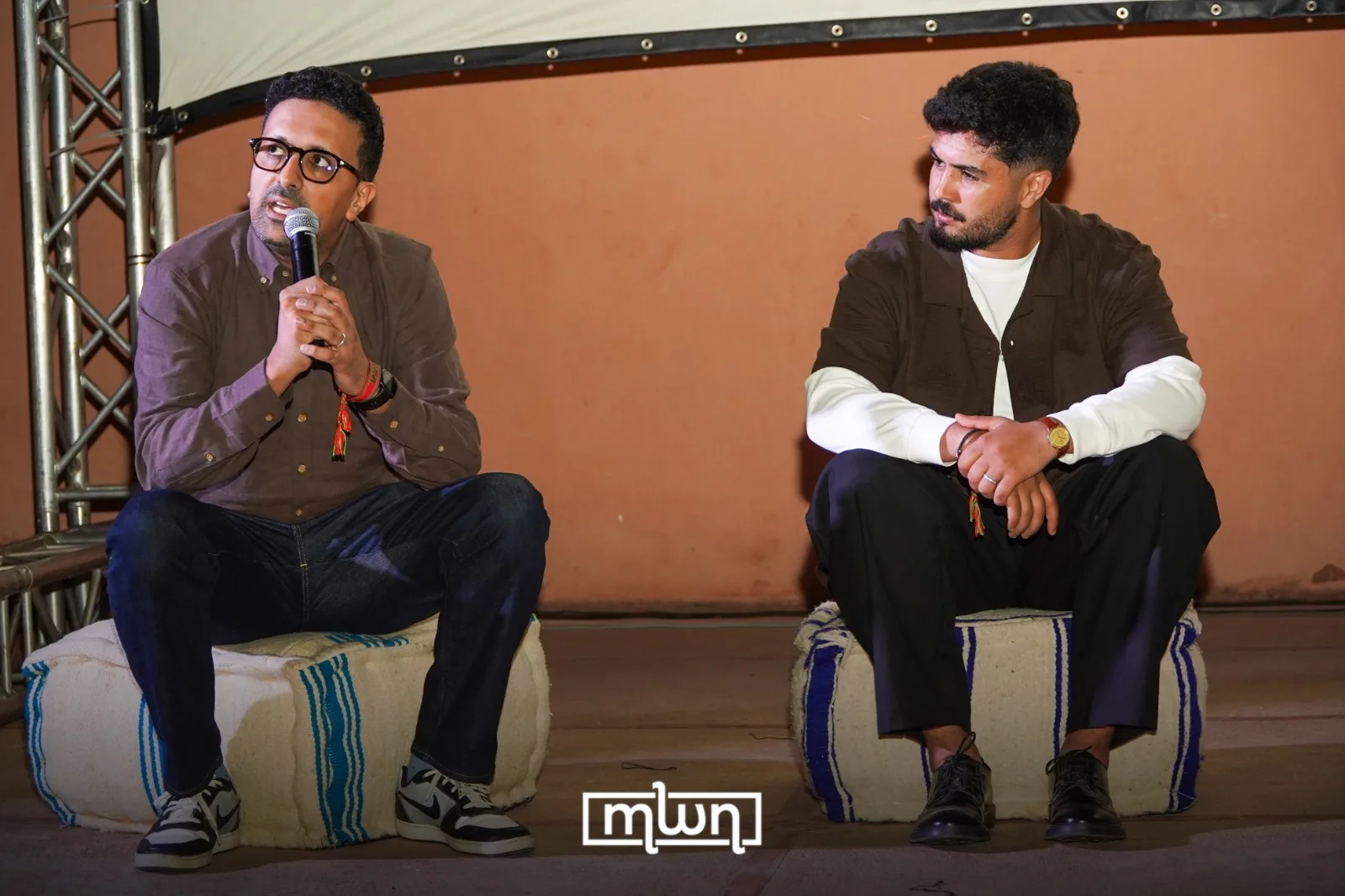
Among the Moroccan filmmakers presenting work at Cyber Park were Amine Zeriouh with “Quo Vadis Meryem?” and Adnane Rami with “Mesk Ellil.” Zeriouh’s film is part of the National Selection Out of Competition, while “Mesk Ellil” is competing for the Belarj Prize.
Nine films and conversations at Cyber Park
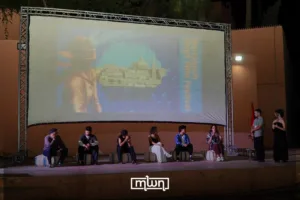
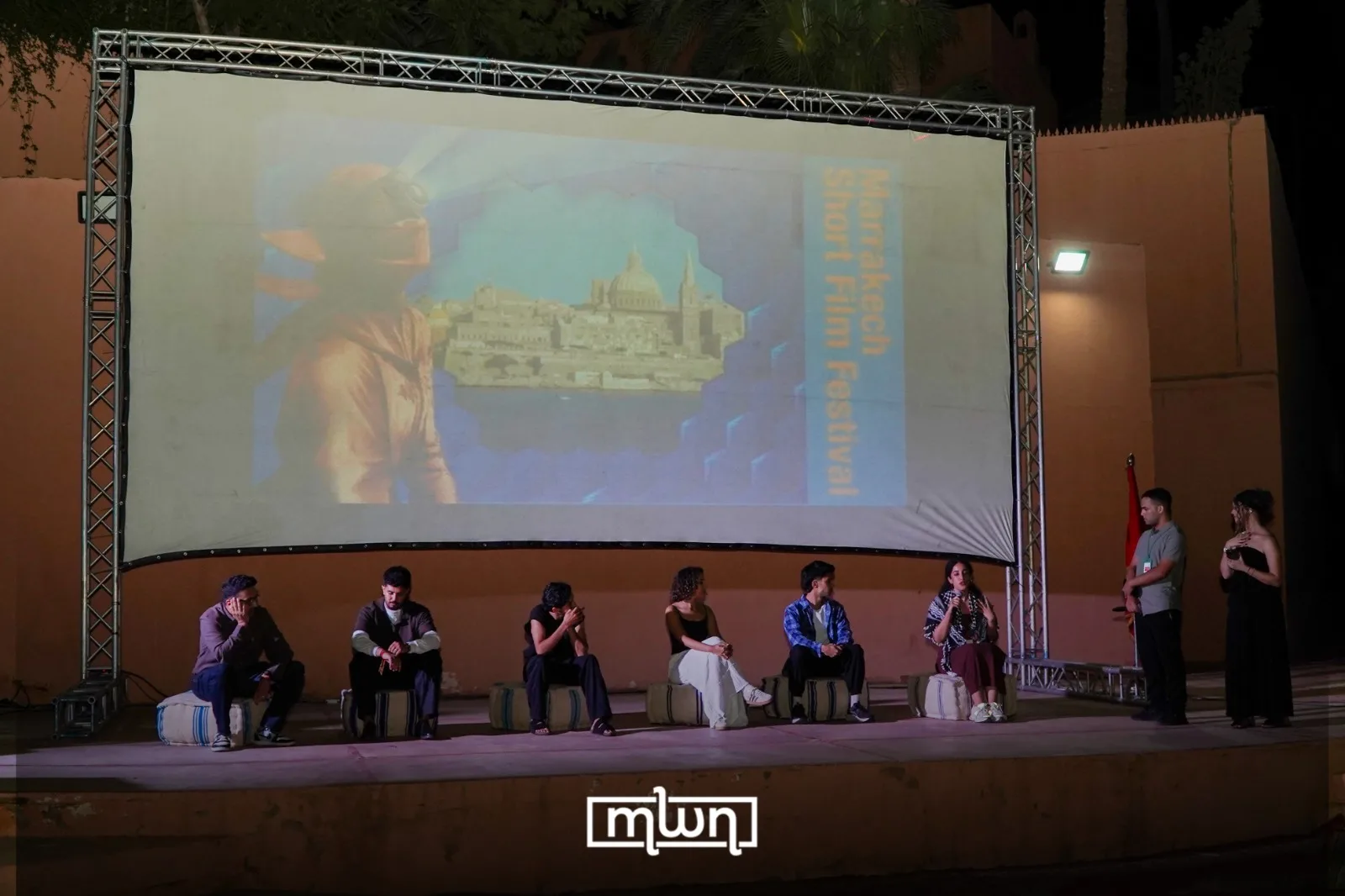
By evening, the festival moved to Cyber Park for two open-air screening sessions, bringing nine shorts from Morocco, Malta, China, Lebanon, Portugal, South Korea, and Albania to the screen.
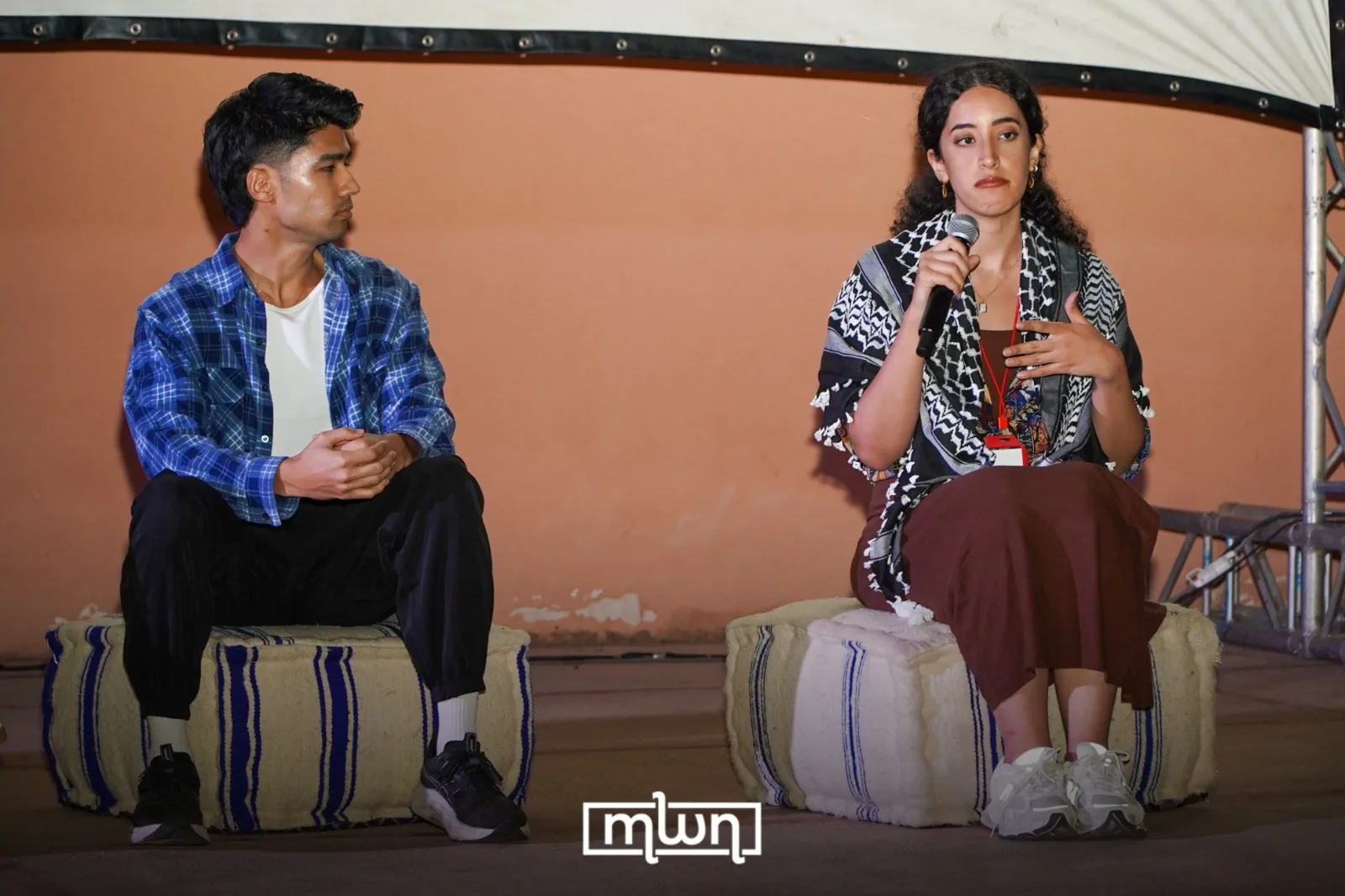
The first session featured “Karamellu” by Toontuloon Animation Studio, “Investigation” by Moroccan filmmaker Marwan Chiguer, “The Wind in Ash” by Kun Sun, “What If They Bomb Here Tonight?” by Samir Syriani, and “Dog Alone” by Marta Reis Andrade. The screening was followed by a Q&A before the evening’s second session.
The second program opened with Jun Cordon’s “A Scream on the Roof,” followed by Amine Zeriouh’s “Quo Vadis Meryem?,” Adnane Rami’s “Mesk Ellil,” and Giulia Grandinetti’s “Majonėzė.” The four-film session also concluded with a Q&A, allowing filmmakers and audiences to continue the conversations raised by the films beyond the screen.
Zeriouh and Rami spoke with MWN Lifestyle magazine before their films screened, reflecting on the personal experiences, relationships, and creative choices behind their work.
𝗔𝗺𝗶𝗻𝗲 𝗭𝗲𝗿𝗶𝗼𝘂𝗵 𝗹𝗶𝘀𝘁𝗲𝗻𝘀 𝘁𝗼 𝘁𝗵𝗲 𝘀𝗶𝗹𝗲𝗻𝗰𝗲 𝗯𝗲𝘁𝘄𝗲𝗲𝗻 𝘁𝘄𝗼 𝗽𝗲𝗼𝗽𝗹𝗲
Speaking with MWN Lifestyle magazine before the screening, Zeriouh described “Quo Vadis Meryem?” as his first short film and a story rooted in the difficult spaces that emerge inside intimate relationships.
“Quo Vadis is a movie about human relationships, about the human condition,” Zeriouh said.
At the center of the film is a couple forced to confront what has remained unspoken between them. “It’s about a couple, like they’re facing their own secrets, and they are facing the, especially the silence, the heavy silence that separates them, separates the two persons there in the relationship,” he explained.
Rather than treating silence as an absence, Zeriouh makes it part of the relationship itself. The weight comes from what the characters know, what they withhold, and what they are unable to articulate to each other.
“I think this is a film about relationships, it’s about the untold truths that lie heavily, impact the relationship, the human relationship,” he added.
The project also marked Zeriouh’s first experience writing a screenplay.
“And it was my first screenplay, I wrote it especially for Sandia (Tajdin) because I saw her in some kind of TV series and so on. And I was impressed by her performances,” he said.
Writing the role with an actress already in mind gave the project another layer of intention, connecting the story’s emotional restraint to the performance Zeriouh imagined from the beginning.
𝗔𝗱𝗻𝗮𝗻𝗲 𝗥𝗮𝗺𝗶 𝗺𝗼𝘃𝗲𝘀 ‘𝗠𝗲𝘀𝗸 𝗘𝗹𝗹𝗶𝗹’ 𝗳𝗿𝗼𝗺 𝘁𝗵𝗿𝗶𝗹𝗹𝗲𝗿 𝘁𝗼 𝘄𝗮𝗿𝗺𝘁𝗵
For actor and director Adnane Rami, “Mesk Ellil” comes from something far more personal. Rami told MWN Lifestyle magazine that the film grew from an experience he witnessed while living in France involving a friend. He deliberately avoided revealing too much before the screening, concerned that explaining the event would give away the film’s central turn.
“There is something behind it, and it’s very intimate. It’s sad and happy at the same time,” he said.
That emotional contradiction became part of the film’s structure. “There is an experience, like, a sensory experience when you move from a thriller to something more warm and colorful. And I tried my best to make the audience feel this, so I hope it’s going to work,” Rami explained.
The film begins in a space of uncertainty. A stranded couple arrives at the isolated home of an armed and suspicious older man, creating an atmosphere in which refuge and threat are difficult to distinguish.
But Rami’s intention was never to remain inside that tension. The movement toward warmth is part of the emotional reveal, allowing the audience’s understanding of the characters and their situation to shift with the film.
Even the title carries a clue. Rami explained that “Mesk Ellil” refers to a flower familiar in Morocco that opens at night and releases its scent. Its connection to the story only becomes clear after watching the film, another detail the director preferred not to spoil before the screening.
𝗗𝗶𝗿𝗲𝗰𝘁𝗶𝗻𝗴 𝗳𝗿𝗼𝗺 𝗶𝗻𝘀𝗶𝗱𝗲 𝘁𝗵𝗲 𝗳𝗿𝗮𝗺𝗲
Rami also appears in “Mesk Ellil,” making the short his first experience simultaneously directing and acting in his own film.
“It’s really hard, you know, to act and to direct at the same time. But I think the most important thing is you have to be surrounded by good people, friends, or talented people, and you have to be, you know, to trust them,” he said.
That trust became essential whenever Rami needed to step away from the director’s perspective and allow collaborators to watch his performance objectively.
For him, the experience was difficult enough to demand a different kind of surrender, but successful enough that he is willing to do it again.
Rami is already looking beyond the short form. He said he is developing his first feature film, “Rajol,” and hopes to move toward production next year. The official festival biography also lists the project among his current work.
𝗙𝗿𝗼𝗺 𝗶𝗻𝗱𝘂𝘀𝘁𝗿𝘆 𝗿𝗼𝗼𝗺𝘀 𝘁𝗼 𝘁𝗵𝗲 𝗼𝗽𝗲𝗻-𝗮𝗶𝗿 𝘀𝗰𝗿𝗲𝗲𝗻
The rhythm of MARRAKECHsFF’s second day captured the larger ambition behind this year’s edition.
AMANAR spent the daytime asking how short films can be developed, financed, produced, sold, and carried beyond national borders. By night, Cyber Park returned attention to the filmmakers and the intimate stories that make those structures matter in the first place.
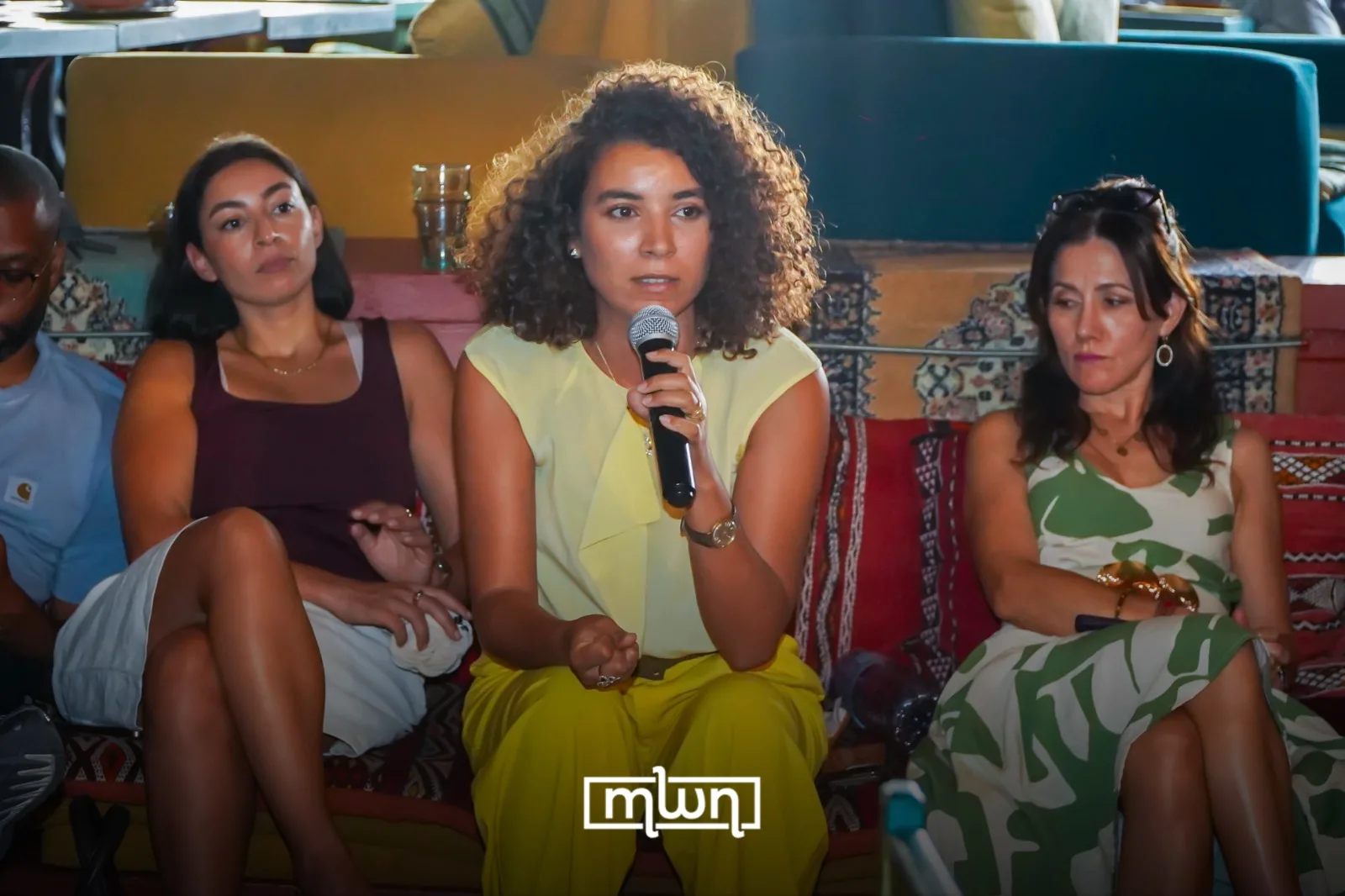
With “Quo Vadis Meryem?” turning toward the secrets and silences inside a relationship and “Mesk Ellil” transforming suspense into something more tender, the two Moroccan films approached intimacy from different directions.
With nine films across two Cyber Park sessions, filmmaker Q&As, and a full day of industry discussions through AMANAR, MARRAKECHsFF’s second day moved constantly between the practical and the personal. The festival created space not only to screen new work, but also for filmmakers to explain, question, and continue the conversations their films began.