Fez — A long-awaited museum dedicated to Moroccan Jewish culture is preparing to open in Fez, adding a new institution to the city’s expanding heritage landscape.
Recent reports place the public opening of the M
Fez’s Moroccan Jewish Culture Museum to Open in October
useum of Moroccan Jewish Culture on October 12.
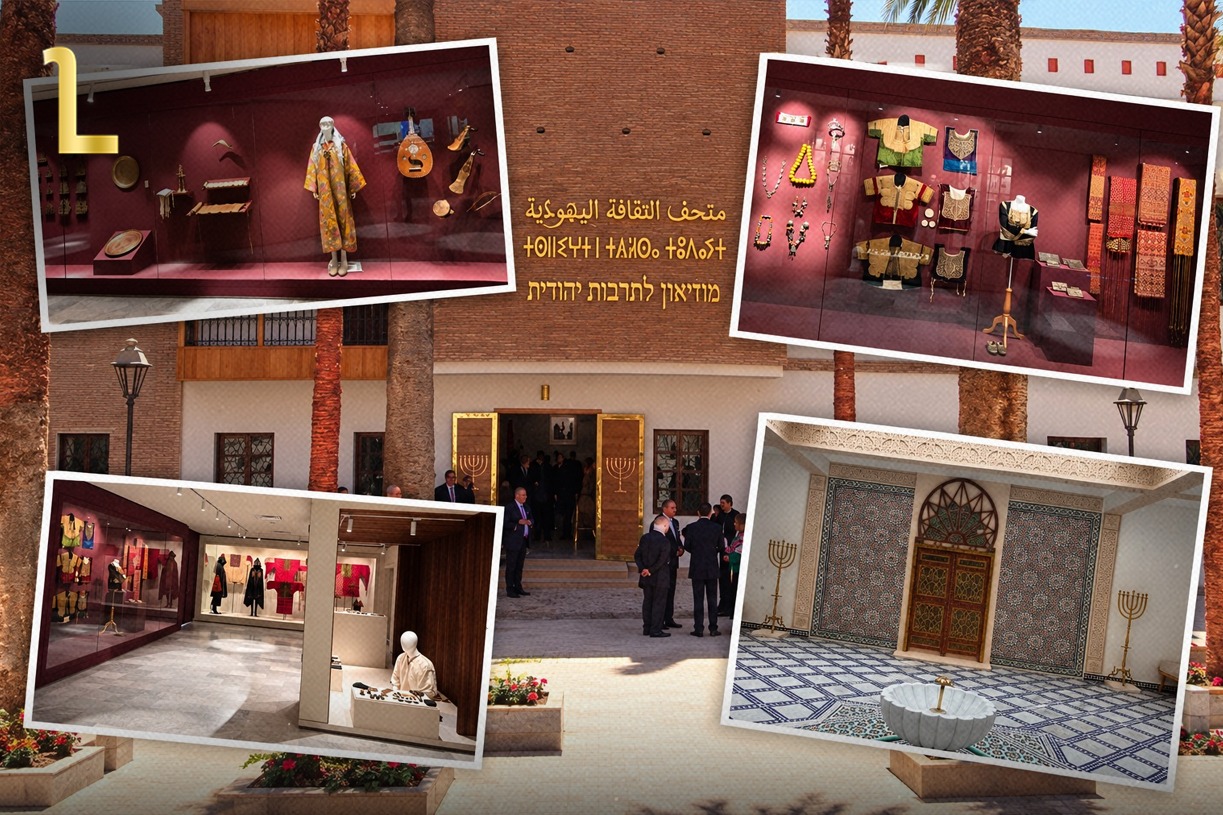
Located in Fez Jdid near the historic Mellah and Jewish cemetery, the museum is designed to trace more than 2,500 years of Jewish presence in Morocco through ritual objects, manuscripts, archival material, clothing, crafts, and objects connected to everyday life.
The exact October 12 date has appeared in several recent reports. Official government sources confirm the museum project itself, while a June 2026 government announcement also referred to the new Fez museum as part of upcoming cultural cooperation.
A project years in the making
The museum dates back to a project launched in April 2019 as part of the broader rehabilitation and enhancement program for Fez’s old medina.
At the time, official sources said the project carried an investment of MAD 10 million ($1 million) and formed part of efforts to preserve the city’s architectural, cultural, and spiritual heritage.
A scientific committee later worked on the museum’s development and its approach to documenting Moroccan Jewish heritage.
Morocco’s Ministry of Youth, Culture and Communication described the future institution as an important element in preserving the North African country’s plural heritage and transmitting that history to younger generations.
Objects, memory and daily life
The museum’s permanent route is expected to extend beyond religious history.
Recent descriptions of the collection include manuscripts and ritual objects alongside traditional clothing, jewelry, musical instruments, archives, and materials illustrating family and community life.
The museum also reportedly explores traditional occupations historically associated with Jewish communities, including jewelry-making, with a reconstructed artisan workshop among its displays.
Educational spaces, audiovisual material, and digital resources are intended to make the collections accessible to school groups and younger visitors.
The location gives the project particular weight. Fez’s Mellah preserves physical traces of centuries of Jewish life in the city, from religious spaces to homes, streets, and the nearby cemetery.
Placing the museum within that landscape connects displayed objects to the urban environment where parts of that history unfolded.
When it opens, the museum will add another layer to Fez’s cultural map, turning Moroccan Jewish memory into a public space for preservation, education, and encounters with a history inseparable from the wider story of Morocco.