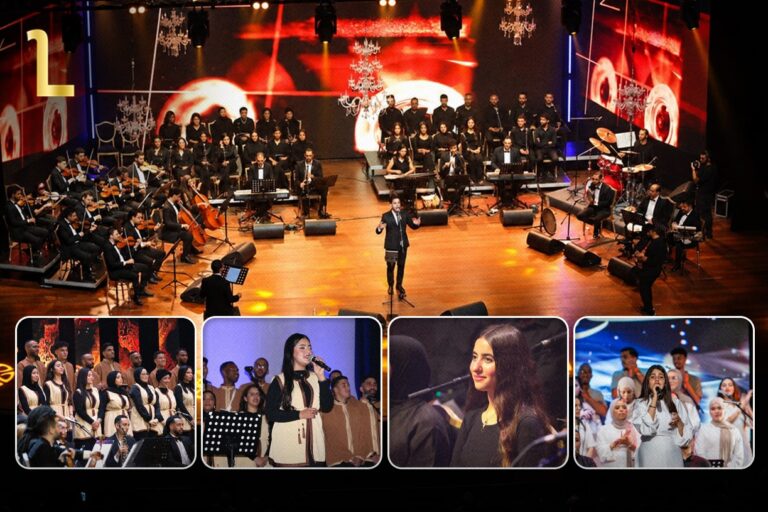
Rabat – Badr Qebibo spends a large part of his working life paying attention to rooms and the people inside them.
Sometimes, that means watching a salsa student concentrate so closely on getting the steps right that they almost forget there is music playing. On another day, it may mean noticing the moment that same student stops counting, relaxes into the rhythm and begins to dance with someone new without looking across the room for reassurance.
Later, the setting may be entirely different. At H Restaurant & Club in Rabat, Qebibo is watching how an evening develops: guests arriving, tables filling, music shifting with the mood of the room, and staff working through the details that most customers will never notice.
His two professional worlds may appear unrelated at first glance. One revolves around dance and teaching through MamboRabat Salsa Dance Company, while the other places him behind the scenes of hospitality and nightlife at H Restaurant & Club. Yet Qebibo sees them as variations of the same kind of work.
“I move between two worlds that may seem very different at first: salsa and nightlife hospitality,” Qebibo told Lifestyle magazine. “Yet for me, they are deeply connected by the same things: people, energy, trust and experience.”
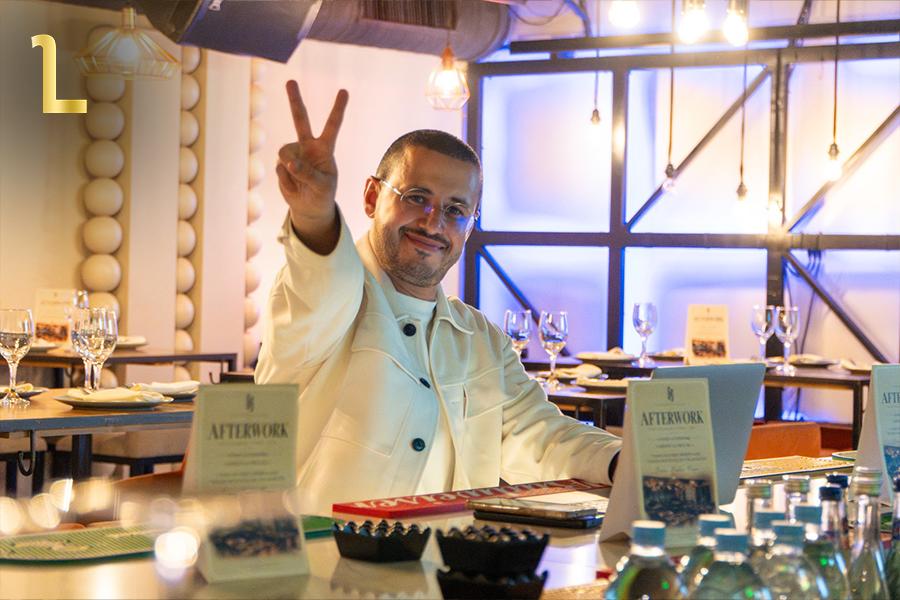
For him, the common thread is less about salsa or nightlife themselves and more about understanding how people respond to the environments around them.
Learning when to let go
Teaching salsa gives Qebibo one of the clearest examples of that process.
Beginners often arrive carrying more tension than they realize. They think about technique, timing, foot placement, and whether the person standing opposite them can tell that they have forgotten what comes next. For some, the first hurdle is less physical than psychological: becoming comfortable enough to stop worrying about doing everything perfectly.
Qebibo’s goal is to move students gradually away from that dependence.
“Being a teacher is not to teach steps, but to support a transformation,” he said.
Technique still matters, of course, but he measures progress through what happens once students begin using those skills without constant instruction.
“When a student can dance with different partners, enjoy the music and no longer depends on me, I know the learning has truly become theirs,” Qebibo added.
Qebibo considers that transition from uncertainty to belonging to be one of the most rewarding parts of being a teacher.
Leadership away from the spotlight
The same preference for independence shapes the way Qebibo approaches leadership in hospitality.
He does not want a team that needs his approval for every small decision, partly because it would slow down the evening and partly because he sees good leadership as preparation rather than constant control.
“I would rather see my team take ownership than depend on me for every decision,” Qebibo told Lifestyle magazine.
Much of the work therefore happens before customers have any reason to notice it. A team needs clear expectations, good communication, and enough confidence to react when an evening inevitably refuses to follow the exact plan.
That philosophy closely mirrors his approach to salsa teaching. In both cases, he begins by giving people structure and guidance, but the real goal is for them to become comfortable enough to operate without constantly looking back toward him.
The circumstances are different, but the principle is familiar.
Building an evening at H
At H Restaurant & Club, Qebibo focuses on the many details that shape a night before guests have consciously thought about them.
For him, hospitality begins the moment someone walks in. The welcome matters, but so do the tone of the service, the music, the pace of the evening, and how attentive the team is without becoming intrusive.
“Guests should not have to see the complexity behind a successful night,” he maintained.

That complexity means making constant small adjustments as the room changes. What works during dinner may feel different later in the evening, so Qebibo pays attention to how guests are responding, how the team is moving, and whether the atmosphere still feels natural.
Those details ultimately shape whether people feel comfortable, looked after and willing to stay a little longer. Customers may never notice the coordination behind the scenes, but they will remember whether the experience felt easy, welcoming and worth returning to.
Why people come back
Returning guests matter to Qebibo because they reveal something that a single successful evening cannot.
A good first impression may bring someone through the door once, but becoming a regular usually depends on consistency. Guests begin to know what kind of atmosphere they will find, recognize members of the team and develop their own preferences and routines within the venue.
Recognition also changes the experience. Being greeted by someone who remembers you, seeing familiar faces around the room, or knowing roughly how the evening will unfold can make a venue feel more personal without requiring any grand gesture.
Qebibo believes that loyalty is built through those repeated experiences. The service still has to be attentive, the atmosphere has to feel right and the quality cannot disappear simply because somebody has already visited before.
“A satisfied customer enjoys one good night. A regular comes back because they develop a connection with the place,” Qebibo explained.
For him, that return matters because it says something a single busy night cannot: the experience stayed with someone long enough for them to choose it again.
Reading people, not just rooms
Qebibo often returns to the idea of energy when talking about both parts of his work, although he treats it less like an abstract concept and more like something that has to be observed carefully.
In salsa, dancers are constantly adjusting to one another. They respond to movement, rhythm, hesitation, and confidence, all while listening to the music and deciding what comes next.
Hospitality requires a similar awareness on a larger scale.
A manager has to understand how the room is changing, whether guests are engaged, whether the team feels comfortable and whether the atmosphere needs adjustment. Timing matters because what works early in the evening may feel completely wrong several hours later.
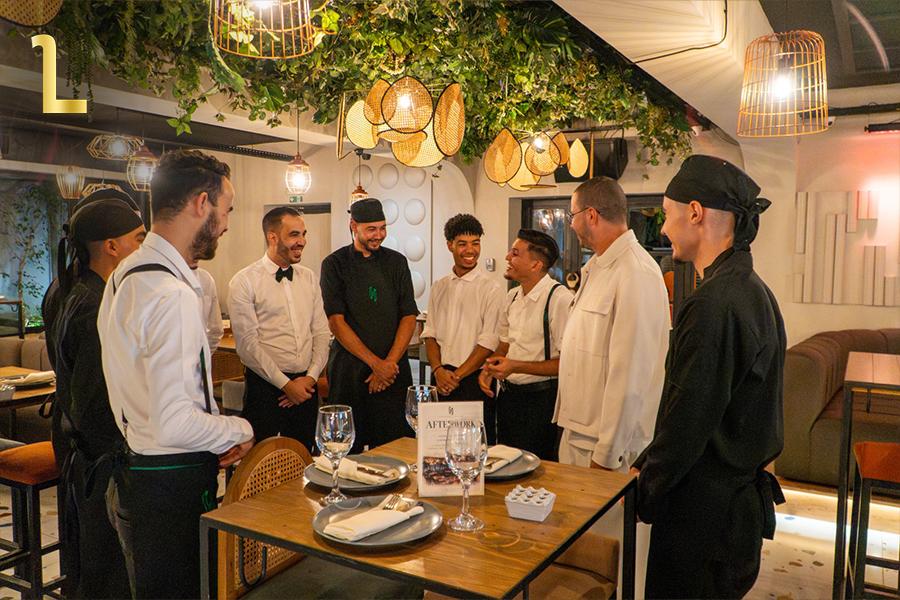
“You cannot force good energy,” Qebibo said. “You create the conditions that allow it to happen.”
That distinction explains much of his approach.
Neither a dance floor nor a busy venue can be controlled completely, because both depend on people, and people have an inconvenient habit of being unpredictable.
What Qebibo can control is the preparation around them: how people are welcomed, how teams communicate, how students are supported and whether an environment gives people enough confidence to enjoy themselves.
Success from the background
For someone whose work depends so heavily on people, Qebibo has an understated definition of success.
He does not measure it by remaining at the centre of everything.
In salsa, success can mean looking across the room and seeing a former beginner dancing confidently with different partners without needing his help. At H, it can mean watching the team handle the evening smoothly without requiring constant direction.
Sometimes, it is simply seeing someone return.
View this post on Instagram
Those moments tell him that the environment has begun to work on its own and that the people inside it feel comfortable enough to take ownership of their experience.
This is perhaps the strongest connection between MamboRabat and H Restaurant & Club. In one space, Qebibo helps people learn until they can dance independently. In the other, he works with a team to create an atmosphere guests want to experience again.
The settings change, but his role remains remarkably consistent: pay attention, create structure, understand people, and know when to step back.