

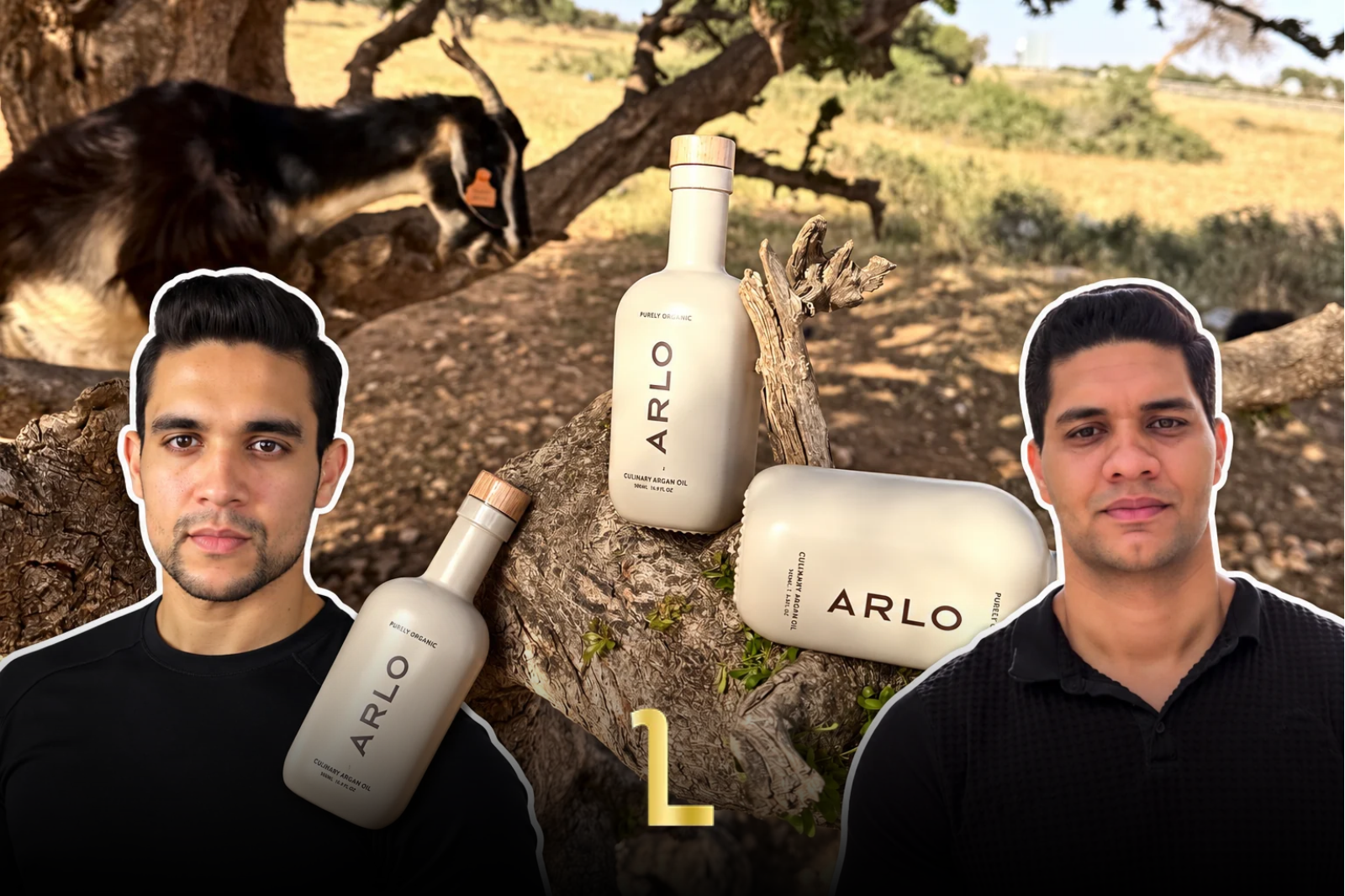
Fez — For years, Americans have spent millions on Moroccan argan oil, rubbing it into their hair, applying it to their skin, and treating it as a beauty essential. Meanwhile, in Moroccan households, the same oil has long served a much tastier purpose.
Brothers Mehdi and Amine Maadir grew up with culinary argan oil on their family’s table. When they moved to the United States, they discovered that the ingredient they associated with warm bread, couscous, and tagines was almost entirely absent from American kitchens.
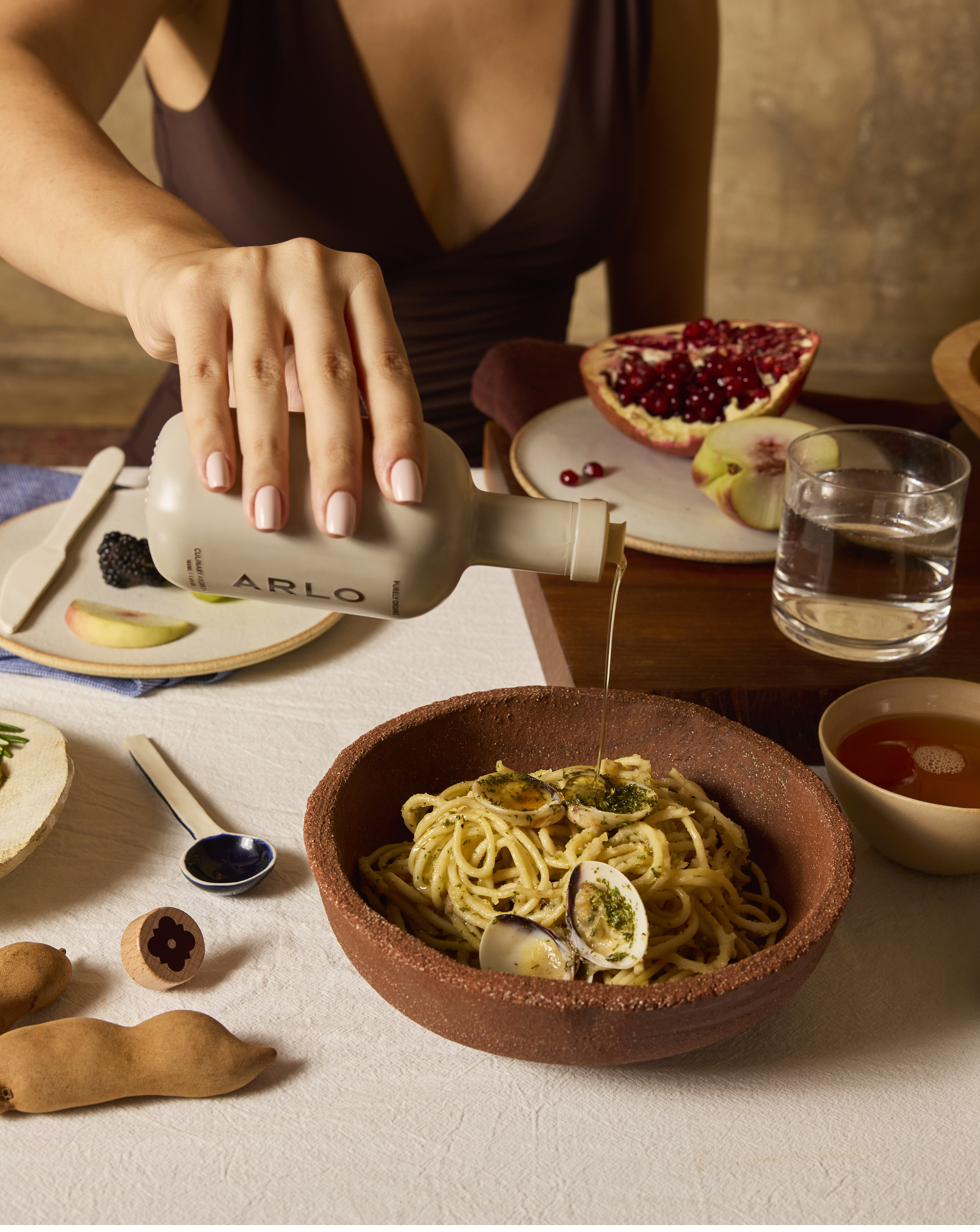
That realization inspired them to establish ARLO, a Moroccan culinary argan oil brand that aims to introduce American consumers to a food tradition often overlooked in the oil’s international success story. Culinary argan oil is argan oil made to be eaten. It is cold pressed from roasted argan nuts, which gives it a toasted, nutty flavor, and it is used as a finishing oil on bread, couscous, salads and tagines.
“Back home, argan oil was always food first. It went on warm bread, over couscous, and onto a tagine,” Amine Maadir told Lifestyle Magazine in an exclusive interview. “When Mehdi and I came to the US, we noticed two things: Americans only knew argan from the beauty aisle, and more and more of them were searching for clean, nutrient-rich oils to cook with.”

For the brothers, the business opportunity came with something more personal. “Argan checks every box. That’s when we knew ARLO had to exist,” Amine said.
Taking Moroccan argan oil back from the beauty aisle
Argan oil’s international popularity has largely developed around cosmetics, with the ingredient appearing in shampoos, conditioners, skin treatments, and countless beauty products.
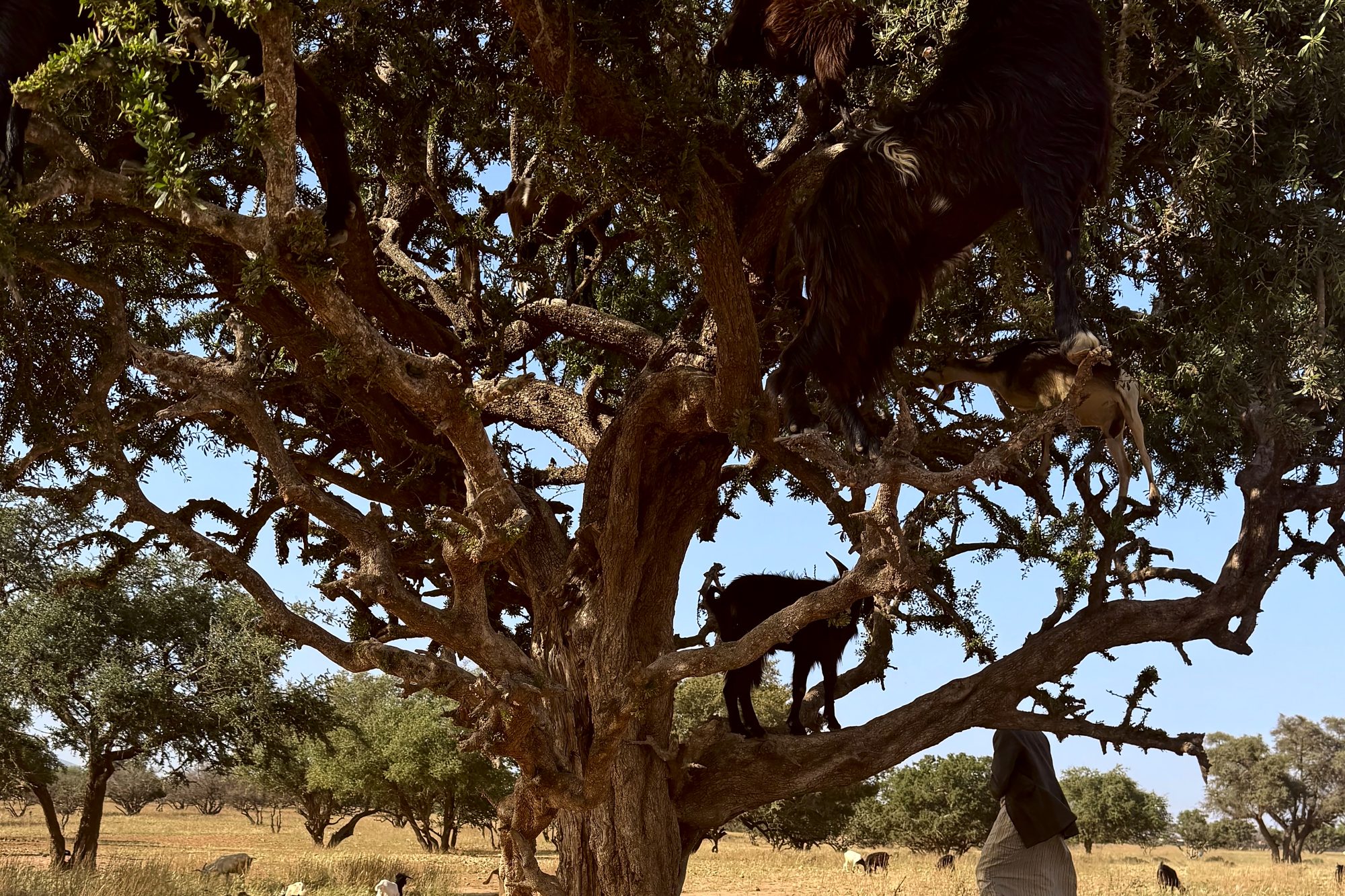
Yet its culinary history stretches back generations in southwestern Morocco, where families traditionally prepare edible argan oil from roasted argan nuts.
The practice is so deeply rooted in Moroccan culture that UNESCO recognized the traditional knowledge and skills associated with the argan tree as Intangible Cultural Heritage of Humanity in 2014.
For Amine, the international success of argan oil has not always translated into recognition of the communities and traditions behind it.
“For years, argan oil reached America through people who saw it mainly as a commodity, and the real story behind it was left out,” he explained. “We want to tell that story from the source and bring argan back to where it belongs, the table.”
Rather than create another elaborate wellness formula, the brothers have built ARLO around a single Moroccan ingredient.
“We stay authentic by staying simple: one ingredient, 100% pure argan oil, cold pressed from roasted argan nuts,” he said.
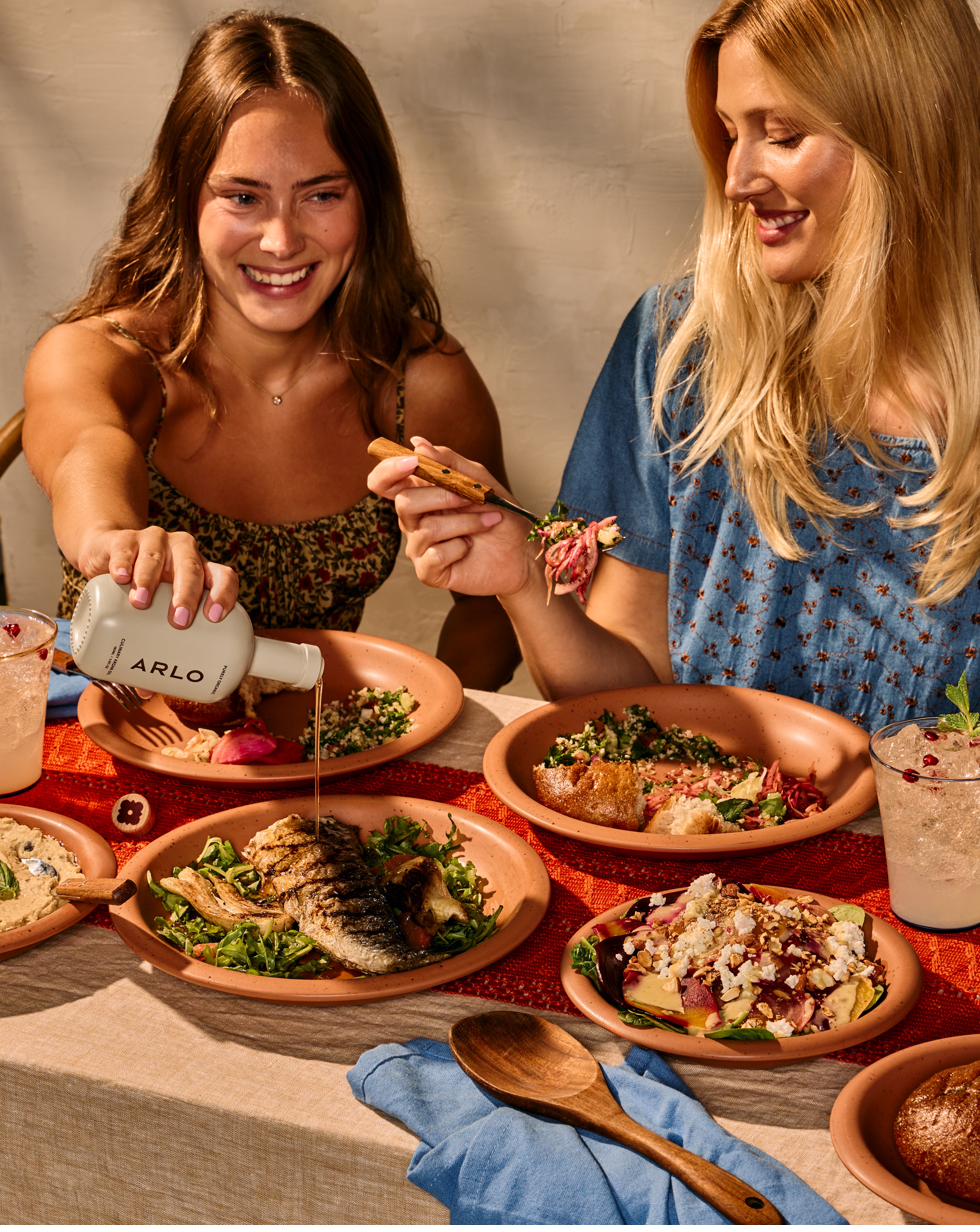
The brand offers culinary argan oil with a toasted, nutty flavor, positioning it as an ingredient for everything from roasted vegetables and salads to bread and traditional Moroccan dishes.
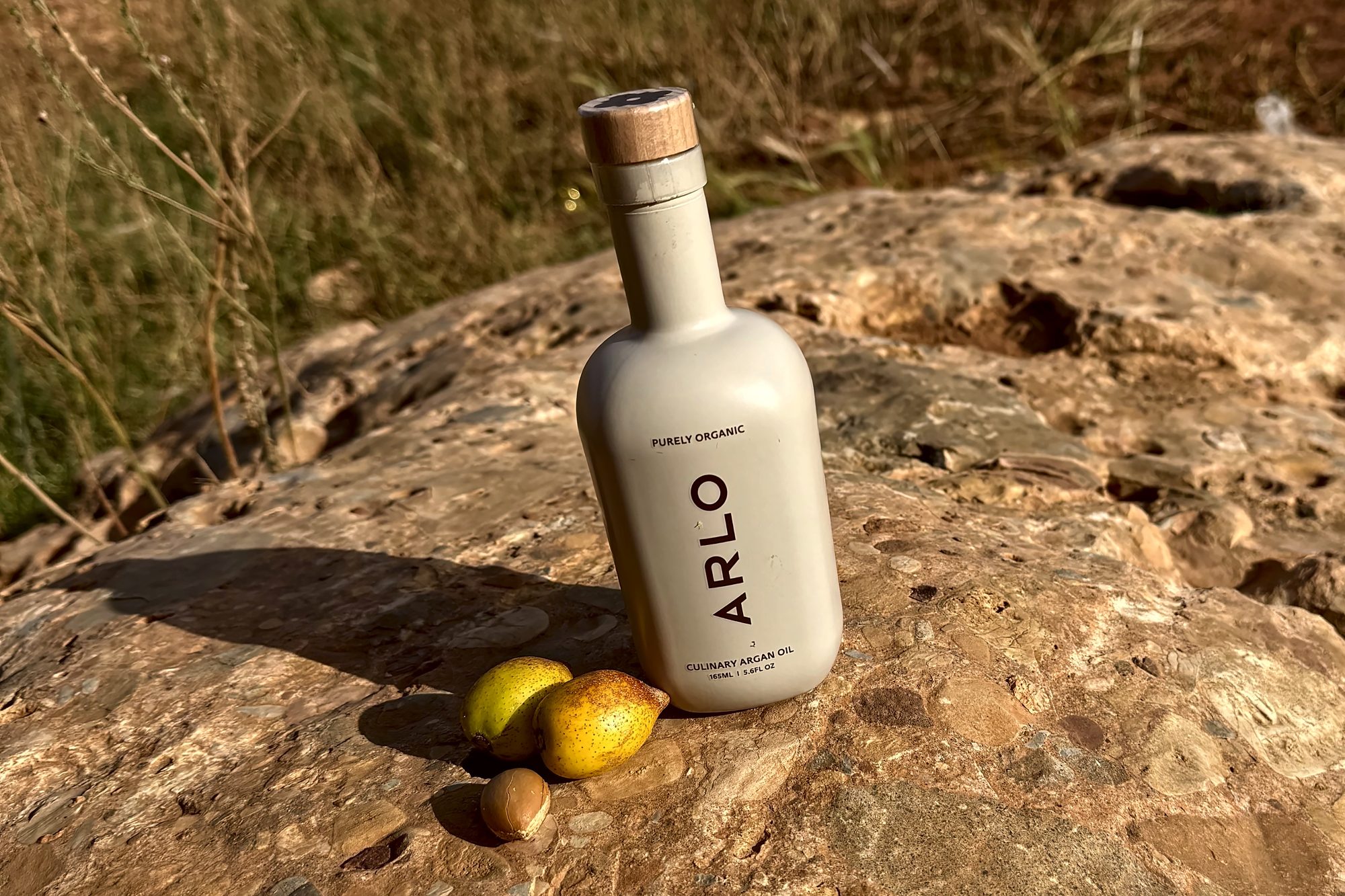
ARLO’s single-ingredient oil is USDA Organic and Kosher certified and comes in a 165 mL bottle. The brothers suggest drizzling it over warm bread, eggs or roasted vegetables right before serving, or blending it with almonds and honey into amlou, the Moroccan breakfast spread.
Its promotional materials also emphasize the oil’s naturally occurring vitamin E compounds and unsaturated fats.
Scientific research has examined argan oil’s fatty acids and antioxidant compounds, although its nutritional profile does not establish that it is universally healthier than olive oil.
For Mehdi and Amine, however, flavor and cultural authenticity remain central to the brand’s identity.
The Moroccan women behind every bottle
While the brothers are building their business in the United States, the oil itself comes from Morocco’s Souss Valley.
ARLO sources its argan nuts from women-owned cooperatives, connecting its commercial ambitions to rural communities where argan production has supported livelihoods for generations.
“Our argan nuts come from women-owned cooperatives in the Souss Valley,” Amine explained. “What we love most is that nearly every step, from harvesting to cracking the nuts to pressing and bottling, creates work for women in rural communities.”
The production process requires extensive knowledge, from collecting and preparing the fruit to extracting the oil.
UNESCO documents the importance of the Arganeraie Biosphere Reserve in southwestern Morocco, where the argan tree supports local livelihoods and an ecosystem adapted to the region’s dry climate.
For ARLO’s founders, sourcing from women’s cooperatives is also about maintaining a connection to the people responsible for preserving the tradition.
“Our hope is to help protect the argan fields and the people who tend them, and to carry this tradition forward for generations,” Amine said.
He hopes this relationship will help future generations recognize argan oil as something more meaningful than an export commodity.
“So argan is remembered as a living heritage, not just an ingredient in foreign beauty products.”
A modern identity for a traditional Moroccan oil
ARLO’s packaging reflects the brothers’ attempt to reposition culinary argan oil in the American market.
Its cream-colored bottle, wooden cap, and minimalist typography resemble premium skincare packaging more than conventional cooking oil bottles, an interesting choice for a brand trying to move argan oil beyond the beauty aisle. Perhaps it is a statement about the versatility of argan oil; it does not have to look like a conventional kitchen oil.
The company also offers a monthly subscription model, with discounts, which is a great choice for professional chefs who constantly need argan oil on a regular basis.
While ARLO emphasizes its sourcing from women-owned Moroccan cooperatives, its premium pricing and subscription strategy reflect a broader effort to market a traditional ingredient as a contemporary specialty food product.
Two Moroccan brothers with global ambitions
Mehdi and Amine are now looking beyond the American market.
Their long-term vision involves introducing Moroccan culinary argan oil to consumers in Europe, the Middle East, and other international markets.
“We believe traditional plants and delicious food can nourish us inside and out,” Amine told Lifestyle Magazine. “ARLO is built on three values: Agricultural Legacy, Beauty Within and a Culinary Journey, or simply, Beauty in nutrition with a single drizzle.”
The brothers hope to expand into markets including the United Kingdom, Germany, Switzerland, Russia, the United Arab Emirates, Qatar, Saudi Arabia, and Israel over the next decade.
They are also exploring opportunities to bring ARLO into major American retailers and supermarkets, although those discussions have not yet resulted in confirmed distribution agreements.
The brand currently markets its oil through its own website, with packaging designed to introduce the ingredient to consumers who may recognize the word argan but have never encountered it as food.
The challenge is not simply persuading customers to purchase another cooking oil.
It is encouraging them to reconsider an ingredient whose reputation has been shaped by an entirely different industry.
The brothers’ story also raises a larger question about how traditional products travel internationally and who gets to tell their stories.
The argan tree, the women who process its fruit, and the families who have cooked with its oil for generations existed long before the ingredient became a global beauty trend.
Through ARLO, Mehdi and Amine Maadir want to give that culinary heritage a place on the international table, starting with American kitchens.
As Amine puts it, “We want to tell that story from the source and bring argan back to where it belongs, the table.”