

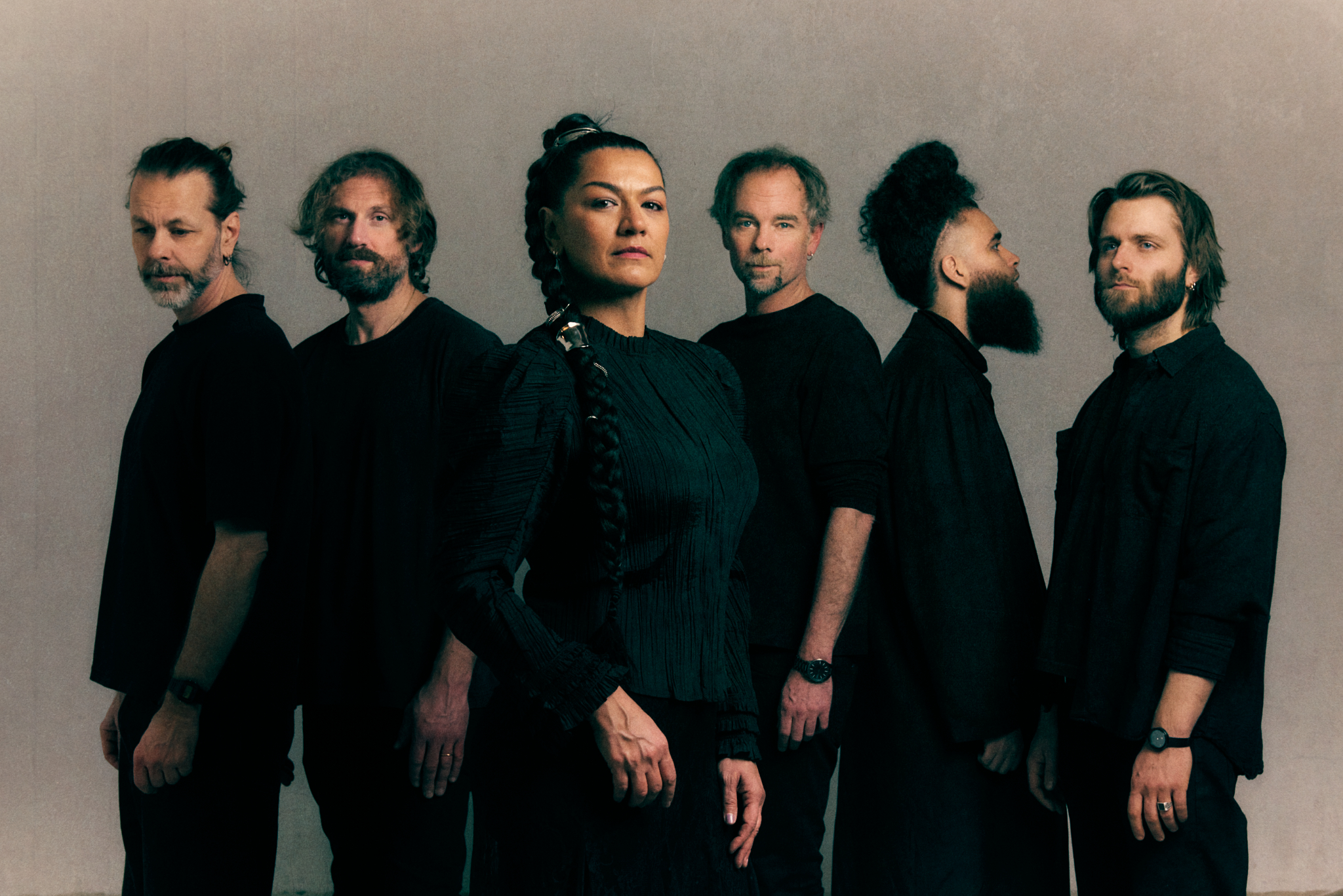
Fez — How does the person we love become someone we struggle against? Tarabband places that question at the heart of “Hub o Harb” (Love and War), its new album arriving tomorrow.
The Swedish-based six-piece announces the release as it marks 18 years together. Titled “Love & War” in English, the record is the group’s sixth album and fourth studio recording.
Led by Iraqi-Egyptian vocalist, songwriter, and composer Nadin Al Khalidi, Tarabband explores the uneasy relationship between our desire for connection and our impulse to control.
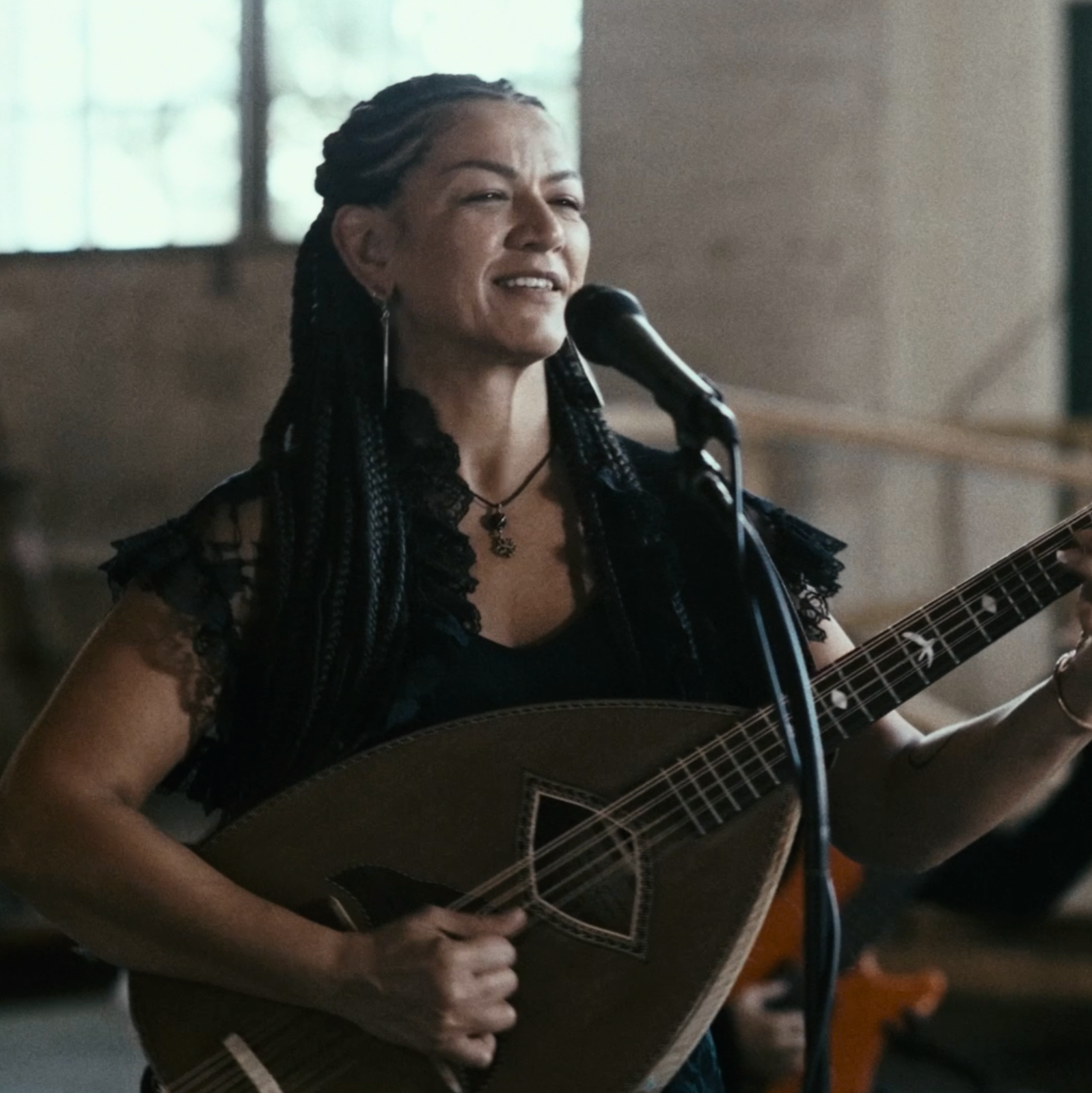
“Somewhere within us, love and war can breathe side by side. Both await their moment to emerge,” Al Khalidi says in the album’s press materials.
“Is this our nature, or are we truly free to choose which of them speaks to our hearts?”
When closeness becomes conflict
The album’s Arabic lyrics examine three recurring forces in personal relationships and collective life: fear, feelings of inferiority, and control.
Drawing on personal experiences and events around her, Al Khalidi considers how affection can give way to resentment. Qualities that once attracted us to someone can eventually provoke insecurity.
“How can a love that once brought us together turn into conflict, a struggle for power and a battle for control?” she asks.
The questions also concern the limits of tolerance and the difficulty of expressing disagreement without deepening a divide.
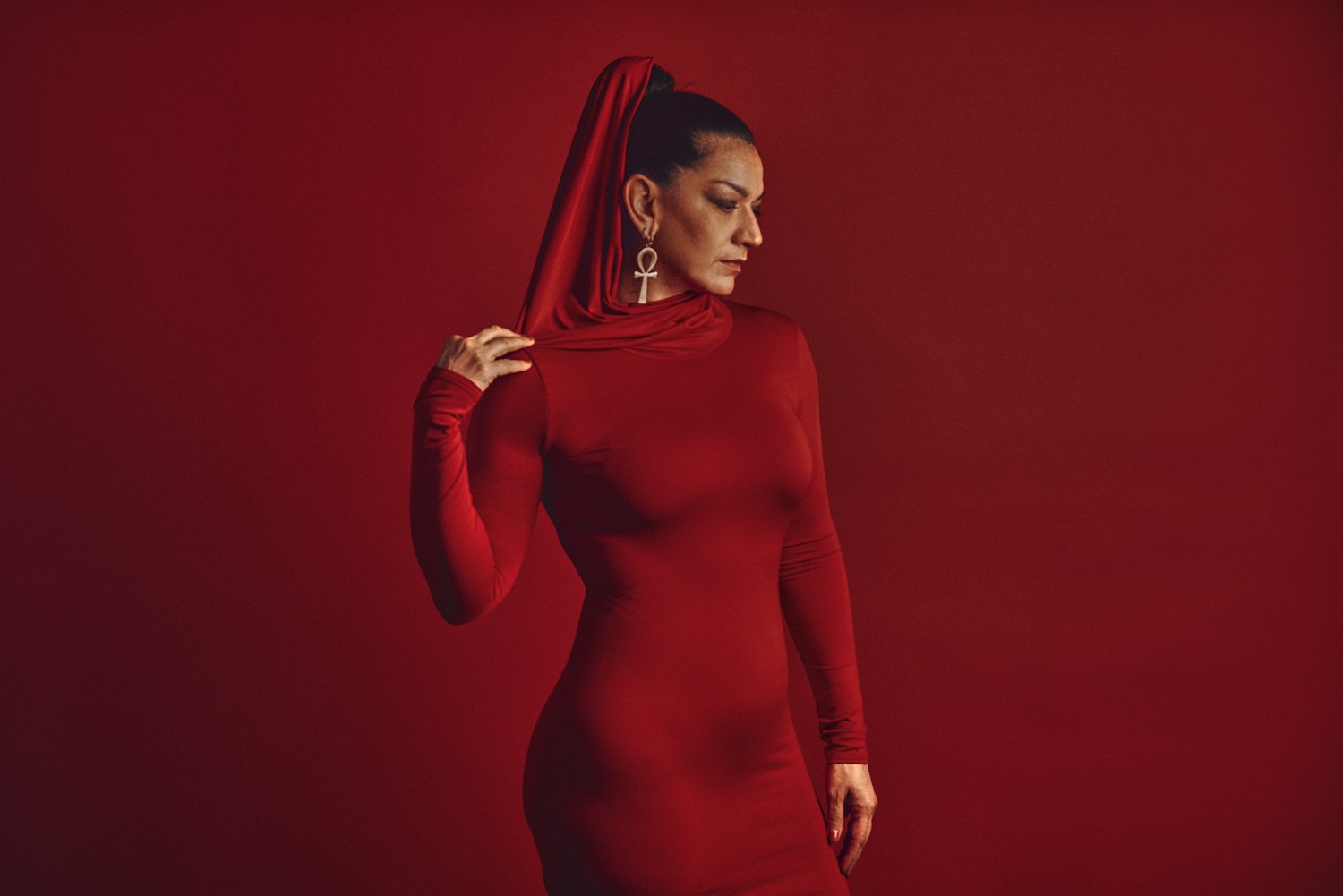
“When does tolerance become passivity in the face of conflict? And when can an honest opinion, a willingness to understand, or an attempt to set a boundary be perceived as an attack?”
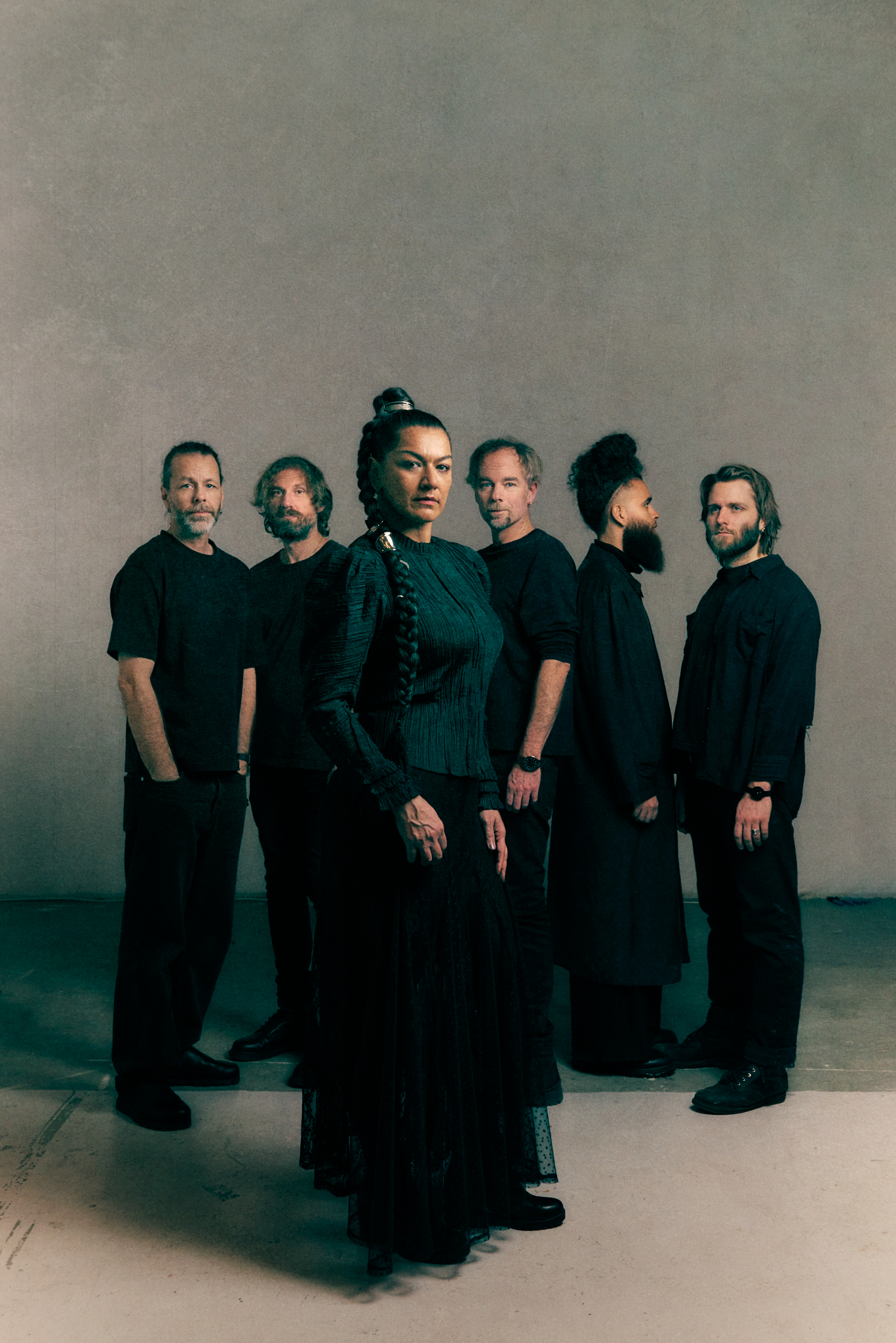
These tensions give the album its focus, connecting intimate experiences with wider struggles over belonging and power.
Six musicians, different musical languages
Founded in Malmö in 2008 by Al Khalidi and Swedish guitarist Gabriel Hermansson, Tarabband brings Arabic songwriting into contact with jazz, folk, and contemporary music.
Its name combines “tarab” and “band,” drawing on the Arabic concept of an intense emotional experience through music.
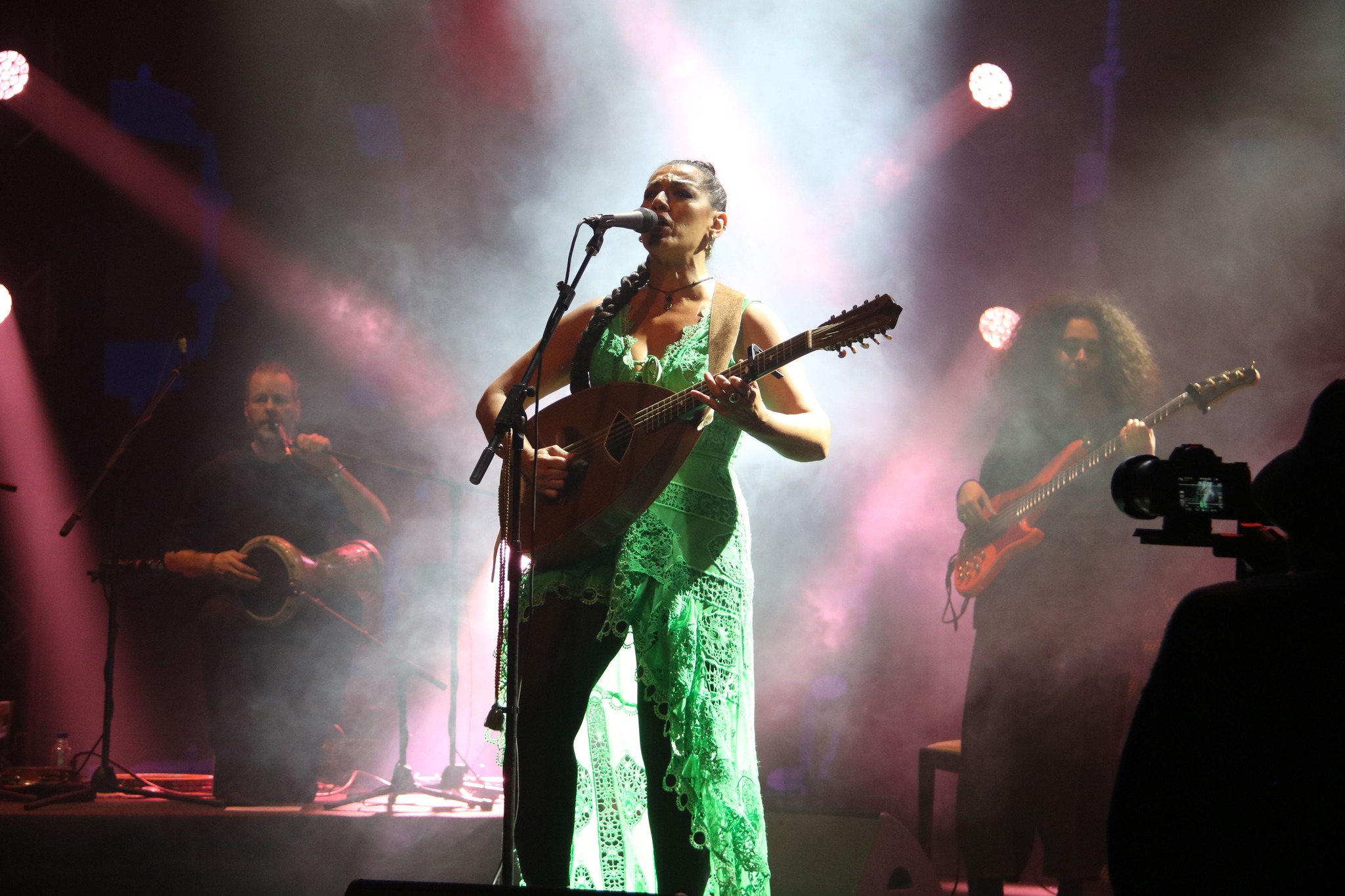
For “Hub o Harb,” Al Khalidi contributes vocals, mandolin, lyrics, and composition. Andreas Hourdakis plays guitar, Filip Runesson violin, and Cassius Lambert bass, with Fredrik Gille and Mårten Hillbom on percussion.
Hourdakis, Runesson, and Lambert also contribute compositions. Markus Nilsson handled recording, mixing, and mastering at Sunnanå Studio.
The band’s published tracklist includes eight songs, among them “Djai,” “Talqa,” “Ghalat,” “Hurria,” and the title track.
From Baghdad to Malmö
Al Khalidi’s own journey helps explain the recurring presence of identity, survival, and belonging in her songwriting.
According to the band’s official biography, she fled Iraq in 2001 and arrived in Sweden as a refugee. Her work draws on her Iraqi, Egyptian, and Swedish identities.
Over the years, Tarabband has performed across Europe, the Middle East, North Africa, and North America, in settings ranging from community spaces to concert halls.
“Hub o Harb” continues that musical exchange while turning toward a difficult question within it: how people can remain close without allowing fear or the need for control to pull them apart.