

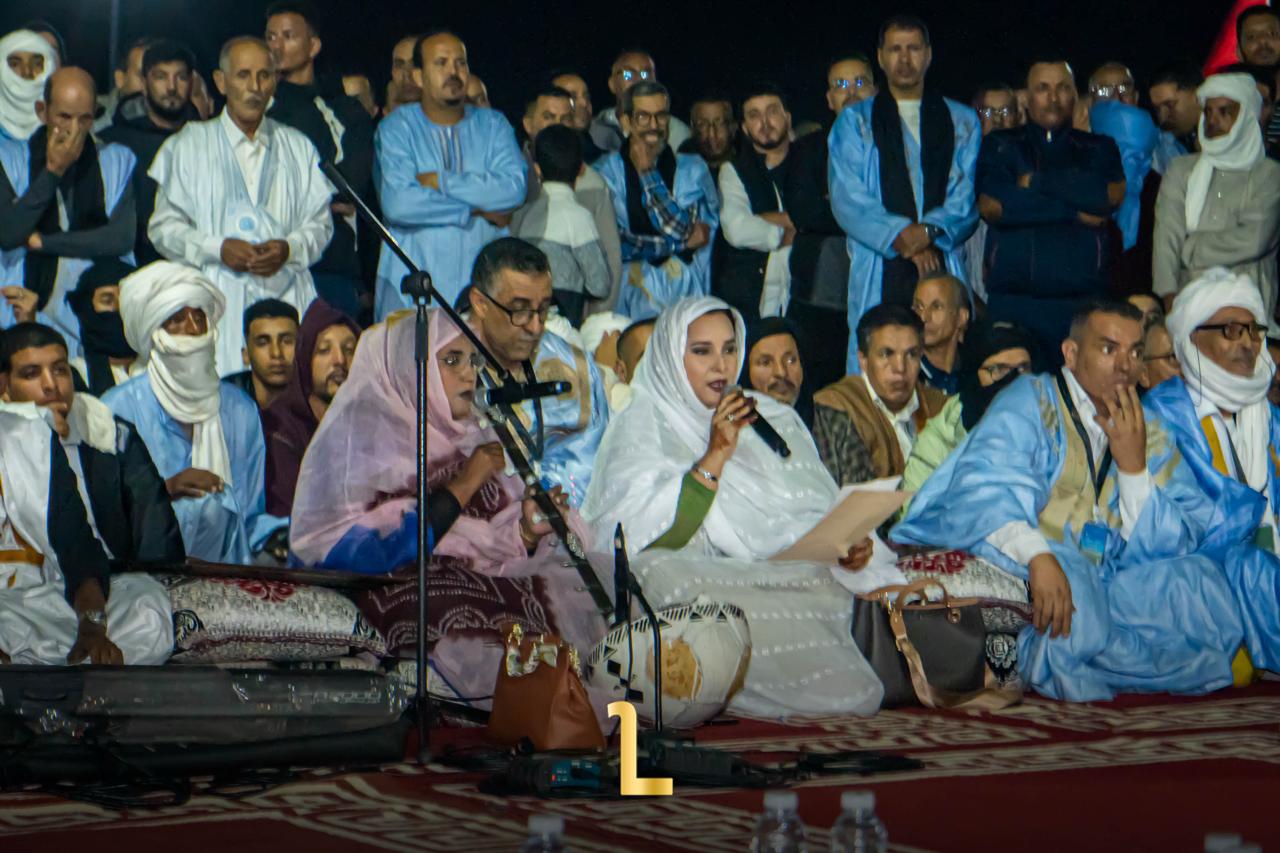
Tan-Tan — The 19th Tan-Tan Moussem concluded on November 3 with an evening dedicated to Hassani poetry, celebrating an oral tradition that has preserved generations of Saharan memories, values, and cultural knowledge.
For Abdellah El Hamel, a Hassani poet and cultural researcher from Tan-Tan, poetry represents far more than an artistic expression. It is a living record of the community’s identity.
In an interview with Lifestyle Magazine, El Hamel reflected on the importance of Hassani poetry, known locally as “l-ghna,” and its role in transmitting cultural values between generations.
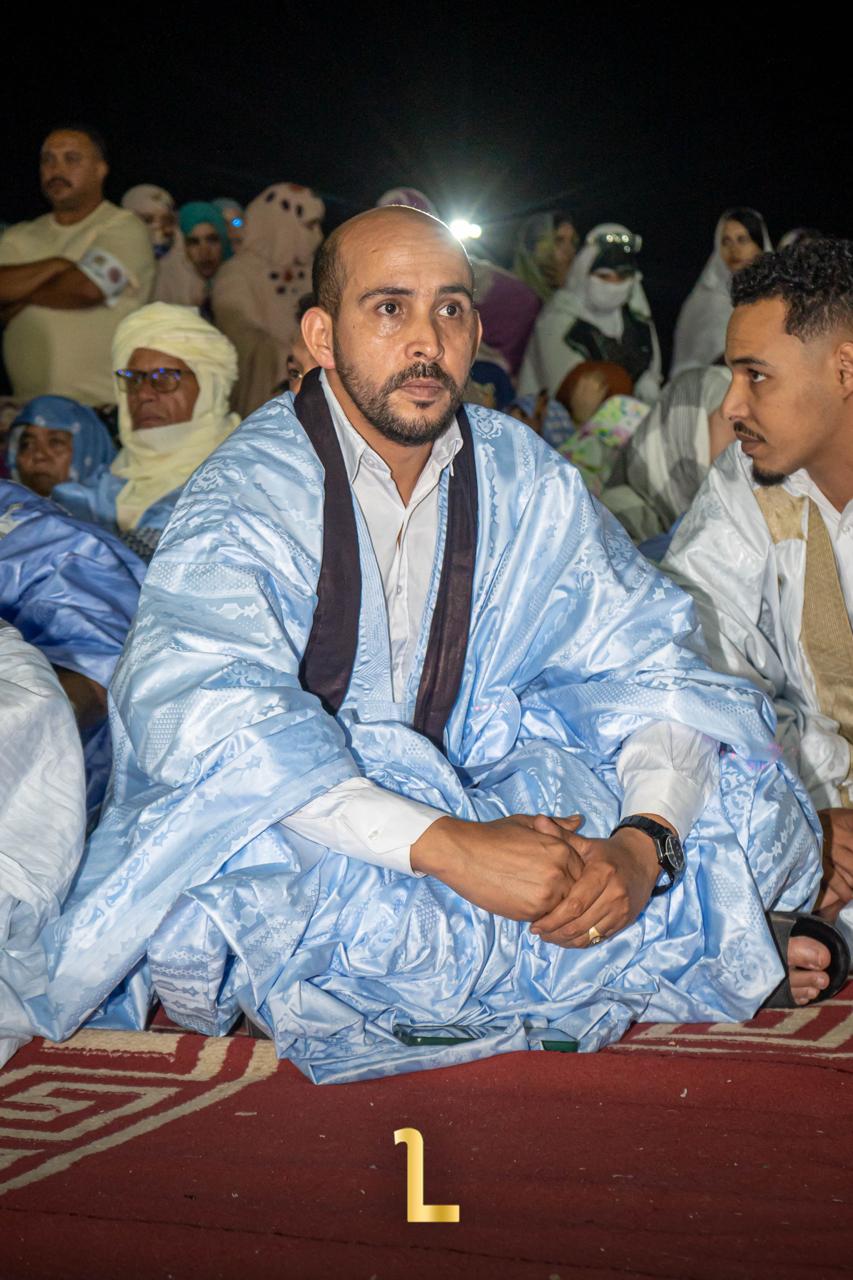
“Hassani poetry is the vessel that carries Hassani culture. It is at the very heart of that culture,” he explained.
His remarks highlight why the Poetry Tent remains one of the Moussem’s most anticipated attractions, traditionally bringing the festivities to a close.
Poetry as a guardian of cultural memory
Hassani poetry occupies a distinctive place in the cultural life of Morocco’s Saharan communities, preserving their experiences through language, rhythm, and oral expression.
For El Hamel, it derives its importance both from the beauty of its verses and the values and lessons they communicate.
He describes poetry as a source of guidance that encompasses religious devotion, nostalgia, moral principles, and reflections on everyday life.
“It offers guidance, expresses longing for places left behind, and includes praise of Prophet Muhammad,” the researcher said.
El Hamel opened his remarks with verses of madih nabawi, the tradition of devotional poetry praising Prophet Muhammad.
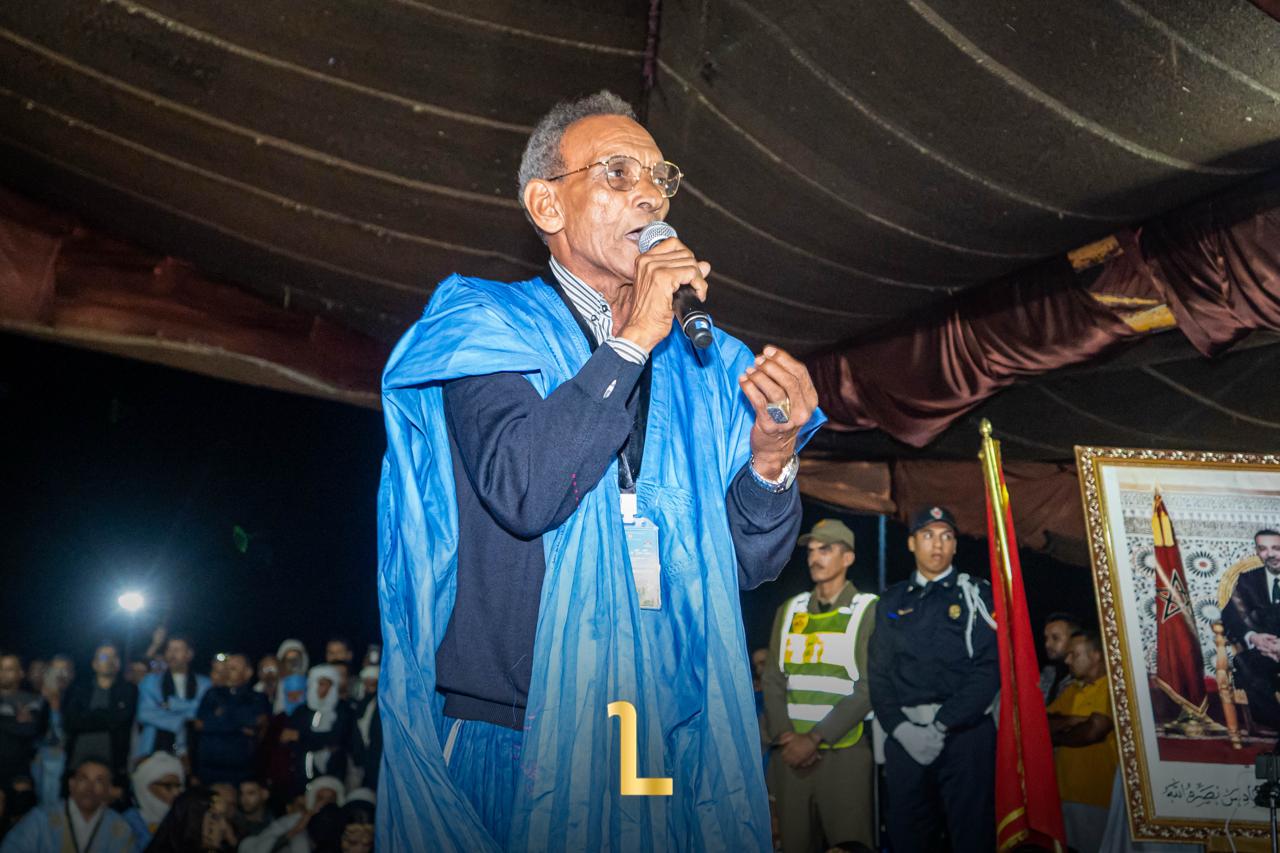
His performance illustrated the spiritual dimension of a literary tradition that moves between religious expression and the experiences of ordinary people.
El Hamel also emphasized the relationship between poetry and personal conduct, arguing that its teachings influence how people understand and practice moral values.
“It is a moral compass for poets and non-poets alike,” he explained.
He suggested that people familiar with Hassani poetry often carry its ethical lessons into their everyday relationships and decisions.
Drawing a comparison with classical Arabic literature, he recalled the familiar description of poetry as the historical record of the Arabs.
For him, Hassani poetry plays a similar role, preserving the traditions, experiences, and collective memory of Saharan society.
Why the Poetry Tent comes last
The decision to reserve the Poetry Tent for the final evening of the Tan-Tan Moussem carries particular meaning for El Hamel.
Rather than treating poetry as another performance in the festival’s schedule, he considers it the celebration’s natural conclusion.
“Because we always save the best for last,” he said when asked why the Poetry Tent closes the festivities.
He explained that audiences anticipate the literary gathering throughout the Moussem, making its placement an important part of the festival’s appeal.
“If we held the Poetry Tent on the first evening, people might not remain for the rest of the festival,” he joked.
The observation reflects the enthusiasm surrounding Hassani oral traditions and the importance of preserving spaces where poets can share their work publicly.
For audiences, the gathering offers an opportunity to encounter poetry through the voices, expressions, and interpretations of its practitioners.
It also creates a connection between older generations familiar with these traditions and younger listeners discovering their cultural significance.
A UNESCO-recognized celebration of Saharan heritage
The 2026 Tan-Tan Moussem took place from October 30 to November 3 under the theme “The Tan-Tan Moussem, Human Heritage and a Bridge for Cultural Exchange.”
Organized by the Almouggar Foundation, the five-day event brought together traditional performances, camel races, equestrian displays, cultural exhibitions, and poetry gatherings.
The celebrations also included musical performances and traditional activities highlighting the diversity of Morocco’s Saharan heritage.
The organizers scheduled the grand poetry evening for November 3, giving Hassani literary expression the final place in the program.
The Moussem holds international cultural significance.
UNESCO recognizes the gathering as part of humanity’s intangible cultural heritage, having proclaimed it a masterpiece of oral and intangible heritage in 2005.
It was subsequently inscribed on the Representative List of the Intangible Cultural Heritage of Humanity in 2008.
Historically, the Moussem brought together nomadic communities from southern Morocco and neighboring regions for trade, social gatherings, and cultural exchanges.
Poetry competitions, traditional music, storytelling, and communal celebrations formed part of these encounters.
Today, the event continues to provide a public platform for cultural practices whose preservation has become increasingly important amid social and economic changes.
For El Hamel, safeguarding Hassani poetry means protecting more than words and performances.
It means preserving the values, memories, and collective identity that generations have entrusted to the spoken word.
By placing poetry at the conclusion of the Tan-Tan Moussem, the celebration reinforces the enduring importance of oral heritage in Saharan cultural life.
The final verses may bring the festivities to an end, but the traditions they carry continue through the people who remember, recite, and pass them on.