

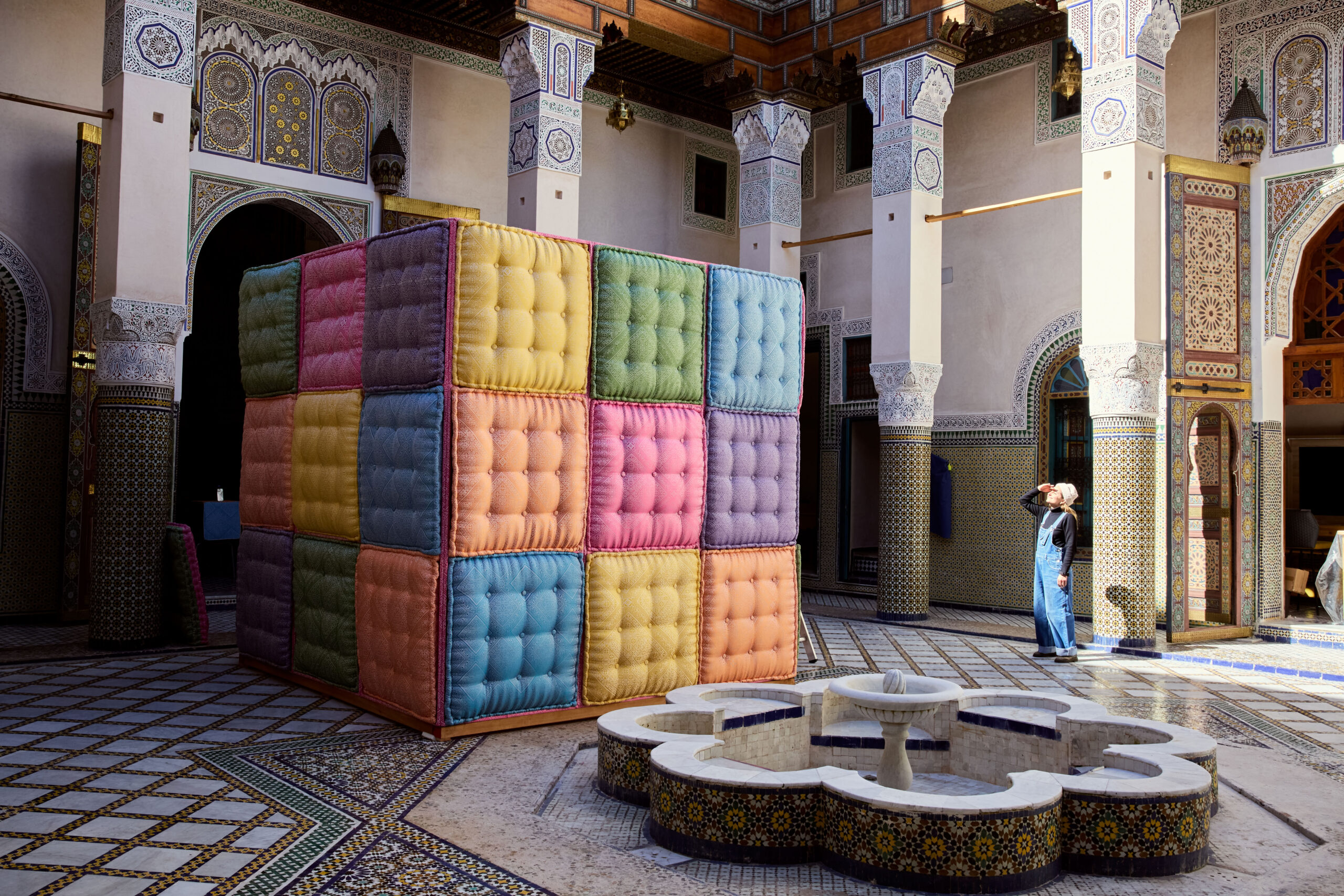
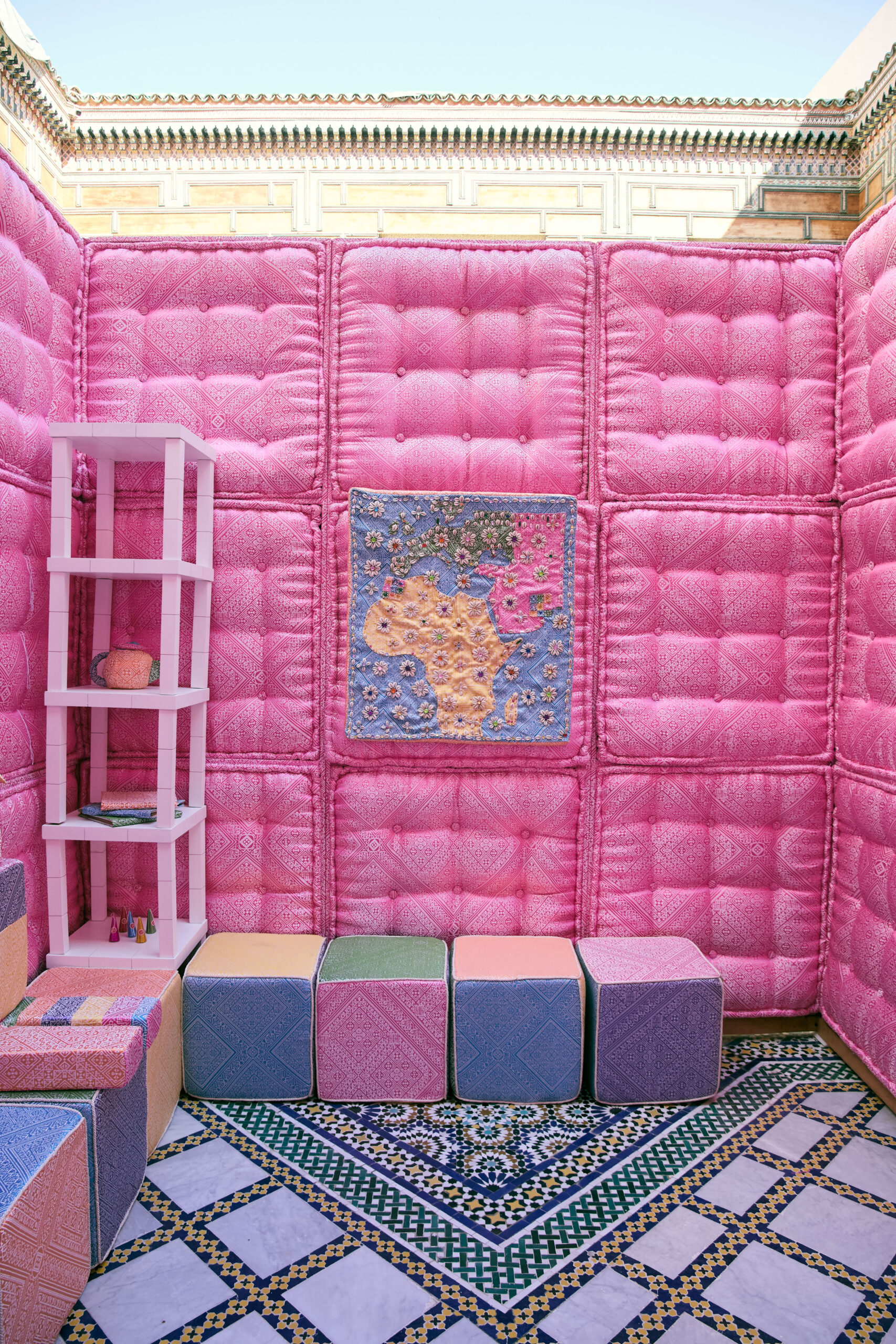
Fez — On Sunday, November 1, French-Moroccan artist Sophia Kacimi was preparing a living room near Bab Boujloud, one with no roof and an identical twin thousands of kilometers away.
The installation, titled “Sharing the Same Roof,” connects Fez and Doha through two colorful rooms equipped with live video technology.
In an interview with Lifestyle Magazine, ZOUBIDA’s founder, her father, teacher Michela Fanara, and participating students shared the personal stories behind the installation connecting Fez and Doha.
A visitor sitting on a pouf in Fez will encounter someone sitting in the same position in Doha, 5,481 kilometers away. Neither person needs to know the other. They simply share a room, or rather, two versions of the same room.
Commissioned for the Design Doha Biennale, the project opens on November 5 and runs until January 31, 2027.
Behind its oversized cushions, bright fabrics, and playful shapes is a collaboration involving more than 50 people from the medina of Fez.
For Kacimi, founder of the creative platform ZOUBIDA, the decision to build two installations was about more than bringing Moroccan craftsmanship abroad.
She wanted the people who made the work to experience it, particularly artisans whose creations often travel farther than they ever will.
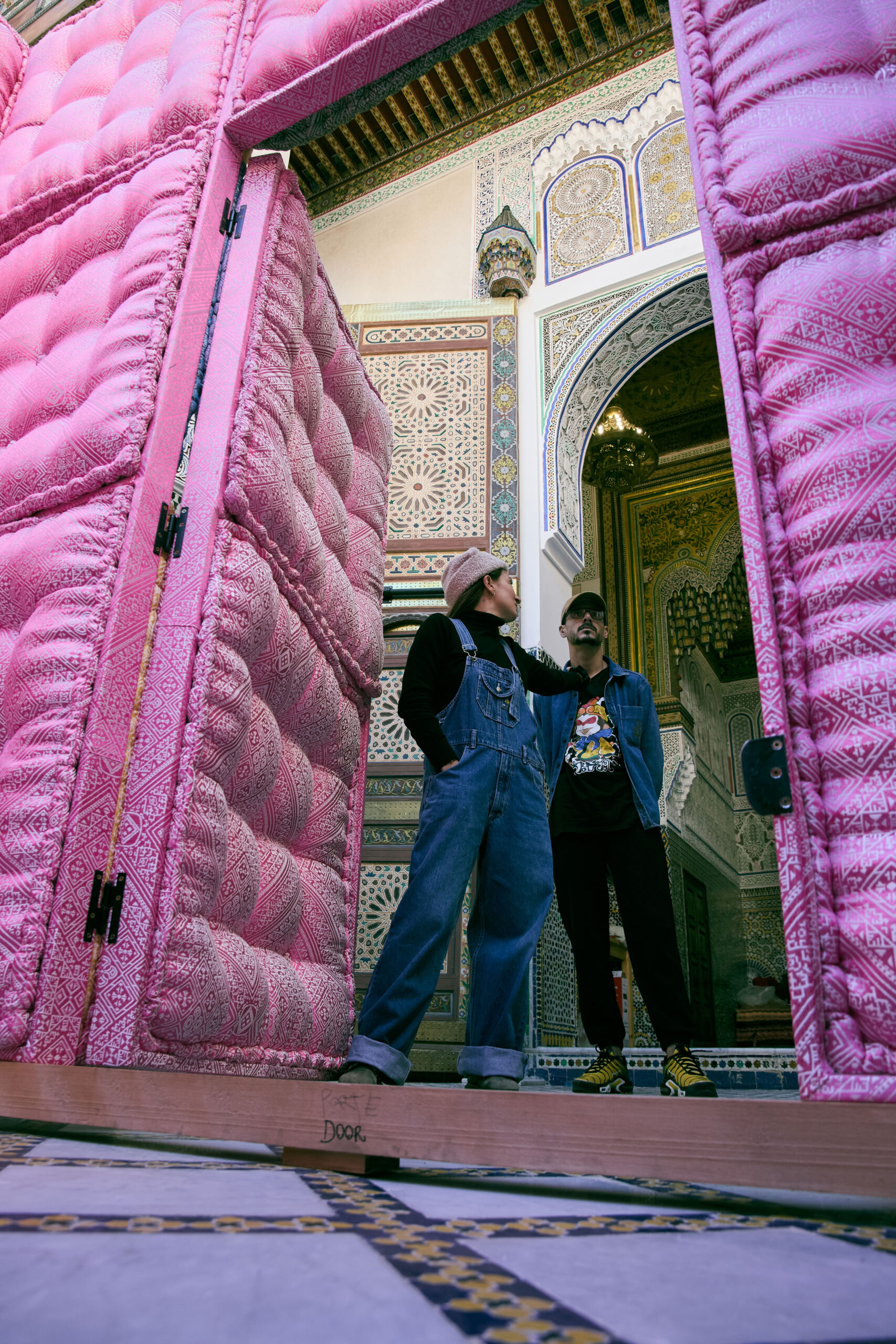
“If I make something amazing in the Medina like I always do, I want people to be able to enjoy it,” she told Lifestyle Magazine.
The idea came before the room
Kacimi had not yet decided what the installation would look like when she presented her proposal to the biennale organizers in Qatar.
What she knew was that one part had to remain in Morocco, allowing the people behind the project to participate in its international life.
“I had the concept idea before the object idea,” she explained.
The Moroccan salon eventually provided her answer, offering an intimate setting recognizable across generations and cultures.
But this is hardly a conventional salon. Cushions, poufs, and brocade appear in exaggerated proportions, stacked into colorful structures that resemble a giant Rubik’s cube.
The installation invites visitors to enter, touch, explore, and play, rather than observe the objects from a respectful distance.
Kacimi wanted to revisit a familiar domestic space through the eyes of someone who remembers its colors, comfort, and childhood associations.
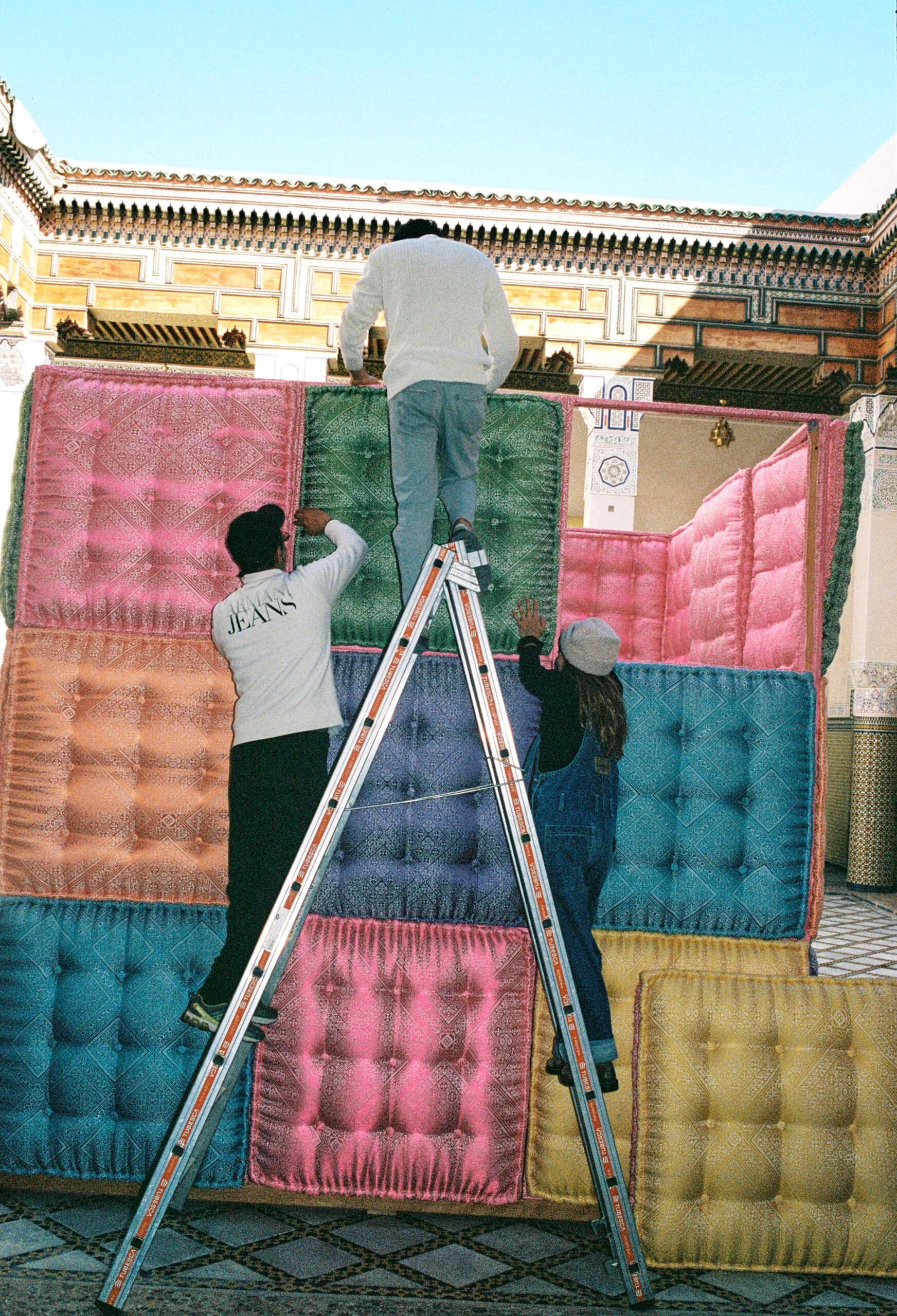
The textiles are particularly important. She chose Tarz el Fassi, a traditional Fez embroidery pattern historically worked by women for their homes and wedding trousseaus.
Instead of reproducing the embroidery conventionally, she transformed the motif into colorful brocade, extending it across the room’s surfaces.
The result is unmistakably contemporary, but its visual language comes from the homes and craft traditions of Morocco.
“I want a work that also speaks to children, and the child we are all inside us,” Kacimi said.
Her approach developed after years working for luxury brands including Chanel, Louis Vuitton, and Burberry.
Those experiences changed how she understood Moroccan craftsmanship and the difference between the prestige of handmade luxury goods and the recognition local artisans receive.
She felt that artisans were too often associated with repetitive objects made for tourists, despite possessing remarkable technical and creative abilities.
“What you do is art,” she recalled telling artisans who had difficulty seeing their work in those terms.
How ZOUBIDA became a family affair
Kacimi’s creative practice began in Fez around five years ago, although her family roots are in Khenifra.
Living between London and Morocco, she describes her work as a combination of London’s experimental spirit and the visual heritage of Fez.
During the interview, the conversation turned toward an unusual name that has become central to her artistic identity.
ZOUBIDA was originally the name of a neighbor she repeatedly heard her relatives mention during childhood visits to Morocco.
Because she did not speak Arabic at the time, she and her brother invented their own meaning for the unfamiliar name.
Whenever something went wrong or produced an unexpected result, they would simply say “Zoubida.”
A missed train, a broken plate, or a plan that took an entirely different direction could all become occasions for the expression.
The joke stayed with them into adulthood. “Working with artisans is Zoubida every single day,” Kacimi explained, describing how unpredictable results sometimes become more interesting than the original design.
Her father, Moulay Abdellah Kacimi, has been part of that adventure from the beginning.
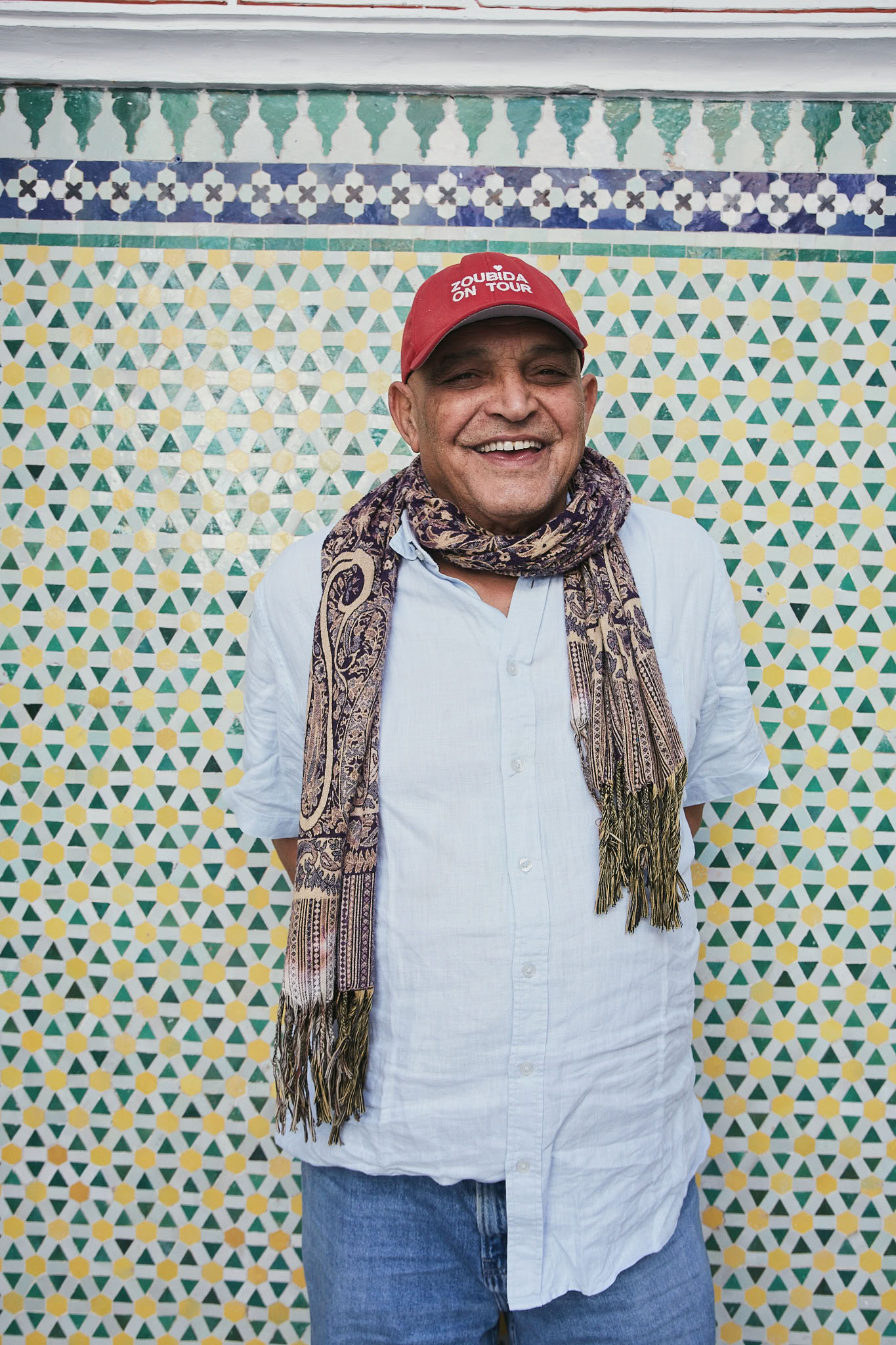
He handles much of the logistics, communicates with artisans, and helps coordinate production between Morocco and the international projects his daughter develops.
Speaking with Lifestyle Magazine, he joked that established fashion businesses have parent companies, while his daughter has something different.
“They have parent companies. Sophia has a father’s company,” he said, playing on the French expression for a parent company.
His involvement began with a difficult decision in Sophia’s professional life.
He recalled encouraging her to leave the luxury industry after noticing that her work was no longer making her happy.
According to his account, he even asked her to write her resignation letter in front of him.
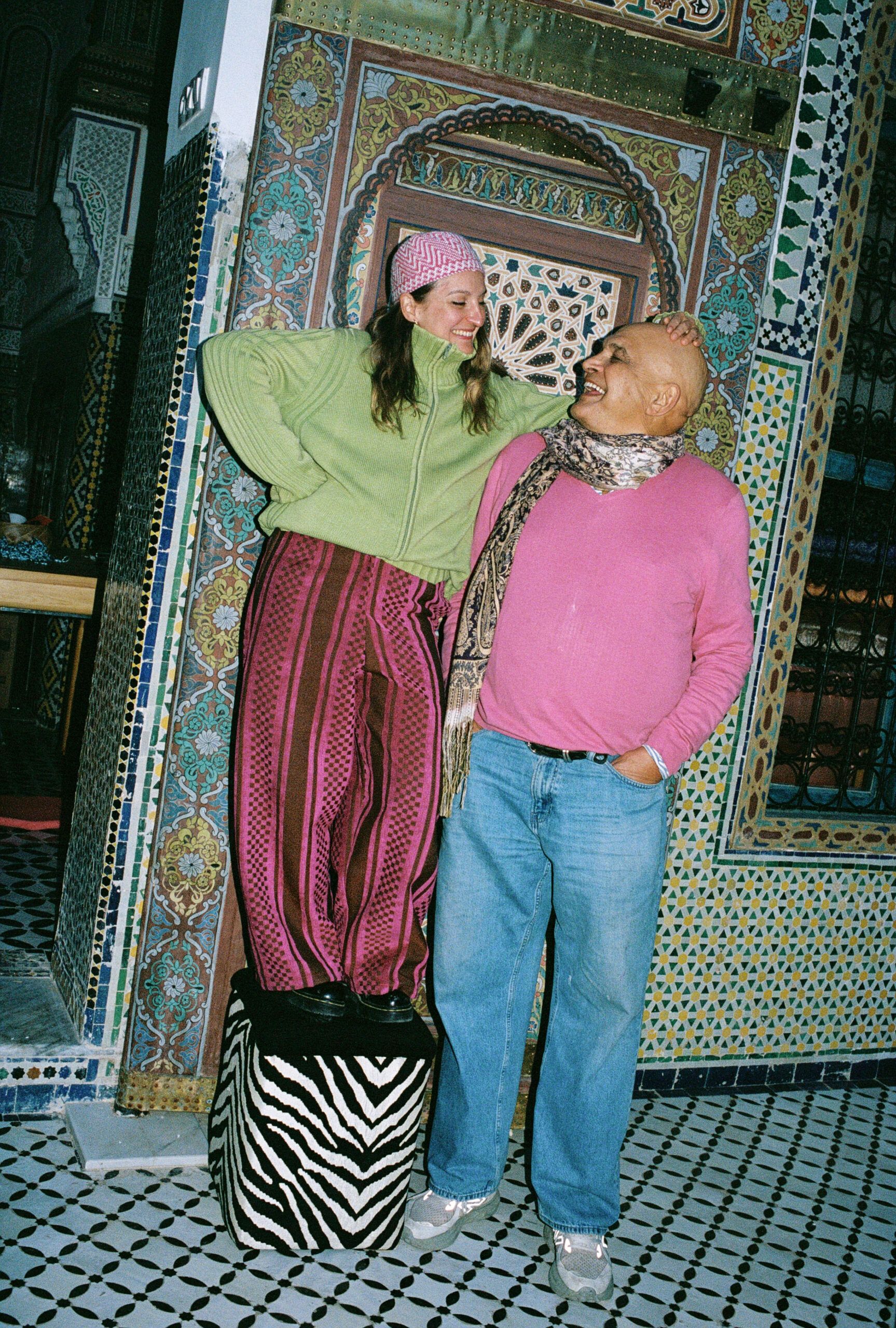
He reassured her that they would find a way forward together.
Today, the father and daughter work alongside a growing community of artisans whose skills have become essential to discover ZOUBIDA’s creative world.
The young people making the room
The installation brought master artisans from eight traditional crafts together with students from École des Métiers d’Art Shems’y (Shems’y School of Arts and Crafts) and Kan Ya Makaan.
Both institutions are connected to the Association Marocaine d’Aide aux Enfants en Situation Précaire (Moroccan Association for Aid to Children in Precarious Situations), known as AMESIP.
Kacimi’s collaboration with the schools began after she received a Creative Entrepreneur Award from the Arab World Institute in Paris in 2025.
There, she met AMESIP founder and president Touraya Jaidi Bouabid, who encouraged her to visit the association’s school in Fez.
Kacimi was preparing the Doha project and needed additional space and skilled hands to realize its ambitious scale. The school offered both.
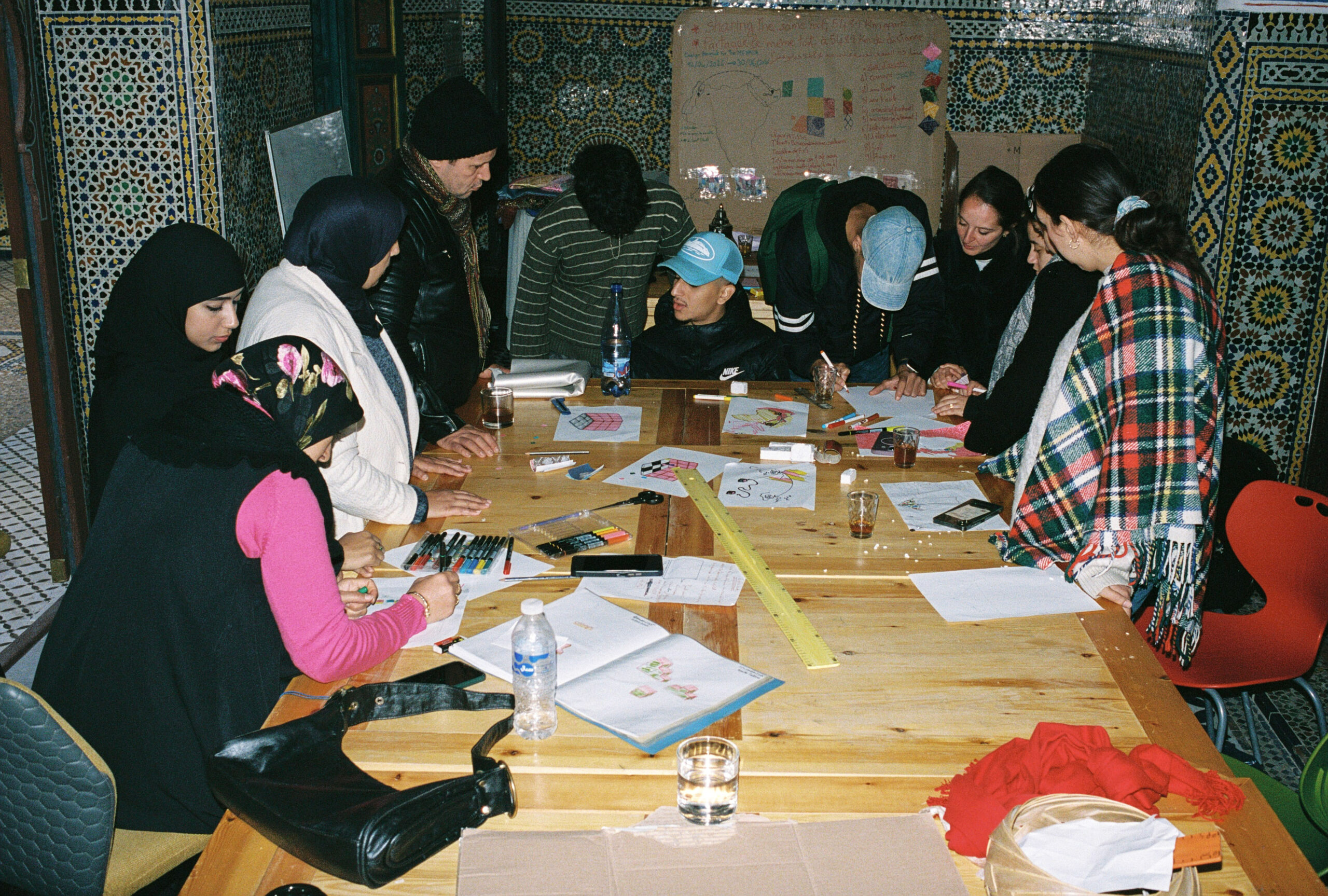
What followed was a series of workshops in which students worked alongside artisans, discovering materials, techniques, and the demands of producing an international exhibition.
For Safae Rifi, who studied theatrical costume design at Shems’y, the experience went beyond learning another practical skill.
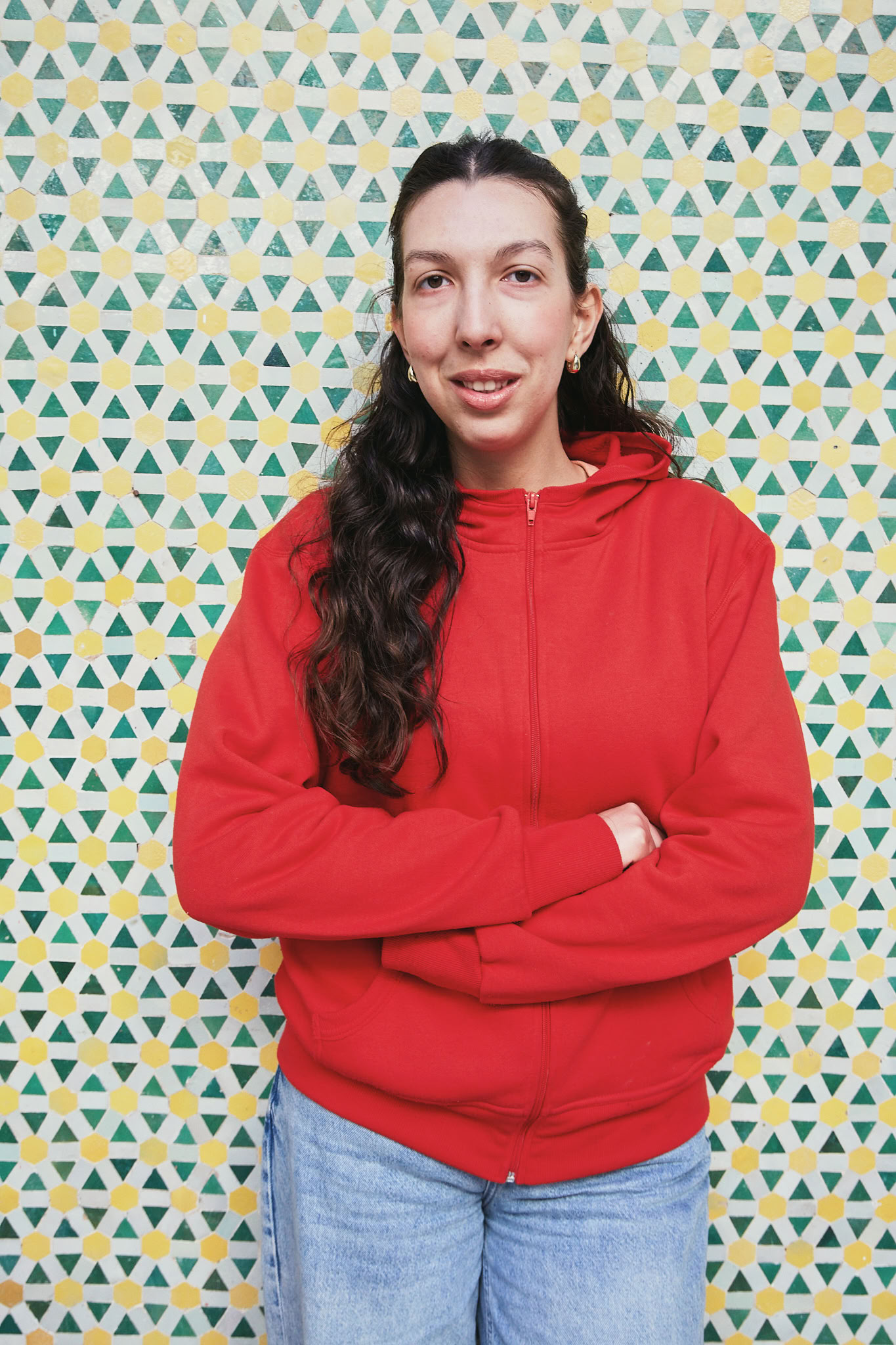
“We learned many new things that we had never worked on before,” she told Lifestyle Magazine.
But something more personal also happened. “We discovered things in ourselves that we had not discovered before,” she added.
Fatima Saidi, another graduate of the costume design program, helped produce poufs, decorative elements, and shelves for the installation.
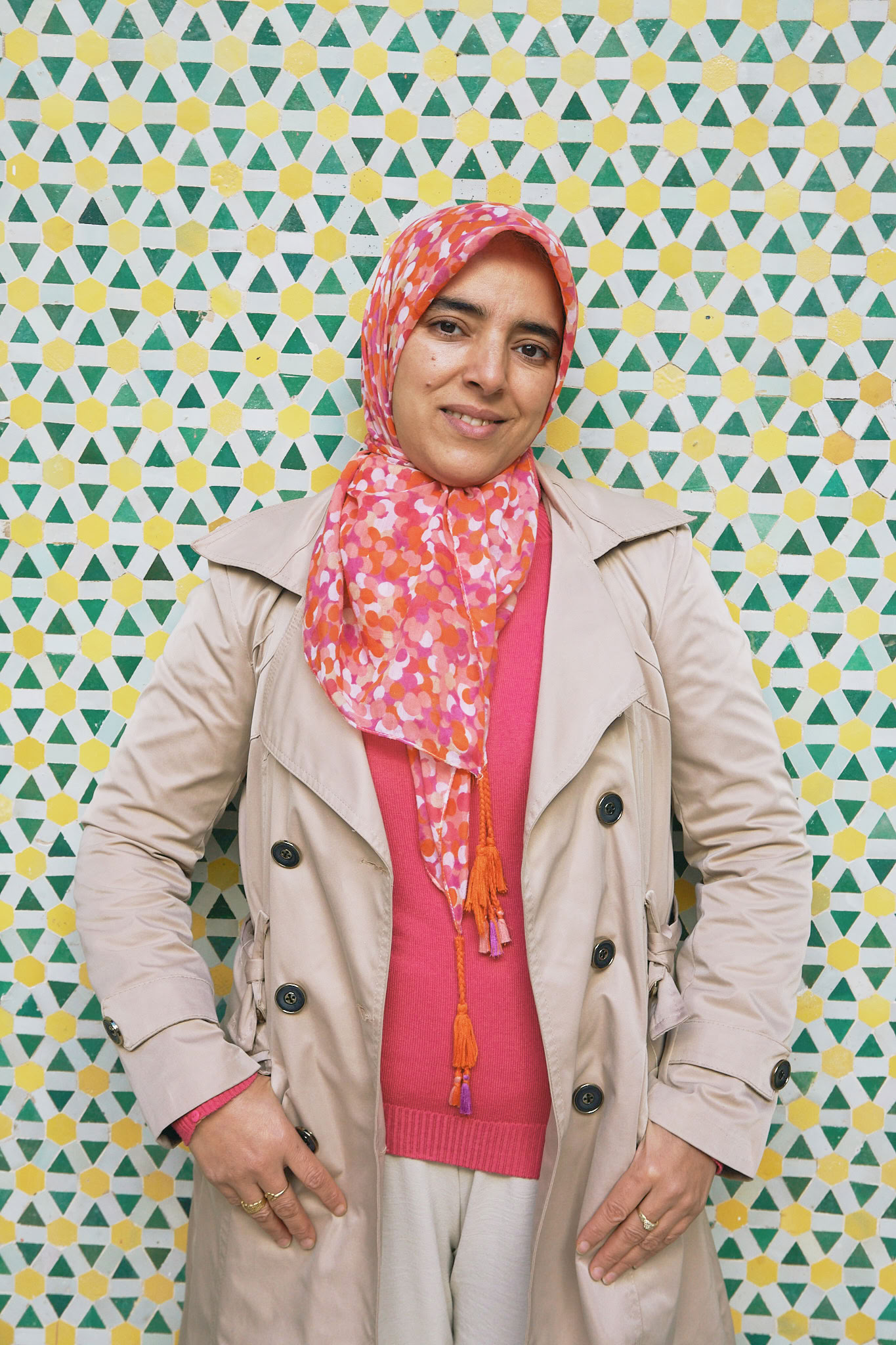
She said the experience introduced students to professions they had never previously encountered.
“We discovered other trades we had never known about,” she explained, adding that the experience helped graduates imagine establishing their own projects.
For Saidi, the exhibition also represents an opportunity to show what the students achieved together. “This is collective work. Many people participated in it,” she emphasized.
Aicha El Guennouni, another participant, found particular value in learning how to work with people from different professions. “We learned how to deal with people, like the carpenter, the tailor, and the upholsterer,” she said.
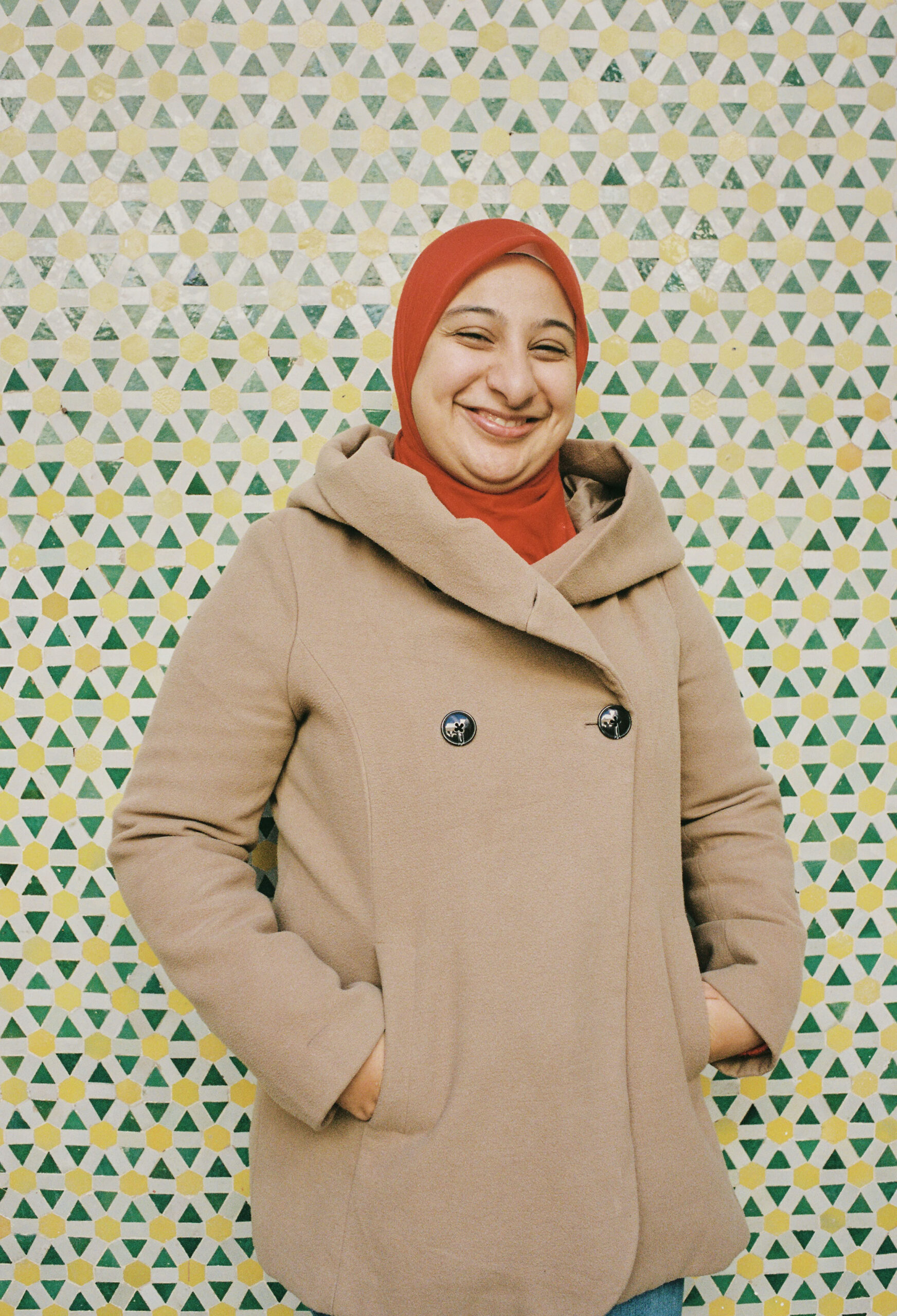
Her experience highlights something easily overlooked in creative projects. Making an object requires technical ability, but collaboration demands communication and mutual understanding.
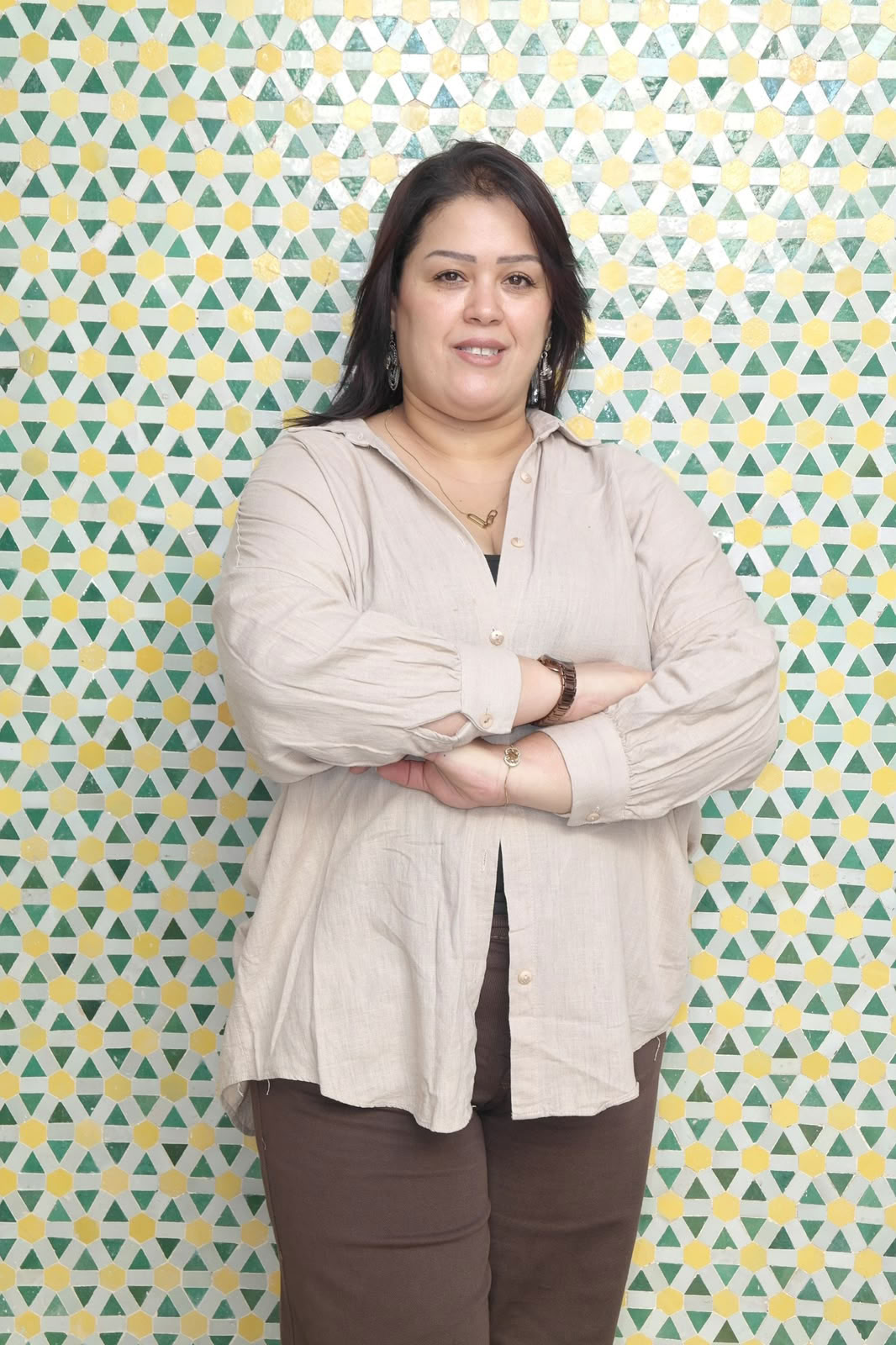
Siham Alaoui, a Shems’y graduate, also contributed to sewing and decorative work, including the oversized poufs. “We did things we did not know how to do before,” she said, describing the project as an enriching experience.
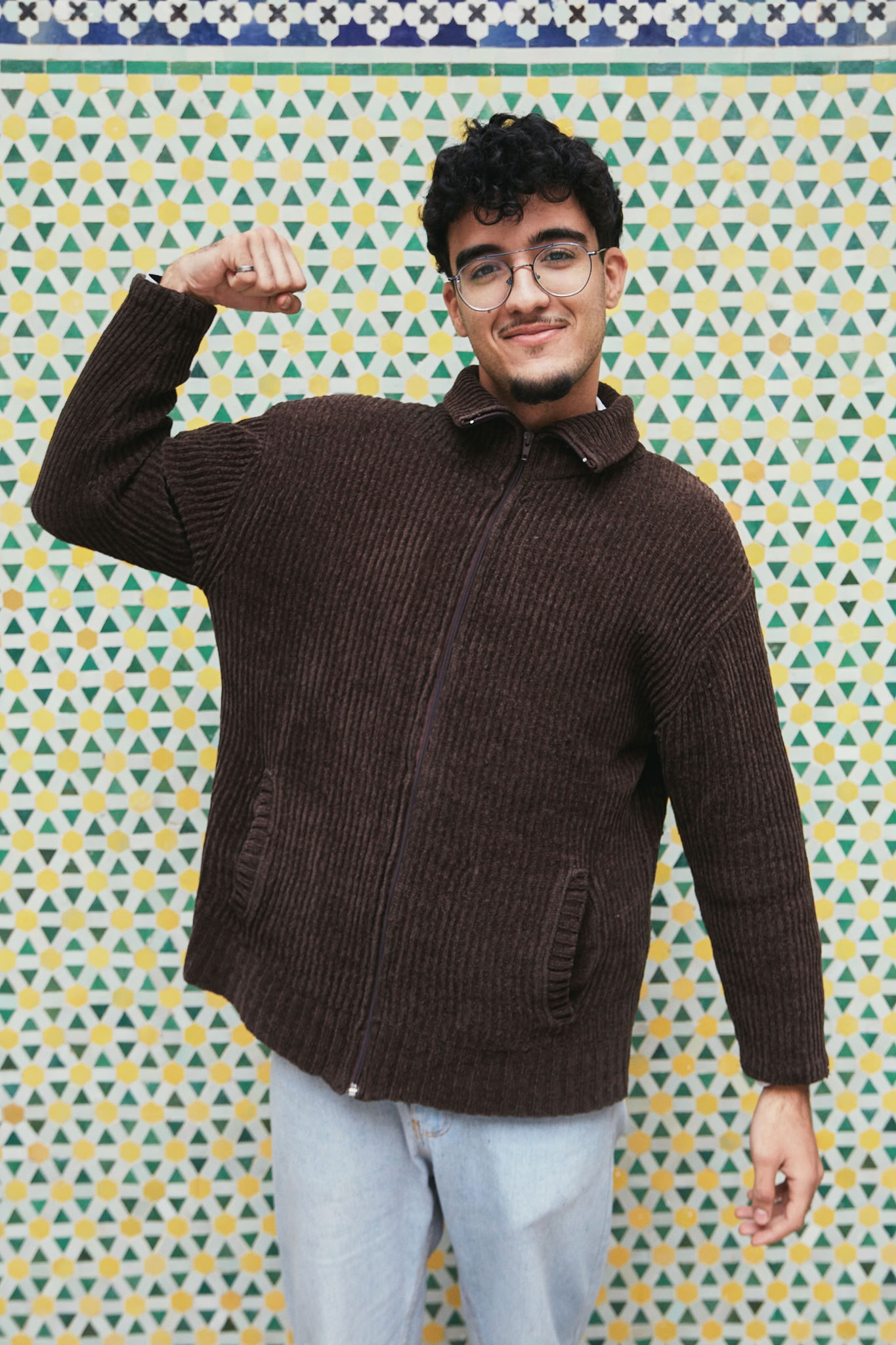
Meanwhile, scenography graduate Marwan Ouardi worked alongside Kacimi on measurements, installation, and logistics. “I learned many things, many materials, and many trades,” he explained, recalling the variety of tasks involved in assembling the work.
Ikram Diouri, who studies scenography, said the collaboration helped her apply classroom knowledge of decoration to an actual artistic project.
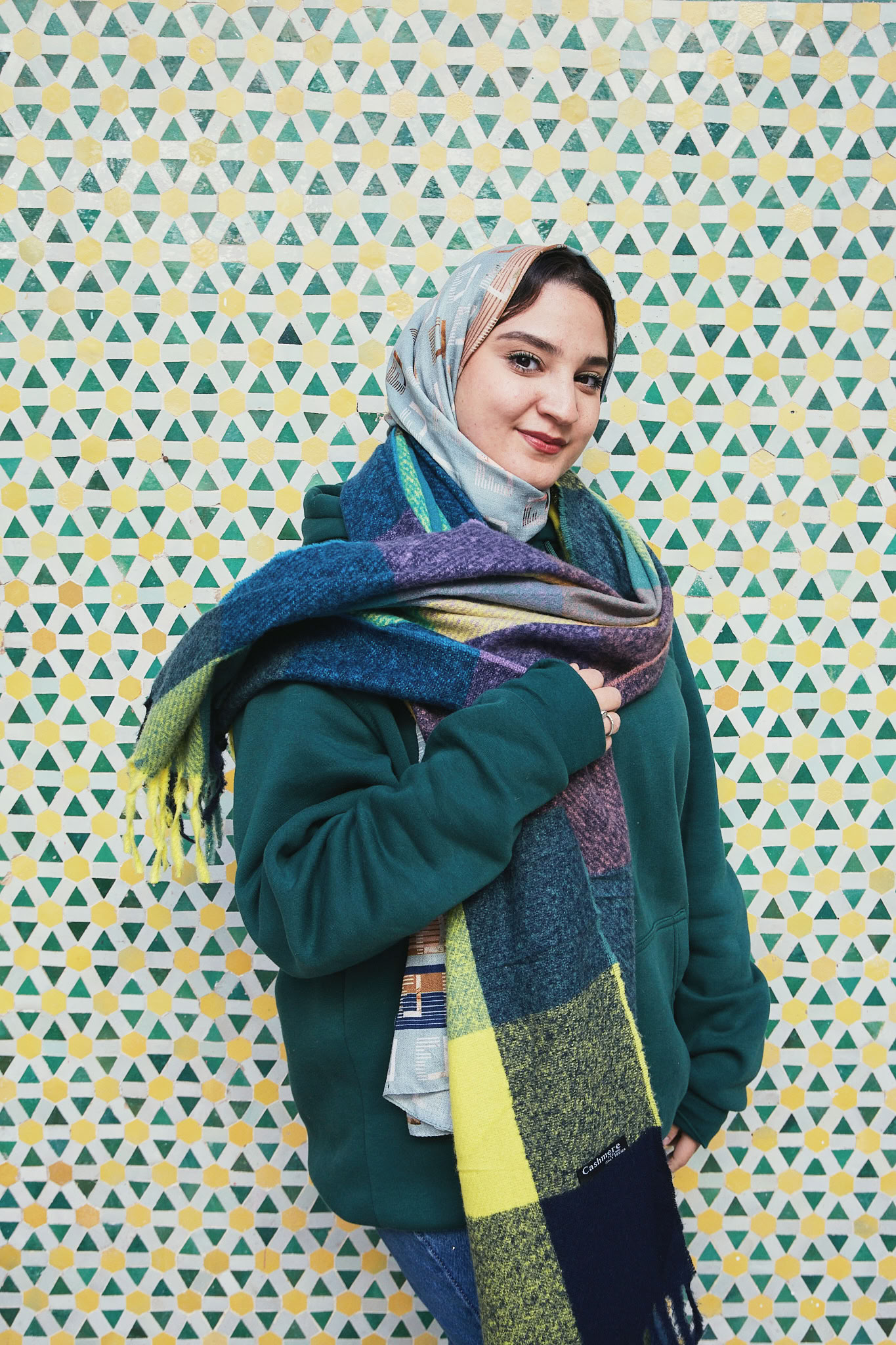
Together, their experiences reveal how the installation became a learning environment, connecting formal education with the practical knowledge of Fez’s artisans.
The moment an idea becomes real
For Michela Fanara, a teacher at Shems’y, the value of projects like this begins long before the finished artwork appears.
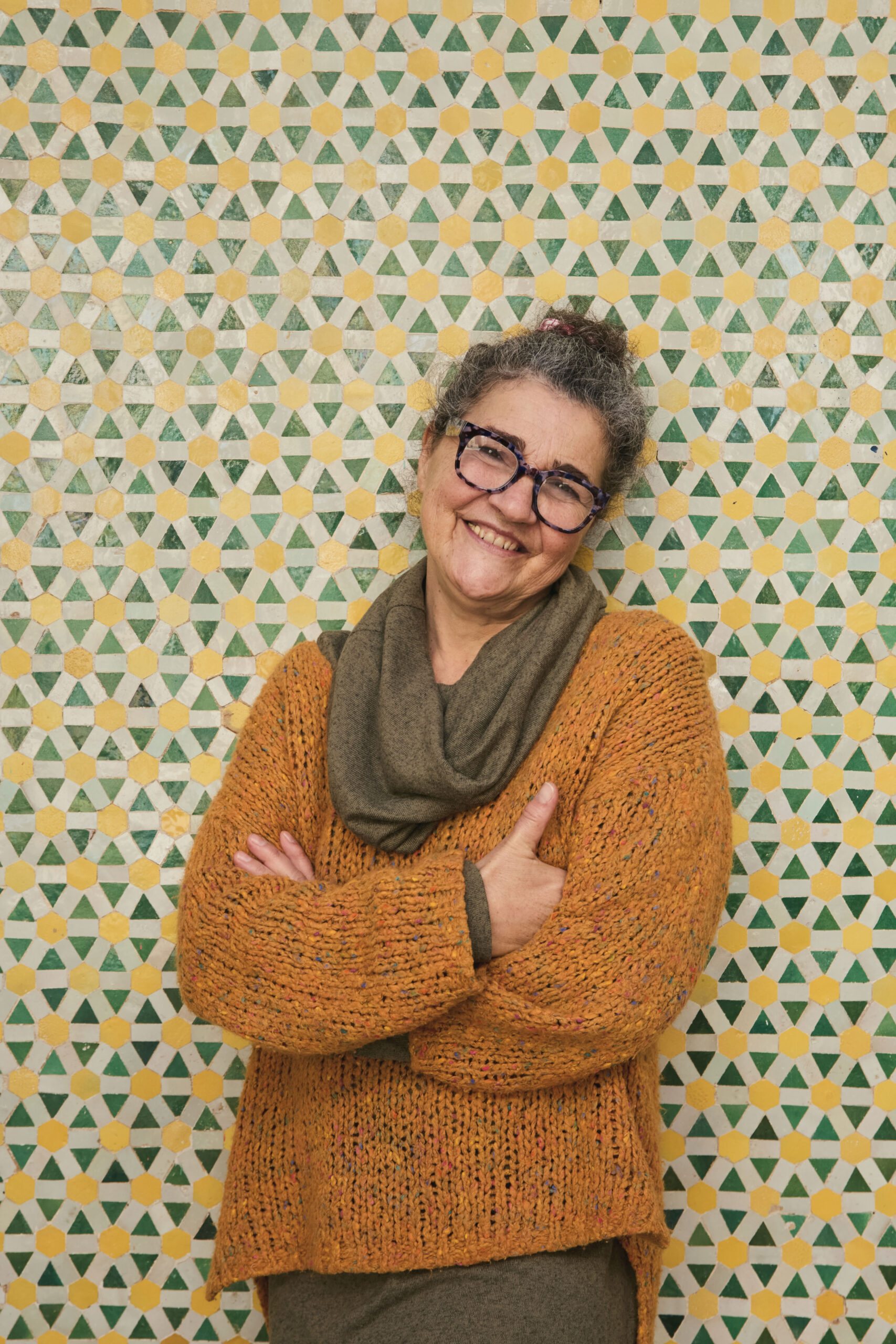
She enjoys watching students confront a creative problem, research possible solutions, and discover how their original ideas can become physical objects.
“I enjoy the sparkle in the eye I can find in the students’ eyes when they have the Eureka moment,” she told Lifestyle Magazine.
That discovery happens repeatedly, she explained. First comes the initial idea, followed by research, sketches, and the challenge of choosing suitable materials.
Students must then consider costs, practicality, and how different materials behave.
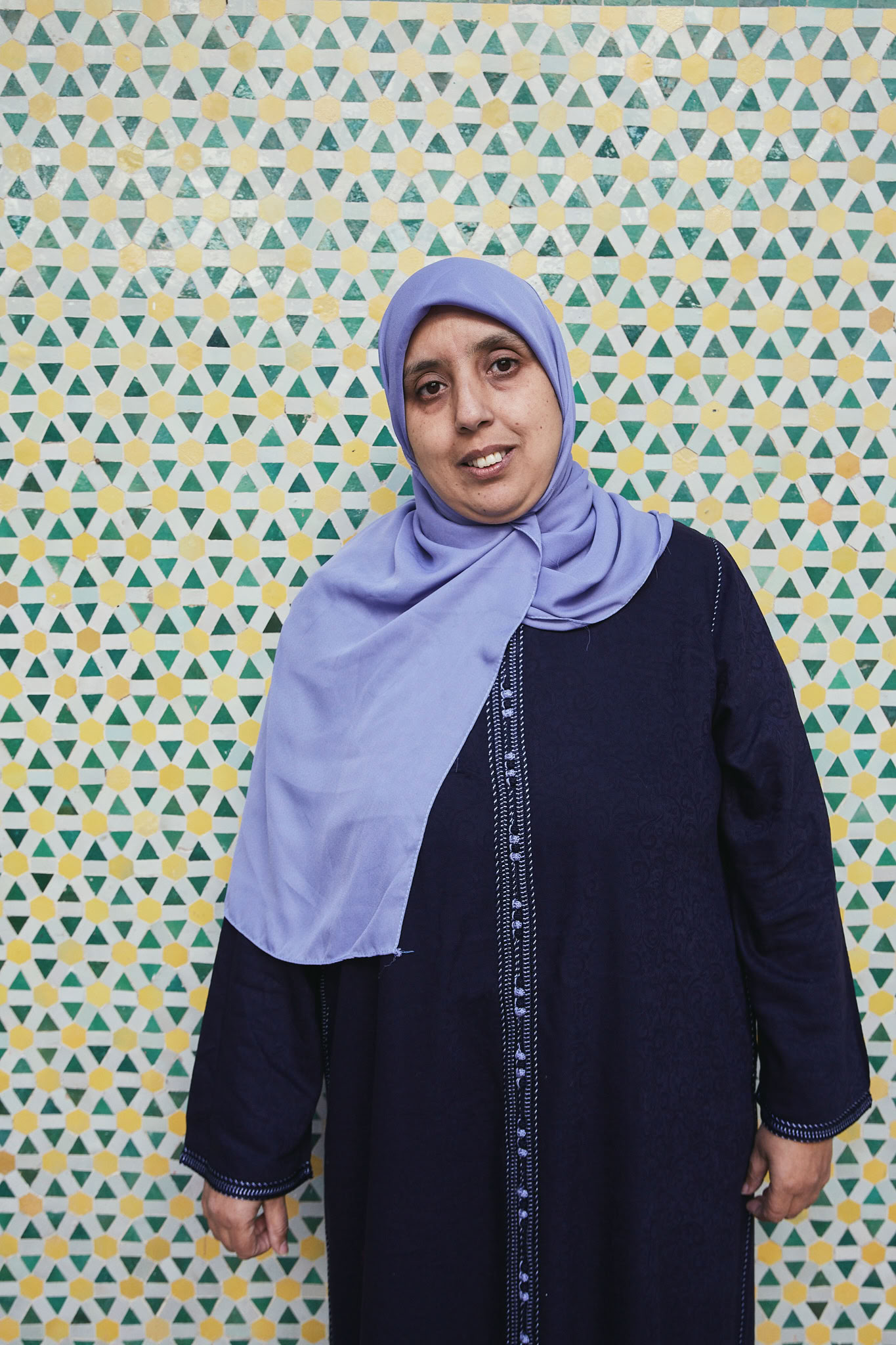
Eventually, they see something that previously existed only on paper become a three-dimensional object.
For Fanara, public recognition gives that process another layer of meaning.
“It’s not even a desire, it’s a need,” she said, explaining the importance of feeling recognized.
That recognition is also central to Kacimi’s approach.
The installation acknowledges its contributors by name, including artisans and students whose efforts might otherwise remain invisible behind the artist’s reputation.
In Fez, some of those students will also guide visitors through the installation, introducing the objects and explaining the processes behind them.
One room stays home
The Design Doha Biennale will present the installation within its wider program exploring contemporary design, craft knowledge, and cultural exchange.
Yet the project’s most important audience may be the people who helped construct it.
Many of the participating artisans cannot travel to Doha, but the live connection will allow them to see visitors interacting with their work.
Their families will also have an opportunity to experience an international project made possible by skills practiced in the medina.
For the students, the Fez installation represents a public demonstration of what their education can produce when they work alongside experienced craftspeople.
And for the visitors who enter either room, the encounter will be simpler.
They will sit, look across a screen, and perhaps exchange a smile with someone in another country.
The structures have no roofs, leaving each room open to the sky above. That small architectural decision gives the title its meaning.
“Sharing the Same Roof” is ultimately less concerned with the distance between Fez and Doha than with the people who make such connections possible.
The project brings Moroccan craftsmanship into an international conversation while keeping its makers, their names, and their work visible at home.