

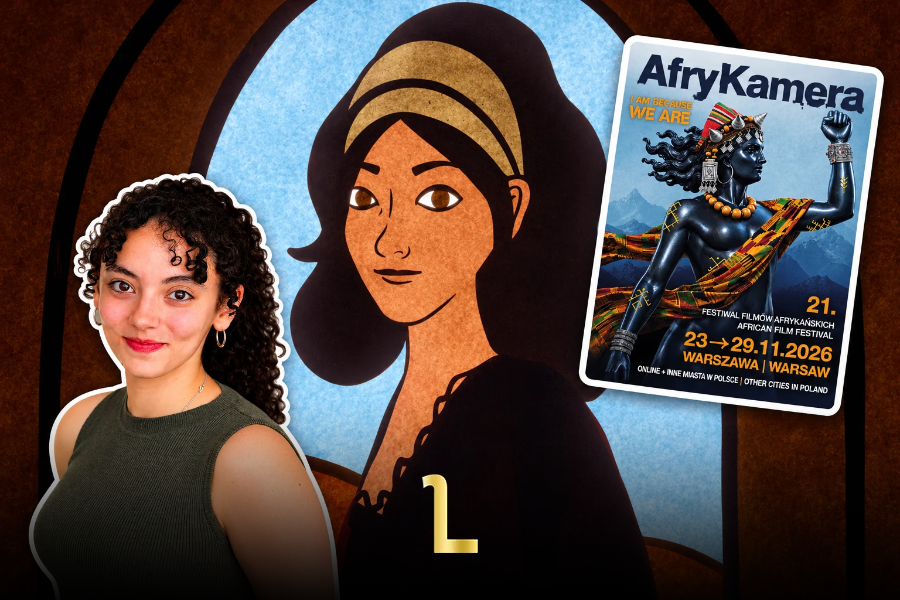
Marrakech — For generations, Moroccan children have grown up fearing Aïcha Kandicha, the mysterious woman said to haunt rivers, forests, and lonely roads. But what if the frightening figure at the center of those stories was never the villain?
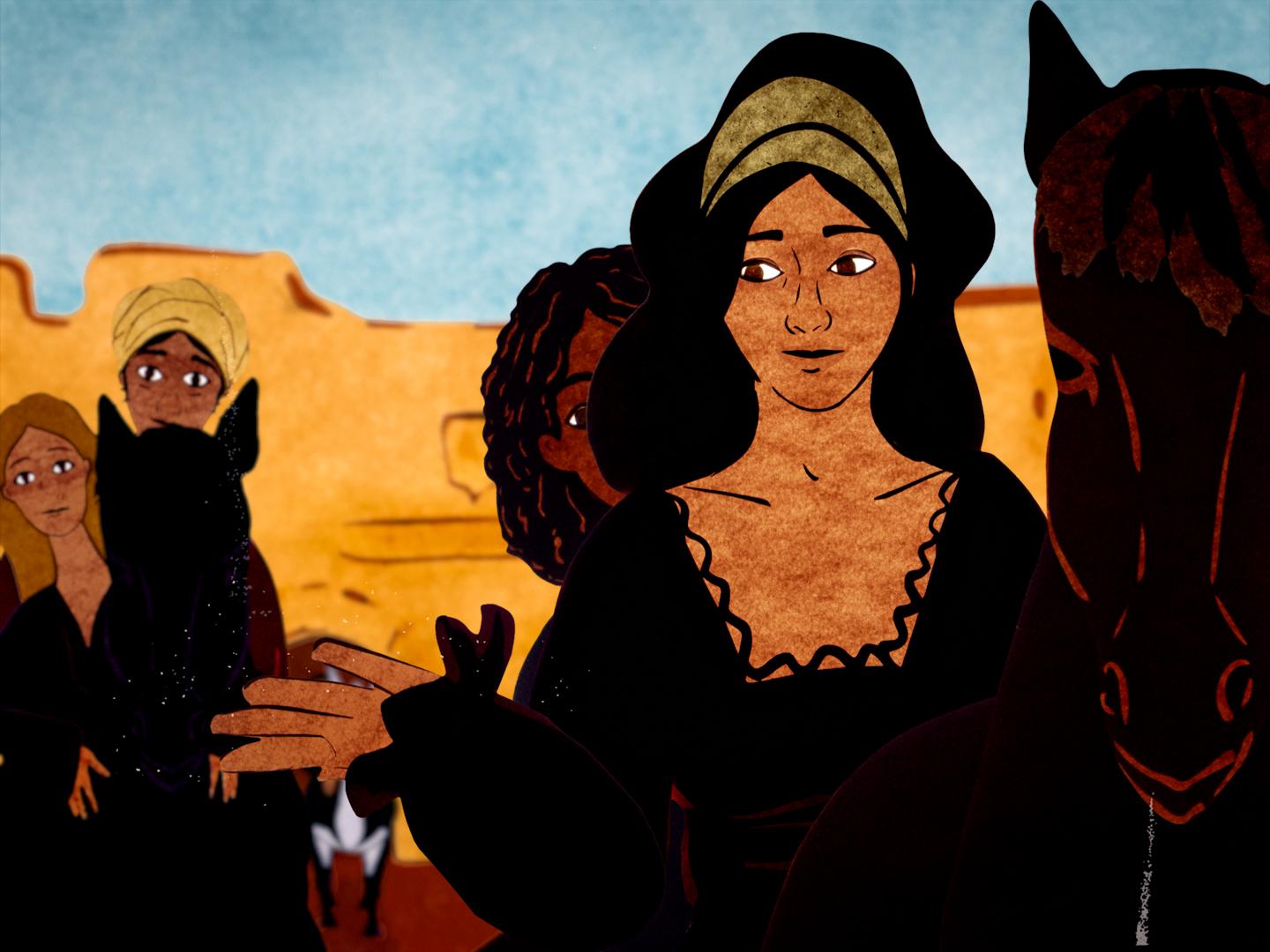
French-Moroccan filmmaker Fayrouz Harmatallah Sbaï explores that possibility in “Aïcha Kandicha,” an animated short that reimagines the legendary figure as a woman who resisted Portuguese colonial forces during the 16th century.
The 11-minute film is heading to Warsaw, Poland, where it will screen on November 28 as part of Animafrica, the first program dedicated to African animation for adults at the 21st AfryKamera African Film Festival.
Speaking to Lifestyle Magazine, Sbaï shared how a childhood fear developed into a deeply personal project about reclaiming women’s stories, confronting historical injustice, and finding freedom through animation.
Giving Aïcha Kandicha her story back
Sbaï’s journey into filmmaking began in Rabat, where she joined the first class of the film studies specialization at Lycée Descartes.
For her, cinema became a means of expression and creative independence.
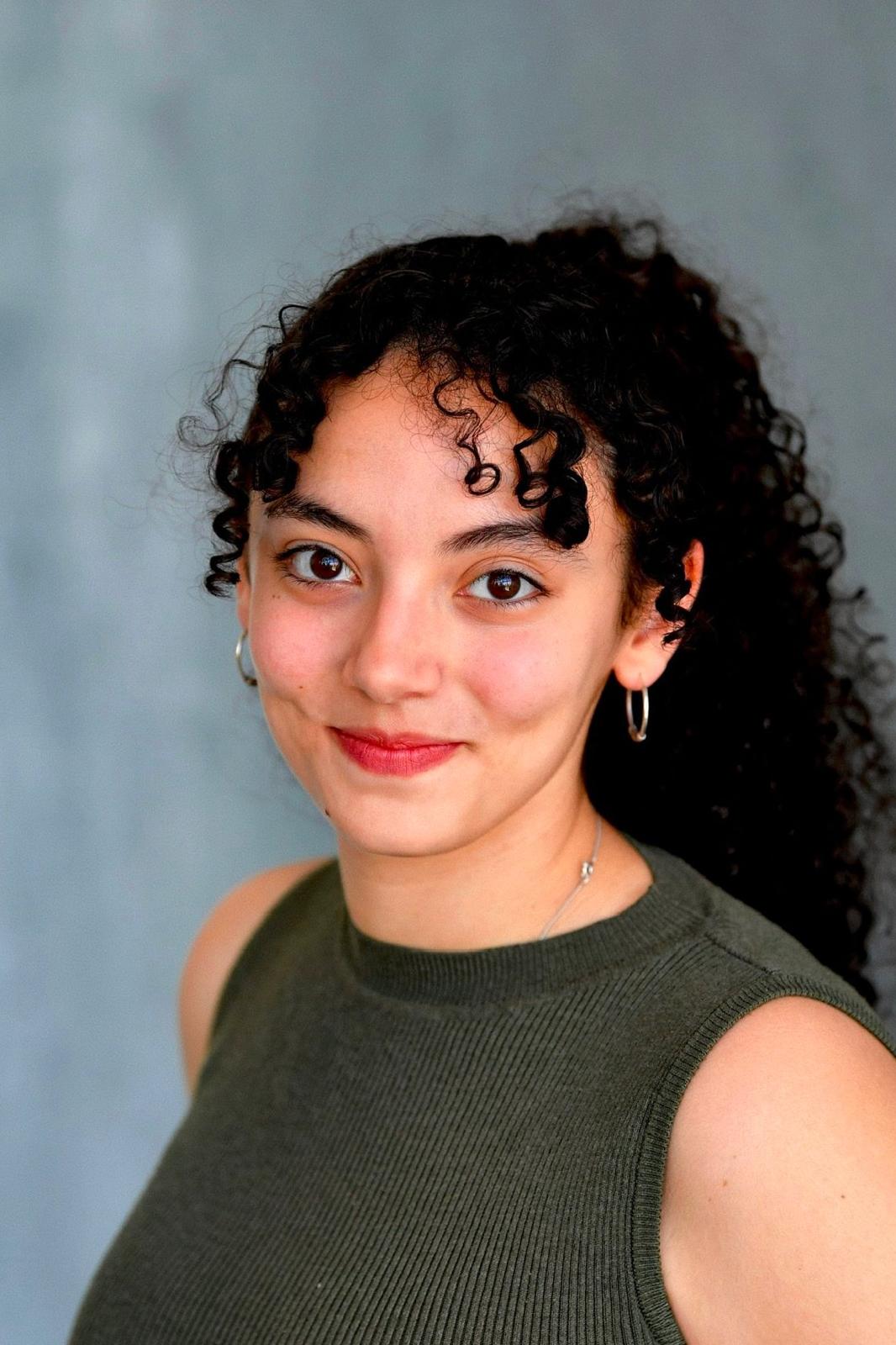
“I chose to make films because I believe they give me a voice and enable me to completely express my freedom of speech,” she told Lifestyle Magazine.
Her interest in animation came partly from the creative possibilities it offers filmmakers working with limited resources.
“Animation has no limits – an animation film can be set anywhere and anytime, whereas for live action films, any decision has an economic consequence,” she explained. “Not being able to finance a film is a form of censorship.”
That freedom allowed her to imagine an alternative origin story for Aïcha Kandicha, moving beyond the supernatural figure familiar to Moroccan children.
In one interpretation of the legend, Aïcha was a woman who used her beauty and intelligence to deceive Portuguese soldiers and resist colonization.
Sbaï does not present this version as established historical fact. Instead, she uses it to question how stories about women change over time.
“Posterity has turned her into the demoness we grew up fearing in Morocco, but I made my film in order to rehabilitate her figure as the decolonial and feminist icon she is.”
The filmmaker discovered this alternative perspective several years ago, an encounter that fundamentally changed her relationship with the legend.
“How many women throughout history have been demonised simply because they defy patriarchal norms?” she asked.
For Sbaï, the story brings together questions of colonialism, slavery, poverty, misogyny, racism, and sexual violence.
Rather than simply retelling a frightening folktale, she wanted to explore how a woman remembered as a monster might also represent resistance against oppression.
Six months in darkness, one frame at a time
The film’s distinctive visual identity comes from an equally unusual creative process.
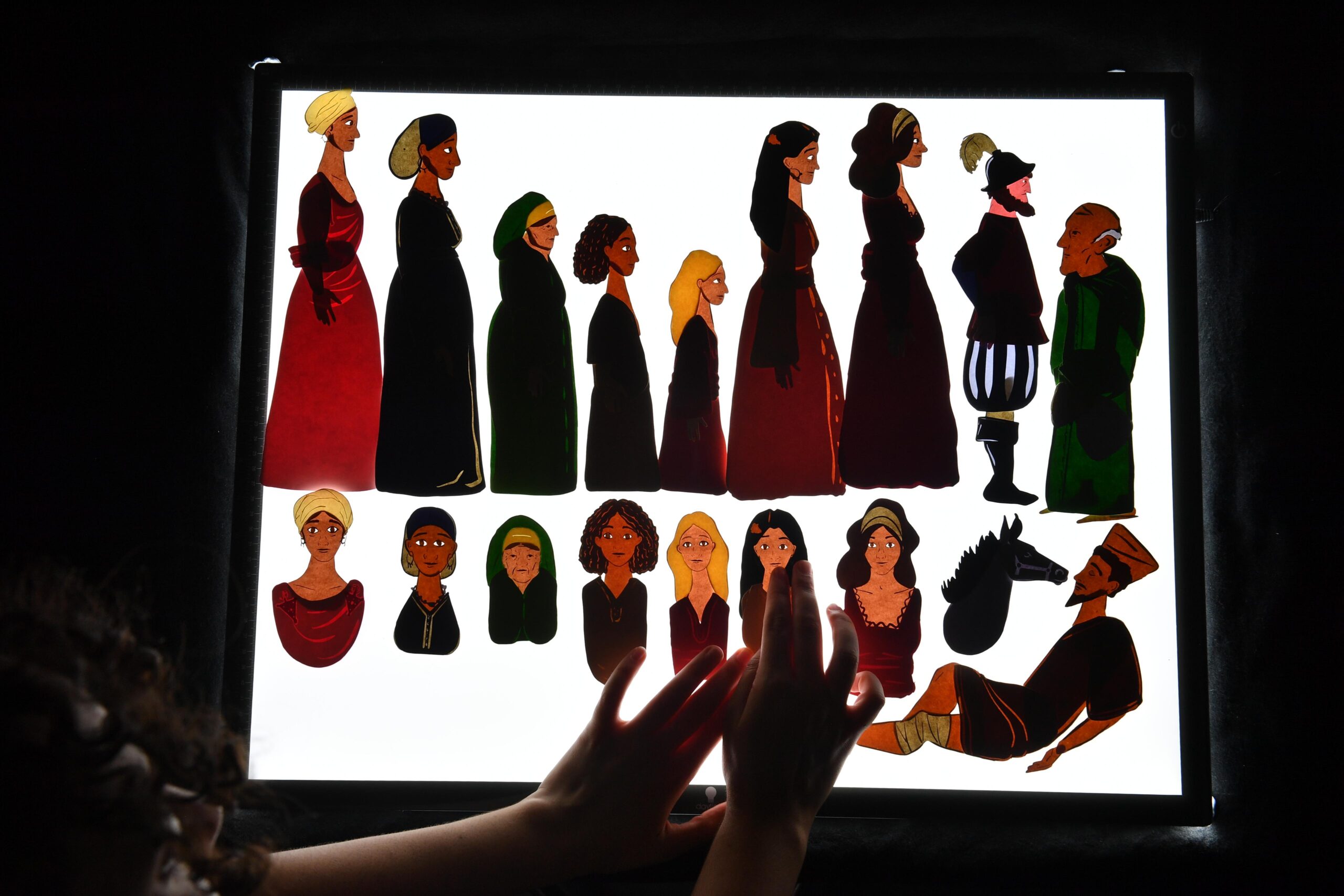
During her studies at the National School of Decorative Arts in Paris, Sbaï discovered banc-titre, a traditional animation technique involving a camera positioned above a glass surface.
Artists place paper figures, sand, paint, or other materials beneath the camera, moving them slightly between photographs to create the illusion of motion.
Sbaï developed her experience with paper cut-out animation while working as an assistant animator on Nikita Fraysse’s animated series “Contes d’oc.”
She also drew inspiration from pioneering animators including Lotte Reiniger and Michel Ocelot.
Reiniger’s “The Adventures of Prince Achmed,” an early surviving animated feature, particularly influenced her interest in silhouette animation and its relationship with Orientalist imagery.
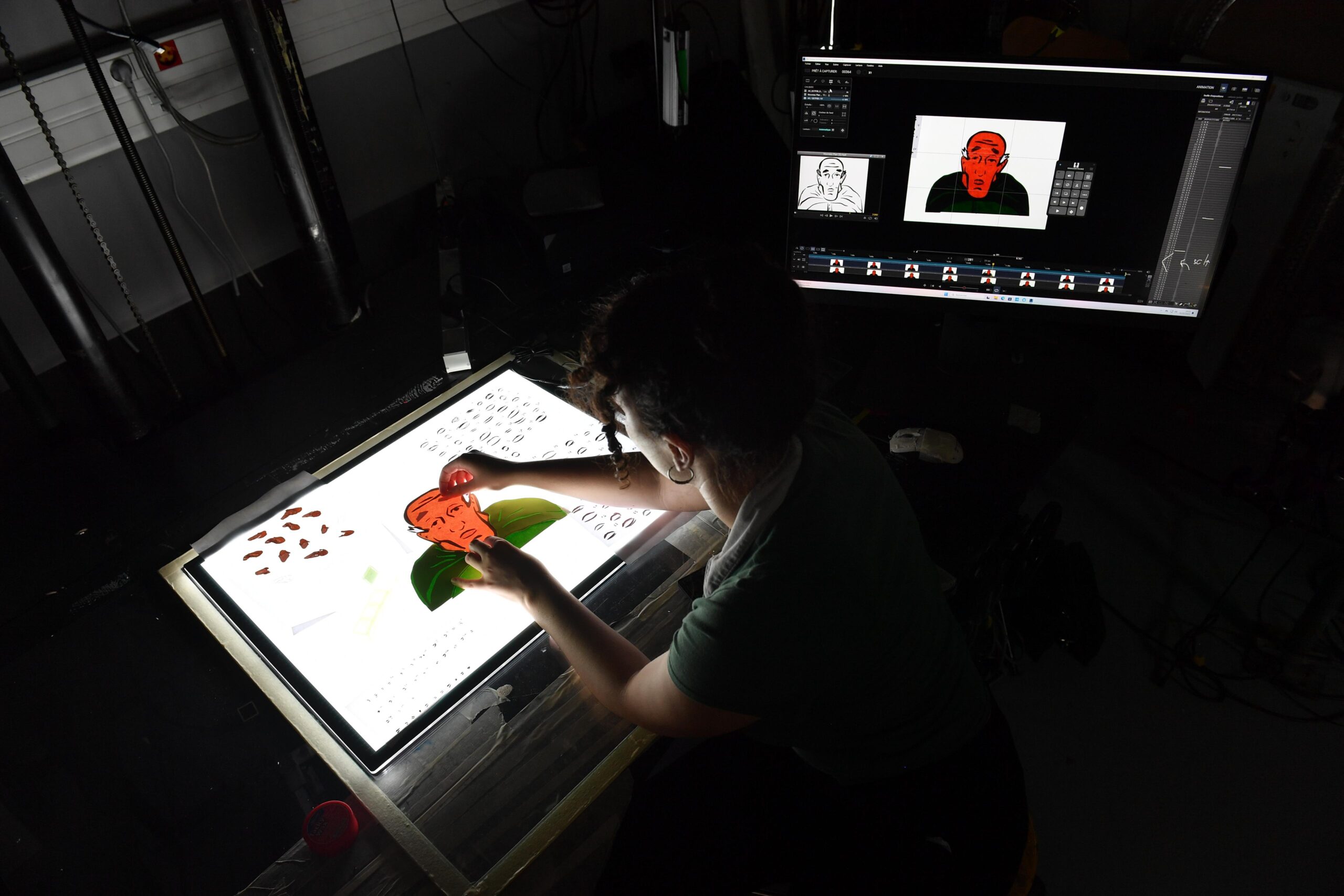
For Sbaï, using this technique to tell a Moroccan woman’s story became a way of reclaiming both the visual language and the narrative.
Every puppet and set in “Aïcha Kandicha” was handmade using tiny pieces of paper, while sand helped create the film’s shifting textures and atmosphere.
The process was painstaking. “Every day, I can animate between 7 and 15 seconds of animation, and every month, around 2 minutes,” she explained.
She spent approximately six months working in darkness, which the paper cut-out technique required.
The experience also gave her a new perspective on the figure she had feared since childhood.
“I was a bit scared that Aïcha would actually haunt me,” she admitted. “But after spending 6 months animating this film in complete darkness (a necessity for the paper cut-out technique I use) she had countless opportunities to eat me alive.”
Instead, Sbaï believes the legendary figure has become something closer to a protector. “I would rather say she is my guardian angel, and that her spirit probably approves of the film!”
Handmade animation in the age of AI
Beyond its subject matter, “Aïcha Kandicha” also reflects Sbaï’s position on the growing use of artificial intelligence in creative production.
At a time when digital tools can generate images almost instantly, she deliberately chose a slow, labor-intensive method that required her to construct and animate every scene by hand.
“Also, at a time where AI is flooding everywhere and producing faster is the ultimate value, it is also a political statement to use this traditional technique of animation,” she said.
Her decision was not simply aesthetic.
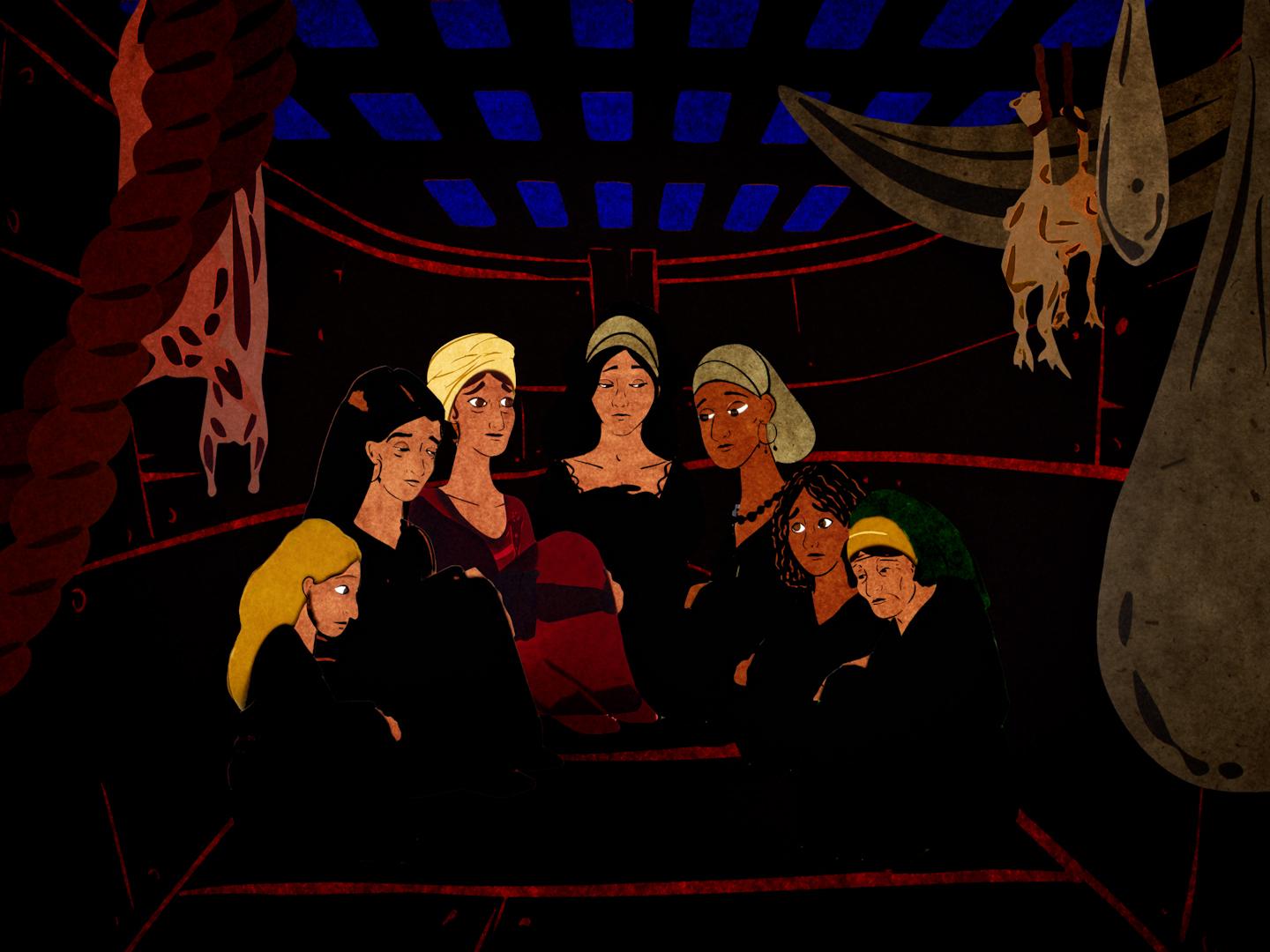
It reflected her belief that the time, care, and physical involvement of an artist can carry meaning of their own. “This film took a lot of time to be made, but I meant every frame of it,” she said.
The finished film features an original soundtrack by Aniss Belkadi, with voice performances by Narrimane Faqir, Fatym Layachi, Lionel Cecilio, Anis Cherki, Moulay Hassan Harmatallah Sbaï, Chama Naciri, Selma Benali, and Dalila Zioueche.
Distributed by Loqidor Productions, the graduation project was selected for the 2026 Annecy International Animation Film Festival, where it appeared in the Graduation Films competition.
The festival’s official program lists its cut-out, puppet, and powder animation techniques, alongside its political and fantasy themes.
Bringing a Moroccan legend to Warsaw
Following its selection at Annecy, “Aïcha Kandicha” will now reach Polish audiences through AfryKamera, which runs from November 23 to 29.
The film will screen on November 28 at 3 p.m. at Warsaw’s Kino Atlantic as part of Animafrica, alongside animated works from Tunisia, Angola, Egypt, and South Africa.
The festival confirms that the selection marks its first dedicated program of animated films for adults.
For Sbaï, the opportunity carries particular significance because she has yet to discuss the film in person with an audience.
“I am beyond excited by AfryKamera’s screening! I am very proud to represent Morocco and animation in such a legendary lineup,” she told Lifestyle Magazine.
She also hopes the story will resonate with Polish viewers, particularly through its themes of resistance and historical memory.
“Poland is a land of resistance, I hope this story will speak to them.”
But beyond introducing international audiences to a Moroccan legend, Sbaï wants viewers to question the stories societies tell about women.
“If the spectators have never heard about Aïcha Kandicha, maybe it might be a first step toward breaking the cycle of downgrading and demonizing women.”
What began as a childhood nightmare has become an opportunity to challenge inherited fears and imagine a different history.
Through thousands of handmade frames, Sbaï gives Aïcha Kandicha something the filmmaker believes the legend has long denied her: the opportunity to tell her own story.