

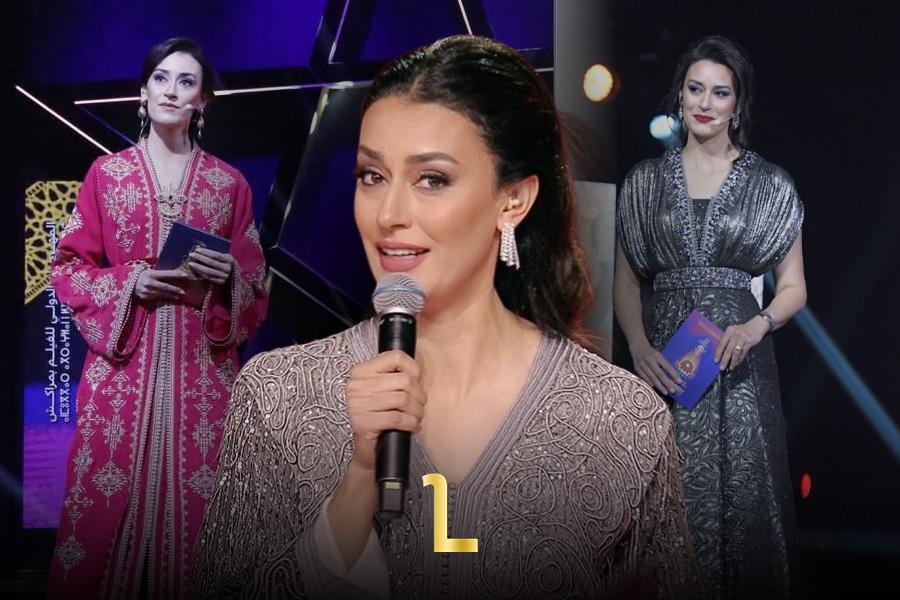
Marrakech – For over two decades, Nabila Kilani has built a career on the ability to make people talk, whether they are ministers, diplomats, or Hollywood stars walking a red carpet.
From her early days as a child television presenter to anchoring hard news on Al Youm, and now hosting some of the most high-profile conversations at the Marrakech International Film Festival, Nabila has moved fluidly between journalism and entertainment, always driven by the same instinct: genuine connection.
In an interview with Lifestyle magazine, Kilani looked back on the different chapters of her career, what it means to return to Morocco to host one of the region’s most prestigious cultural events, and the discipline that lies behind every seemingly effortless interview.
From child presenter to seasoned broadcaster
Kilani’s relationship with the camera did not begin as an adult ambition; it started in childhood.
“I was fortunate to start my career as a child television presenter, hosting programs for children,” she said, explaining that growing up on screen made broadcasting feel like a natural extension of who she is.
Radio came later, and according to Kilani, it became one of the most formative chapters of her journey. Without visuals to rely on, she learned to hold an audience through voice alone.
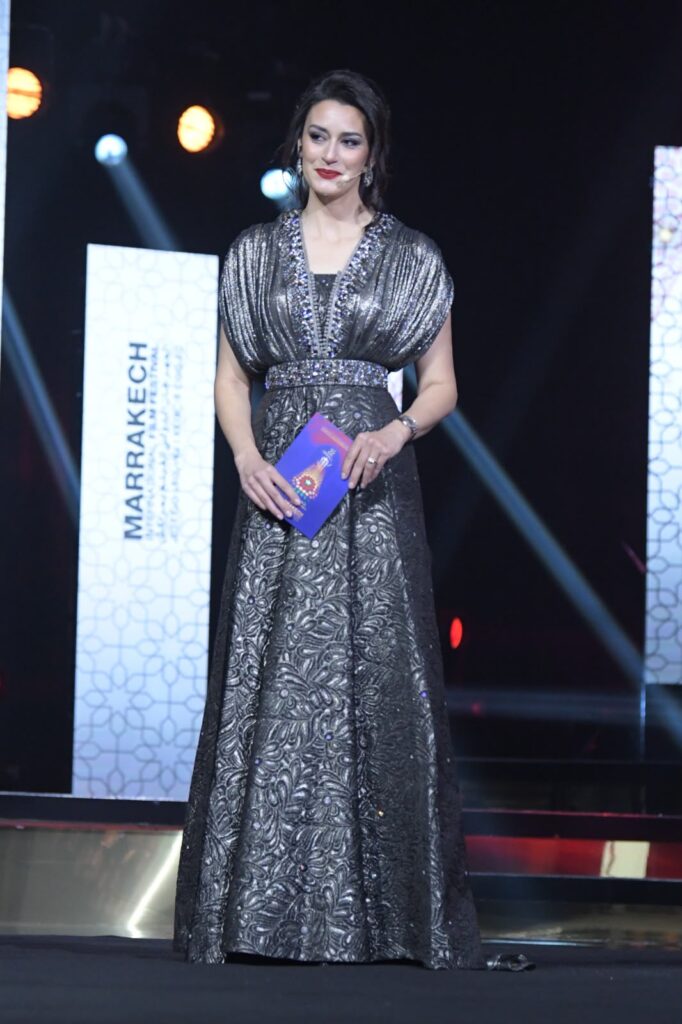
“It sharpened my storytelling skills, spontaneity and the art of creating emotion without visuals,” she noted, adding that working in both television and radio simultaneously is what ultimately shaped her as a presenter.
Looking back over more than twenty years across journalism, live broadcasting, event hosting, and international moderation, Kilani believes each stage of her career built directly on the one before it.
The discipline of hard news
Before red carpets and film festivals, Kilani spent years anchoring Al Youm on Alhurra, interviewing ministers, diplomats, and international decision-makers.
That experience, she said, left a lasting imprint. “It taught me discipline, precision and the importance of staying calm under pressure, especially during live and breaking news.”
For Kilani, the greatest lesson from those years was that listening matters as much as asking the right question. She explained that credibility is built on preparation, curiosity, empathy, and respect, principles she carries with her in every setting, whether she is speaking with a head of state or an artist on a red carpet.
Returning home: hosting the Marrakech International Film Festival
Kilani’s path to the Marrakech International Film Festival grew naturally out of years spent moving between journalism and international, bilingual presenting.
“The festival was looking for someone who could move comfortably between journalism and entertainment,” she said, someone able to bring both depth and warmth to conversations with world-renowned actors and filmmakers.
But beyond the prestige of the stage, hosting the festival carried a personal weight for Kilani.
“It wasn’t just about being on an international stage,” she reflected. “It was about reconnecting with my people, celebrating Moroccan culture and sharing that moment with an audience that feels like home.”
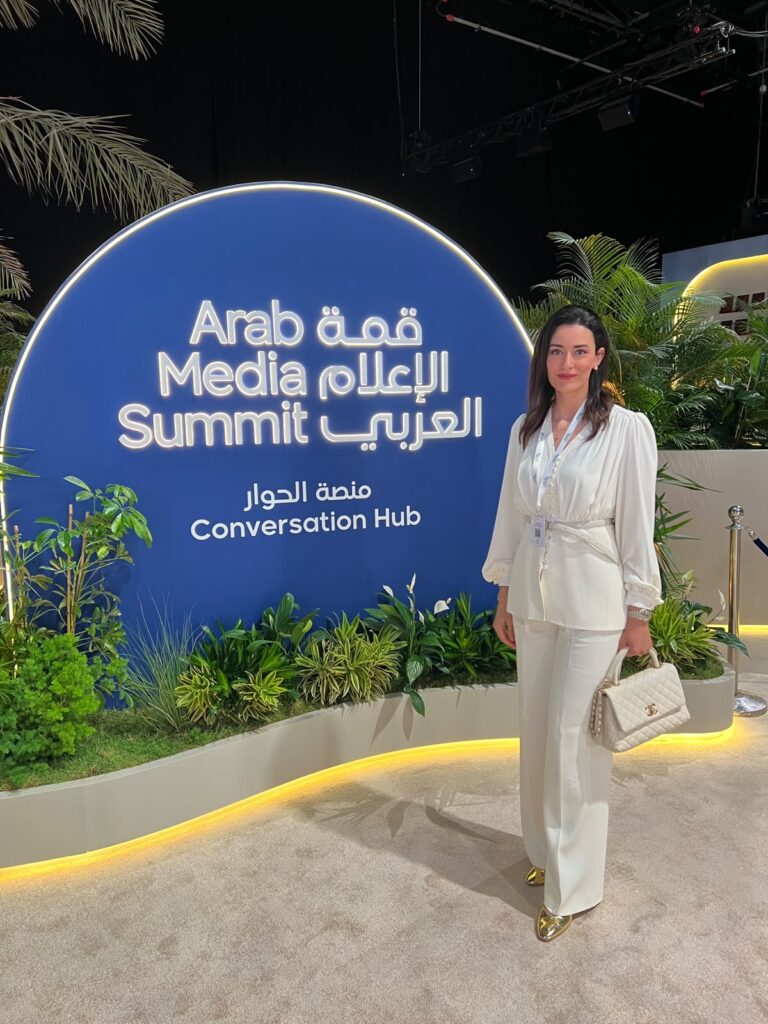
Stepping into the role for the first time was, in her words, exciting and a little intimidating, surrounded by some of the biggest names in world cinema.
But once the cameras start rolling, Kilani said she stops thinking about the celebrity in front of her and focuses on the person. Her goal is never to produce a promotional exchange, but a genuine one. “When guests feel comfortable, they reveal something authentic, and those are the moments audiences remember.”
The art of red carpet conversation
Asked how preparing for a red carpet compares to preparing for a news broadcast, Kilani pointed out that the two are closer than people assume. Both, she said, demand extensive research and a deep understanding of the audience.
What differs is the rhythm. “News demands precision, context and immediacy. A red carpet requires spontaneity, warmth and the ability to adapt within seconds,” she explained, noting that every guest brings a different energy that has to be met in real time.
Over the years, Kilani’s approach to hosting has evolved. Early in her career, she focused on covering every prepared question. Today, she pays closer attention to the conversation itself, allowing room for the unscripted moments that often become the most memorable.
“I’ve also learned that professionalism and personality are not opposites,” she said. “You can be both prepared and authentic at the same time.”
Moments that stay with her
Across her years at the festival, Kilani said it is rarely the scripted exchanges that stand out in her memory, but the honest, unplanned ones: an acclaimed actor sharing an unexpectedly personal story, or a young filmmaker speaking with raw passion about a debut feature.
“Those honest, human conversations remind me why I chose this profession in the first place,” she said. “They go far beyond cinema. They are about connection.”
Behind those moments, however, lies a side of the job audiences rarely see. Kilani described hours of research, coordination, and last-minute changes ahead of every interview, all compressed into live broadcasts that leave little room for error.
“Probably the biggest challenge,” she said, “is making something that requires enormous preparation appear completely effortless.”
What’s next for Nabila Kilani
Looking ahead, Nabila hopes to continue hosting major international film festivals and cultural events, driven by what she describes as a genuine love of celebrating creativity and connecting audiences with inspiring stories.
At the same time, she remains open to new formats and challenges, from moderating high-level international conferences to interviewing influential personalities across different fields.
After more than twenty years in media, Kilani says curiosity still drives her forward. For her, the most rewarding projects will always be the ones that push her to keep learning while staying true to who she is.