Men’s Skincare: A Simple Routine That Actually Works

Skincare for men is not about excess steps or complicated rituals. It’s about a few smart habits done consistently.
The ‘Fix It’ Mentality: Why Men Always Offer Solutions

If you’ve ever wished a man would just listen instead of trying to fix everything, you’re not alone. Fez– Ever shared a frustrating story with a man, only to have him immediately jump in with a “solution” you didn’t ask for? You sigh, he’s confused, and suddenly, what was supposed to be a simple venting session turns into an unintentional argument. Welcome to the world of the “Fix It” mentality; a psychological and cultural phenomenon that explains why men often default to problem-solving instead of emotional support. Before we start blaming society (don’t worry, we’ll get there), let’s look at the biology behind this tendency. Research suggests that male and female brains often process emotions and problem-solving differently. Men’s brains have stronger connections between perception and action, while women’s brains have more connectivity between emotion-processing areas. Translation? Men tend to focus on fixing problems, while women are often more attuned to emotional expression. Testosterone also plays a role. Higher levels of this hormone are linked to increased competitiveness and a results-driven mindset. When a man hears a problem, his brain says, “Fix it, win, move on.” But if someone just wants to be heard? That’s not part of the usual game plan. The hero instinct Beyond biology, society reinforces this behavior. From a young age, boys are encouraged to “be tough,” “stay strong,” and most importantly “solve problems.” Whether it’s fixing a broken toy or helping a friend out of trouble, boys are often praised for taking action rather than simply listening. This carries into adulthood, where many men feel a subconscious pressure to be providers and protectors. When a loved one expresses distress, their instinct isn’t to say, “I hear you.” Instead, they jump straight into “Here’s how we fix this,” because solving problems equals showing care. Here’s where things get tricky: while men assume they’re being helpful, women often feel unheard. Many women seek validation and emotional connection when discussing their frustrations, not an immediate action plan. When a man skips the “that sounds tough” and goes straight to “here’s what you should do,” it can feel dismissive, even if his intentions are good. This difference in communication styles is one of the most common frustrations in relationships. It’s not that men don’t care; they just express care differently. How to meet in the middle So, what’s the solution (ironically)? A little awareness goes a long way. Men: Before offering solutions, ask, “Do you want advice or just someone to listen?” This small question can work wonders. Women: If you just want to vent, let him know upfront: “I don’t need a fix, just a listening ear.” Understanding this dynamic doesn’t just prevent misunderstandings, it strengthens relationships. Because at the end, the real “fix” here is simply learning how to communicate better. Read also: The Quiet Struggles of Ramadan Away From Family
The Silent Battles Men and Women Face

Behind every interaction between men and women lies a quiet struggle, shaped by years of societal pressure and unspoken rules. Fez – There’s a quiet tension that exists between men and women, one that often goes unnoticed but is felt in countless ways. It’s not a battle fought with words or fists, but a deeper, unspoken conflict, one that has existed for centuries, yet continues to shape our daily lives. The truth is, men and women are always in a silent battle, even if we don’t always realize it. This isn’t about domination or power. It’s about identity. Men and women have spent years being shaped by society’s expectations of what they should be. From the moment we’re born, we are taught how to behave, how to express ourselves, and what roles we must play. Men are encouraged to be tough, unemotional, and assertive. Women are taught to be gentle, caring, and nurturing. These expectations come with their own set of pressures and frustrations, creating a divide between the two. For men, this means they often feel they have to suppress their emotions, bury their vulnerabilities, and present themselves as the “strong” one. Society tells them that expressing weakness is a form of failure. Yet, in their silence, they are left fighting with their own feelings, battling a world that expects them to be something they may never feel they can truly be. For women, the battle is different. They’re often expected to juggle multiple roles: to be a caring partner, a dedicated mother, and a successful professional. Society places immense value on their ability to multitask and remain emotionally available at all times. The pressure to meet these expectations can feel suffocating, and any attempt to step outside the box is met with judgment. In this quiet struggle, women often find themselves questioning their worth and their place in the world. This silent battle extends beyond expectations. It’s in the way men and women interact with each other, the way they sometimes struggle to understand each other’s experiences. Men might feel they don’t have the space to express their true selves without being labeled as “weak,” while women might feel their voices are ignored or dismissed. Both sides have different battles, but they stem from the same underlying issue: a lack of understanding and the constant pressure to fit into roles that don’t truly reflect who they are. It’s not a simple fight. It’s a complex web of expectations, insecurities, and frustrations that both men and women face. However, the solution isn’t winning or losing. It’s about creating a world where both sides can feel free to be themselves, without the constant need for comparison or judgment. Ultimately, the battle isn’t about men versus women. It’s about a world that demands we be more than what we are. It’s time to break the silence, understand each other’s struggles, and realize that we’re all just trying to find our place in a world that expects too much of us all. Read also: Why Moroccan Moms Are Our Ultimate Life Coaches
Why Do People Judge Mothers More Than Fathers?
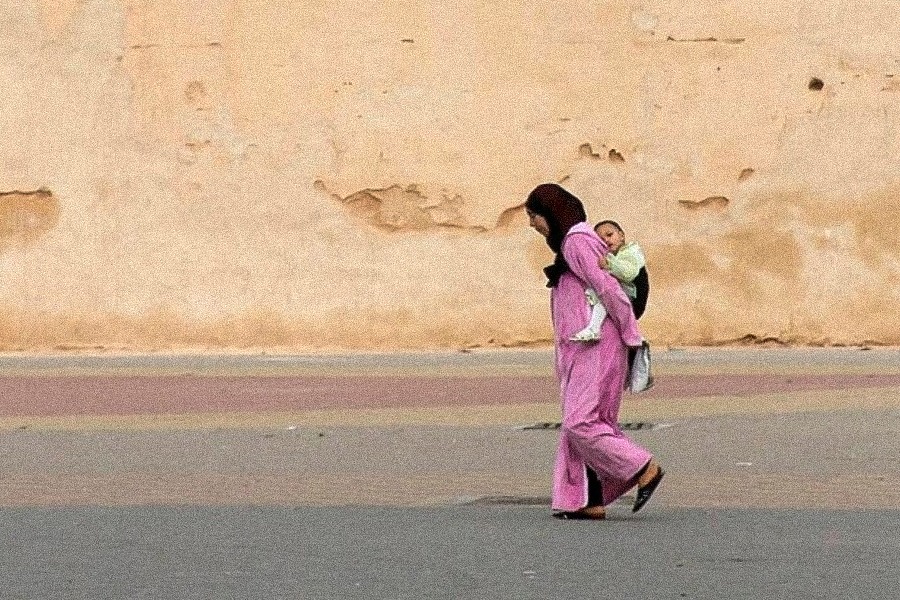
Mothers are told to be perfect, even when the world knows perfection is a lie. Fez– A mother holds her child’s hand, and the whole world watches. With every step, every choice, every breath, people notice, they talk, and they decide if she’s good enough. But where is the father in these stories? He’s there, but somehow, the world looks at him differently. His mistakes feel smaller. His absences feel normal. His kindness feels extra, like a surprise, not a duty. This is the silent truth many mothers carry. They don’t say it out loud because it sounds too heavy, too bitter. But it’s real. A mother can love, protect, sacrifice, break herself to build her children’s future and still, someone will find a reason to say, “She didn’t do enough.” If her child succeeds, people say the child was born smart. If her child struggles, people say the mother failed somewhere along the way. Every tear, and bad grade, every wrong step falls back on her shoulders, as if a child’s whole life is a mirror of her worth. But fathers? They get applause for the smallest things. A father changes one diaper, and the world calls him a hero. A father attends one school meeting, and people say, “What a great dad.” Mothers do these things every day, with no clapping hands, no applause, just judgment waiting when they fall. This isn’t about men versus women. It’s also not to say there are not amazing fathers who pull the weight, because they often do. It’s about the way the world sees motherhood. Society decided that mothers should be perfect. Soft, but strong. Always present, but never tired. Full of love, but never overwhelmed. The moment a mother shows cracks, even for a second, the whispers start. No matter what she does, someone always knows better. Fathers are allowed to be human. They can forget. They can lose their temper. They can focus on work without people saying they abandoned their kids. But mothers? They carry an invisible scale, where every move is measured, every word is judged. This pressure breaks mothers slowly. They hide their tears in the bathroom. They smile when they feel empty. They tell themselves they’re not enough, even when they’re carrying the whole house on their back. It’s time to see this truth and to stop measuring mothers against impossible standards. A good mother isn’t perfect. She’s real. She loves, she tries, she fails, she tries again. That should be enough. And if we’re going to judge, maybe it’s time to share the weight. Read also: The Lost Art of Reading Coffee Grounds
Why Do Moroccans Love Gossip?

In every Moroccan home, café, and street corner, there’s one thing you’ll always hear, but never admit you love. Fez – If you live in Morocco or have Moroccan friends, you know one thing for sure: Moroccans love to gossip. It’s everywhere, at home, in the café, in the souk, and even at weddings and funerals. But why do we love it so much? A social tradition Gossip is not just talk; it’s part of our culture. In Morocco, people live close to each other. Families are big, neighbors know everything, and everyone is connected. In small towns, if someone sneezes, the whole street knows. Even in big cities, the habit has endured. We grow up watching our parents and grandparents talk about people. Not in a bad way, just sharing news. “Did you hear about Fatima’s daughter? She got engaged!” or “I saw Ahmed driving a new car. Where did he get the money?” Such inquisitive comments are natural in conversations across Morocco. The café culture For men, the café is more than a place to drink coffee. It’s a meeting spot, a news center. They sit for hours, sip their tea, and discuss everything, politics, football, and of course, people’s lives. If a neighbor buys a new house, if someone got divorced, or if there’s a new couple in town, they know. Women’s gatherings For women, gossip flows in a different way. The hair salon, the hammam, weddings, baby showers, these are all places where stories spread fast. A woman visits a friend, and after five minutes, the real conversation starts: “Did you see what she wore?” “Her son failed his exams.” “They say her husband is jobless.” Social media Before, gossip stayed between people. Now, it’s online. Facebook, Instagram, TikTok, and Moroccans use them all to share news, rumors, and scandals. A small fight in the street? Someone films it. A wedding dress that’s too modern? People comment. A celebrity did do something strange? Everyone talks. Social media turned gossip into a national sport. One click, and the whole country knows your business. Life is not always easy. Gossip is fun. It’s a way to escape problems, to laugh, to connect. When people sit together and talk about others, they feel entertained. Some say it’s bad, but let’s be honest, sometimes it makes life more exciting. Is gossip bad? Not always. Sharing news is normal. But when gossip turns into lies, jealousy, or destroys someone’s life, that’s when it becomes dangerous. Moroccans will never stop gossiping. It’s in our blood, part of who we are. The only question is: today, are you the one gossiping, or the one being gossiped about? Read also: The Art of Moroccan Mom’s Side-Eye
The Double Life of the Moroccan Girl: Who We Are vs. Who We Have to Be
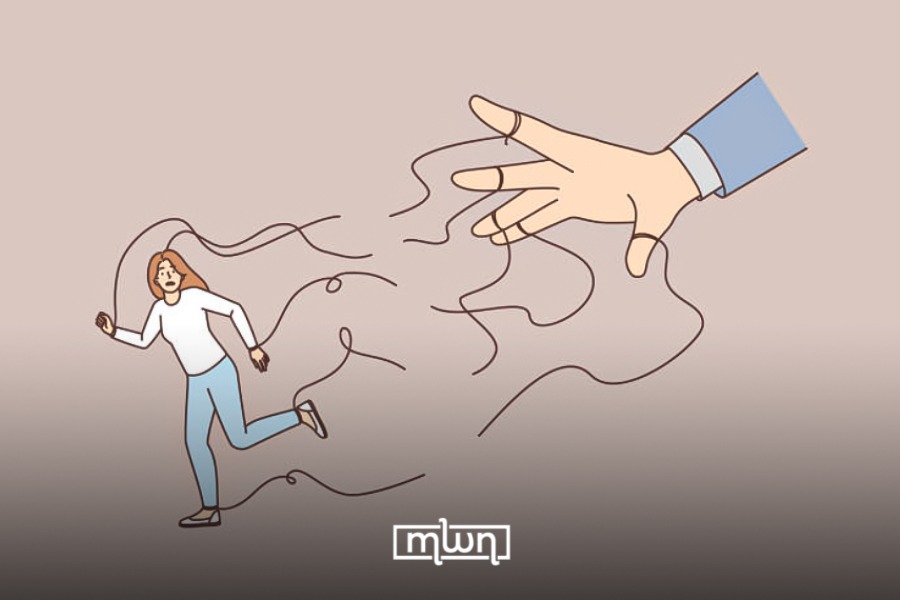
The lines between who we are and who we’re told to be blur every day, and the weight of this contradiction is unbearable. Fez – Moroccan girls often live with a constant weight on their shoulders. We are forced to balance two different identities, one for the world and one for ourselves. At home, we laugh freely, dream big, and express our personalities without holding back. But once we step outside, everything changes. We lower our voices, adjust our clothes, and become careful with our words and actions. Society watches closely, ready to judge, to shame, to remind us of the “proper” way to behave. But perfect for who? For the same people who break the rules behind closed doors? For the same men who preach respect but seek out what they claim to condemn? For the same women who judge us but defend their own when they break the same so-called rules? It’s a cruel game. They tell us to be pure, yet they give men the freedom to do whatever they want. They tell us to respect tradition, but they bend those traditions when it suits them. They say family honor depends on us, but where is their honor? Why does it never seem to depend on them? And if we dare to live authentically, we are labeled. If we speak up, we are “too much.” If we remain silent, we are “weak.” If we choose love, we are “shameless.” If we wait, we are “old.” No matter what we do, we lose. Every day, we watch as girls are forced to lie to survive. They pretend to be the “good” girl to avoid being disowned. They hide their struggles because of what others might say. They suffocate under a set of rules that even the rule-makers don’t follow. The question is: When will it stop? When will Moroccan girls be allowed to live freely, without the constant fear of judgment? When will society confront its hypocrisy? When will we be allowed to just be? It’s time for a change, not only in Morocco, but girls all over the world who face these pressures. It’s time to call out these double standards. It’s time to refuse to play this game anymore. Moroccan girls deserve to live without pretending. They deserve to be themselves, everywhere they go. Read also: The Truth About Love: Why Waiting for a Prince Won’t Make You a Princess
The Truth About Love: Why Waiting for a Prince Won’t Make You a Princess
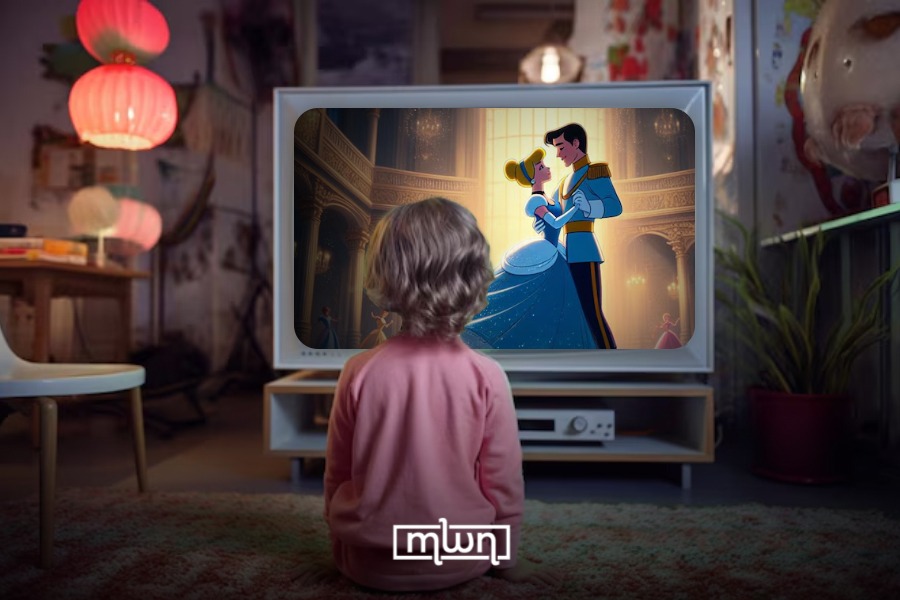
Every girl dreams of love, but what if the story we’ve been told is the very thing keeping us from finding it? Fez – Once upon a time, Disney told little girls a story. A girl, lost in her own world, just being herself, doing nothing to grow or change, waiting. Then, out of nowhere, a prince appears. He saves her, loves her at first sight, and they live happily ever after. No effort, no struggle, just a magical love story. For years, girls grew up believing this. That one day, the perfect man would show up, as if love was something that just happened. No lessons, no heartbreaks, no work, just a fairy tale. But then reality hits. That perfect prince never comes. Instead, there are men, real men, flawed, different, and nothing like the ones in the movies. And suddenly, love feels hard, disappointing, even impossible. The truth is, love is not a magical rescue mission. No man can read minds, fix broken hearts, or give a woman the life of a princess just because she exists. Relationships are not fairy tales; they are built. Love is not something that happens, it’s something that grows. And for it to grow, both people must be ready. A woman who waits for love but refuses to grow will always feel like something is missing. She will expect too much, give too little, and wonder why every relationship fails. She will demand a perfect man while ignoring the work it takes to be the kind of woman who can sustain a healthy, strong love. Because love isn’t just about meeting the right person, it’s about being the right person too. Love requires emotional intelligence. It needs patience, communication, and the ability to understand another person’s world. Men and women come from different backgrounds, with different ways of thinking, feeling, and expressing love. A strong woman knows this and doesn’t run away at the first sign of trouble. She listens, she learns, she works through the differences. So, what do women really want in men? The truth is, the real question should be: What does love require from both? A woman deserves the best kind of love, but she must also be the best version of herself to receive it. Not perfect, but responsible. Not passive, but present. Not waiting, but building. To the young girls still dreaming of a prince: Love is beautiful, but it is not magic. It is a journey. And before you search for the right person, make sure you are ready to be the right person too. Read also: Nighttime Rituals for a Beautiful, Organized Life
Study Reveals Men and Women Mature at Different Speeds

Ever wondered why women seem to have it all together by their early thirties while men take a little longer to catch up? It turns out, there’s science behind it. Fez – According to Medical Daily, a British study reveals that men and women follow different paths to emotional maturity, with women typically reaching it by 32, while men continue growing until around 43. The findings suggest a noticeable gap in emotional growth between genders, which often becomes evident in relationships and social settings. According to the study; women are more likely to embrace responsibilities and make thoughtful decisions earlier in life. Meanwhile, men are often seen as clinging to youthful behaviors well into adulthood. One striking detail is that 80% of women surveyed believe men exhibit childish tendencies. These behaviors include indulging in fast food, prioritizing video games over more pressing matters, and being generally less organized in their daily lives. Women often find these habits frustrating, especially when they persist past an age where maturity is typically expected. The survey also indicates that women frequently take on the role of decision-makers in their relationships. Many women reported feeling responsible for encouraging their partners to adopt more adult-like behaviors. They often find themselves offering reminders about responsibilities or urging their partners to “act their age.” This dynamic can sometimes create tension, as women may feel burdened by the need to guide their partners emotionally and practically. Experts believe this difference in emotional maturity stems from a combination of biological, social, and cultural factors. Hormonal changes and brain development may play a role, but upbringing and societal expectations also shape how individuals grow emotionally. Women are often encouraged to be empathetic, nurturing, and responsible from a young age, while men may be given more leeway to prioritize enjoyment and self-expression over structure. Despite these differences, it’s important to note that emotional maturity is not solely determined by age or gender. Personal experiences, challenges, and environments can significantly influence an individual’s growth. While the study sheds light on general trends, every person matures at their own pace. Interestingly, the study also encourages couples to address these differences constructively. Open communication and mutual understanding can help bridge the maturity gap, making relationships stronger and more fulfilling. These findings remind us of the importance of supporting each other’s growth and recognizing that maturity is a journey, not a destination. While the gap between genders might exist, with patience and empathy, people can navigate it together. Remember, everyone’s journey is unique, and there isn’t a “one-size fits all” approach to defining maturity. Read also: Travel Could Help Slow Ageing, Study Finds