Morocco to Hold Forum on Social Media and Youth in Rabat
Morocco is preparing to host an international forum in Rabat this June to examine how social media is reshaping young people’s lives across education, culture, and mental well-being.
Indonesia Bans Social Media for Under-16s Starting March 28
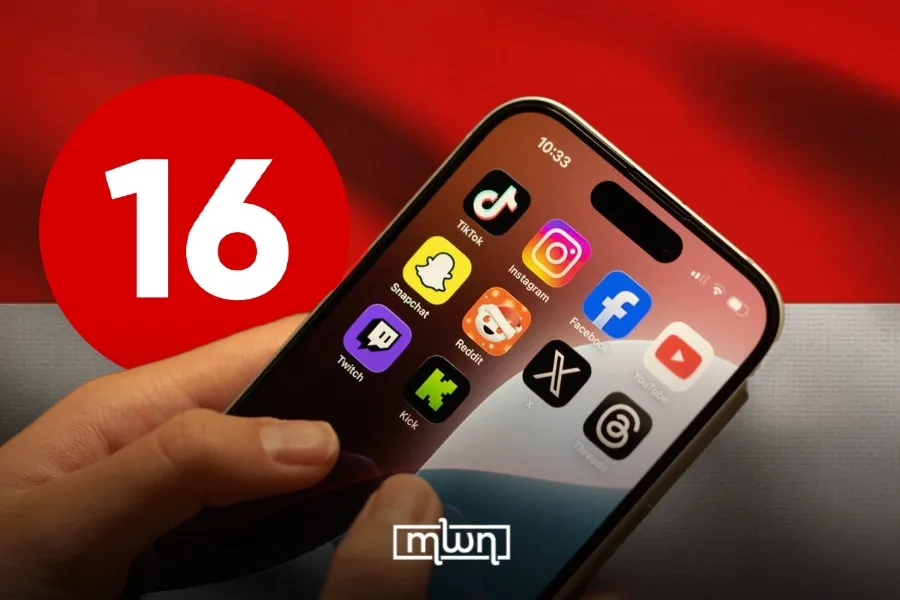
Indonesia will deactivate social media accounts belonging to users under 16 as part of new online safety regulations.
Australia is the World’s First to Ban Social Media for Users Under 16
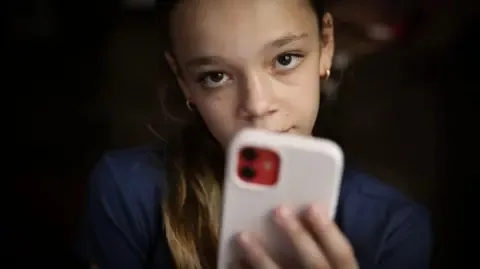
“This will make an enormous difference. It is one of the biggest social and cultural changes that our nation has faced,” Prime Minister Anthony Albanese said on Wednesday.
Why Everyone’s Dunking Their Face in Ice And What You Should Know Before You Try It
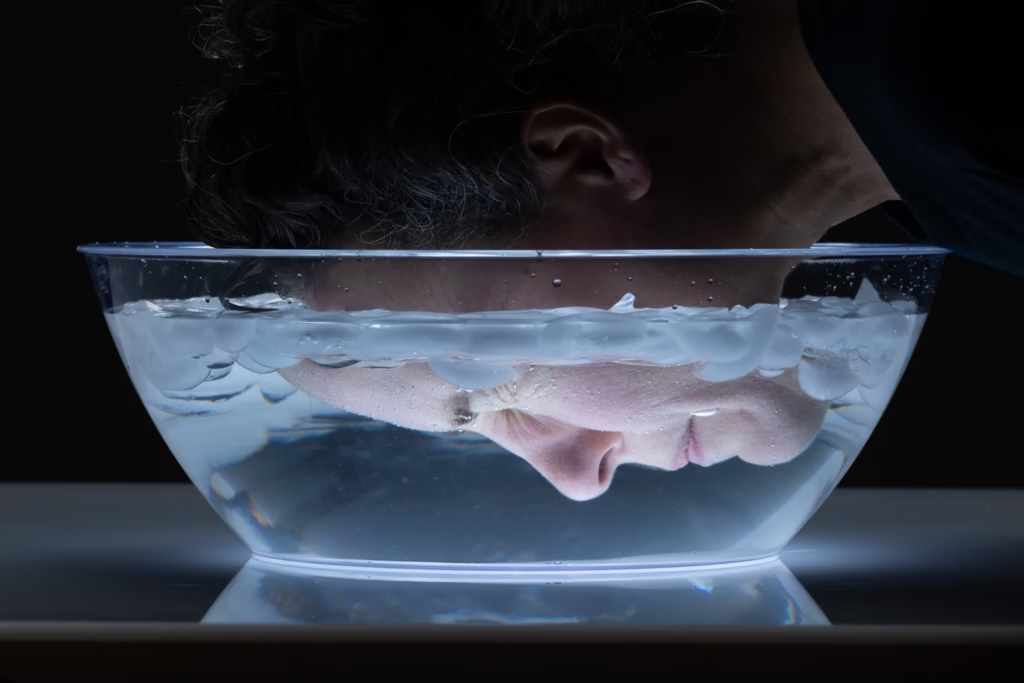
This is the latest skincare obsession, promising tighter pores and glowing skin with just one chilly dip.
French Health President Calls For A Ban On TikTok’s Newest Trend ‘Burn Lines’
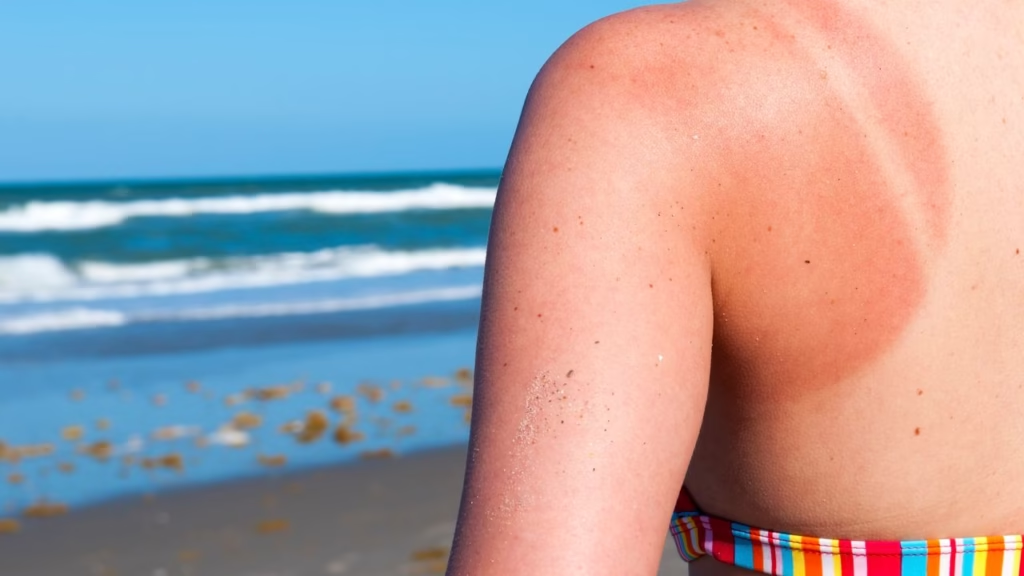
This isn’t the first incident where Paris called out the platform for its scrutiny practices.
The Illusion of Relevance: What Trend Culture Is Really Doing to Us
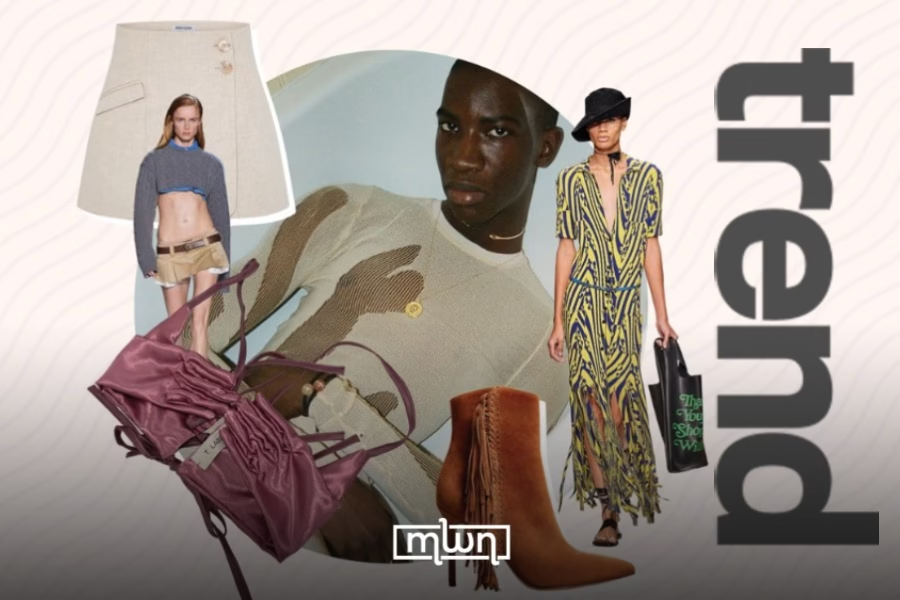
The rise of trend culture reveals less about what we like, and more about what we fear Fez– In a world that never stops updating, staying still feels like falling behind. We scroll, we swipe, we follow; hoping, perhaps unknowingly, to remain visible in a space that punishes silence and forgets quickly. You don’t need to be an influencer to feel the pressure. All it takes is a smartphone and a connection. Trends will find you wherever you are. The term “trend” sounds harmless, just another word for what’s popular. But in today’s digital landscape, it functions more like a compass for collective anxiety: a shared fear of being left out, overlooked, or unheard. At first glance, trends may seem like entertainment: dances, memes, beauty hacks, viral challenges. But scratch the surface, and they reveal something deeper and more unsettling: a quiet conformity disguised as connection. What makes someone copy a 15-second video, imitate a voiceover, or buy a product they never needed until it started appearing on their screen? We like to think it’s fun. But often, it’s fear. Fear of not belonging. Fear of becoming irrelevant. This isn’t about blaming anyone for joining in. The architecture of social media isn’t neutral. Algorithms don’t just respond to our choices, they shape them. They push what performs, what sells, what keeps people watching. And over time, our individual preferences become blurred in a feedback loop that rewards sameness. The danger isn’t just that we all start dressing alike or saying the same things. The danger is that we begin to think alike, without even realizing it. When everyone’s voice starts to echo the same ideas, the space for real thinking quietly disappears. Trends often begin randomly, a line from a video, a makeup style, an outfit someone wore to a wedding. But once they gain traction, they don’t stay harmless. They begin to dictate taste, dominate timelines, and drive consumer behavior. And the more we see something, the more we assume it’s worth copying. But that imitation comes at a cost. Not just financial, but psychological. It’s no longer about what we like or believe. It’s about what will be liked by others. We trade authenticity for approval, and individuality for applause. Of course, people have always been influenced by their surroundings. But what’s different now is the scale and speed of it all. The internet turns every passing fad into a performance, and every person into a brand. We start managing our identities like digital portfolios, measuring our worth in likes, views, and engagement rates. We don’t ask ourselves “Do I want this?” We ask: “Will this work?” And when everyone’s playing the same game, being different starts to look risky. But in truth, the risk lies in forgetting how to be ourselves. The most unsettling part? We often think we’re making free choices. But in many cases, we’re just following invisible signals. We mimic gestures, opinions, aesthetics, because not doing so means standing out. And standing out means being vulnerable. It’s easier to blend in. But the price of blending in too much is that we begin to lose our contours, our voice, our taste, even our identity. In such a system, it’s no surprise that many people turn to trends as an escape. When success feels unreachable in the real world, the digital one offers a shortcut: quick attention, temporary recognition, sometimes even money. But often, it’s success for the sake of being seen, not for doing something meaningful. What this moment demands isn’t more content, it’s more consciousness. We need to ask: Why am I posting this? Why am I copying this? Whose gaze am I performing for? Not all trends are bad, and not all imitation is mindless. But when imitation becomes a reflex, and trend-following becomes a default setting, we lose the freedom to decide what truly matters to us. And maybe, in a culture that rewards replicas, the rarest thing left is a sense of self. Holding onto your taste, your silence, your voice, that might just be the quietest act of rebellion. But it’s also the most necessary. In a time when everything can be borrowed, bought, or filtered, maybe the boldest and hardest thing you can do is simply remain yourself. Read also: Abu Dhabi’s Cultural District Set to Redefine the Museum Experience
Recent 2025 Superman Movie Sparks Big Political Reactions Online
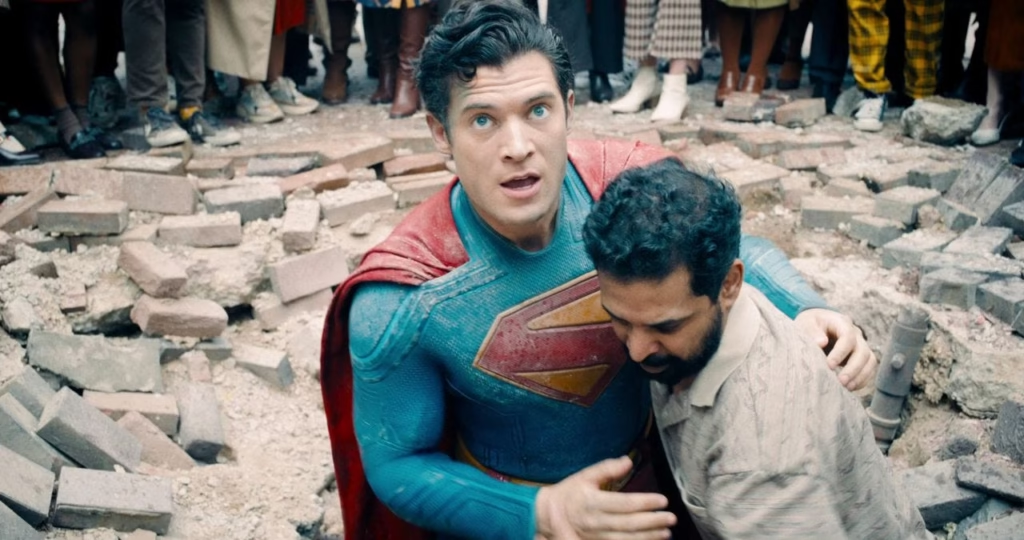
DC’s newest Superman film is making waves, not just for its action, but for what many believe it’s trying to say.
Is Pinterest the New Paris?

There was a time when inspiration lived in glossy magazines and perfectly lit runways.
How Morocco’s Youth Are Redefining Ramadan Traditions with Social Media
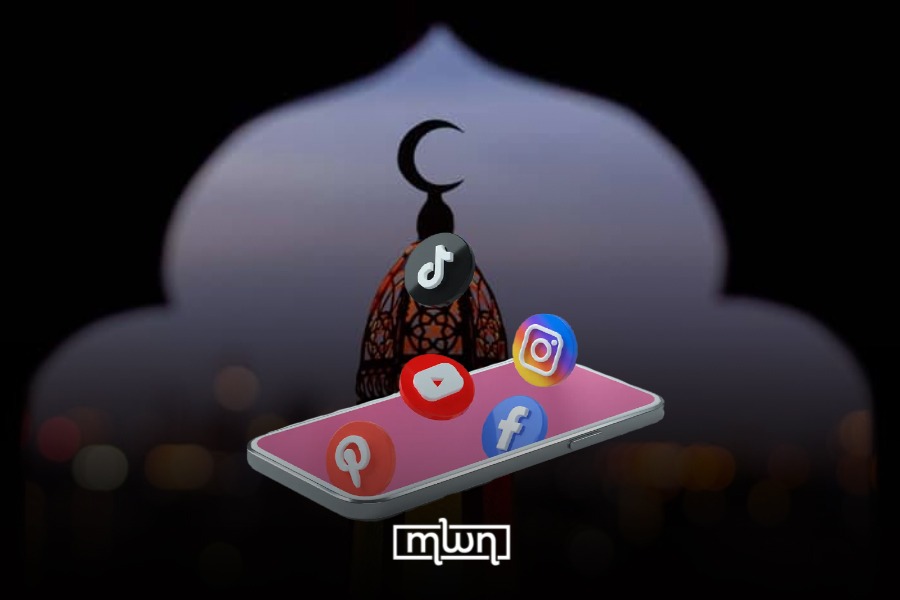
Whether its sharing their ftour preparations or live streaming Taraweeh prayers, Moroccan youth are transforming the way they celebrate Ramadan, blending tradition with the power of social media. Fez – Ramadan, the holy month of fasting, prayer, and reflection, is a time when millions of Muslims come together in shared devotion. In Morocco, as in many parts of the world, this sacred month has always been a deeply personal and family-oriented experience. But today, a new wave of young Moroccans is reshaping the way Ramadan is celebrated, thanks to the ever-growing influence of social media. Platforms like TikTok and Instagram are becoming central to how the youth interact with their faith, turning Ramadan into a digital experience. One of the most noticeable trends among Moroccan youth is the live streaming of nightly Taraweeh prayers. These evening prayers, often a communal event at mosques, have made their way into the digital sphere. On platforms like Instagram Live or TikTok, young Moroccans share the intimate moments of their prayers, connecting with family and friends near and far. This digital shift allows people to participate in a spiritual event from the comfort of their homes, while also sharing their devotion with a broader audience. For some, it’s a way to make Ramadan feel more inclusive, especially in a time when travel or large gatherings might not always be possible. Digital ftours are also gaining traction. Traditionally, ftours, the meal that breaks the fast at sunset, is a time for family gatherings and community sharing. However, young Moroccans are taking it to the next level by broadcasting their ftourmoments online. Some host virtual gatherings, where followers from around the world join in to break fast together via video call. Others share videos of what they’re eating, offering recipe tips and showing traditional Moroccan dishes like harira or dates and almonds. This shift not only makes Ramadan more interactive but also brings Moroccan cuisine into the global spotlight, allowing followers from different countries to learn and celebrate together. Another emerging trend is the sharing of personal Ramadan reflections and stories. TikTok, with its short-form videos and wide reach, has become a platform for young Moroccans to express what Ramadan means to them. These videos capture a diverse range of experiences. For example, some share the challenges of fasting while juggling work or school, while others talk about the deeper connection they feel with their faith during this month. These reflections spark conversations that resonate with people across the Muslim world, creating a sense of solidarity despite physical distance. But it’s not all about spiritual content. Many young Moroccans are using social media to inject a bit of fun into their Ramadan experience. Whether it’s creating humorous skits about the challenges of fasting or showing their unique Eid preparations, social media has become a creative outlet for self-expression during the holy month. Social media is transforming the way young Moroccans experience Ramadan, and these platforms are helping redefine tradition in a digital world. What’s clear is that, for Moroccan youth, Ramadan is no longer just a time for reflection in private, it’s an opportunity to share their journey with the world. Read also: Caftan Week 2025: A Celebration of Moroccan Heritage and Innovation
Do NFTs Mean the Death of ‘Real’ Art?
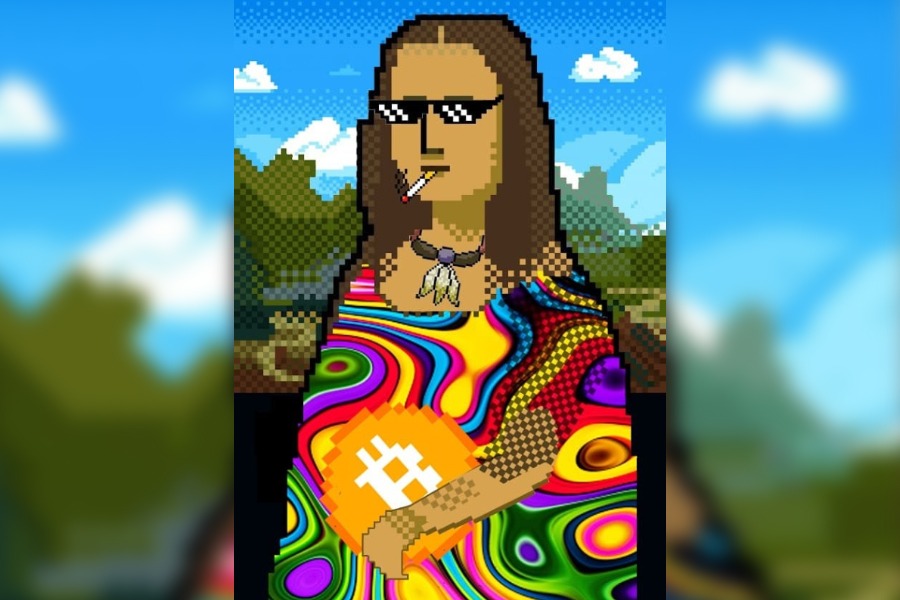
They said NFTs would save art, but no one asked if art even wanted saving. Fez – There’s this question I’ve been hearing everywhere. At art galleries, on social media, even during random coffee talks. Everyone wants to know, are NFTs killing real art? Let’s stop for a second. Let’s breathe because this question itself feels like a punch in the stomach. What even is real art? Is it the painting that makes you cry in the middle of a silent museum? Is it the street graffiti you pass by every day but only really see when your heart feels heavy? Is it the clay pot shaped by hands that trembled from both fear and passion? NFTs came into our world loud and proud. They promised artists freedom, money, fame all at once. They turned digital art into treasures with price tags that left everyone dizzy. Suddenly, your laptop screen held paintings that sold for millions. No gallery. No middleman. Just you, your art, and a buyer somewhere across the world. It sounded magical. But magic comes with a price. In this NFT chaos, something started to crack. People stopped asking about the story behind the art. They started asking about the blockchain, the contract, the resale value. Art became a product with a ‘flip’ potential, like sneakers or stocks. And that’s where it hurts the most. Art was never supposed to be a product. Art was supposed to be a scream, a whisper, a secret shared between the artist and the person who feels it. Art was supposed to sit with you in silence and hold your hand when you have no words. Art was not supposed to be a QR code. Does that mean NFTs killed real art? No. Because real art can’t die. Real art doesn’t live in markets, auctions, or Ethereum wallets. Real art lives in the cracks of your heart, in the silence between your sobs, in the shiver down your spine when you hear a voice or see a color that understands you better than any human ever could. NFTs didn’t kill art. They confused it. They made some people forget what art really is. But art itself? It’s still here. It’s in the streets, in the hands of a potter, in the voice of a child singing to no one. It’s in you, in me, in all of us who feel too much. Real art was never just a file. It was a heartbeat. And heartbeats never stop. Read also: Do Silent Wellness Retreats Really Work?