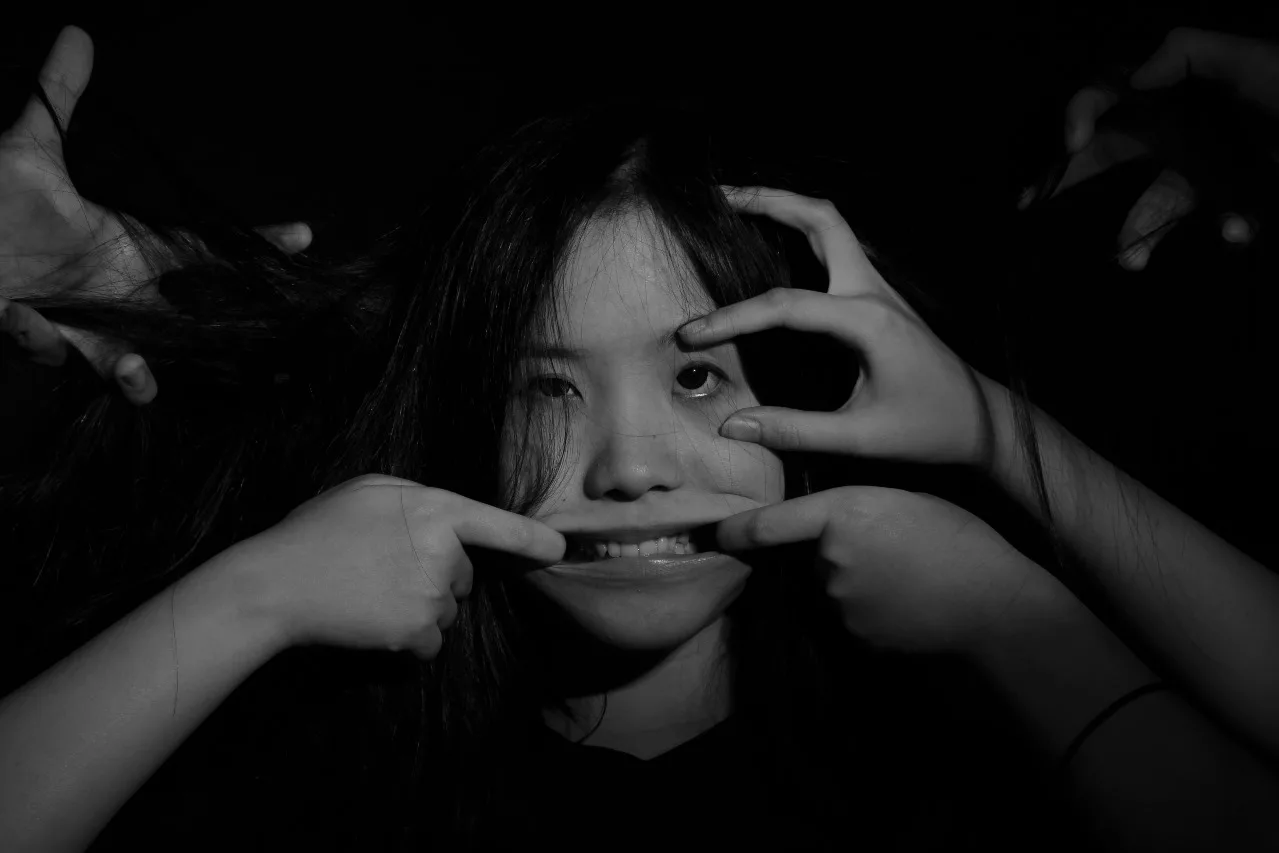
Rabat – Flawless skin, a slim body, a flat belly, and plump lips — this is how social media defines beauty.
Today, everyone tries to hide their imperfections, using filters online and plastic surgeries in real life.
Natural beauty is no longer cherished, and the small imperfections that make us beautifully human are often concealed.
Yet in reality, there is no such thing as a universal standard of beauty. Beauty is subjective; it depends on culture. What is considered attractive in one place may be seen as less appealing in another.
In some cultures, slim bodies are celebrated; in others, fuller figures are admired. Dark skin is seen as beautiful in certain countries, while lighter skin is praised elsewhere. The same goes for hair texture, eye shape, and facial structure. Beauty shifts from culture to culture, and that’s what makes it fascinating.
Still, social media keeps feeding us one narrow version of perfection. Every scroll shows the same type of face, the same filtered skin, the same “ideal” body. And slowly, people start believing that anything outside that mold isn’t beautiful enough.
According to the 2024 Dove Global Beauty Report, nearly half of women and girls feel worse about themselves when comparing their lives to what they see online. The report found this feeling is far stronger among those with low body esteem, which shows that social media’s beauty ideals can harm more than they inspire.
We even come across posts listing supposed “signs of beauty”: dimples, collarbones, freckles, and beauty marks — as if beauty could be reduced to a checklist.
But the truth is, beauty can never be confined or unified. Everyone carries their own version of it — with or without dimples, with perfectly aligned teeth or not, with curly or straight hair.
It is not social media that defines beauty, for beauty lies within us. Our imperfections are, in fact, what make us unique.
And even for those who choose Botox, filters, or plastic surgery — they remain beautiful. It is their personal choice and deserves respect. What matters is that this choice comes from self-acceptance, not the pressure to fit into society’s narrow lens of perfection.
Always remember: “Imperfections are not inadequacies; they are reminders that we’re all in this together,” as said by Brené Brown.