Fez — Every winter, as mornings turn cold and damp, “bissara” reappears on Moroccan tables and street corners.
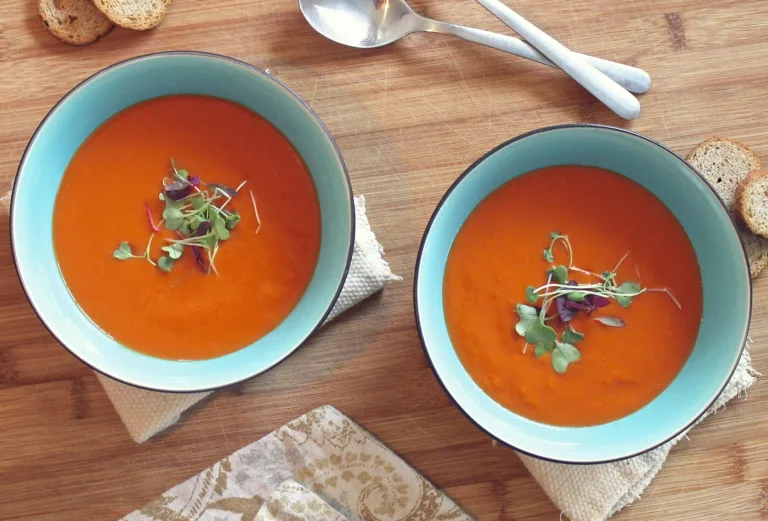
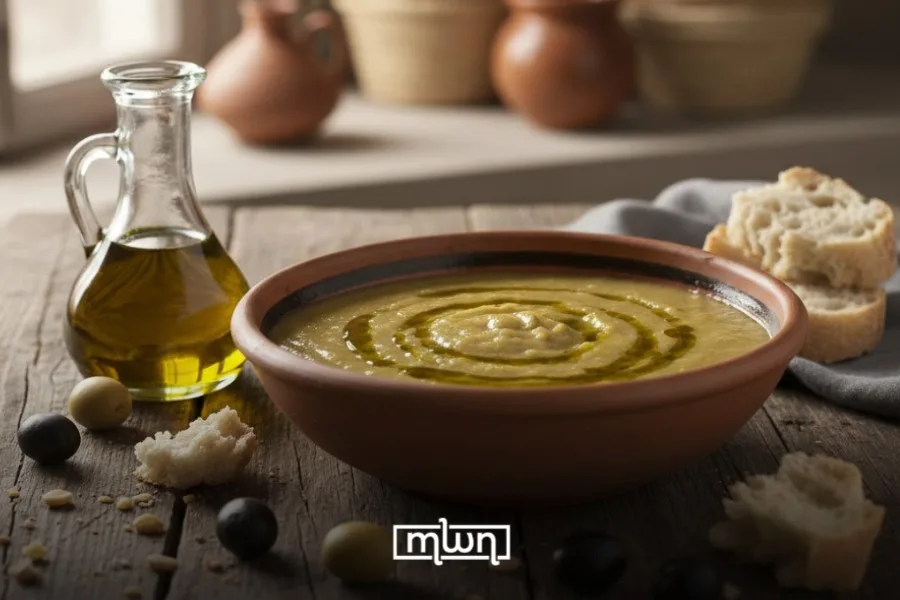
The thick fava bean soup, finished with a drizzle of extra virgin olive oil and a dusting of cumin, is as much a seasonal marker as rain on the olives or snow on the Atlas.
It is simple, affordable, and deeply filling, which is exactly why it has become a national winter habit.
A poor man’s dish that became a winter classic
Bissara is made from dried fava beans (sometimes mixed with split peas) slowly cooked with garlic, salt, and a handful of spices before being blended into a smooth puree. Long considered a “meal of the poor,” it was originally a way for rural and working-class families to stretch basic ingredients into something warm and sustaining.
Today, you can still find bissara steaming in metal vats at dawn in northern cities like Chefchaouen, Tetouan, or Tangier, sold with khobz for just a few dirhams. But it has also moved into homes, cafés, and even trendy restaurants, where chefs treat it as comfort food with heritage value rather than a dish of necessity.
What has not changed is the season. Bissara is eaten all year, but it is most loved on cold winter mornings, when one hot bowl feels like central heating from the inside.
Why it hits different when it’s cold
Part of bissara’s appeal in winter is physical. Fava beans are rich in plant protein, complex carbohydrates, and minerals like potassium and magnesium, which help keep energy levels stable and support muscle and nerve function. The soup’s thick texture and high fiber content also slow digestion, keeping people fuller for longer and helping them face long days of work or study.
The rest is emotional. Many Moroccans connect bissara with childhood, early-morning markets, roadside stalls near the sea, or quick breakfasts before school. It is eaten standing at a counter, crowded around a plastic table, or at home with family. The heat of the soup, the spice of the cumin, and the burn of a little chili create a small, daily ritual of warmth.
The finishing touch: extra virgin olive oil
Ask any vendor or home cook and they will say the same thing: bissara without a generous drizzle of olive oil is unfinished. Recipes often keep the base fairly mild, then rely on condiments at the table — extra virgin olive oil, ground cumin, chili powder, and sometimes a squeeze of lemon — to “wake up” the dish.
Moroccan extra virgin olive oil is especially prized in this context. Because it is minimally processed and cold-pressed, it keeps more of its natural antioxidants and polyphenols than refined oils, along with a pronounced fruity, peppery taste.
Drizzling it raw over hot bissara means you get the most of both worlds: the flavor stays bright, and many of the health-promoting compounds remain intact.
The oil also changes the soup’s texture. It adds a glossy surface, softens the mouthfeel, and carries the aromas of cumin and chili. A clay bowl of beans suddenly feels like a complete, finished dish.
A small bowl with serious health benefits
Beyond taste, the bissara–olive oil duo fits neatly into what nutritionists already praise as a Mediterranean-style way of eating. Extra virgin olive oil is rich in monounsaturated fats that can help raise “good” HDL cholesterol and lower “bad” LDL cholesterol, supporting heart health when used in place of saturated fats like butter.
Studies have also linked regular extra virgin olive oil consumption to lower levels of inflammation and a reduced risk of cardiovascular disease, partly thanks to its high content of polyphenols and vitamin E.
Recent research suggests these compounds may help protect blood vessels, regulate blood pressure, and support better blood sugar control over time.
When you pair that oil with fava beans — a cheap source of plant protein, fiber, and micronutrients — you get a meal that is both comforting and nutritionally dense. The combination of protein, slow carbs, and healthy fat helps stabilize appetite, which may explain why a breakfast of bissara can carry someone all the way to late afternoon.
More than food: a quiet statement of value
There is also a cultural reason Moroccans cling to bissara in winter. Choosing this dish is a way of valuing local agriculture — olives, beans, garlic, spices — over processed imports. In coastal towns, it often appears next to fried fish, turning a simple street-side meal into a portrait of land and sea on a single table.
In recent years, as conversations about healthy eating and rising prices have intensified, bissara has become a quiet reference point. It shows that a nourishing, satisfying, and even heart-friendly meal can be built from the most modest ingredients, provided they are treated with care.
So when the air cools and markets fill with people blowing on hot spoons, it is not just nostalgia that pulls Moroccans toward bissara. It is the knowledge — sometimes conscious, sometimes not — that in that simple bowl of beans and extra virgin olive oil, there is warmth, memory, and a way of eating that still makes sense.