Marrakech – Before TikTok trends and Instagram reels ruled our free time, an unexpected empire shaped early online culture: Facebook games. Between 2008 and 2013, these simple, colorful titles became a global obsession.
They weren’t just games, they were a social ritual. You sent requests, spammed your friends’ feeds, built virtual worlds, and checked your crops before bedtime.
When Facebook opened its platform to developers, it unlocked a new category: social gaming. These games didn’t require powerful computers, special skills, or long tutorials. You just clicked a link, connected your profile, and suddenly your whole friend list was part of the experience.
The formula was simple but genius: short tasks, cute graphics, and goals that kept you coming back every few hours.
FarmVille (2009)
The undisputed king. FarmVille turned millions into virtual farmers, harvesting strawberries with the same urgency as answering a call.
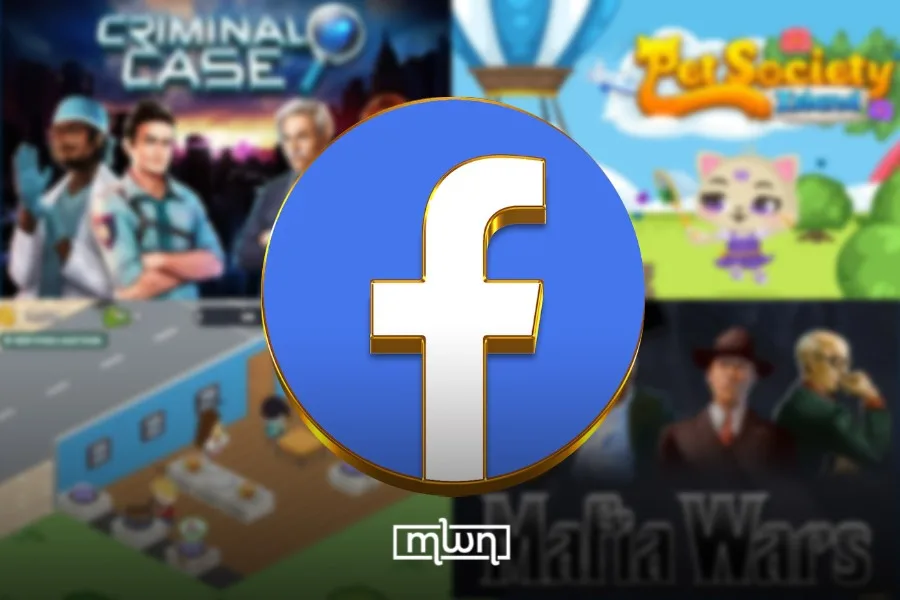
Pet Society (2008)
Part pet simulator, part social network inside a social network. Players decorated homes, dressed virtual pets, and visited friends every day. For many, this game defined early online creativity.
Mafia Wars (2008)
A text-based strategy game that introduced people to the concept of online “crews.” It became one of Facebook’s earliest viral hits.
CityVille (2010)
A city-building phenomenon that broke records as Facebook’s fastest-growing game ever. Millions logged in daily to expand their virtual metropolis.
Criminal Case (2012)
A hidden-object detective game with weekly episodes. It brought a new, more narrative-driven style to Facebook gaming.
Why they became huge
Zynga mastered the formula of simple gameplay, cute graphics, daily rewards, social interactions (sending gifts or visiting friends).
This made their games spread very fast across Facebook in the late 2000s and early 2010s.