Fez — As Morocco’s tourism sector continues to shift toward more meaningful and experience-driven travel, a new digital platform is emerging with a clear ambition: to reconnect visitors with the country’s living culture.
Oldentic, a Moroccan startup developed within the digital incubation program of the Moroccan Society of Tourism Engineering, is introducing a structured approach to experiential tourism rooted in local know-how.
Oldentic’s concept is built around a simple but strategic idea. Rather than focusing on accommodation or transport, the platform allows artisans, creators, cultural guides, and local operators to transform immersive cultural activities into bookable tourism experiences. By doing so, it creates a direct bridge between Morocco’s intangible heritage and international travelers seeking authenticity beyond traditional sightseeing.
Responding to changing travel habits
Globally, travel behavior is undergoing a noticeable transformation. Increasingly, visitors choose destinations based on the quality and uniqueness of experiences rather than hotel ratings alone. International tourism studies consistently show that hands-on activities, cultural immersion, and human connection now play a decisive role in destination choice.
Oldentic positions itself squarely within this shift. The platform identifies informal cultural practices — often invisible to mainstream tourism — and helps structure, standardize, and digitize them. Through this process, experiences that once relied on word-of-mouth become visible, accessible, and bookable for a global audience, without stripping them of their authenticity.
Fez as a strategic starting point
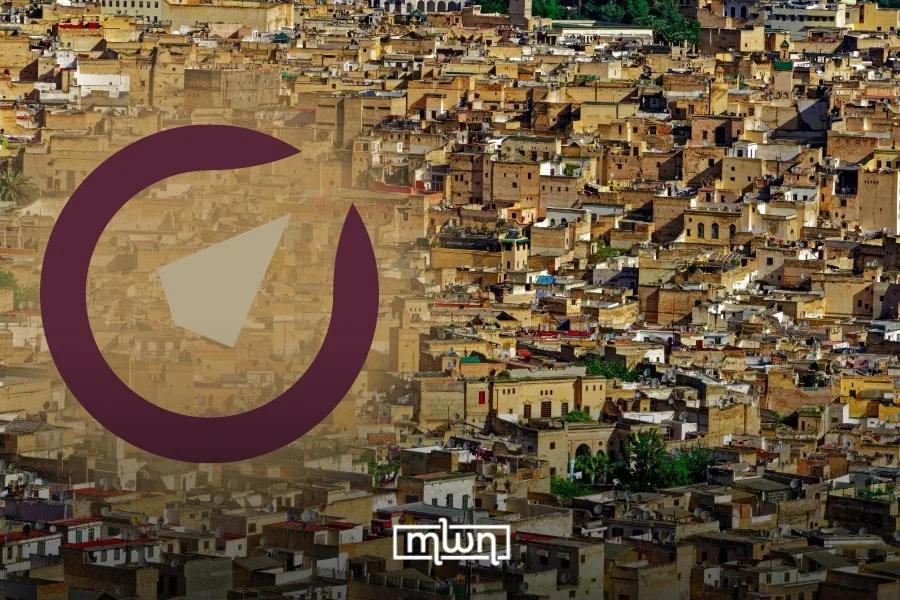
The startup has chosen Fez as its first testing ground, a decision closely tied to the city’s rich intangible heritage. Known for its crafts, rituals, and centuries-old social practices, Fez offers an ideal environment for experiential tourism built on transmission and participation rather than observation alone.
During this initial phase, Oldentic relied heavily on fieldwork. The team conducted more than 100 user interviews and worked directly with local actors to help them professionalize their offerings. This hands-on approach allowed the platform to adapt its model to on-the-ground realities, ensuring that digital tools serve cultural practitioners rather than override them.
A model centered on local value creation
Economically, Oldentic’s model prioritizes inclusion. Artisans and cultural operators retain between 70 and 80 percent of the revenue generated through the platform, a structure designed to keep value at the local level. This approach not only supports income diversification but also strengthens the sustainability of cultural practices that are often under financial pressure.
With strategic backing from the Moroccan Society of Tourism Engineering, the startup has set ambitious growth targets. Oldentic aims to attract 300,000 travelers by 2026, with a longer-term objective of reaching 2.8 million users by 2030. The projected growth is supported by broader trends in digital tourism, as well as Morocco’s expanding calendar of international cultural and sporting events.
Scaling experiential tourism nationwide
Following its pilot phase in Fez, Oldentic plans to expand gradually to other regions of Morocco, adapting its model to different cultural and territorial contexts. By doing so, the startup seeks to contribute to a more balanced tourism landscape — one where heritage, creativity, and local participation become drivers of both economic and cultural development.
As Morocco rethinks its tourism offer in response to global shifts, initiatives like Oldentic illustrate a growing recognition that the country’s most valuable assets are not only its monuments and landscapes, but also the people, skills, and stories that continue to shape its living culture.