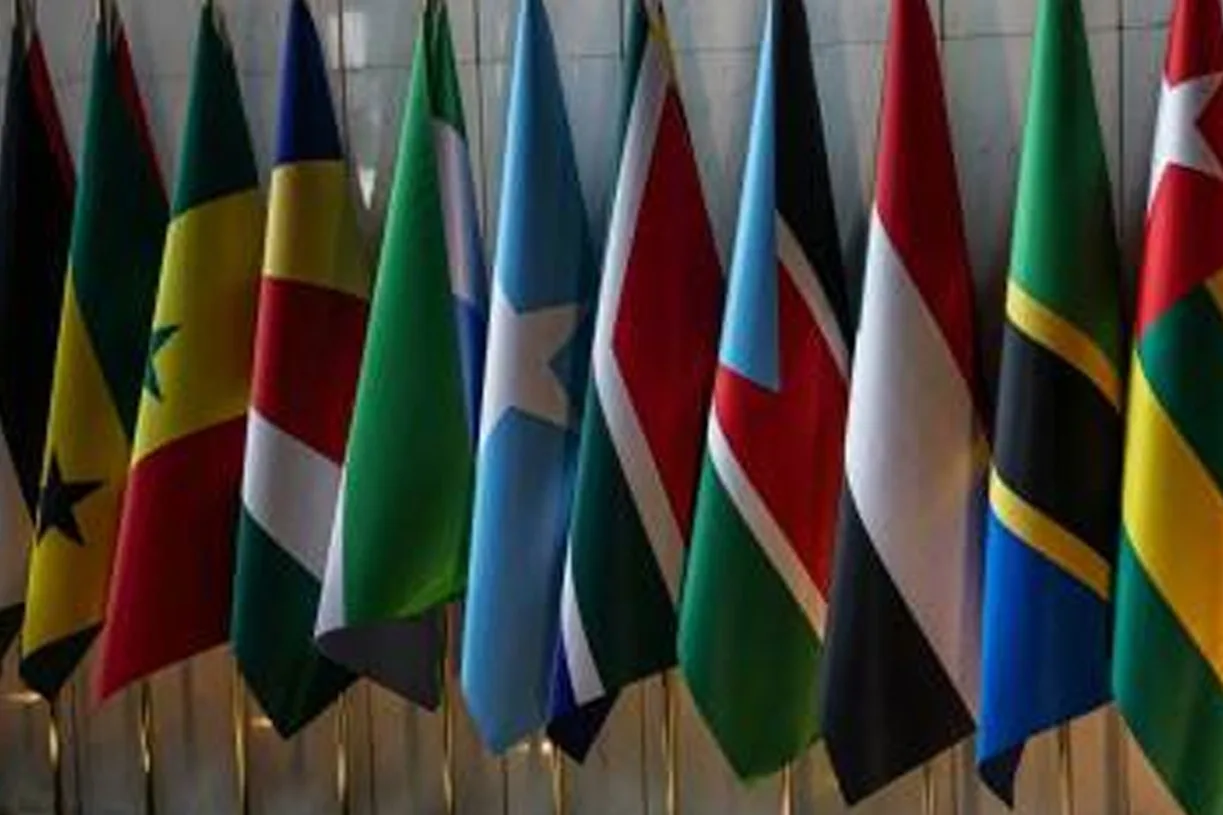
Marrakech – From West Africa to the Horn, red, green, yellow, and black appear again and again on national flags. This visual similarity is not coincidence, nor lack of creativity. It is the result of deliberate political, historical, and ideological choices made at defining moments in Africa’s modern history.
As dozens of African nations gained independence in the mid-20th century, flag design became an act of statecraft. New leaders were not simply choosing colors; they were signaling where their countries stood in a global order shaped by colonialism, Cold War politics, and emerging Pan-African thought.
The strongest influence came from Pan-Africanism, a movement that promoted unity, shared identity, and collective self-determination for people of African descent.
Popularized in the early 1900s and politically embraced after World War II, Pan-Africanism offered newly independent states a visual language that transcended colonial borders. Adopting similar colors was a way to say: this independence is national, but the struggle was continental.
Ethiopia played a central symbolic role. Its green, yellow, and red flag became a reference point for African sovereignty because the country was never formally colonized, aside from a brief Italian occupation between 1936 and 1941.
For independence movements across the continent, Ethiopia represented continuity, resistance, and African statehood before European rule. Referencing its colors was both homage and political alignment.
Timing also mattered. Most African flags were created between the late 1950s and early 1970s, during a compressed wave of decolonization. Many leaders and constitutional committees were in dialogue with one another, attending the same conferences and sharing ideological frameworks. Visual unity was intentional, not accidental.
The meanings assigned to the colors, while not identical across countries, consistently pointed to shared values. Green commonly referenced land and agriculture, red the blood shed in liberation struggles, yellow or gold national wealth and future promise, and black the African people themselves. These interpretations were often codified in official documents, reinforcing their legitimacy.
Importantly, similar colors did not mean identical identities. Each flag still incorporated unique arrangements, symbols, or additional colors to express national specificity. The balance between sameness and difference reflected a broader post-independence reality: African states asserting sovereignty while acknowledging interconnected histories.
Today, those shared colors continue to function as quiet political messaging. In an era where borders remain contested and unity is often aspirational, African flags still carry the memory of a moment when independence was imagined not only as freedom from colonial rule, but as part of a collective continental future.