Casablanca – We all grew up with Disney princesses. The songs stayed with us and so did the stories. But what did they actually teach us about womanhood?
For a long time, these stories followed the same pattern. The princess waited and her life truly began when a man arrived. The message was soft but clear: hold on, stay kind, and love will find you.
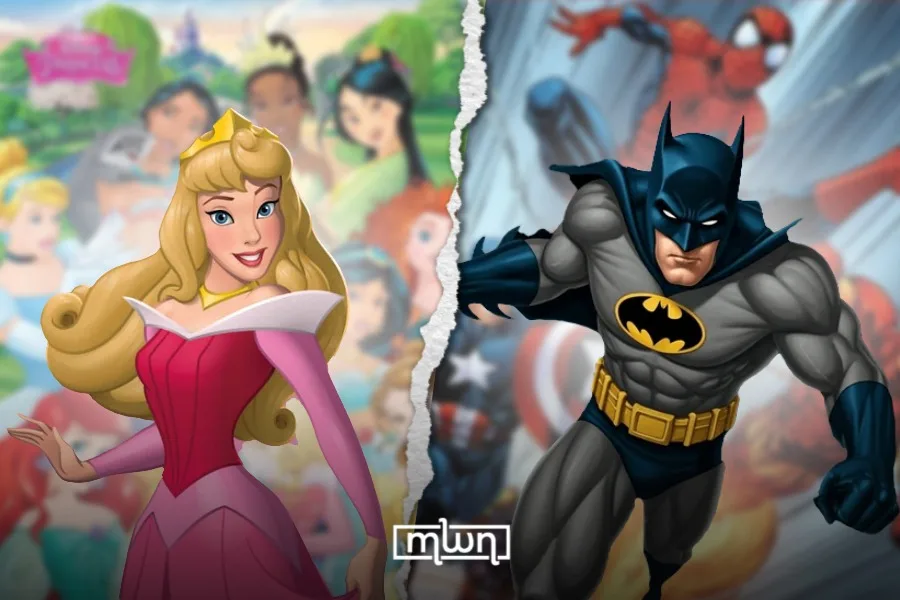
Think of Snow White, Cinderella, or Sleeping Beauty. All of them are kind and innocent (and miserable,) but their kindness is rewarded. The prince always arrives at the end to rescue them.
Of course, these films are products of their time. Still, when the same idea repeats itself across generations, it starts to shape how we imagine love, success, and even womanhood.
Indeed, love is not the problem. The issue is that love is often the only goal and the only way to end misery. Dreams, ambition, and personal purpose stay in the background.
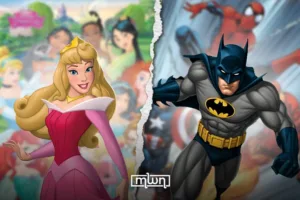
Beyond Disney, did other production companies follow the same pattern? Characters like Superman and Batman are defined by what they do. They fight, fail, train and try again.
Their stories are built on action. They have missions, inner conflicts, goals that exist whether or not a relationship does. Even when they fall in love, it never replaces their purpose.
That contrast is hard to ignore. One side dreams of being chosen. The other side decides to act.
When these patterns repeat, they start to feel normal. Girls learn patience and hope, sometimes pushing their passions aside. Boys learn movement and ambition.
This does not mean fairy tales are harmful on their own. But stories shape imagination, especially in childhood.
Read also: Disney Unveils Live-Action ‘Tangled’ Cast with Rapunzel and Flynn Reveal
What we watch quietly becomes what we expect. They settle quietly in the back of the mind, and they help define what feels normal before we are old enough to question it.
The good news is that the script has changed, slowly, but clearly.
In recent years, Disney moved away from portraying women as simply waiting for Prince Charming. The newer stories show that girls can want more.
Mulan fights for her family and her country. Elsa learns to own her power without a love story at the center. Moana sets out on a mission because she chooses to.
These characters do not wait to be saved. They move, decide, and lead. Love is no longer the ending, it becomes optional.
That shift feels important. It tells young viewers that wanting more is not impossible, and that a woman’s story does not need a prince to begin.
The question now is not whether princesses should fall in love. It is whether love should be their only destination. And whether girls, like heroes, get to chase something bigger than a happy fairytale.
This is not an attempt to criticize love or marriage. It is simply a reminder that girls are more than passive figures waiting to be rescued.
The message is clear: Girls can dream big, move, and pursue their goals. And if love comes along, they should embrace it not as a rescue, but as a choice.
Love is important and so is ambition. And neither should cancel the other.