Rabat – Is there a Moroccan advertisement that stayed with you over the years even if you haven’t seen it in decades? Maybe it was a catchy jingle, a special character, or a series of vibrant, colorful scenes that left an impression?
Advertisements from Morocco used to be full of music, traditional storytelling, and colors, creating fun and memorable experiences, especially for children, at a time when TV was the main entertainment.
Although advertisements surround us today, they rarely leave a lasting impression like they used to.
Let’s explore how culture and nostalgia shape the way we remember the ads of the past.
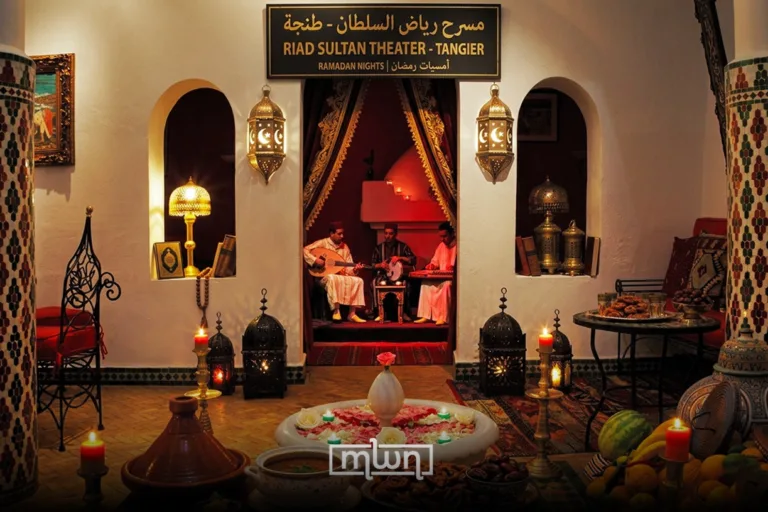
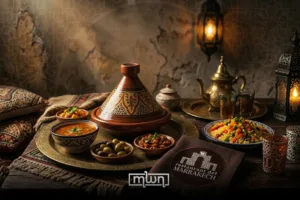
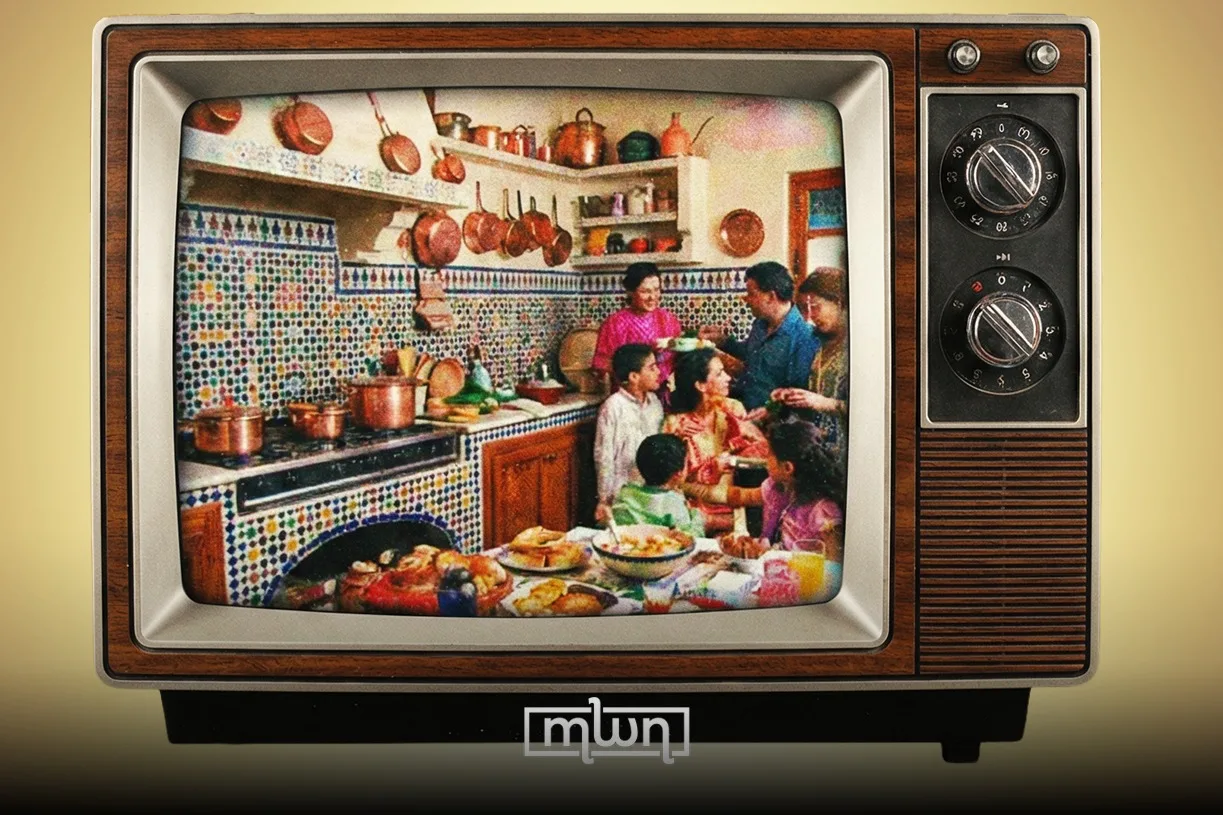
Old advertisements often reflected everyday life, local traditions, and celebrations. They captured family gatherings during Ramadan, bustling city streets, and vibrant markets.
This sense of connection made people feel the ads were part of their lives, rather than just promoting a product.
While modern advertising is more innovative than ever, many traditional Moroccan TV commercials still carry a strong emotional and cultural resonance, leaving a lasting impression in our memories.
Nostalgia, emotion, and storytelling are timeless tools that modern brands can draw on to add a unique and original touch to their marketing.
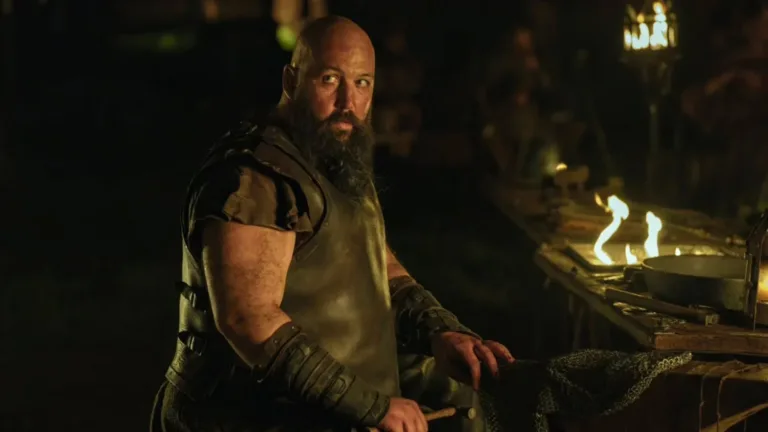
Older commercials were simple but unforgettable. Some famous lines, like “K Walla Ma K” and “Sedari Boukricha,” were already widely used expressions used across the country, but the ads put them to creative use, making them even more memorable.
Brands such as Colorado, C’Bon, Aicha, Delicia and Atay Baroud didn’t just sell products. They told stories inspired by everyday life, humor, and the rich culture of Morocco.
Because of their close connection to everyday Moroccan life, these commercials felt authentic and original, with products that seemed familiar, trustworthy, and reliable.
Even with modern effects and technology, new advertisements rarely stick in our minds. Why is this the case? Part of the answer lies in culture.
Another reason is nostalgia. The ads take many of us back to our early years; the music, slogans, and characters all evoke memories of a simpler time. A single old commercial can spark a warm recollection, and it stays with us precisely because of that nostalgic connection.
Audience perception has also changed. Today, ads are everywhere, on TV, social media, and websites.
This constant exposure can make modern commercials feel repetitive and forgettable.
Unlike the old ads, which were rare and special, today’s campaigns compete for attention in an increasingly crowded digital space.
Finally, the way stories were told makes a difference. Older ads often had a simple touch, with clear stories and catchy music that were easy to remember.
Modern ads often emphasize style or technology, but without strong storytelling or emotional connection, they struggle to leave a lasting impression, something evident in the way many consumers quickly scroll past content on social media today.
Old Moroccan commercials remain memorable because they resonated with culture, evoked nostalgia, and told simple stories that stayed with us.
Modern advertising has evolved, and the industry has changed, but these classic ads remind us of an important lesson: emotion and storytelling are what make an advertisement truly unforgettable.