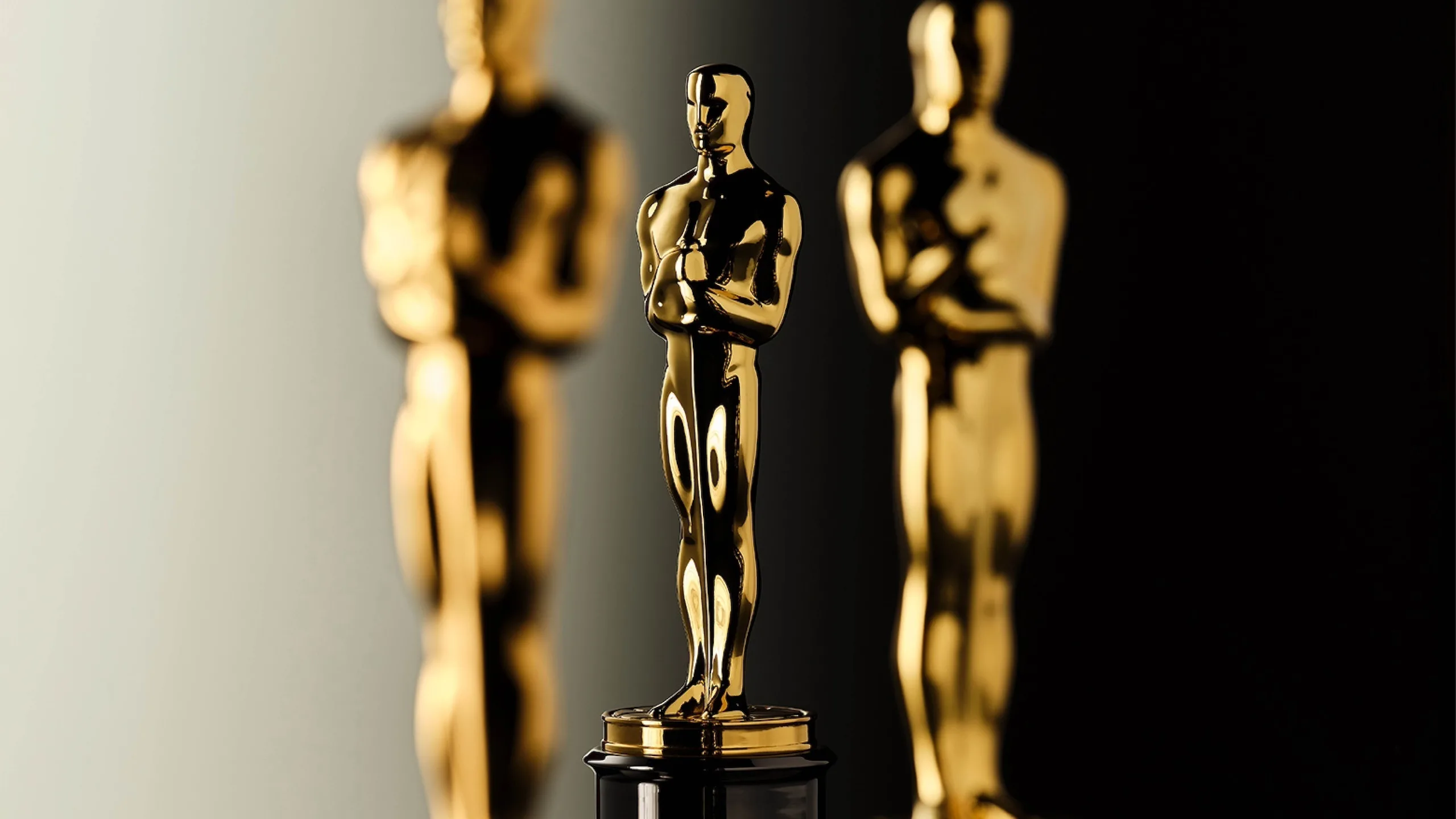
Fez — The Academy of Motion Picture Arts and Sciences has updated its Oscars rules to exclude AI-generated actors and AI-written screenplays from eligibility in acting and writing categories, marking one of Hollywood’s clearest institutional responses to artificial intelligence.
Under the new rules for the 99th Academy Awards, only acting roles credited in a film’s official credits and “demonstrably performed by humans with their consent” will be considered eligible for acting prizes. Screenplays must also be human-authored to qualify in writing categories.
The move does not amount to a full ban on AI use in filmmaking. The Academy can still allow films that use generative tools in production, visual effects, editing, or other technical areas. But it draws a firm eligibility line when it comes to the people who can be nominated for performance and writing awards.
Human creativity at the center
The Academy’s updated rules come as studios, unions, actors, and screenwriters continue to debate how AI should be used in film production.
The issue became one of the central concerns during the 2023 Hollywood strikes, when actors and writers warned that unregulated AI could threaten their work, image rights, voices, and long-term livelihoods.
For actors, the concern has been especially personal. AI tools can now recreate a performer’s face, voice, and gestures, raising questions about consent, credit, and whether a digital replica can compete against a living performer.
The Academy’s new language directly addresses that concern by requiring eligible performances to come from human beings and to involve consent.
Val Kilmer case adds urgency
The rule change follows renewed attention to AI-generated performances, including the recent presentation of a digital version of late actor Val Kilmer in the trailer for the action film “As Deep as the Grave.”
Kilmer, known for films including “Top Gun” and “The Doors,” died in 2025. Reports said the project used archival material with the agreement of his family to recreate the actor at different stages of his life.
The case sharpened the industry debate because it raised a complicated question: even when a family grants permission, should an AI-generated version of a deceased actor be treated as an award-eligible performance?
The Academy’s answer now appears clear. Such work may exist inside a film, but it cannot be treated the same way as a human performance for acting awards.
A wider shift in Hollywood
The AI update arrives alongside other changes to Oscar rules. The Academy has also revised international feature eligibility, allowing some films to qualify through major festival wins even if they are not selected by their home countries.
The acting categories also saw a major change. Performers can now receive multiple nominations in the same acting category for different roles, if more than one performance places among the top vote-getters.
Still, the AI rule is the most symbolic update. It signals that the Oscars are preparing for a film industry where artificial intelligence will remain present, but where awards recognition will continue to prioritize human labor.