Fez — The Tarifa-Tangier African Film Festival (FCAT) will open its 23rd edition in Morocco this month with a program centered on futurism, memory, identity, and cultural exchange across the Strait of Gibraltar.
The Tangier segment of the festival will begin with a gala on May 22 at the Cinémathèque de Tanger, housed in the city’s historic Cinema Rif. The festival itself is scheduled to run from May 22 to 30, with activities in both Tangier and Tarifa.
A futuristic African opening film
This year’s opening film will be “Memory of Princess Mumbi,” directed by Kenyan-Swiss filmmaker Damien Hauser. The film is set in 2093 in a futuristic African country called Umata and follows a love triangle involving a filmmaker, an aspiring actress, and a prince, with artificial intelligence woven into the story.
Hauser is expected to attend the opening event alongside lead actress Shandra Apondi. The film previously received recognition at FCAT Lab 2025 and was presented at international film events, including Venice’s Giornate degli Autori and Spain’s Seminci festival in Valladolid.
By selecting “Memory of Princess Mumbi” for its opening, FCAT is highlighting a new generation of African and diaspora filmmakers who use genre cinema to question power, imagination, and the future of the continent.
Literature and Moroccan short films
The Tangier program will continue on May 23 with “Entrelíneas,” FCAT’s literary event on the Moroccan side of the Strait. The session will take place at Dar Niaba, the museum of traveler artists, and will bring together Moroccan writers Mohamed Serifi-Villar and Driss Bouissef-Rekab with Spanish actress Cayetana Guillén Cuervo.
The same day, the festival will screen Moroccan short films in its competitive “En Breve” section. The lineup includes Randa Maroufi’s “L’Mina,” Sonia Terrab’s “Les jardins du paradis,” and Sanaa El Alaoui’s “Aïcha.” These films explore memory, social structures, and resistance to patriarchal norms through different cinematic languages.
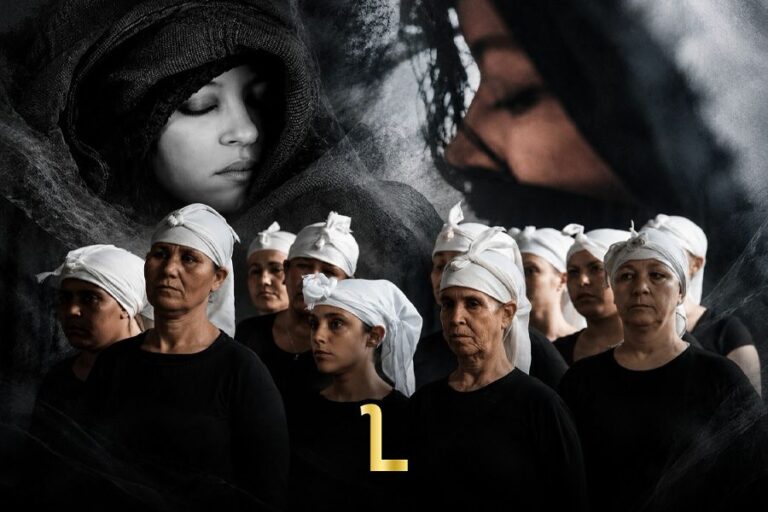
On May 24, FCAT will host the world premiere of “Ceux qui veillent,” a documentary by Belgian-Moroccan filmmaker Karima Saïdi. The film follows life inside a multifaith cemetery in Brussels, showing how funeral rituals and care for graves help immigrant communities preserve ties to their roots.
Visual art beyond the screen
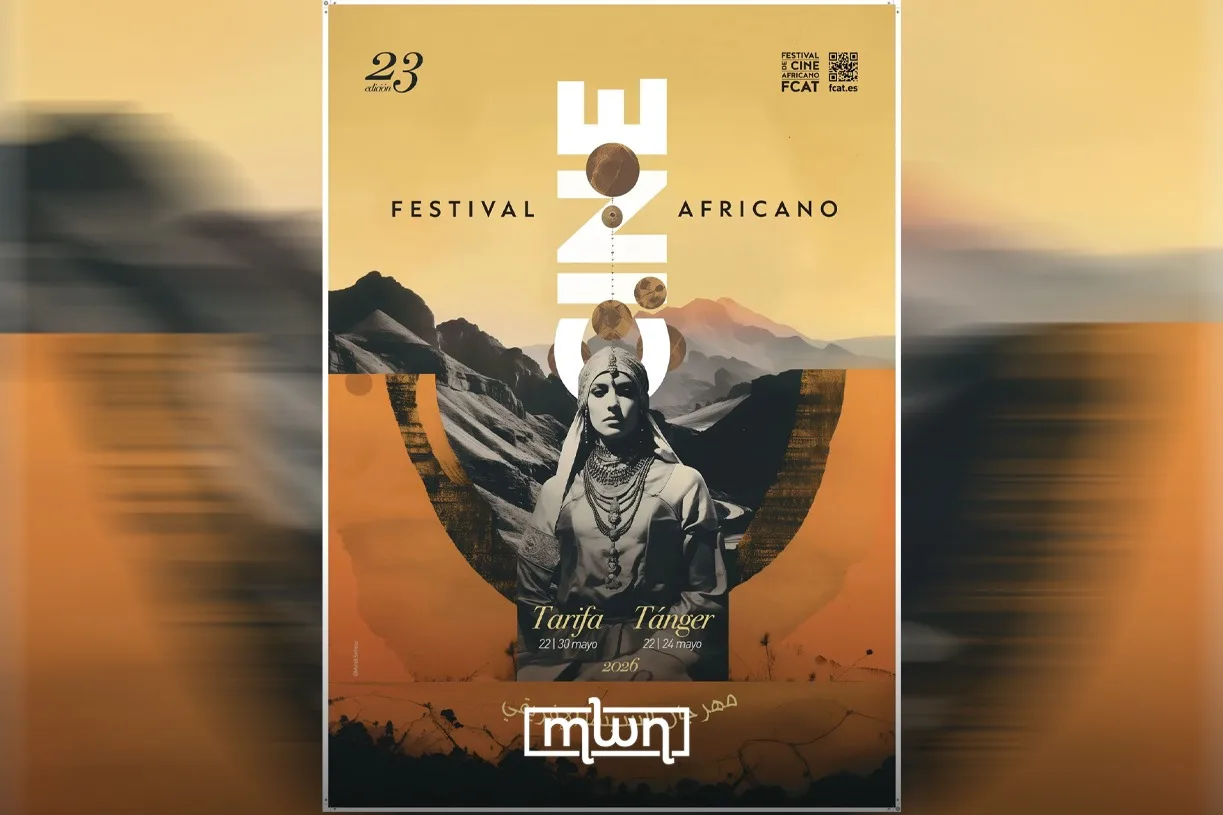
FCAT’s Tangier edition will also feature a visual art component through an exhibition by Tangier-born artist Mehdi Sefrioui, who designed the poster for this year’s festival. His work explores memory, resistance in the Maghreb, and the deconstruction of colonial perspectives through archives, textiles, and oral testimony.
A discussion with Sefrioui will take place on May 21 at the Cervantes Institute gallery in Tangier, ahead of the official opening. The event will also feature Juan Vicente Piqueras, director of the institute, and FCAT coordinator Gaetano Gualdo.
Founded as a platform dedicated to African cinema and its diasporas, FCAT has long positioned Tangier and Tarifa as cultural meeting points between Africa and Europe. This year’s edition reinforces that mission by turning the Strait of Giblartar into more than a border, presenting it instead as a shared space for stories, images, and artistic exchange.