Fez — When Nicolas Cage’s character walks through “Spider-Noir,” Sanaa Kelley is listening for more than a foot hitting the floor.
She is watching how he carries his body, whether a movement lands with confidence or hesitation, how his clothes shift, and what his physical choices reveal before a line of dialogue arrives.
That attention helped earn Kelley her second Emmy this month. The Moroccan-born Foley artist was part of the “Spider-Noir” team that won Outstanding Sound Editing for a Comedy or Drama Series (One Hour) for the episode “The Man in the Mask.” The Television Academy now lists Kelley with six nominations and two Emmy wins, following her 2024 victory for “Shōgun.”
MWN Lifestyle reported on the win earlier this week, tracing a career that has taken Kelley from Morocco to nearly three decades of creating footsteps, clothing movements, impacts, and other physical sounds for film and television.
In a new interview with MWN Lifestyle magazine, Kelley went deeper into what that work actually required on “Spider-Noir,” and why the best Foley performance may be the one audiences never consciously notice.
An Emmy after an ending
The award arrived under unusual circumstances.
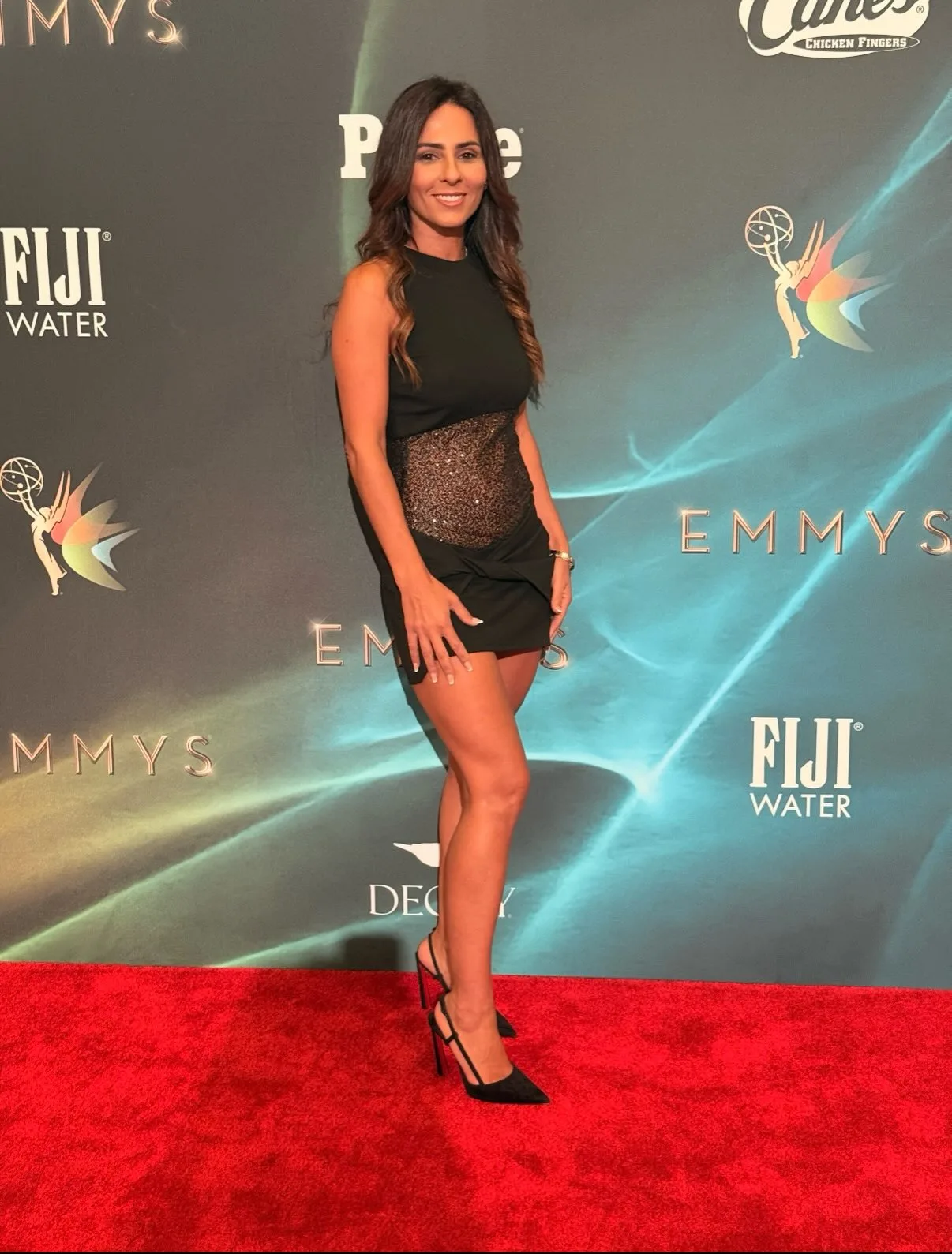
Prime Video canceled “Spider-Noir” on September 4 after one eight-episode season. Two days later, the series collected five Creative Arts Emmy Awards, including the sound editing prize shared by Kelley and the wider team. It had entered the awards weekend with 11 nominations.
Kelley, however, does not want to turn the timing into a judgment about Hollywood.
“I prefer to focus on the work and the incredible people behind it. It was an absolute honor to be part of Spider-Noir, and winning an Emmy for our work made the experience even more meaningful.”
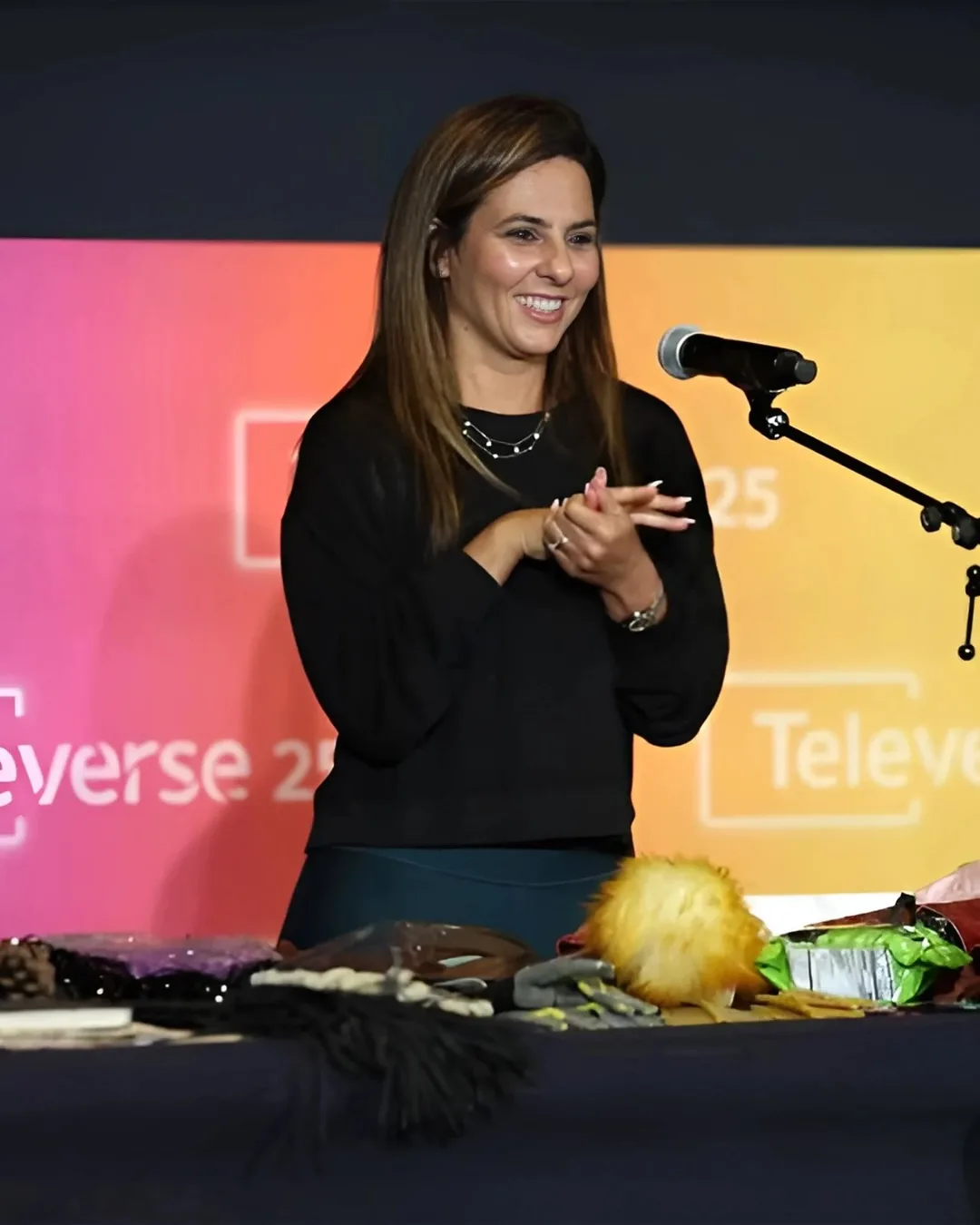
She specifically credited sound supervisors Andy Sisul and Ethan Beigel for helping shape the work.
“Decisions about the future of a show involve many factors beyond my role, so I can only speak to the experience I had, which was incredibly positive.”
That response places the emphasis where Kelley tends to keep it: on the performance, the team, and the sound itself.
Listening to Nicolas Cage move
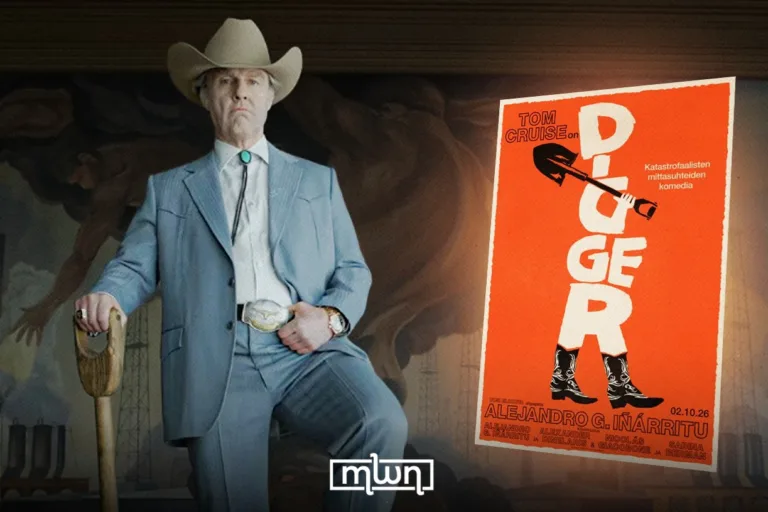
Cage plays Ben Reilly, a private investigator navigating 1930s New York while confronting his former life as the city’s superhero. The role gives “Spider-Noir” a physical language shaped as much by film noir as by comic-book action.
On the Foley stage, Kelley had to recreate and support the sounds attached to that physical language.
“Nicolas Cage gave the character a very specific physical presence. There was weight, confidence and strength in his movements, but also a sense that he was carrying something emotionally.”
That distinction mattered. A heavy step could suggest authority, but too much emphasis could turn a subtle performance into something the actor never intended.
“My job was to listen to what his body was already communicating and support it through sound.”
The quieter scenes were often where those decisions became most delicate.
“In the quieter moments, even something as simple as the weight of a step, the movement of his clothing or the way he shifted in place could reveal tension or hesitation without the character saying a word.”
For Kelley, Foley should not invent an emotion simply because a sound artist has the technical ability to do so.
“The performance always comes first. I study the actor’s posture, pace, breathing and emotional state before deciding how anything should sound. My interpretation should never contradict what the actor is doing.”
An angry character, she noted, does not automatically require aggressive footsteps. Anger can be controlled. Fear does not always sound frantic. Hesitation may appear as little more than a pause or slight drag.
When a choice becomes uncertain, Kelley returns to the larger sound team and the intentions guiding the series.
“If the audience notices my choice more than the actor’s intention, I have probably gone too far.”
When language adds another layer
Kelley’s Moroccan background has also become relevant in a different part of her recent work.
Born in Casablanca, she grew up watching Arabic cinema before moving to the United States as a teenager. She has since described working on an Arabic-language production as a kind of return to something familiar after building her career in Hollywood.
Her knowledge of Arabic, she said, gave her another route into the performances.
“For me personally, understanding Arabic gave me an immediate connection to the dialogue and the emotional rhythm of the scenes. I could hear the meaning and tone while also watching the actors’ physical performances, which helped me make certain Foley choices more instinctively.”
Kelley is careful not to suggest that cultural or linguistic familiarity is the only way to do that work authentically. Other Foley artists may reach the same understanding through subtitles, research, conversations with filmmakers, or close observation.
“It was an additional layer that I was able to bring to the film because of my own background, but there are many ways for an artist to understand and authentically support a performance.”
Clarifying how she learned Foley
Kelley also wanted to clarify one part of the story of how she entered the industry.
Accounts of her early career have sometimes described her as spending her first year working without pay. Kelley says that wording gives the wrong impression of what was actually happening.
“I would clarify that I don’t consider my first year to have been a year of working for free. It was an apprenticeship.”
For her, the distinction is important because Foley is a performance craft learned through repetition, observation, and access to professional spaces.
“Foley is an incredibly difficult craft, and you cannot hide behind editing or technology. It is you performing in front of a microphone, and the work either supports the picture or it doesn’t.”
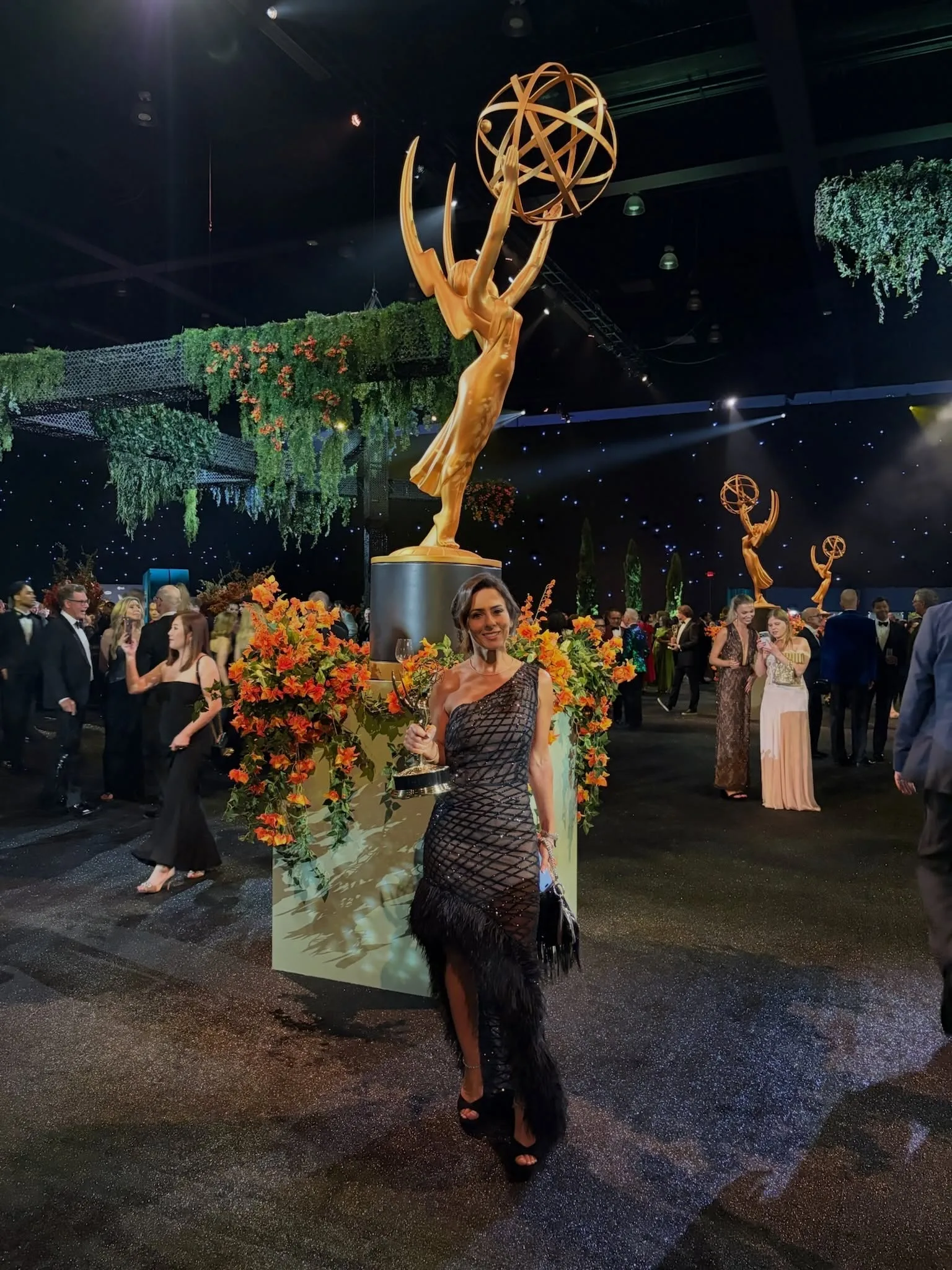
During that period, she said, she had access to a Foley stage, microphones, equipment, and experienced professionals willing to give her their time.
She was also practicing on productions whose final Foley was completed by someone else.
“The studio was not profiting from my work or using me to replace a paid artist.”
That early apprenticeship eventually led to a career spanning “Ted Lasso,” “The Walking Dead,” “Only Murders in the Building,” “Shōgun,” and now “Spider-Noir.” Her first Emmy came with a period drama built around another highly specific physical world. Her second came through a superhero detective whose smallest movements could carry as much meaning as the action around him.
Across both, Kelley’s approach remains remarkably restrained. Foley can make a step heavier, a coat sharper, or a pause more uneasy. But for her, the craft works best when it disappears into somebody else’s performance.
The Emmy may carry Kelley’s name. The work that earned it was designed to make viewers forget she was ever there.