

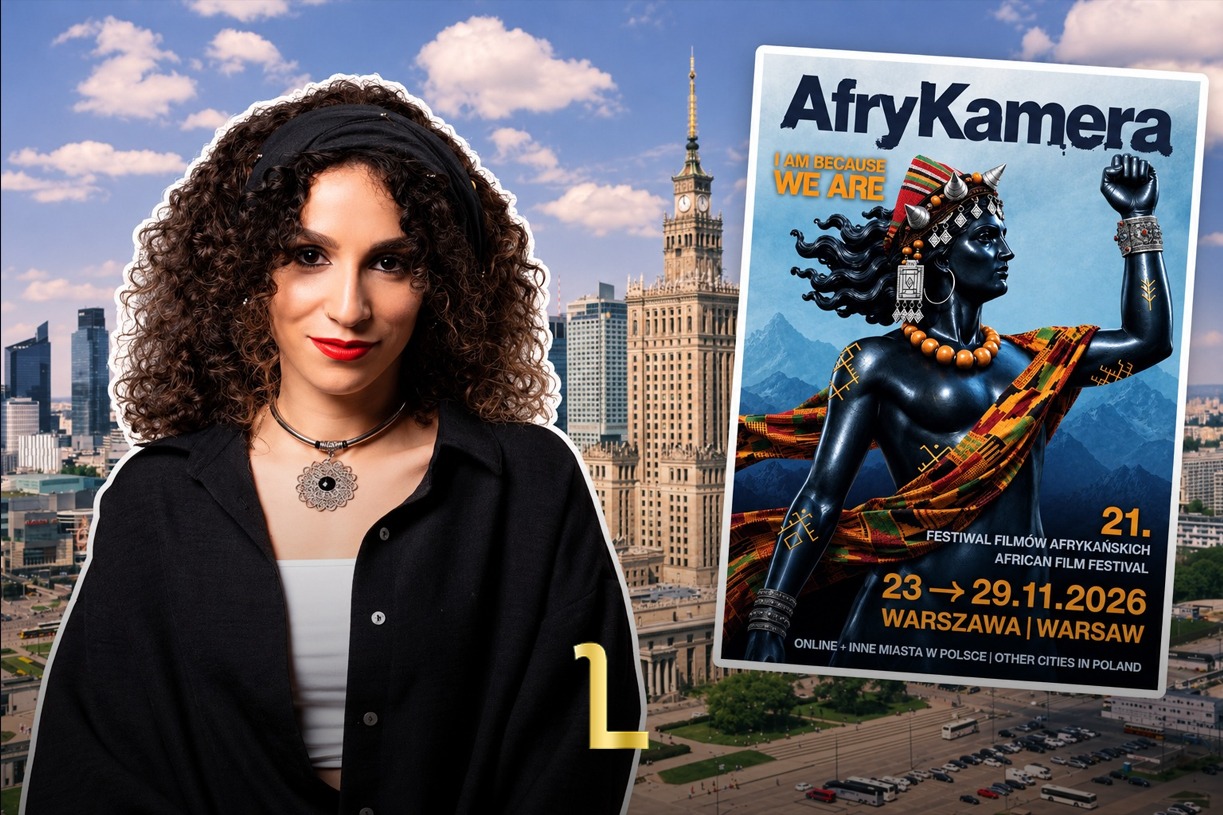
Fez — Moroccan filmmakers trained in Poland, the music of Nass El Ghiwane, and an encounter between Ahwach and electronic sound will converge in Warsaw this November.
The 21st AfryKamera African Film Festival will spotlight Morocco within a broader North African focus from November 23 to 29. Screenings and events will take place at Kino Atlantic, Kino Amondo, and the National Ethnographic Museum.
For artistic director and programmer Sanaa El Alaoui, the selection begins with a question about our relationship with images.
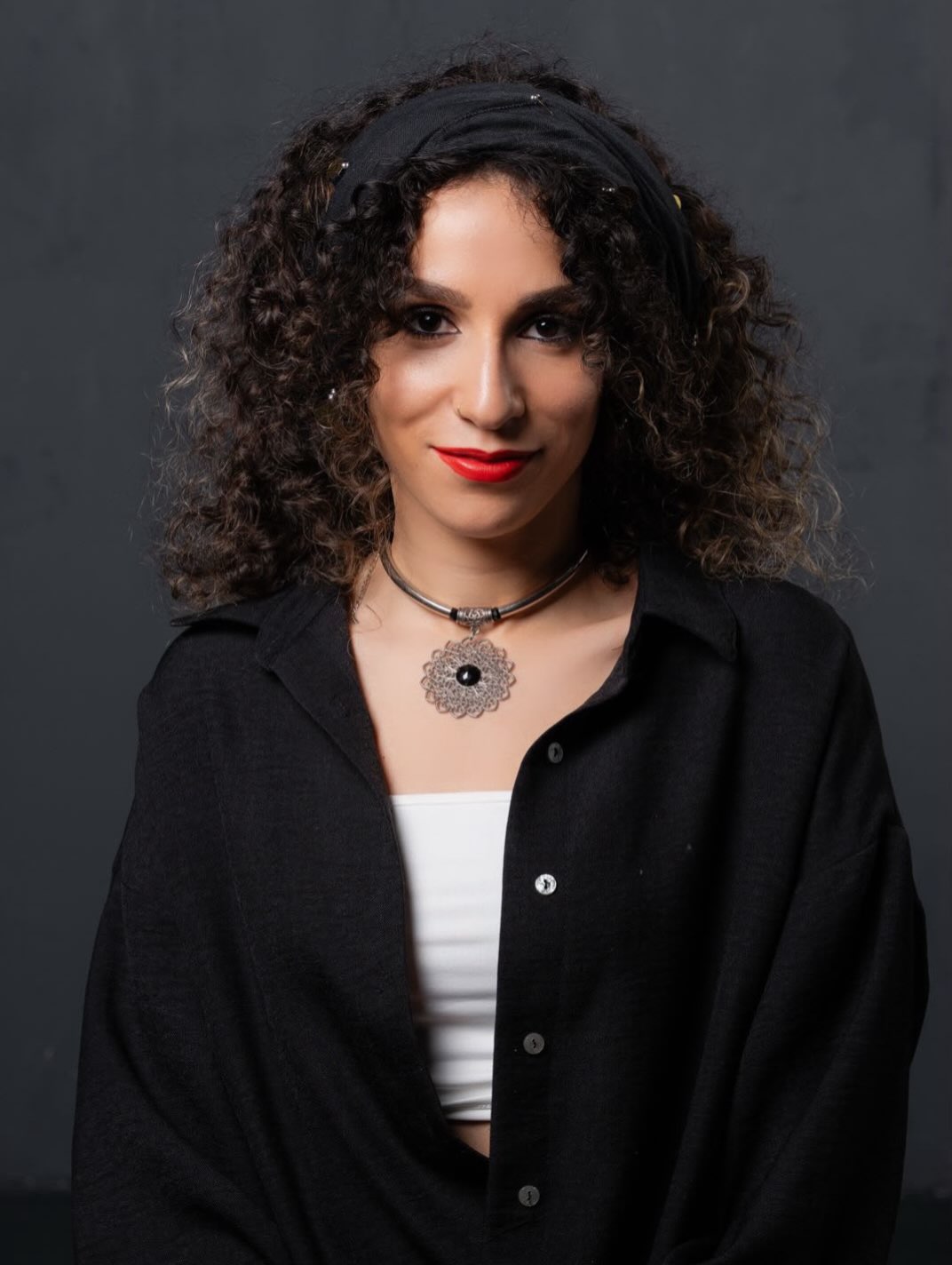
“Is it AI, or is it human? It is a question we hear every day now, as we search for truth among images we can no longer trust,” she told Lifestyle Magazine.
The festival’s motto, Ubuntu, meaning “I am because we are,” offers her a way to connect filmmaking with shared human experience.
“It reminds us of the one thing no machine can reach: the light that shines in each of us and connects us to one another,” she explained.
Morocco through different generations
The festival opens on November 23 with Hanaël El Yousfi’s “The Daughters of Abraham.” The French-Moroccan production follows Myriam, from a Muslim family in Marseille, and Evi, from a Jewish family, as they reconnect after years apart.
Their friendship introduces questions of faith, identity, and belonging that recur throughout the program.
Hind Bensari’s documentary “Out of School” follows another relationship, between siblings Mohamed and Fatima in a remote Moroccan mountain village. Financial hardship forces them to leave school, threatening their ambitions for the future.
The Moroccan selection also includes “Mon Taxi” by Meriem Sakrouhi, and “L’mina” by Randa Maroufi. “Chikha,” by Ayoub Layoussifi and Zahoua Raji, joins Sonia Terrab’s “Les jardins du paradis” (The Gardens of Paradise).
El Alaoui describes a selection drawn toward filmmakers who challenge the roles and boundaries imposed on their subjects.
“With these questions in mind, we chose brave films. Films that create rupture and push against the fence,” she said.
“Films where women take back their bodies, their labor and their land.”
The Polish chapter of Moroccan cinema
A tribute to Mostafa Derkaoui will revisit a connection between the two countries that predates this year’s spotlight.
AfryKamera will screen his first feature, “About Some Meaningless Events” (1974), alongside shorts he made while studying at the Łódź Film School.
Student films by fellow Moroccan graduates Abdelkader Lagtaâ and Abdellah Drissi will extend that history. Together, the screenings return to a generation whose education in Poland helped inform their filmmaking in Morocco.
El Alaoui calls this connection “a quiet bridge between Poland and Morocco.”
Another major encounter will take place on November 27, when Ahmed El Maanouni attends a screening of “Trances” (1981) at Kino Amondo. His portrait of Nass El Ghiwane will precede a discussion with the audience.
“Music runs through this edition like a pulse, with many films devoted to musicians and voices that carried their people through occupation, apartheid and exile,” El Alaoui explained.
Ahwach meets electronic experimentation
Music will also shape the November 28 closing celebration at the National Ethnographic Museum, ahead of the festival’s final day.
The new, noncompetitive “AfryFutures” strand includes Kevin Le Dortz’s “AⵣMⵣ ~ The Visual Trip,” developed through the Tekchbila residency in Tafraout.
The project brings together the Amazigh Ahwach women’s ensemble Bnat Louz and electronic duo Raskas. Filmed among the Anti-Atlas rock formations, it combines performance with glitch textures, 3D scans, and altered rhythms.
The closing ceremony will end with a live set by Prophän, the Rabat-born, Paris-based sound artist and producer Othman Cherradi, whose work includes “Post-Industrial Hadra Experiments.”
Animation receives its own dedicated strand for the first time through “Animafrica,” featuring Fayrouz Harmatallah Sbaï’s “Aïcha Kandicha.”
For El Alaoui, experimentation serves a purpose beyond visual novelty.
“Films where genre, from horror to animation and satire, becomes a way to say what cannot be said directly.”
Who owns the gaze?
The edition’s central questions also reach into the history of colonial spectacle.
On November 28 at 1 p.m., the National Ethnographic Museum will host “Human Zoo,” followed by a conversation with historian Sandrine Lemaire. The documentary examines the public display of people from colonized societies before European audiences.
“The fences have fallen, but has the frame taken their place?” El Alaoui asked.
“Every image still decides who stands inside it and who stands outside, looking in. So we ask: who owns the gaze, and who surrenders it?”
Moroccan artist Blizzart, Oussama Benjelloun, extends this conversation through the festival poster. Its central woman combines references to Aisha Kandisha, Warsaw’s Mermaid, and Nike, with a sash inspired by Ghanaian Kente cloth.
The image reflects a program that places Morocco within a wider African conversation.
“But Ubuntu knows no single region: from Nigeria and Ghana to Kenya, Cameroon and South Africa, this edition brings together voices from across the whole continent, because no part of Africa is whole without the others,” El Alaoui said.
Audiences can explore the festival’s program and ticket information online.
For its artistic director, the invitation remains grounded in the people behind the screen.
“Behind each frame there is a hand, a voice, a risk taken. We invite you to watch, to question and to find your own answers,” El Alaoui said.
El Alaoui brings her own filmmaking experience to the program. Her short “Aïcha,” which explores grief, a fractured mother-daughter relationship, and Gnawa ritual, earned her the national Best Director award at the 2026 Marrakech Short Film Festival.
The film also won the Jury Award in the Arab Short Film Competition at the 2026 Amman International Film Festival, along with the Best Women Filmmaker award at the 2025 Yellowstone International Film Festival.
Those achievements give added context to her interest in films that use genre and Moroccan cultural traditions to confront difficult subjects.