

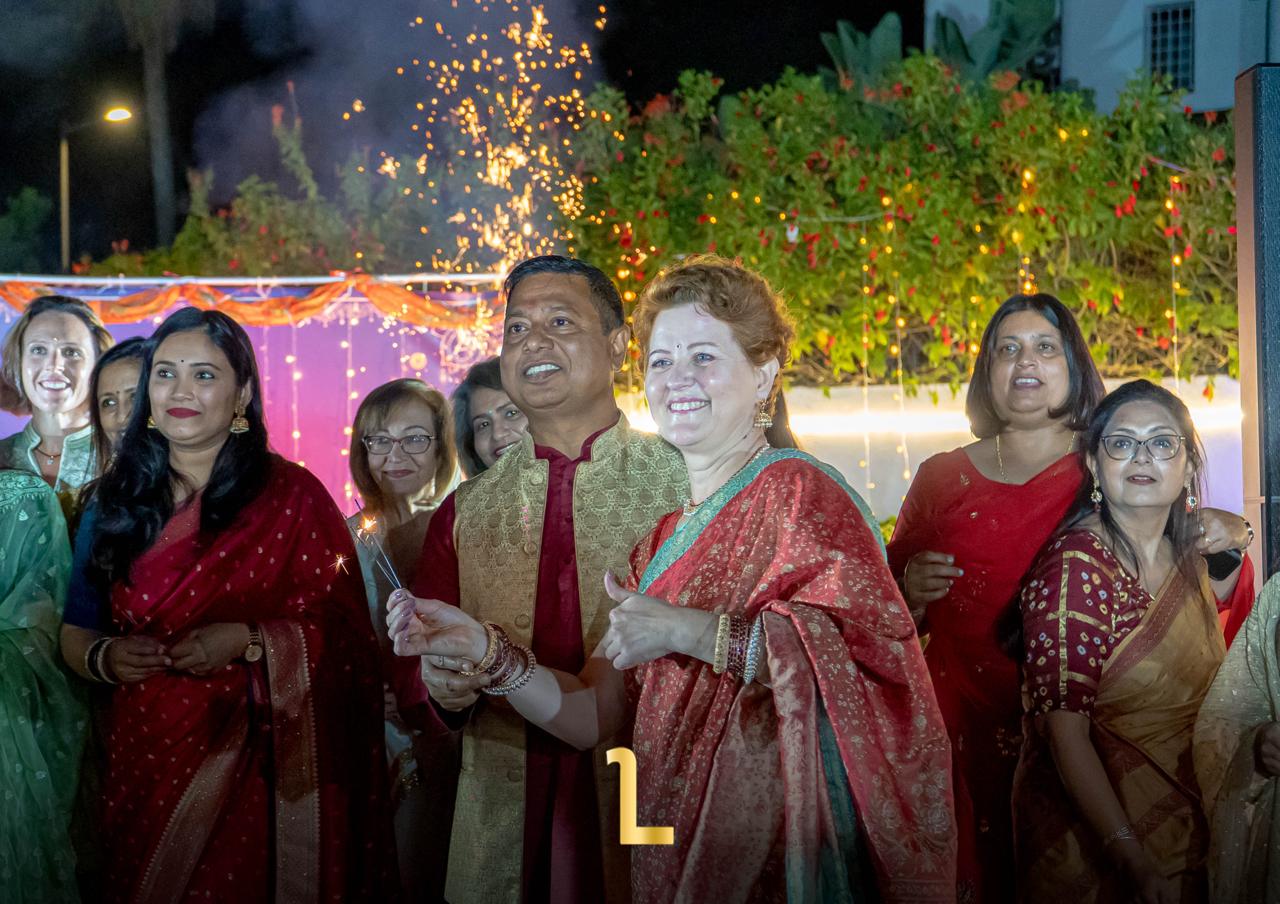
Casablanca – One minute, guests are enjoying the music; the next, they are on their feet, dancing along. That was the scene at India House in Rabat, where Diwali turned an evening gathering into a lively celebration of Indian music, dance, food, and tradition.
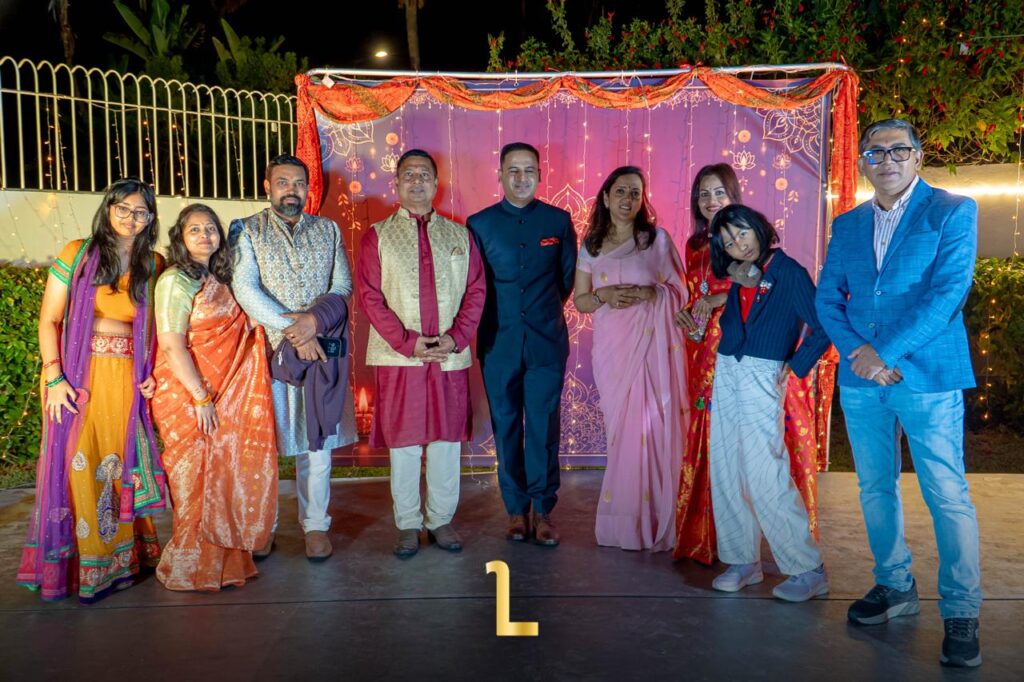
India’s Ambassador to Morocco, Sanjay Rana, and his wife, Barbara Jaworska, welcomed fellow ambassadors, representatives, and members of the Indian community to celebrate one of India’s most cherished festivals. The gathering brought a little of Diwali’s color and spirit to the heart of the capital.
For Ambassador Rana, Diwali is more than a festive occasion. Celebrated across India’s different states, it is a time when people come together, sharing the same message of hope, happiness, and prosperity.
He also sees this spirit of togetherness reflected in Morocco, where local communities join the Indian community in celebrating Diwali and other Indian festivals.
Speaking to Lifestyle Magazine, he described these shared celebrations as a reflection of the friendship and partnership between the two countries, expressing his appreciation for the warmth with which Moroccans welcome Indian traditions.
A celebration of light, color, and tradition
Also known as Deepavali, Diwali takes its name from the Sanskrit words for a row of lights. The festival celebrates the triumph of good over evil, light over darkness, and knowledge over ignorance.
Across India, families mark the occasion through different customs and stories, but one of the best-known traditions draws on the Hindu epic Ramayana.
According to the story, Prince Rama returns to his kingdom of Ayodhya after 14 years in exile, following his victory over the demon king Ravana and the rescue of his wife, Sita.
The people of Ayodhya welcome Rama, Sita, and his brother Lakshmana by lighting rows of oil lamps, or diyas, to guide their way home. This tradition remains closely associated with Diwali and its message of light overcoming darkness.
At India House, the festival’s spirit came through in the people and the details of the evening.
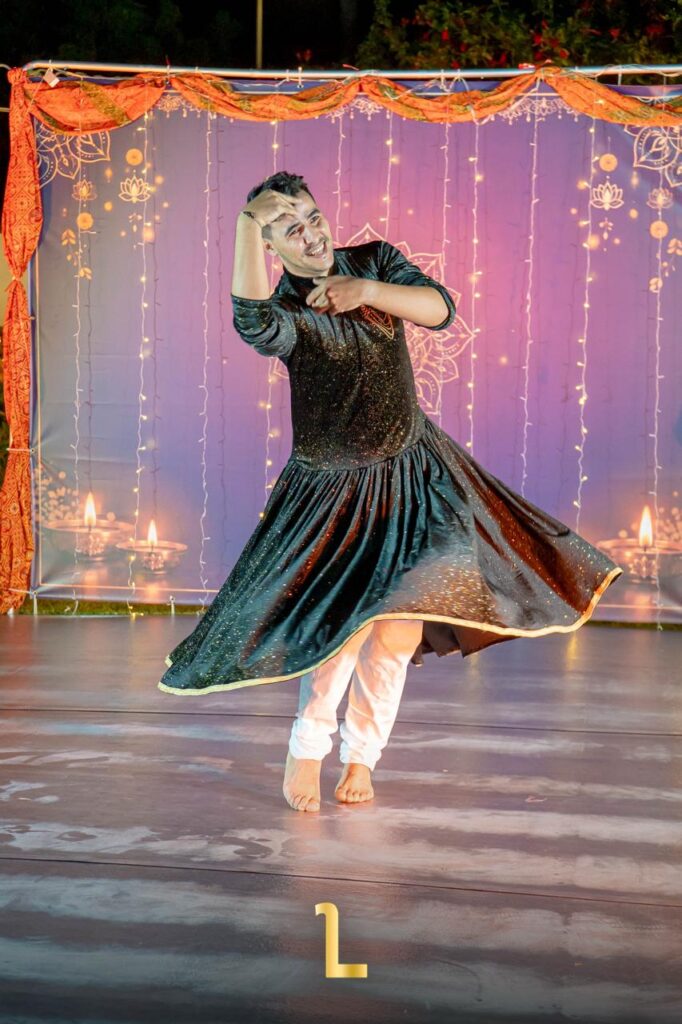
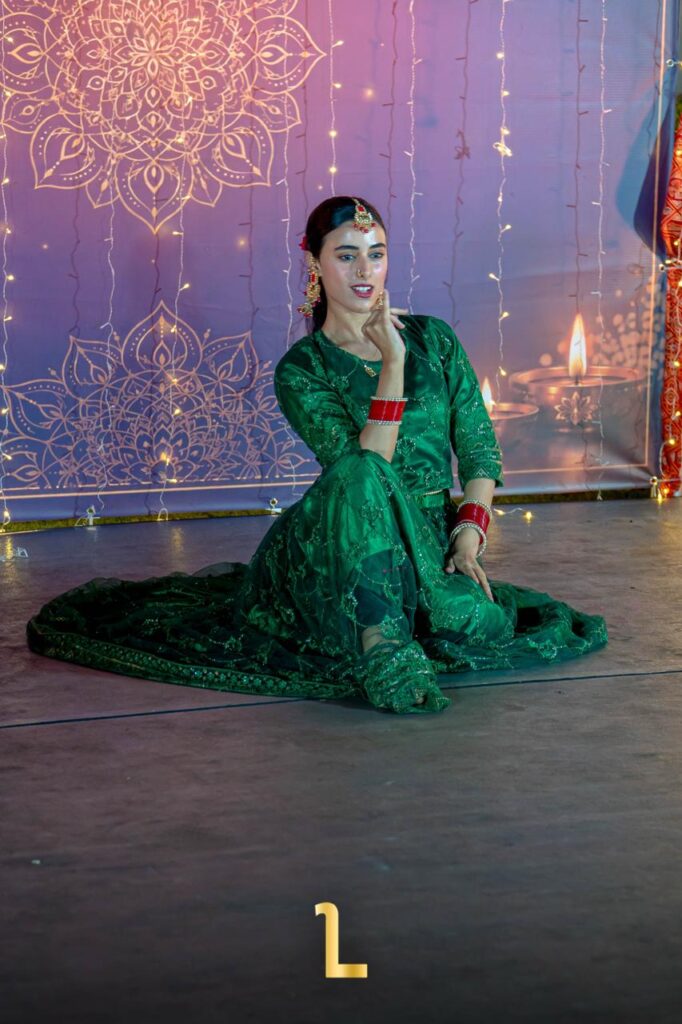
Guests arrived in colorful traditional Indian attire, with bright fabrics, intricate designs, and accessories adding to the festive atmosphere. Indian melodies filled the room, and before long, guests were dancing and joining in the celebration.
There was also a moment to put the lights themselves at the center of attention. Guests lit candles and placed them in a decorative metal candle holder, echoing Diwali’s tradition of illuminating homes and welcoming good fortune.
Indian flavors join the celebration
And, of course, food had its own place in the celebration. Indian dishes and sweets gave guests another way to enjoy the occasion, with Rabat-based restaurant Indian Flavors taking care of the culinary offering.
In an interview with Lifestyle Magazine, the restaurant’s owner, Fatimazahra Mamma, explained that her passion for Indian food grew out of years of personal connections with the Indian community.
These experiences eventually inspired her to open Indian Flavors in Rabat, hoping to introduce more Moroccans to a cuisine she felt was still uncommon in the country.
The restaurant serves Indian dishes prepared by an Indian chef from Hyderabad, bringing the flavors she and her family had grown fond of to a wider audience.
Five days of festivities
The celebration at India House offered a glimpse of Diwali, but the festival itself stretches across five days, each with its own customs and meaning.
While traditions vary between regions and families, the days often combine prayers, home preparations, family gatherings, and small gestures meant to welcome prosperity and good fortune.
The festivities begin with Dhanteras, when families clean and prepare their homes for the days ahead. Many also buy gold, silver, or new utensils, seeing these purchases as a way to invite prosperity.
The following day, Naraka Chaturdashi, recalls the defeat of the demon Narakasura. Families continue decorating their homes, often adding colorful rangoli patterns to their floors and entrances.
The third day marks the main Diwali celebration. Families light diyas, exchange gifts, share festive meals, and gather for prayers, often dedicated to Lakshmi, the Hindu goddess of wealth and prosperity. As evening falls, homes and streets glow with rows of lamps and decorative lights.
The celebrations continue on the fourth day with Govardhan Puja, which recalls a story of Lord Krishna protecting villagers and their cattle. For some Hindu communities, the day also marks the beginning of a new year.
The fifth and final day, Bhai Dooj, celebrates the bond between brothers and sisters, with family visits, gifts, and shared meals.
From lighting lamps and decorating homes to gathering around the table, each day adds another part to the celebration. And in Rabat, guests had their own chance to share in that spirit, with an evening that brought Indian traditions a little closer to Morocco.
Read Also: Moroccans Growing Up with Movies from Around the World