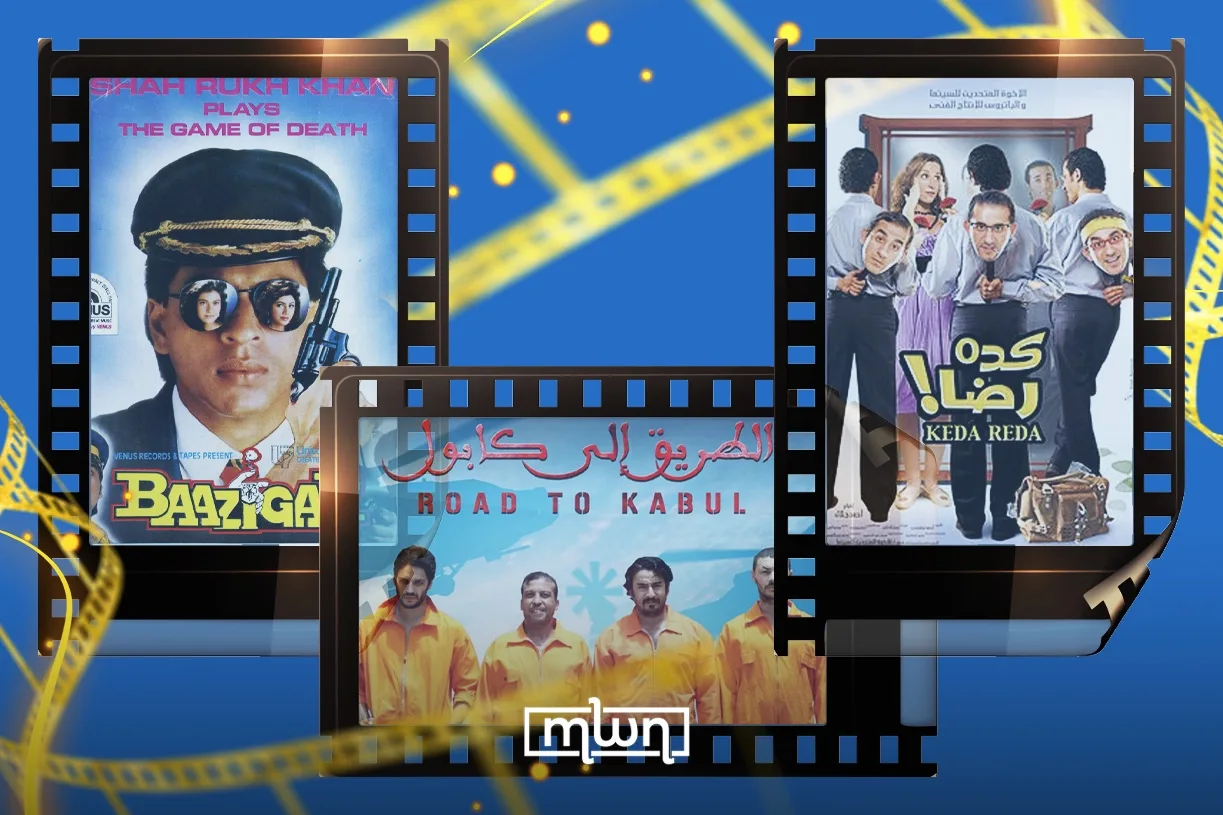
Rabat – It’s no wonder Moroccans have an intuitive understanding of different cultures when we grew up immersed in movies from across the globe. Our childhood wasn’t just about cartoons; we were also exposed to stories and shows from other countries.
Morocco
At the heart of it all was indeed Moroccan television. We grew up watching Moroccan movies and series that still carry a deep sense of nostalgia.
Rachid Elouali, Aziz Hattab, Rafik Boubker, Mouna Fetto, Fadila Benmoussa, and countless other celebrated Moroccan artists were – and still are – our companions on that cinematic journey.
We laughed at every scene of “Al-Qism 8” (Class N°8), cried at Saadia’s struggles in “Albortoqala Al Morra” (The Bitter Orange), and were genuinely scared watching “Al Bu’d Al Akhar” (The other dimension).
Certain scenes from these movies remain etched in our memories, and they’ve even found a place in the world of memes.
Other Moroccan movies that shaped our childhood include:
- “Abdo inda Al-Mowahidin”
- “El-Bandiya”
- “Attariq ila Kabul”
- “Wjaa trab”
- “Lhoucine ou Safia”
- “L’aqba lik”
- “Remana w bertal”
Egypt
The Arab world often struggles to understand Moroccan Darija. Yet, Moroccans have long been able to grasp different Arabic dialects, especially Egyptian, despite the geographical distance.
We didn’t just watch Egyptian cinema; we listened to their music too. The voices of Umm Kulthum and Abdelhalim Hafez filled our homes, and the movies of Adel Imam, Abla Kamel, Ahmed Helmi, and Henedy shaped our memories.
From movies and series to plays, our parents spent evenings enjoying Egyptian cinema, and we fell in love with it too. We watched “Madrasat Al Moshaghebeen,”one of the most famous Egyptian plays, countless times. Ahmed Helmi and Henedy never failed to make us laugh with their movies.
Other Egyptian movies, series, and plays we grew up with include:
- “Shahed Ma Shafsh Haga”
- “Omar w Salma”
- “Keda reda”
- “Ra’fat al hagan”
- “Addali”
Latin America
Mostly from Mexico, telenovelas played a memorable role in our childhood. Dubbed versions broadcast on 2M transported us to completely different worlds, letting us explore cultures far removed from our own.
Some of the telenovelas we still remember vividly include:
- “Guadalupe”
- “Diablo”
- “Ayna abi” (Amarte Asi)
- “Estrella”
- “Sihr al ghajariyat” (Gitanas)
Turkiye
Turkish series naturally became part of what we grew up watching. We initially discovered them on MBC before 2M began broadcasting them, and is still ongoing today.
Our first exposure was through “Noor” and “Sanawat al dayaa,” which opened the door to Turkish culture. Later, 2M aired Darija-dubbed Turkish series that remain nostalgic favorites.
Some of the Turkish series we remember fondly include:
- Al iichq al mamnou’
- “Fatma”
- “Izel”
- “Matnsanich”
- “Sila”
Hollywood
Think that’s all? Not even close. Our childhood memories with movies didn’t stop there, Hollywood was also a huge part of it.
Most of us discovered it through MBC 2, MBC Max, and MBC Action. The excitement of checking the day’s movie lineup was unmatched. Back then, we didn’t choose what to watch; we simply turned on the TV and followed whatever movies happened to be starting.
Sometimes we would jump into a movie halfway through – missing the beginning, the context, even the actors – but we still stayed until the very end. And when the New Year was approaching, we already knew Christmas movies would take over. We waited impatiently for our all-time favorite, “Home alone,” the movie that has accompanied us every single year and still brings back the same warm nostalgia.
Bollywood
Indian cinema wasn’t just part of Moroccan childhood, it became one of our most cherished memories. Zee Aflam and Zee Alwan were the leading channels airing Arabic-dubbed Indian movies, shaping the childhood of many Moroccans. Later, MBC launched the first channel dedicated entirely to Indian cinema – MBC Bollywood.
Even before these channels existed, CDs and DVDs of Indian movies and songs filled Moroccan homes – and hearts! We grew up watching Shah Rukh Khan, Raj Kapoor, Amitabh Bachchan, and countless other icons of Indian cinema.
And it wasn’t just the movies. We were immersed in the entire vibe of Indian culture: the music, the energetic dance sequences that set Indian cinema apart, and the unforgettable romantic scenes under the rain.