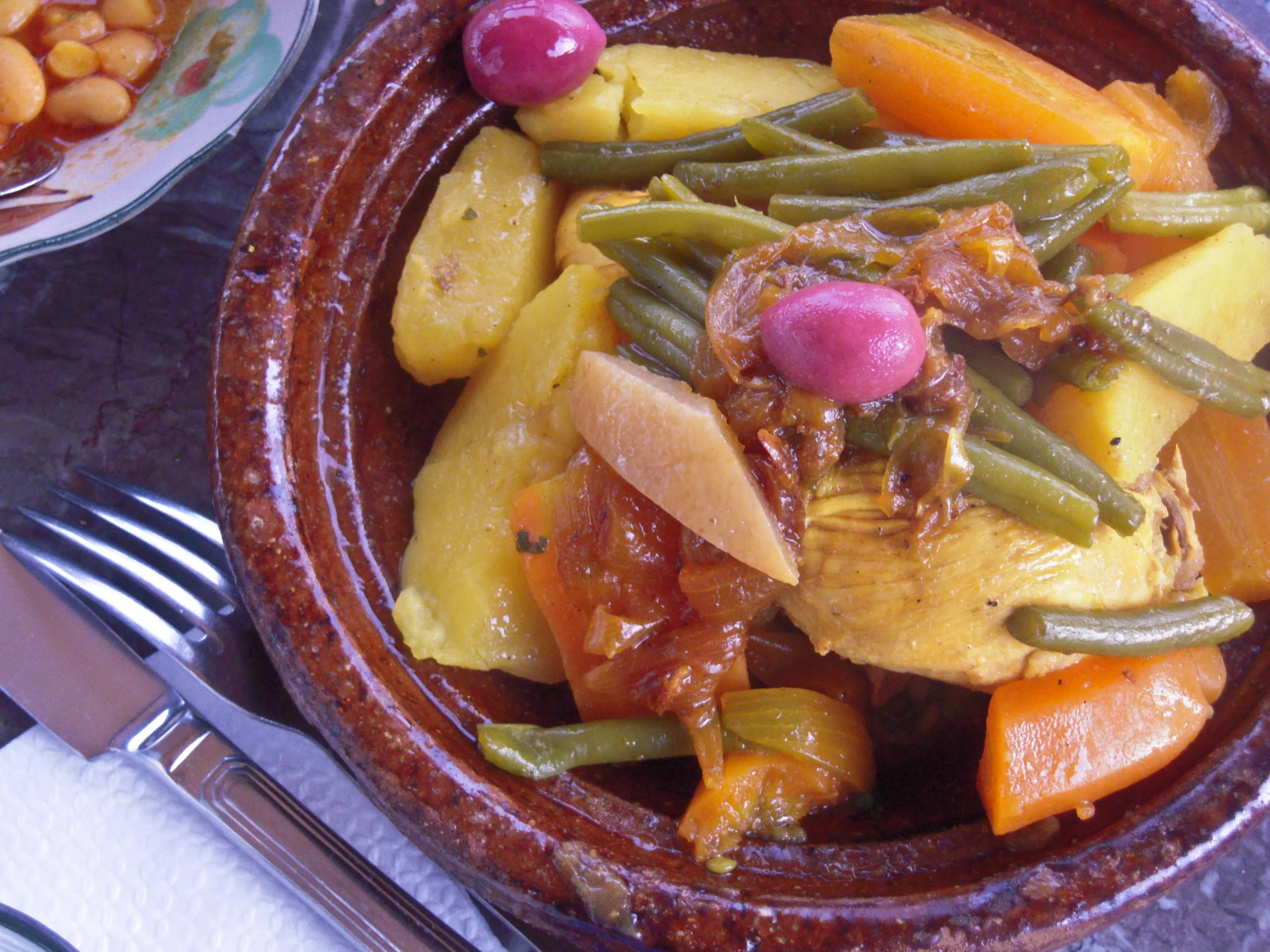
Fez — Morocco’s classic dishes are built on olive oil, vegetables, whole grains, legumes, and herbs—foods that mirror the renowned Mediterranean diet, an evidence-backed diet with multiple health benefits.
Fish is common on the coasts, poultry appears often, and red meat is used in small amounts for flavor. Sweet fruit wraps up many meals. This balance makes the Moroccan table both satisfying and light.
At home and in markets, the focus is on seasonal and local ingredients, which aligns with the WHO’s healthy diet guidance.
Tomatoes, onions, carrots, zucchini, eggplant, leafy greens, and olives show up year-round. Preserved lemons and a gentle mix of spices add depth without heavy sauces. The result is food that tastes rich but sits easily.
Everyday patterns that add up
Olive oil is the main fat in Moroccan cooking and a hallmark of the Mediterranean pattern linked to heart benefits. It is used to sauté vegetables, dress salads, and finish tagines. Whole grains like semolina, barley, and oats appear as “khobz” bread, barley couscous, or “beghrir” pancakes; these foods add fiber that helps with steady energy and fullness, consistent with research on whole grains and health.
Vegetables are the star of the plate. A classic lunch might be a vegetable tagine with chickpeas, a tomato and cucumber salad, and a wedge of fresh bread. Dinner could be grilled sardines with lemon and cumin, served with roasted peppers and olives—small fish bring protein and omega-3s highlighted in omega-3 science summaries. Fruit such as oranges, figs, or melons often replace dessert.
Spices do more than season. Cumin, turmeric, ginger, paprika, saffron, cinnamon, and ras el hanout make simple ingredients taste complex. Because flavor comes from herbs and spices, there is less need for excess salt.
Heart and weight friendly
Meals rich in plants and olive oil can support a healthy heart, a finding echoed by large trials of Mediterranean-style eating and cardiovascular risk. The balance of fiber, good fats, and steady carbohydrates helps many people manage weight without strict rules—a message consistent with broader dietary guidance from WHO. Sardines, anchovies, and other small fish add omega-3s, while nuts and seeds—almonds, walnuts, sesame—bring minerals and healthy fats in modest portions.
Pantry staples like preserved lemons and olives add brightness to stews and salads and help reduce food waste by keeping seasonal produce longer. Simple cooking techniques—slow simmering, steaming, grilling—keep added fats modest while preserving flavor.
Sugary pastries are part of celebrations, not daily life. Mint tea is widely enjoyed, and many households now reduce added sugar or serve tea with sugar on the side, aligning with recommendations to limit free sugars in global nutrition advice. Water, fresh juices, and unsweetened tea remain common at home.
A social way to eat
Health in Morocco is also about how people eat, not only what they eat. Families often gather around one shared dish. Bread is used to scoop, conversation slows the pace, and meals stretch long enough for the body to feel satisfied. Research on social connection suggests shared meals can support well-being and healthier habits, in line with work on social eating and health.
Walking to shops, climbing stairs, and visiting markets add gentle movement to the day. This active routine complements the diet and supports overall health, echoing guidance in the WHO physical activity recommendations.
Simple tips inspired by Morocco
Build your plate around vegetables, legumes, and whole grains—principles that track with the Mediterranean diet research base. Use olive oil as your main fat. Enjoy fish a few times a week if you can, drawing on omega-3 guidance. Keep red meat as a flavor accent. Season boldly with herbs, spices, preserved lemons, and olives to manage salt, as encouraged in sodium-reduction tips. End meals with fruit. Sit down with others when possible and give meals a little time.
Taken together, these small habits form a clear lesson from Moroccan kitchens: eat fresh, cook simply, and share the table. Over time, this is the practical path to better health, supported by global healthy-diet guidance.