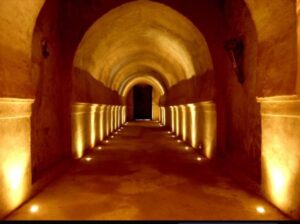
Rabat – Morocco is renowned for its distinctive architectural styles and deep cultural richness. From north to south, each region reflects a unique blend of history, geography, and tradition through its architecture.
From the elegant “riads” and traditional courtyards of the north and central regions to the majestic “ksor” and “kasbahs” of the southern oases, Moroccan architecture tells the story of a country where Amazigh, Arab, Andalusian, and European influences harmoniously meet.
Each region’s buildings not only reveal aesthetic beauty but also respond to local climates, available resources, and long-standing social traditions. These structures, whether urban or rural, showcase how form and function blend seamlessly in Moroccan architecture.
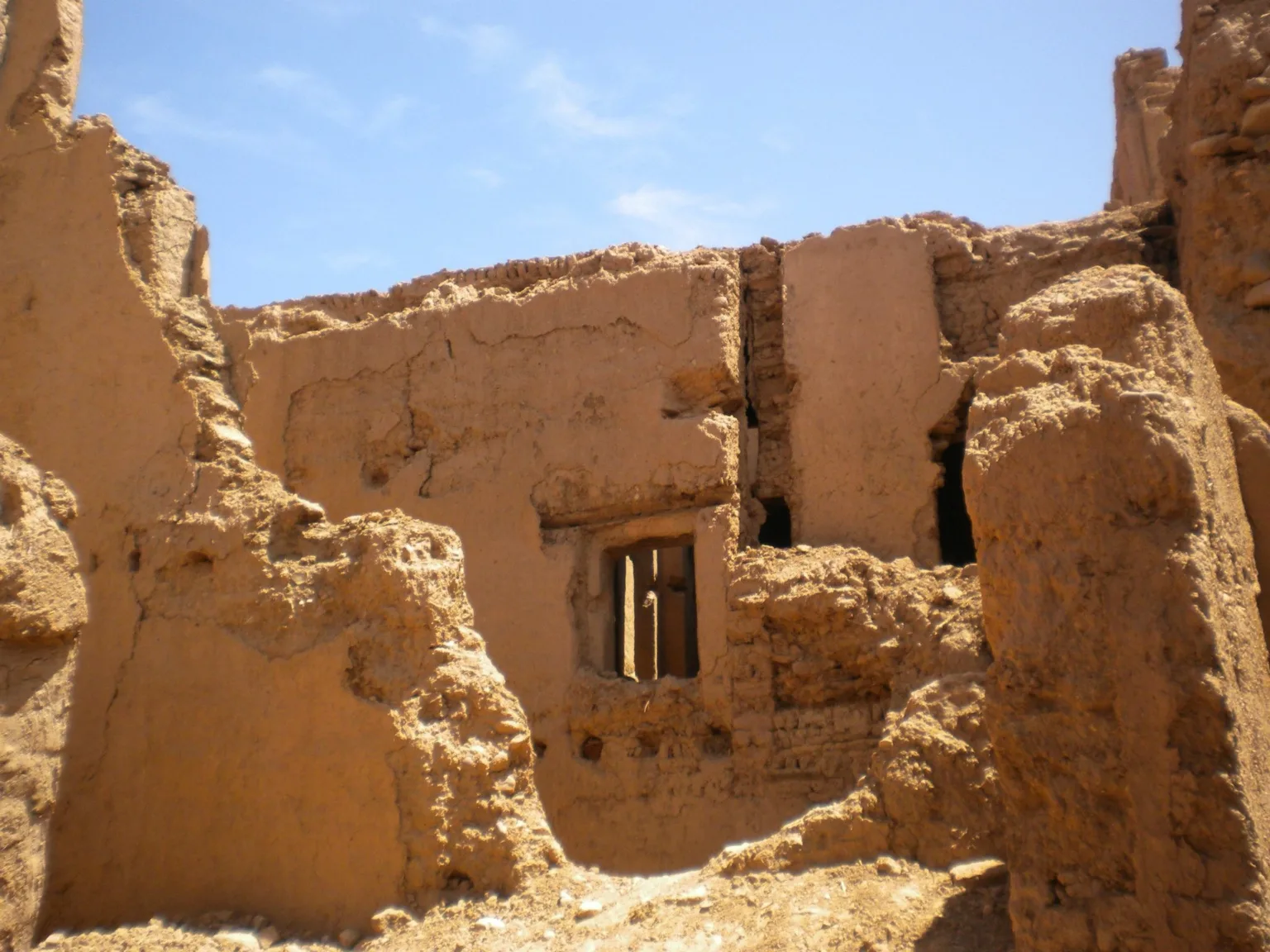
The “ksor” and “kasbahs” of southern Morocco showcase this diversity perfectly. Constructed primarily from clay, these structures serve far more than residential purposes; they also address social, economic, and environmental needs.
In Zagora, for instance, a wide range of “ksor” — including “Ksar Targhelil” and “Ksar Bni Zoli” — illustrates the variety, ingenuity, and community spirit behind these settlements. Each “ksar” functioned as a hub of life, where families, livestock, and crops were safeguarded together within the fortified walls.
Thanks to their unique architectural design, clay buildings naturally adapt to the harsh climate. Thick walls keep homes warm during cold winter nights while reducing heat during scorching summer days.
Born from the ingenuity of our ancestors, a “ksar” typically consists of a cluster of dwellings surrounded by high walls and towers. These towers once served as lookouts, ensuring the safety of residents and their resources from potential threats.
Social organization was equally important: the “jma3a” (committee) of the “kbila” (tribe) manages and ensures the security of the “ksar,” while a “sheikh” — elected annually from one of the clans — oversees its affairs.
Today, many clay houses are crumbling, and some have disappeared entirely due to years of neglect. Greater attention must be given to the “ksor” and “kasbahs” scattered across southeastern Morocco.
These masterpieces, built centuries ago and carefully maintained by previous generations, form an essential part of the nation’s cultural identity. Each “ksar” — not only in Zagora but throughout the region — stands as a true landmark, deserving preservation and rehabilitation for future generations. Protecting them is not only a matter of cultural heritage but also a tribute to the creativity and resilience of Morocco’s ancestors.